Ask a few friends where they’d go to stand among really old things, and the answers tend to cluster around Rome, Athens and Cairo. Those places earn their reputations. Yet some of the oldest continuous traditions on Earth sit in countries that rarely make it onto an American bucket list.
This list leans toward places where the history is the main event, not a side trip. Some are easier to reach than you might expect, and a few have only recently become simpler for US travelers. Here are ten worth a closer look.
Jordan: Petra and the Nabataean Desert Kingdom
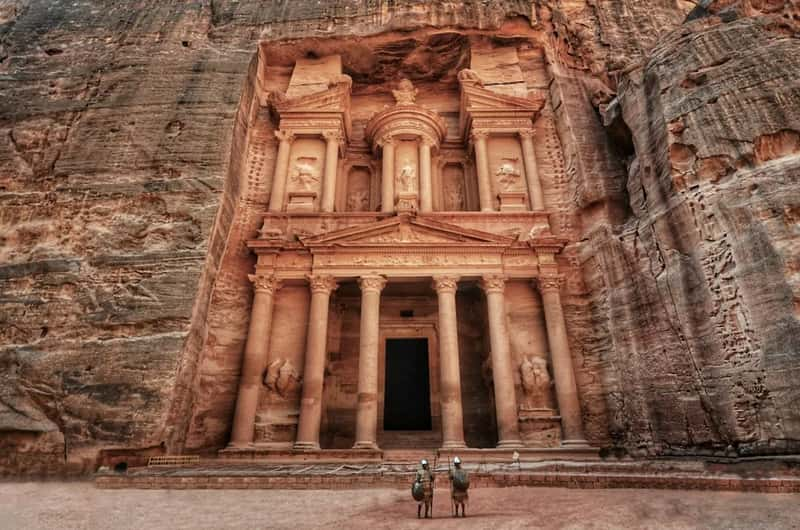
Petra is the headline act. The Nabataeans carved its monuments straight into rose colored sandstone, and the site is still one of the most photographed ruins in the Middle East. Jordan also holds the well preserved Roman city of Jerash and the desert landscapes of Wadi Rum, so a week here covers a lot of ground.
The crowds are thinner than they used to be. Petra received 457,215 visitors in 2024, down from 1.174 million in 2023.[1] Numbers climbed to 582,550 in 2025[2], and foreign visitors made up the largest share, at 373,752.[2] That recovery is real, though the site still feels roomier than it did at its peak.
Armenia: A Cave Winery Older Than the Pyramids
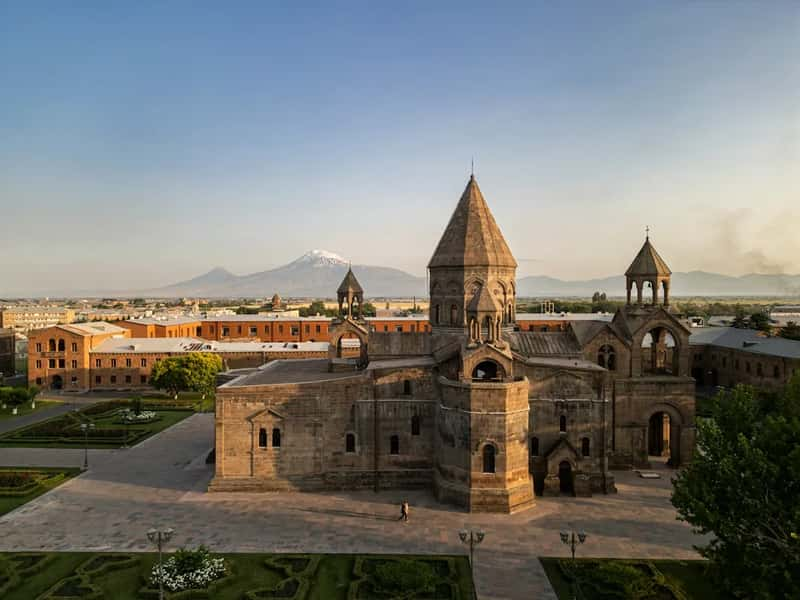
Armenia is one of the world’s oldest Christian nations, and its mountain monasteries reflect that. The deeper surprise sits in a cave near the village of Areni. The winery there dates to roughly 4100 to 4000 BC and is at least a thousand years older than the previously oldest known winery.[3]
The same cave gave up another oddity. The world’s oldest known leather shoe, from around 3600 to 3500 BC, was found there too.[3] A visit is short, since you’ll need about thirty to sixty minutes at the cave[4], which makes it easy to pair with nearby monasteries. Stand inside it and the scale of Armenian history starts to sink in.
Georgia: The Cradle of Wine in the Caucasus
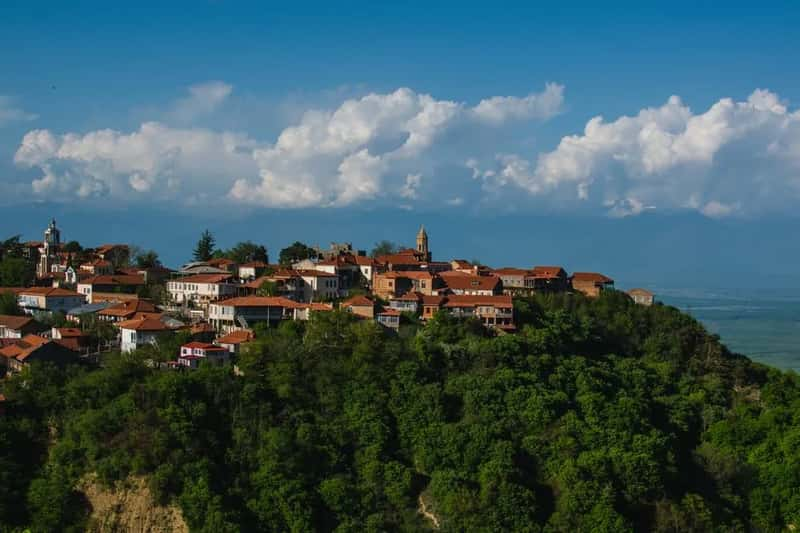
The country of Georgia makes a bold claim, and the evidence backs much of it. Archaeologists at Gadachrili Gora in 2017 found pottery shards carrying residue of fermented grapes, dated to about 6,000 BC.[5] That pushes the country’s winemaking back roughly eight thousand years.
The tradition is still alive in the ground. A qvevri is a large, egg shaped clay vessel with a narrow bottom and a wide mouth.[6] UNESCO added Georgian qvevri winemaking to its Intangible Cultural Heritage list in 2013.[7] Travelers can tour family cellars in the Kakheti region and taste amber wine made close to the old way.
Uzbekistan: Silk Road Cities With a New Open Door
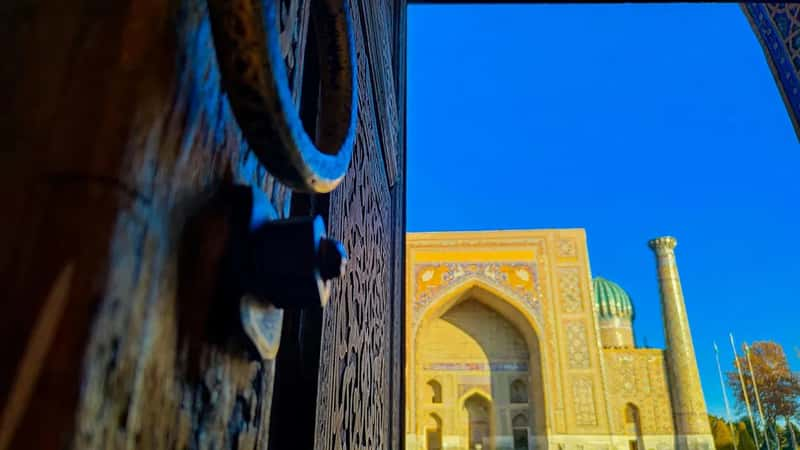
Samarkand, Bukhara and Khiva were trading hubs for centuries, and their turquoise domes and tiled madrasas still dominate the skyline. Samarkand itself has been inhabited for well over two thousand years. The Registan square is the postcard view, but the Shah-i-Zinda necropolis is just as striking up close.
The paperwork has become much easier. President Shavkat Mirziyoyev signed a decree on November 3, 2025, lifting visa requirements for US citizens, effective January 1, 2026.[8] Americans can now stay up to 30 days without a visa.[9] A registration within three days of arrival is still required, and hotels usually handle it.[10]
Ethiopia: Churches Carved Into the Earth
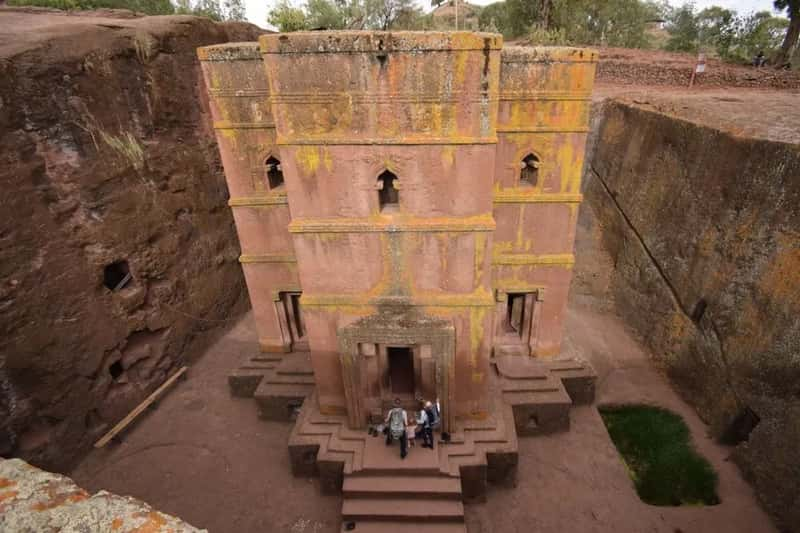
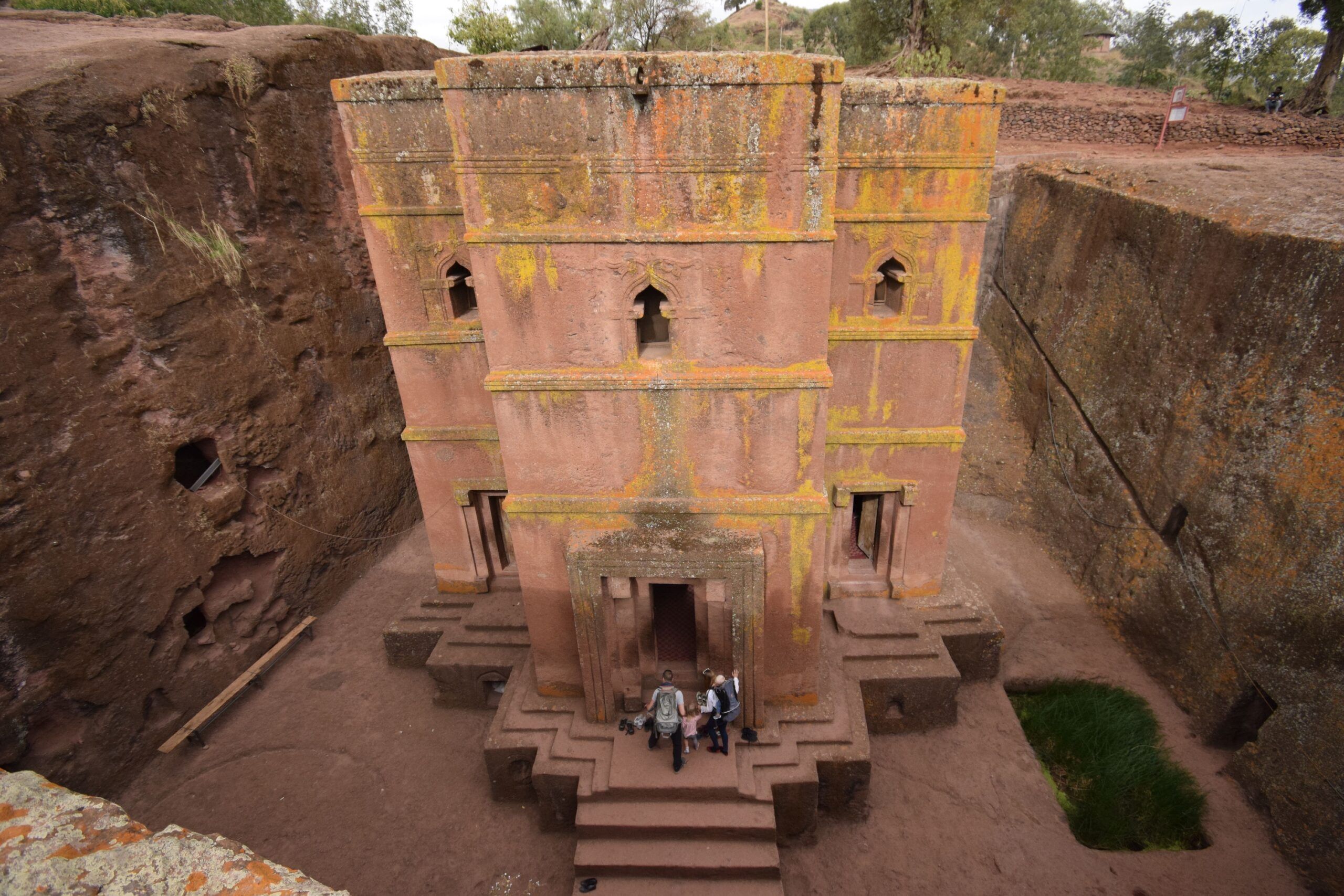
Ethiopia has one of the longest unbroken histories in Africa. It’s home to the ancient kingdom of Aksum, with its towering carved stone obelisks. In Lalibela, eleven medieval churches were cut down into solid rock, probably in the twelfth and thirteenth centuries, and pilgrims still worship in them.
Ethiopia takes more planning than most places on this list. Conditions differ sharply from one region to another, so check the current US State Department advisory and consider a licensed local operator before booking. The reward is a country where religious traditions have continued for well over a thousand years.
Malta: Temples Older Than Stonehenge
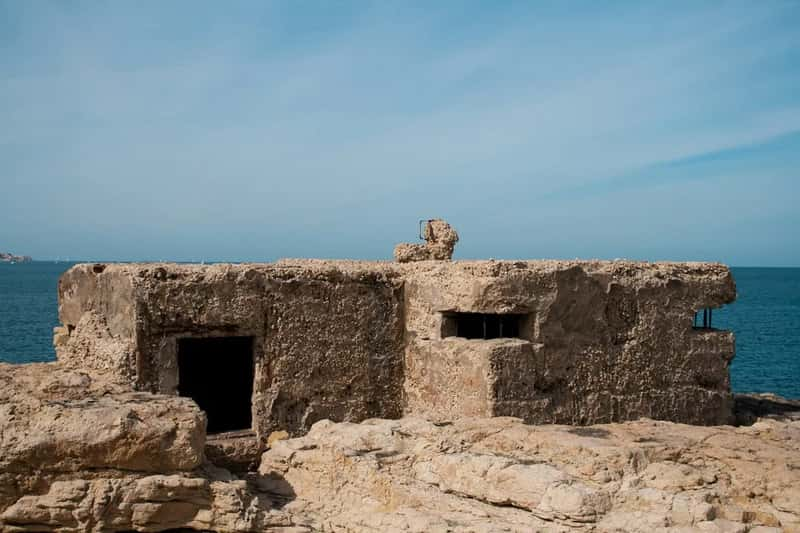
Malta is small, and many Americans know it only as a Mediterranean stopover. Its Neolithic temples, including Ġgantija on the island of Gozo, were built around 3600 to 3200 BC. That makes them older than both Stonehenge and the Egyptian pyramids.
Valletta adds a later chapter, with its fortifications from the era of the Knights of St John. Beneath the main island lies the Hypogeum of Ħal Saflieni, an underground burial complex. Visits there are strictly limited, so tickets need to be booked well ahead.
Cambodia: Angkor Beyond the Famous Sunrise

Angkor Wat was built in the early twelfth century under the Khmer king Suryavarman II. It’s often described as the largest religious monument in the world. It’s only one piece of a vast archaeological park that once served as the heart of the Khmer Empire.
Most visitors rush to Angkor Wat for sunrise, and it’s busy. Bayon, with its enormous carved stone faces, and the tree wrapped ruins of Ta Prohm reward a slower pace. Siem Reap, the gateway town, makes it simple to spend several days exploring the temples.
Peru: Caral and the Oldest Cities of the Americas
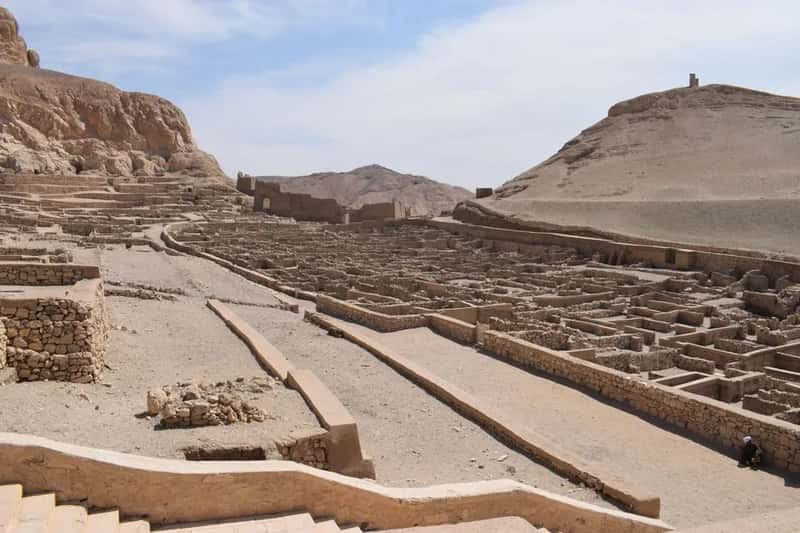
Machu Picchu gets the attention, and it deserves some. Yet the Inca came late in a very long story. Caral, in the Supe Valley north of Lima, is about five thousand years old and counts among the earliest known urban centers in the Americas.
Its pyramids and plazas rose around the same era as early Egyptian and Mesopotamian cities, and UNESCO recognized the site in 2009. Pair it with Chavín de Huántar in the highlands or the Nazca lines to see how deep the layers go. Peru offers a chance to see how much older the Americas’ past is than most textbooks suggest.
Sri Lanka: Sigiriya and the Ancient Capitals
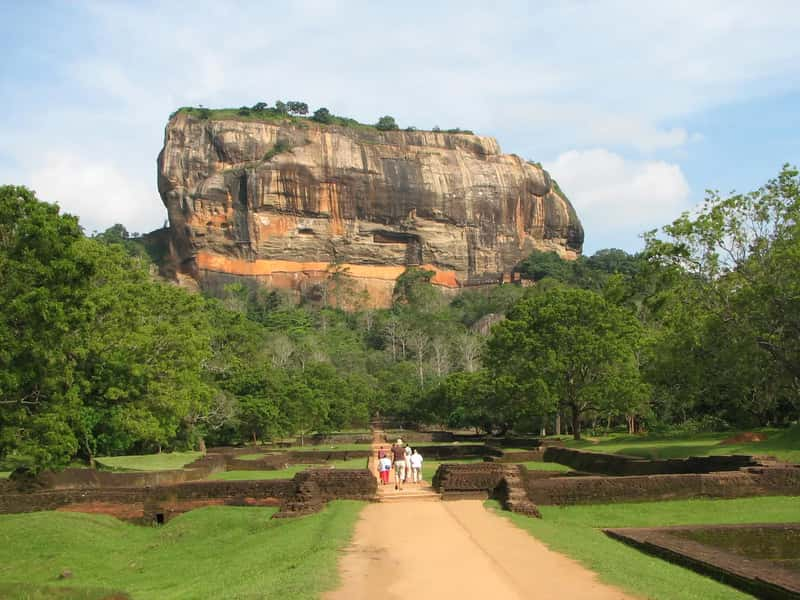
Sigiriya is a rock fortress rising from the jungle plain, built in the fifth century CE by King Kashyapa. Visitors climb past ancient frescoes and a gateway shaped like a lion’s paws. UNESCO listed it in 1982.
The wider region is known as the Cultural Triangle. It includes Anuradhapura, one of the oldest continuously inhabited cities in South Asia, as well as Polonnaruwa. The sites sit close enough together to visit in a single trip, with plenty of temples, ancient reservoirs and sacred bodhi tree traditions along the way.
Oman: Bronze Age Tombs and the Frankincense Trail
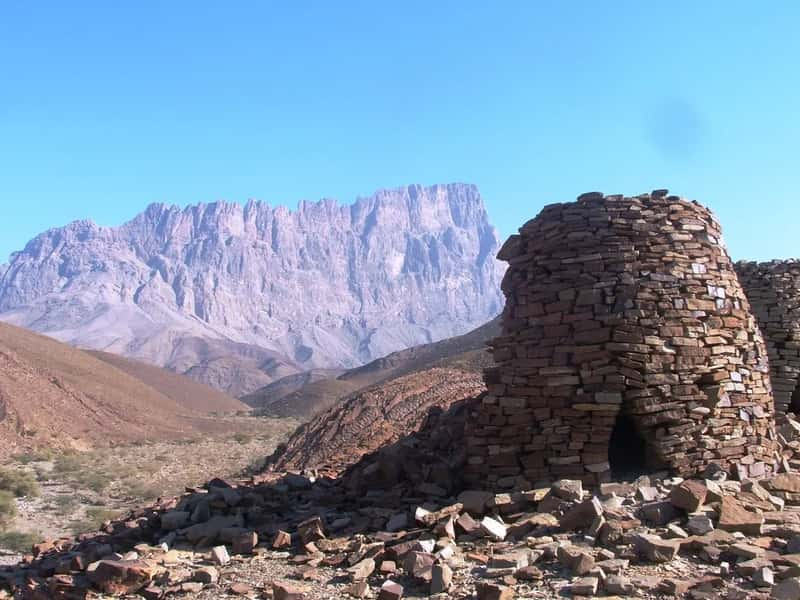
Oman sits on the southeastern edge of the Arabian Peninsula. Near the village of Bat stand stone beehive tombs from the Bronze Age, roughly five thousand years old, and they’re part of a UNESCO World Heritage listing. The coastal Land of Frankincense sites mark routes of a trade that supplied temples across the ancient world.
Forts such as Bahla add a later layer of history, and the country is known for being calm and welcoming to visitors. It’s still worth checking current travel advice before booking, as with any destination in the region. Travel in cooler months, roughly November to March, for the most comfortable weather.