The remote work boom didn’t just change where people can work. It changed where people can legally live while doing it. Governments from Lisbon to Bangkok have spent the past few years building entirely new visa categories around one simple idea: let people bring their laptop and their paycheck somewhere else, and collect the tax revenue and rent money along the way.
What’s less obvious, until you actually start comparing programs, is how wildly different the fine print can be. Some countries want proof of a five figure monthly salary. Others just want to see a stable bank balance and a clean record. Here’s a real look at ten of the most established programs and the specific numbers, documents, and quirks that determine whether you’ll actually get approved.
Portugal’s D8 visa
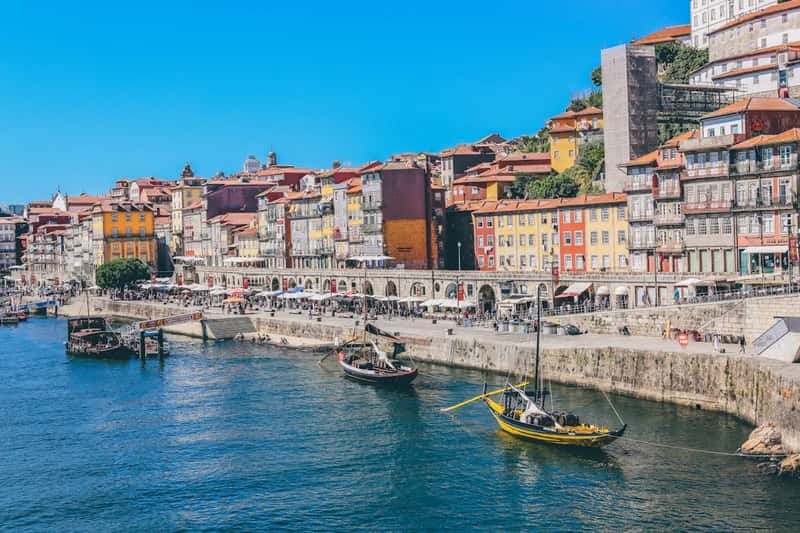
Portugal’s D8 visa remains one of the most popular routes into Europe, largely because it leads somewhere: permanent residency and eventually citizenship. The threshold is linked to the Portuguese monthly minimum wage, which increased to €920 on 1 January 2026, and applicants must demonstrate a minimum monthly income of €3,680, corresponding to four times that minimum wage. That works out to a bit under €44,200 a year for a single applicant.
Income alone won’t get you through the door, though. Applicants must also provide proof of sufficient financial means, generally an amount equivalent to at least 12 times the Portuguese monthly minimum wage, which lands around €11,040 in savings on top of the income requirement. Freelancers get some flexibility on where their money comes from, but they can earn up to 20 percent of total income from Portuguese clients, while the remaining 80 percent must come from clients or companies outside Portugal.
Spain’s digital nomad visa

Spain built its version around a formula tied directly to the national minimum wage, which means the number shifts every year without any new law being passed. The 2026 income requirement is EUR 2,849 per month, or EUR 34,188 per year, which is 200 percent of Spain’s minimum wage, and no more than 20 percent of your income can come from Spanish sources. That makes it one of the more accessible European options on paper.
Family members raise the bar in stages rather than all at once. The rules add 75 percent of the minimum wage for the first family member and 25 percent for each additional one. One of the bigger draws is what happens after approval: holders can keep the visa for up to five years, with permanent residence possible afterward.
Estonia’s digital nomad visa
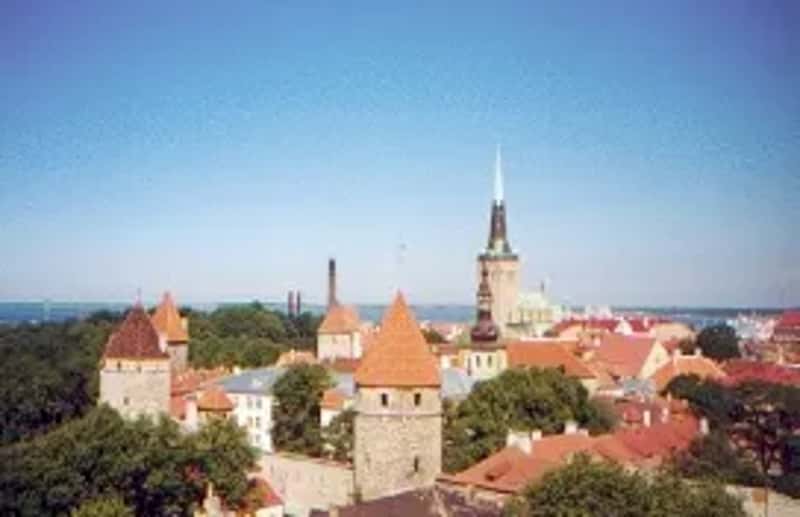
Estonia was first out of the gate with this whole concept back in 2020, and the program still reflects that pioneer status in both its efficiency and its price tag. Estonia’s Digital Nomad Visa requires proof of €4,500 gross monthly income over the prior six months, which is noticeably higher than most of its European neighbors. It’s a program built for established professionals, not entry level freelancers testing the waters.
What makes Estonia worth the higher bar for many applicants is the paperwork experience itself. The country offers 99 percent online public services, from tax filings to business registrations, allowing remote workers to handle bureaucracy with exceptional ease. Documentation still needs to be airtight, though, since evidence has to cover a consistent six month income history rather than a single recent pay stub.
Croatia’s digital nomad visa
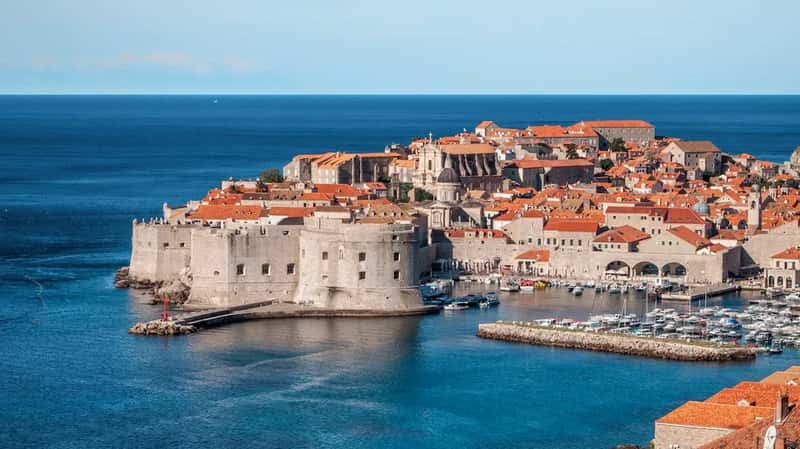
Croatia takes a different approach, indexing its threshold directly to local wages rather than setting a fixed euro figure that stays static for years. As of 2026, applicants must meet a minimum income requirement of approximately €3,622.50 per month, along with standard documentation such as proof of remote work, accommodation, and health insurance. That figure has actually climbed noticeably from where it started.
The reason for the jump comes down to simple math rather than policy tightening. Croatia increased the visa income requirement to approximately €3,622.50 per month, up from around €2,870 to €3,295, because the threshold is set at 2.5 times the average Croatian net salary, and as of January 2026 the average net salary reached about €1,511. One quirk worth knowing before you apply: this visa doesn’t work for locally sourced income, since holders are not allowed to work for Croatian companies or clients.
Greece’s digital nomad visa

Greece keeps its income bar in the same neighborhood as Portugal and Croatia, though it’s calculated as a net figure rather than gross. To qualify, applicants must earn a minimum net monthly income of €3,500, with the required amount increasing by 20 percent for a spouse and 15 percent for each dependent child. The process itself moves at a reasonable pace once documents are in order.
One important change landed earlier this year and caught some applicants off guard. As of February 2026, under Law 5275/2026, in-country applications are no longer permitted, and applicants must apply through a Greek consulate before traveling. There’s a real financial upside for those who qualify and relocate their tax residency, since meeting the eligibility requirements can bring a 50 percent income tax reduction for up to seven years under Greece’s special tax regime.
Costa Rica’s Estancia para Trabajadores Remotos
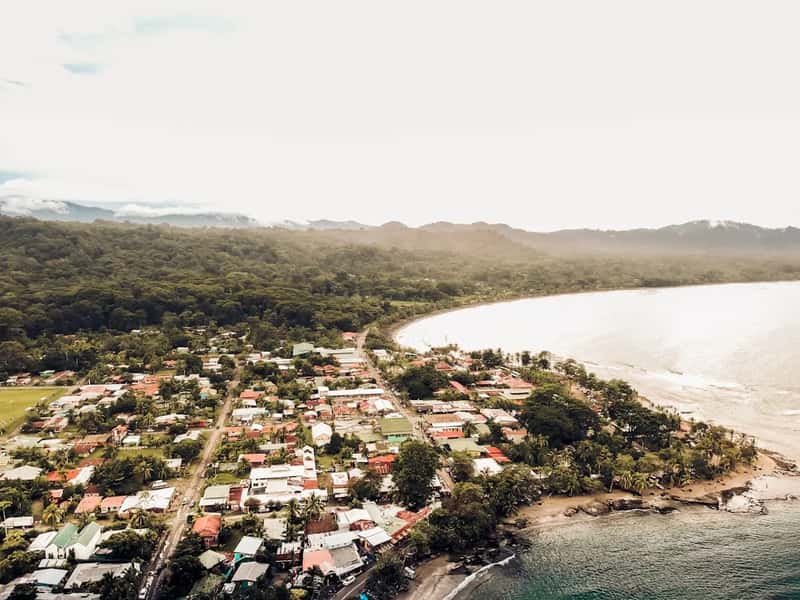
Costa Rica’s remote worker program sits at a friendlier income level than most of Europe’s offerings, and it’s written into actual statute rather than administrative policy that can shift without warning. The income requirement is US$3,000 per month for an individual, or US$4,000 per month for a family group, evidenced by bank statements, and Costa Rica codified its nomad program into law through Law 10008 of 2021, so these figures are statutory rather than the product of administrative whim. That legal grounding gives applicants a bit more predictability than programs that get adjusted year to year by ministerial decree.
The visa runs for a solid stretch and comes with a meaningful tax perk. It lets you live and work legally in Costa Rica for up to one year, with the option to renew. There’s a catch on renewal worth flagging: the extension requires at least 180 days of physical presence in Costa Rica during your first year, so this isn’t a visa for people who plan to spend most of their time bouncing between other countries.
Thailand’s Destination Thailand Visa

Thailand took an unusual path with its Destination Thailand Visa, skipping the income threshold model that most other countries use. Thailand’s DTV is the only major program that wants savings, specifically 500,000 THB, rather than a salary. That distinction matters for freelancers with irregular income who might struggle to prove a consistent monthly figure elsewhere.
The length of the visa is also a genuine standout in the wider market. Thailand offers the longest runway among major programs at five years. There’s a tax wrinkle Americans especially should watch for, since Thailand’s 2024 remittance rule change means income remitted to Thailand in the same year it’s earned may be subject to Thai tax, though a proposed grace period for 2025 through 2026 is under consideration.
Japan’s digital nomad visa

Japan built its program for a narrow slice of the remote work population, and the numbers make that intent obvious. The income requirement sits at ¥10 million annually, or roughly $66,400 USD, one of the highest globally. This isn’t a visa aimed at freelancers or early career professionals; it’s designed for senior, well compensated remote workers who want a taste of Japan without committing long term.
The tradeoff for that high bar is a short, non renewable stay. Japan’s digital nomad visa targets high income professionals for a short, non renewable stay, making it a bucket list option rather than a long term base. Anyone hoping to build a life in Japan through this route will need a different visa category once the initial stay ends.
The UAE’s Virtual Working Programme

Dubai’s version of the digital nomad visa recently got noticeably more expensive to qualify for, and the change happened fast. As of around April 24, 2026, the UAE virtual working visa income floor jumped from USD 3,500 to USD 5,000 per month, with insurance raised to AED 500,000, six month bank statements, and legalised, attested employment contracts now required. That’s a meaningful jump for a program that had positioned itself as relatively accessible just months earlier.
What still draws people despite the higher bar is the tax picture and the lifestyle around it. Dubai’s Virtual Working Program offers zero income tax, world class urban safety, and some of the most advanced infrastructure globally, and it ranks consistently high on global livability and safety indexes. The visa itself is straightforward once the financial documentation clears, since it’s a one year, self sponsored residence visa and you don’t need a local employer, a UAE trade license, or a free zone registration to get it.
Colombia’s digital nomad visa

Colombia sits at the opposite end of the spectrum from Estonia or Japan, built specifically to be accessible rather than exclusive. Colombia runs one of the most accessible nomad visas anywhere, offering two years of legal stay, an income bar around €1,300 a month, and €150 in fees. For freelancers earning a modest but steady income, that’s a far lower hurdle than most of the programs on this list.
The appeal isn’t just the paperwork, either. Medellín in particular has become a genuine hub for the community, and the country’s combination of a low cost of living with a genuinely low income threshold means the visa opens doors for people who’d get turned away by Portugal’s or Estonia’s requirements. It’s a useful reminder that “digital nomad visa” covers a huge range of actual qualifying criteria, not a single standardized bar.
Taken together, these ten programs show just how much the digital nomad visa landscape has matured since Estonia opened the first real pathway back in 2020. The income thresholds alone span from roughly 1,300 euros a month in Colombia to over 5,000 dollars in Japan and the UAE, and the paperwork, tax treatment, and renewal rules differ just as much from one country to the next. Anyone seriously considering one of these routes should treat the numbers here as a starting point, then check the current official figures directly, since several of these thresholds have already shifted once or twice within 2026 alone.