Let’s be clear about one thing first. As of late October 2026, none of the countries below has announced a plan to shut its doors to all tourists. “Closing” can happen in several ways: a conflict that shuts airspace, a government that stops issuing visas, or a destination that decides it has too many visitors. Some countries on this list are tightening access, some are teetering on security grounds, and one is already almost fully closed.
I’ve ordered the list roughly from the most fragile situations to the least. Everything here comes from official advisories and recent reporting, and the situations can change fast. Treat this as a watchlist, not a forecast.
1. Iran

Iran is probably the clearest case of a country where access could collapse overnight. The U.S. Virtual Embassy’s October 18, 2026 alert says not to travel to Iran for any reason, and that U.S. citizens should leave now.[1] That’s about as blunt as a government warning gets.
The same alert tells travelers in the region to expect flight cancellations, airspace closures, and travel disruptions.[1] It also notes that border-crossing procedures at Iran’s land borders may change with little notice.[1] Tourism isn’t being formally banned, but the practical routes in and out could narrow quickly.
2. Mali
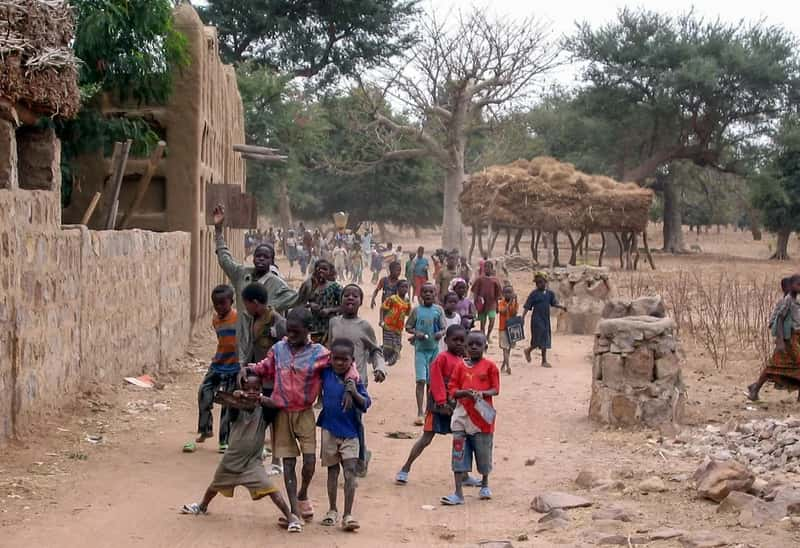
Mali is already in a precarious position. Since September 2025, the al-Qaeda-linked group JNIM has burned tankers on the roads into the landlocked country, starving the capital Bamako of energy.[2] Reporting puts the number of tankers burned at more than 300.[2]
Access has already been interrupted. Armed attacks hit Kidal, Gao, Kati and areas near Bamako International Airport on April 25, 2026, and a temporary airport closure followed.[3] On the paperwork side, the U.S. State Department notes that Mali suspended visas to U.S. citizens as of January 1, 2026.[4] Together, that makes Mali a country where tourist access could end without any formal announcement.
3. Niger
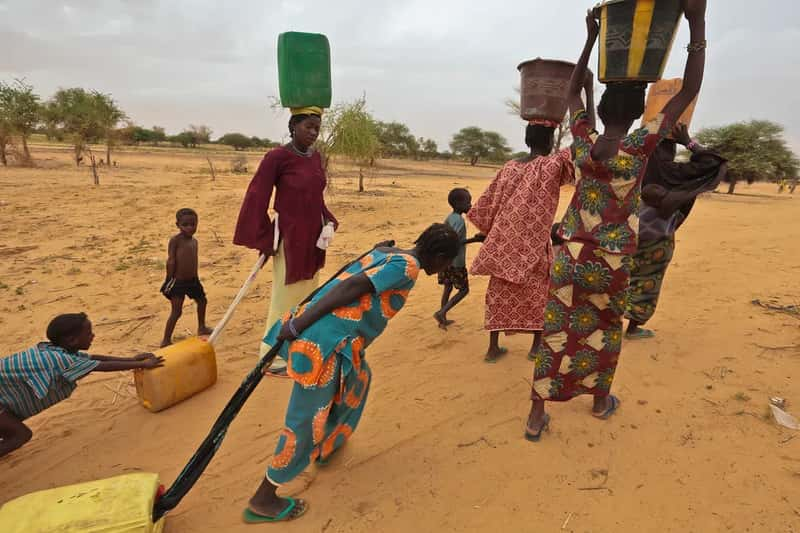
Niger sits in the same Sahel belt, and the official picture is grim. U.S. advisory data for October 2026 lists Niger, along with Burkina Faso, Mali and Guinea, at Level 4, the most severe classification.[5] Level 4 means a greater likelihood of life-threatening risks and possibly extremely limited consular help in an emergency.[5]
For Niger, advisories emphasize the impact of armed groups and active conflict zones, particularly in border regions.[5] I wouldn’t predict a formal closure to tourists, because there’s little organized tourism left to close. The more realistic risk is that access simply becomes impossible for practical reasons.
4. Burkina Faso

Burkina Faso shares the same Level 4 status and much of the same risk profile. Descriptions of the region cite violent extremist activity, banditry, kidnapping for ransom, and civil unrest.[5] That’s a tough backdrop for anyone planning leisure travel.
Analysts quoted in recent coverage note that government control is limited or contested outside capital cities, and armed groups operate across major road corridors and border regions.[6] If a deterioration hits the capital’s airport or main roads, tourists would be among the first to lose any realistic way in. For now, it’s a country where visiting is officially discouraged rather than formally blocked.
5. Guinea
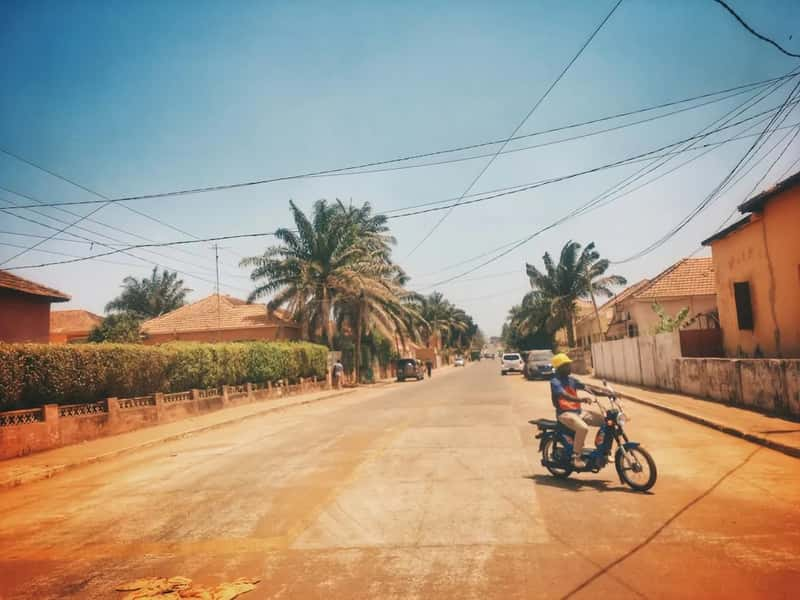
Guinea’s situation is different from its Sahel neighbors, and it’s worth saying so. For Guinea, publicly available guidance highlights political tension, demonstrations that can turn violent, and constrained health and emergency-response capacity outside major cities.[5] That’s a political and institutional risk rather than an insurgency story.
It still carries the same top-tier advisory from Washington. Political tension can lead governments to impose curfews, suspend flights or restrict movement, even if only temporarily. Guinea belongs on this list as a country to watch, not one where a closure looks likely.
6. North Korea
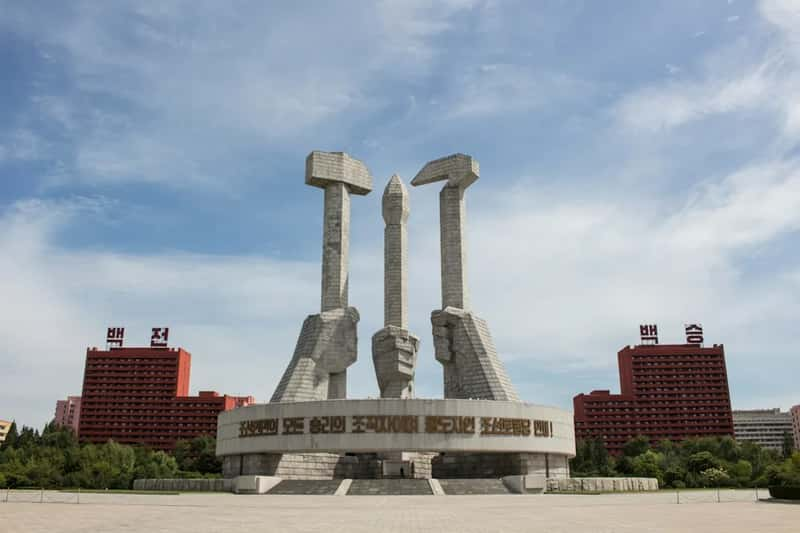
North Korea is the odd one out because it’s already closed. The country shut its borders in early 2020 and hasn’t fully reopened since.[7] A small window did open: in early 2025, part of the country briefly reopened to foreign visitors, but Rason closed again within weeks and tours were cancelled.[7]
As of August 2026, those who can openly enter North Korea for tourism are effectively only Russian nationals.[8] There are encouraging signs, such as the Beijing to Pyongyang passenger train resuming on March 12, 2026 after a six-year hiatus.[9] Yet the 2026 Pyongyang International Marathon, which looked like another step forward, was cancelled.[10] The lesson is that access here can vanish as quickly as it appears.
7. Saudi Arabia
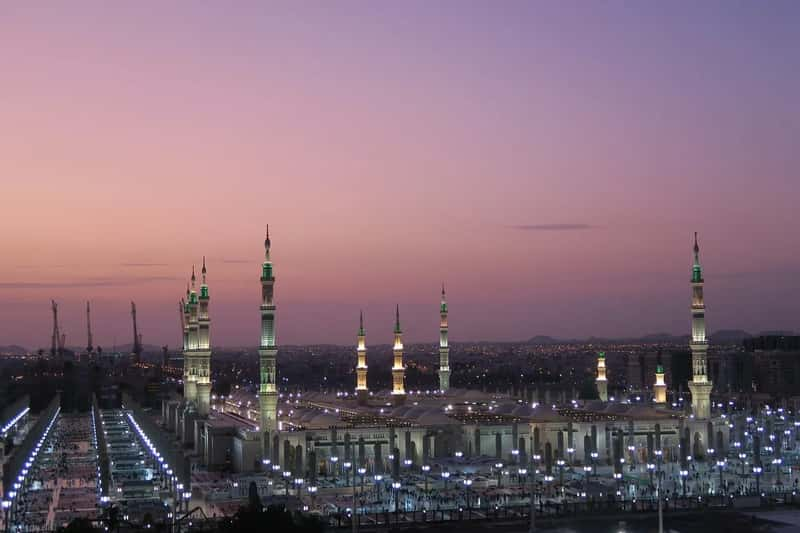
Saudi Arabia is the least likely country on this list to shut its borders voluntarily, because it’s investing heavily in tourism. The risk comes from the neighborhood. The U.S. Embassy’s October 2026 advisory sits at Level 3, citing the risk of drone and missile targeting of American interests by Iran and the Iranian-supported Houthis, armed conflict, terrorism, and exit bans.[11]
The advisory also flags risks to civil aviation operating within or nearby the Persian Gulf and the Gulf of Oman region, including Saudi Arabia.[11] Near the Yemen border, the advice is stricter: Level 4, do not travel.[11] A wider regional flare-up could still disrupt flights in and out, which is why it earns a spot here.
8. Japan
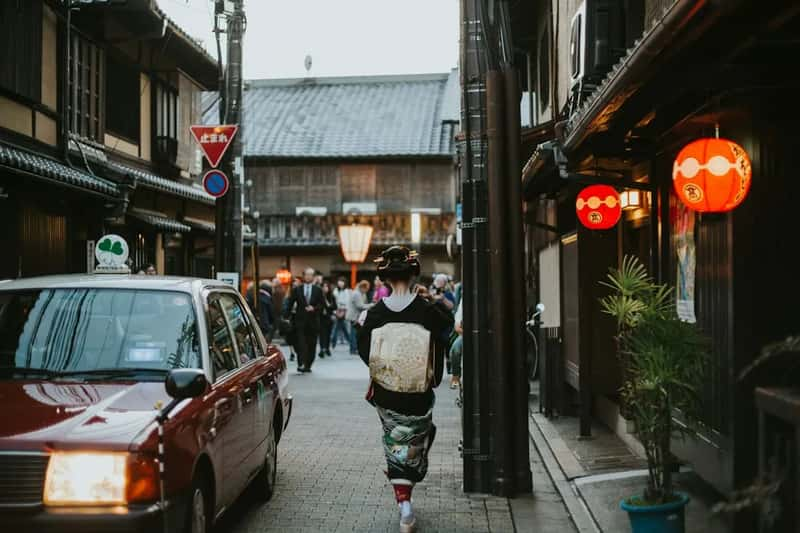
Japan won’t close to tourists. It’s trying to manage a huge wave of them. Japan recorded a record 42.68 million international visitors in 2025, a 15.8 percent increase on the year before, yet it is now redirecting tourists away from its most crowded cities.[12] The government’s long-term goal is even bigger, with a 2030 target of 60 million visitors.
For travelers, the practical effect is more rules, more fees and more nudges toward lesser-known regions. Residents of places like Kyoto’s Gion district have seen the strain firsthand. Think of Japan as the example of what “restriction” really looks like in a popular country: tighter management, not a shut door.
9. Spain
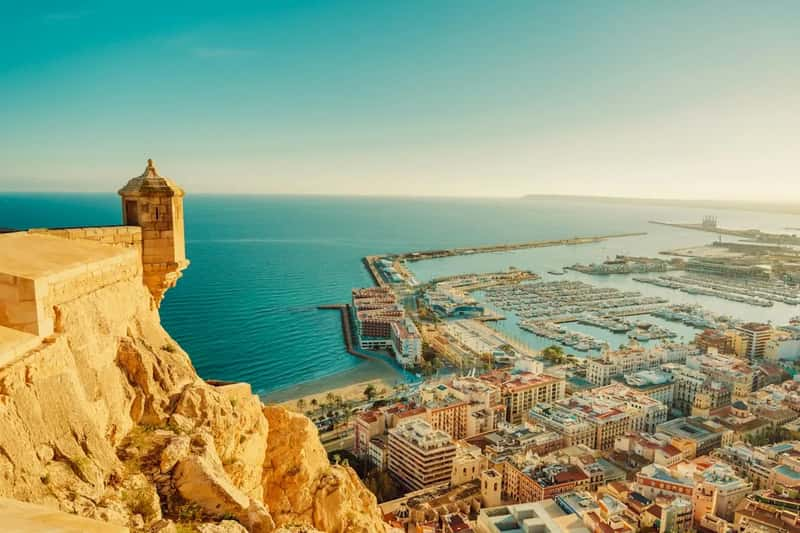
Spain is another place where backlash is real but closure isn’t on the table. The fight is mostly about housing. Reuters reported in May 2025 that Spain ordered Airbnb to remove more than 65,000 listings, and later identified another 54,728 listings without the mandatory license number.[13]
One summary of the crackdown puts it well: Spain is still open, but the era of shrugging at loosely regulated holiday lets is ending.[13] Protests in Barcelona, Mallorca and Ibiza show how heated the debate has become. Expect higher costs and tighter rules, not locked borders.
10. Greece

Greece has chosen targeted limits over any kind of ban. Reuters reported a 20-euro levy on cruise passengers visiting Santorini and Mykonos during peak summer months, and later that parliament approved it.[13] Officials also planned to regulate how many cruise ships arrive at once at certain destinations.
On housing, Greece has extended restrictions on new short-term rental registrations across Athens’ first three municipal districts through December 31, 2026.[14] Importantly, the policy does not prohibit tourists from staying in existing registered accommodation.[14] Greece wants visitors, just fewer of them in the same few places at the same time.
So which countries could really close to tourists soon? The honest answer is that the highest risk sits in places with conflict, blockades or airspace threats, such as Iran and Mali, plus North Korea, which has barely opened at all. In Japan, Spain and Greece, “closing” means fees, caps and stricter rentals, not a locked gate.
Before booking anything, check your own government’s current advisory and the destination’s entry rules. They can change within days. The world’s borders rarely slam shut without warning signs, and those warnings are worth reading.