The dream of a place in the sun used to feel like something reserved for retirees with deep pockets. That’s shifted. Between stretched budgets at home and a growing appetite for travel that doesn’t end after two weeks, more Americans are treating an overseas property not as a fantasy but as a practical option worth researching seriously.
What’s changed is less about wanderlust and more about arithmetic. Mortgage rates, insurance costs, and home prices in many U.S. metros have pushed buyers to look at what their money can do elsewhere, and the answers are turning up in some familiar and some less obvious places.
1. Mexico
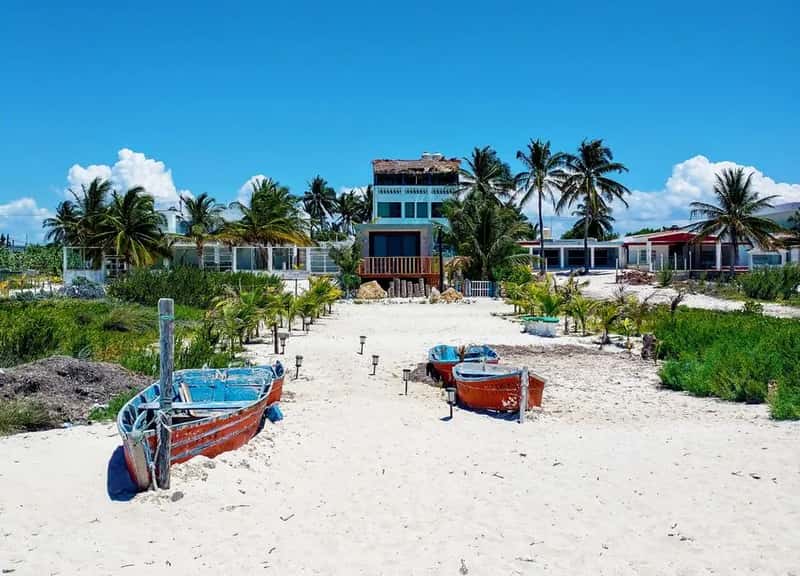
Mexico remains the country Americans think of first when the idea of a second home abroad comes up, and the data backs that instinct. Mexico is the most popular destination for American buyers seeking property abroad per the NAR 2025 International Transactions Report. Proximity plays a huge role here. A flight from Texas or California to a beach town on either coast rarely takes more than a few hours, and that convenience matters when you’re planning to actually use the place.
Buyers looking at coastal spots need to understand one quirk of Mexican law. Coastal property within 50 km of the shoreline requires a fideicomiso, a Mexican bank trust, for foreign buyers. It’s a workaround, not an obstacle, and it’s been standard practice for decades. Rental returns in the busier tourist corridors tend to run 5% to 8% in tourist hubs, which helps explain why so many buyers treat these homes as part vacation spot, part income property.
2. Portugal

Portugal has spent the last few years building a reputation as the destination Americans mention when they’re only half joking about moving abroad. Portugal continues to be the most sought-after destination for American buyers in 2026, with the primary draw remaining a combination of high quality of life and a significantly lower cost of living compared to major US metropolitan areas. Lisbon and Porto get most of the attention, but the appeal isn’t limited to the big cities.
Cities like Lisbon and Porto offer a historic, vibrant lifestyle, while the Algarve region remains a paradise for retirees and luxury sun-seekers. The market has held up better than some expected even after residency rules shifted. Despite recent changes to residency programs, the real estate market remains incredibly resilient, with property values in Lisbon growing by roughly 12% in the last year alone. Along the Algarve, American interest has been strong enough to noticeably shift the character of certain towns, with increasing numbers of expats, in particular Americans, choosing Lagos over other corners of the Algarve.
3. Italy
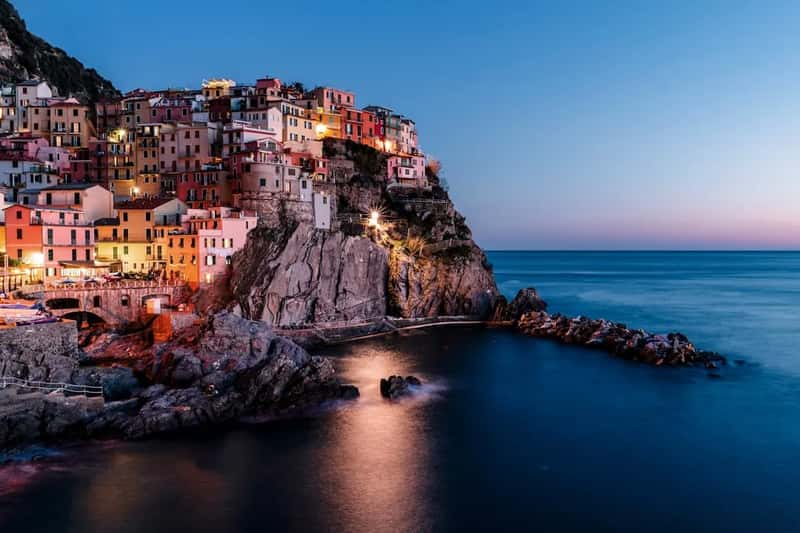
Italy sells itself, honestly. The pull isn’t just scenery, though there’s plenty of that. Italy’s charm continues to captivate American buyers above all, drawn by its lifestyle, cultural treasures, and tax-friendly policies. A weaker euro over the past couple of years has made the math even more favorable for dollar-based buyers.
The euro’s recent weakening against the U.S. dollar has further sweetened the deal, making Italian properties even more attractive for dollar-based investors. Prices haven’t been static, either. Home values have been climbing modestly, with house prices climbing steadily in 2024, driven largely by new builds which saw an 8.8% year-on-year increase, while existing home prices rose modestly by 2.8%. Regions like Tuscany and Sicily remain the classic entry points, though interest has spread into lesser-known corners of the north as buyers hunt for better value.
4. Spain

Spain occupies an interesting middle ground. It’s got the Mediterranean lifestyle Americans associate with Italy or Greece, but with an easier learning curve for English speakers and a real estate market that’s still comparatively approachable. Spain is a favorite among Americans interested in purchasing property abroad, with major cities like Barcelona and Madrid bustling with history and culture while coastal regions stay more relaxed.
The investment case has gotten stronger recently. Rental income potential in Spanish cities tends to run high, and real estate investment in Spain comes with high rental income potential for buyers who want their second home to pay for itself part of the year. Prices have also been rising faster than most of its European neighbors, with Spain standing out among the EU’s Big Four economies with a 12.9% price increase over the past year, a sign that demand, including from abroad, hasn’t slowed down.
5. Costa Rica

Costa Rica has quietly repositioned itself away from the backpacker image it had decades ago. Today it’s marketed, and increasingly bought into, as a wellness destination. Costa Rica has successfully branded itself as the global capital of Wellness Real Estate, and for US buyers in 2026, the focus has shifted from simple beach shacks to large-scale eco-estates and gated communities in the Central Valley and the Guanacaste province.
The tax picture is a big part of the appeal too. There is no capital gains tax on real estate if the property is your primary residence, and property taxes are remarkably low, often around 0.25% of the registered value. That combination of low holding costs and a genuinely different pace of life is why so many buyers describe the decision in personal rather than purely financial terms. For many Americans, the Pura Vida lifestyle is a literal lifesaver, offering a slower pace and a connection to nature that is hard to find in the US.
6. Panama

Panama has been on the American retiree radar for a long time, and it hasn’t lost momentum. Among the most talked-about destinations for American retirees is Panama, long established as an expat hub that continues to attract U.S. buyers due to its retiree incentives, modern infrastructure, and relatively straightforward residency options. The dollar-based economy removes a layer of complexity that trips up buyers in other countries.
What really sets Panama apart is how many boxes it checks at once. The country’s Pensionado Visa program, combined with a dollar-based economy, high-quality private healthcare, and geographic proximity to the United States, makes Panama particularly appealing to Americans planning retirement abroad. Interest isn’t confined to one type of property either. Buyers are increasingly interested in coastal properties, city apartments in Panama City, and lower-density lifestyle developments outside major urban centres.
7. Greece

Greece has gone from a nice-to-visit country to a genuine buying destination in a short span of time, and the shift shows up clearly in the flight numbers. Passenger traffic from the U.S. to Greece has increased by 28% compared to 2024 and is now more than double pre-pandemic levels, with the United States ranking as Athens International Airport’s largest international source market in 2025.
That surge in visitors has translated directly into property interest. Demand from American and other markets increased by 50% during the first half of this year, establishing an entirely new trend in Greece’s holiday home market, according to industry data. Search interest tells a similar story, with searches for the country by US users on a luxury villa rental site increasing by 350 percent in 2025 compared to 2024, putting Greece at the very top of the trending list for American travelers and buyers alike.
8. Dominican Republic

For buyers who want tropical without the long flight, the Dominican Republic keeps coming up. It’s a beautiful country with a low cost of living just a short flight from the US, and areas like Punta Cana and Puerto Plata are perfect for a tropical vacation. Cabarete adds another dimension for buyers who care about an active outdoor lifestyle rather than just lounging by the water.
The buying process itself is part of the draw. The Dominican Republic welcomes foreign buyers and makes it easy to invest with a simple property-buying process, without the layers of bureaucracy that discourage some buyers elsewhere in the region. Coastal apartments in developing tourist zones remain relatively accessible on price, with coastal apartments around 110,000 pounds available in developing tourist zones, giving buyers an entry point well below what similar beachfront property would cost in Florida or California.
9. Colombia

Colombia’s rise on this list is more recent, and it’s largely a Medellín story. The city’s climate and infrastructure have made it a magnet for a specific type of buyer. Expats from the United States and Europe are primarily drawn to Colombia by the affordable cost of living, pleasant year-round climates in cities like Medellin, time zone alignment with North America, and growing digital nomad infrastructure.
El Poblado remains the neighborhood most Americans gravitate toward first. The neighborhoods in Colombia with the highest concentration of American expats and property owners include El Poblado and Laureles in Medellin, Chapinero and Usaquen in Bogota, Bocagrande and Getsemani in Cartagena, and El Rodadero in Santa Marta. Ownership rules are also refreshingly simple for a foreign buyer. The Colombian Constitution guarantees that foreigners enjoy the same civil rights as locals, meaning an American buyer can own property one hundred percent in their own name with a Dominio Pleno, or freehold title, that is permanent and inheritable.
10. Croatia

Croatia is the newer name on this list, and it’s earning its spot through momentum rather than an established track record. Among Americans shopping around Europe, interest here has jumped noticeably faster than in more established markets. Croatia has seen searches up 83 percent among American travelers and buyers, placing it second only to Greece in year-over-year growth.
Price growth on the ground reflects that rising attention. Coastal and urban areas in particular have seen real momentum, with the strongest price growth in Portugal, Croatia and Spain concentrated in key urban and coastal areas where demand has been highest. For American buyers who feel priced out of Italy’s or Spain’s most popular coastlines, Croatia’s Adriatic towns are increasingly the answer, offering a similar look and feel at a price that still hasn’t fully caught up.</
These ten markets don’t share a single formula. Some, like Mexico and Panama, work because they’re close and familiar. Others, like Greece and Croatia, are riding a wave of renewed American interest that’s only a couple of years old. What ties them together is a simple shift in thinking: a second home no longer has to sit within U.S. borders to make sense, financially or otherwise, and more Americans are acting on that realization every year.