
Few travel habits cause as much quiet anxiety as figuring out whether to leave money on the table. What feels like basic politeness in one country can come across as an insult in another, and the gap between those two realities trips up even seasoned travelers. Understanding where a tip signals generosity and where it signals distrust can save you from an awkward moment, or worse, an unintentional slight to someone just doing their job well.
This guide walks through ten destinations where tipping tends to backfire, followed by six places where skipping the gratuity would be the real faux pas. The reasoning behind each varies, from wage structures to cultural philosophies about dignity in labor, but the practical takeaway stays the same: know before you go.
1. Japan

Japan sits at the top of nearly every list of places where tipping goes wrong. Exceptional service flows from “omotenashi,” a cultural concept where workers take pride in going above and beyond in their jobs, and leaving cash suggests the service wasn’t already perfect, which feels insulting. It’s common enough that restaurant staff sometimes chase tourists down the street, waving forgotten bills that turned out to be tips.
The custom runs deeper than restaurants. In most Asian countries, such as Japan or South Korea, there’s no ingrained tipping culture, and concierges, waiters, and porters are likely to refuse a tip and may even be offended if offered one. If you genuinely want to reward great service, a sincere thank you goes much further than cash ever could.
2. South Korea
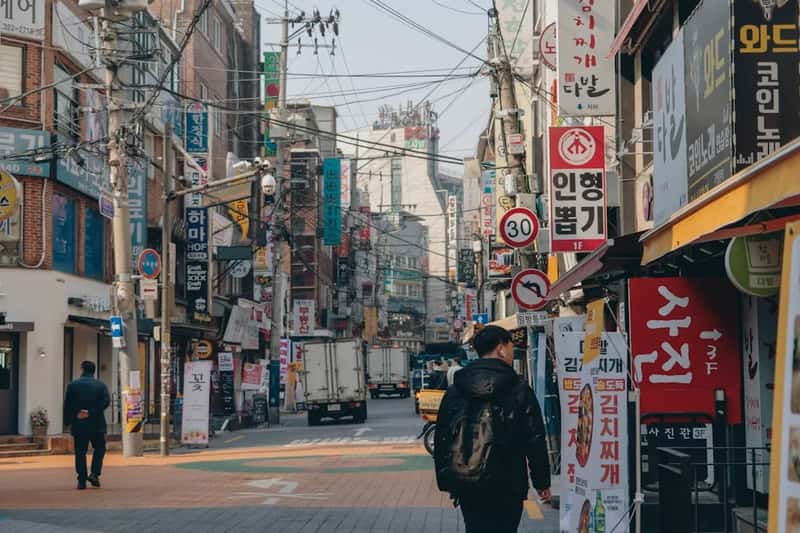
South Korea follows a similar script to its neighbor. Tips are not expected in South Korea, and servers may think you’re being disrespectful to them if you try to leave one. The country’s service culture treats attentiveness as a professional baseline rather than something that needs a financial nudge.
Hotel staff and taxi drivers generally react the same way, sometimes returning change you intended as a gratuity. It’s less about the money itself and more about what the gesture implies, namely that the service wouldn’t have been good enough on its own. Travelers who insist on tipping anyway often find the cash quietly left behind or handed back with a polite refusal.
3. China (Mainland)

Mainland China has traditionally treated tipping as a foreign oddity rather than a courtesy. China, along with Myanmar, Singapore and Taiwan, does not have a strong tipping culture, so leaving extra money at the end of a meal or in a bar is largely deemed unnecessary.[1] At neighborhood restaurants outside major tourist hubs, offering extra cash tends to confuse rather than please.
Service workers might refuse a tip multiple times before you realize they’re serious, since the gesture contradicts values around dignity in labor and can embarrass recipients by implying they need financial assistance. That said, Beijing and Shanghai have absorbed some Western habits in luxury hotels, and tour guides have also adapted to foreign expectations. Outside those specific settings, it’s safest to keep your wallet closed.
4. Switzerland

Switzerland runs on precision, and that extends to how service gets paid for. Bills already include service charges, so additional money is viewed as redundant or insulting.[2] The Swiss take pride in efficiency and professionalism, and tipping implies they need performance-based incentives to do their jobs correctly.
Official tourism guidance backs this up directly. MySwitzerland’s official guidance suggests respecting the existing system shows more cultural awareness than importing foreign customs.[2] Rounding up a bill by a franc or two is fine as a small gesture, but anything beyond that tends to raise eyebrows rather than smiles.
5. New Zealand

New Zealand’s hospitality culture is built around fair pay rather than customer top-ups. Kiwis actively avoid the unequal dynamic that tipping creates, since hospitality workers earn salaries that don’t require customer supplementation. On average, waiters earn around 23 NZD, which is around minimum wage,[3] a figure that removes the financial pressure tipping is meant to solve elsewhere.
Servers in Auckland or Wellington might accept tips from foreigners to avoid awkwardness, but handing someone extra money can seem patronizing, as if you’re rewarding basic competence. Locals rarely tip each other, and the practice still hasn’t caught on outside of a handful of tourist-heavy spots.
6. Singapore

Singapore takes the no-tipping stance a step further than many of its neighbors. Singapore maintains strict rules about tipping, and many high-end establishments actually forbid it, since the country includes service charges in bills, making additional tipping unnecessary and potentially awkward. That built-in fee, usually listed clearly on the receipt, is meant to be the final word on compensation.
Singaporeans pride themselves on efficiency and professionalism without the expectation of extra rewards.[4] Even in taxis, drivers typically expect the metered fare and nothing more. Offering a tip on top of an already-inclusive bill can come across as either confused generosity or an unnecessary display.
7. Iceland

Iceland stands out even among tip-averse Nordic countries. Iceland is the big exception to the Nordic rule of not minding a small gratuity, since it has a firm no-tipping culture, and restaurant staff are well paid. Try tipping your server in Reykjavik, and they might assume you’ve had too much of the local spirits.[2]
Strong labor protections mean hospitality workers earn livable wages without hustling for extras, and fair compensation is treated as a point of national pride. You genuinely won’t find a tip line on most credit card receipts here, which tells you everything about how unnecessary the gesture is considered.
8. Denmark
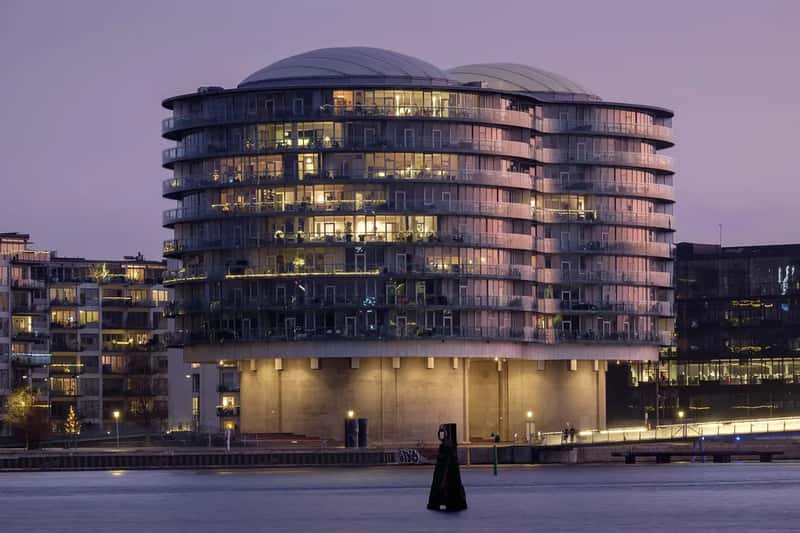
Denmark treats tipping as an unnecessary complication in an otherwise straightforward system. Denmark’s restaurant culture operates on the principle that good service is a professional requirement, bills include everything needed to fairly compensate workers, and tipping creates tension by establishing a hierarchy between server and customer. The country’s approach to wages simply doesn’t leave room for the gratuity model to make sense.
The Danish system ensures that service workers receive fair wages and good benefits without relying on tips to survive, prices already include service charges, and Danes value equality over the uncertainty of tipping. A small amount for truly outstanding service won’t offend anyone, but it’s far from expected.
9. Vietnam

Vietnam’s relationship with tipping is generational as much as cultural. In Vietnam, tipping can sometimes be seen as insulting, especially among older generations,[4] who view it as an unnecessary or even patronizing gesture. Younger workers in tourist-heavy cities like Hanoi and Ho Chi Minh City have grown more accustomed to it, but that comfort isn’t universal.
In smaller towns and among older shop owners, offering money beyond the listed price can feel presumptuous, almost like questioning whether the transaction was fair to begin with. It’s a reminder that within a single country, attitudes can shift sharply depending on age, region, and exposure to international visitors.
10. French Polynesia
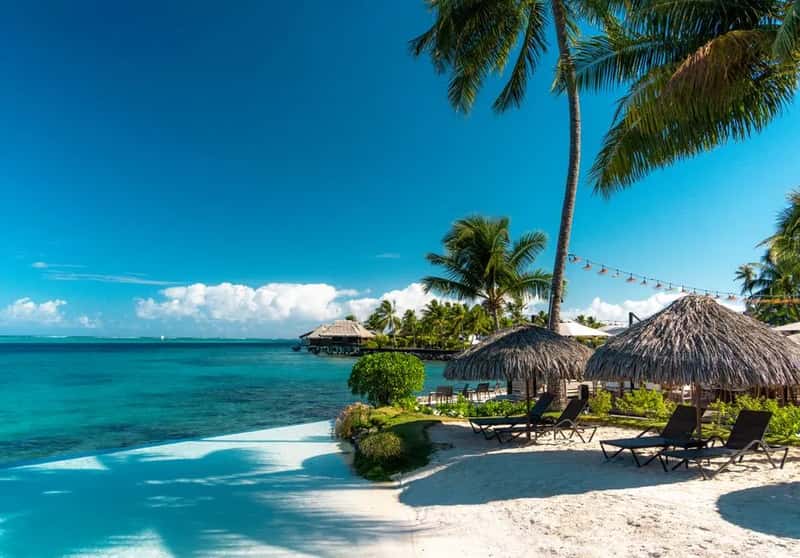
Tahiti and the surrounding islands maintain one of the clearest no-tipping cultures in the Pacific. Tipping isn’t part of the culture in French Polynesia, so it isn’t expected at hotels, bars, restaurants, or for haircuts and other services.[5] The custom simply never took root the way it did in nearby tourist economies.
In some high-tourist areas, like Tahiti, you may see a service charge added to your bill in lieu of a tip,[5] which covers the gap without requiring guests to calculate anything extra. Attempting to tip on top of that charge tends to puzzle staff more than it pleases them.
1. United States
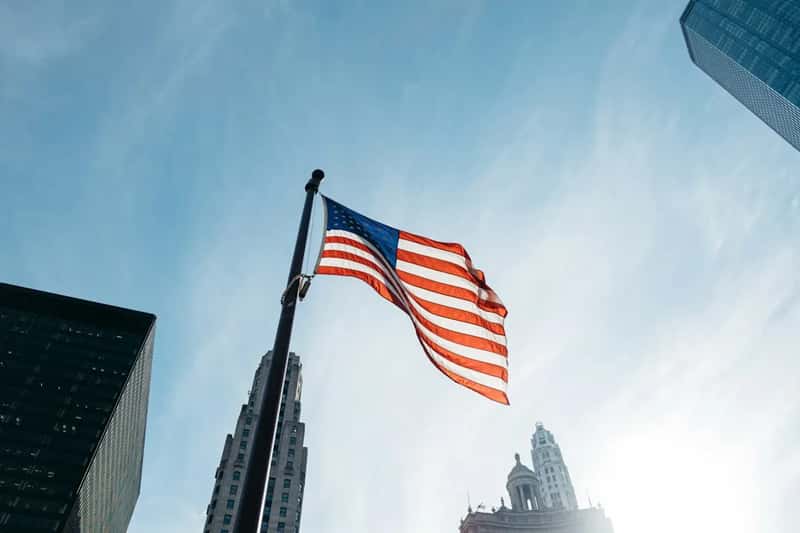
The United States remains the clearest example of tipping as survival income rather than a bonus. Tipping is technically optional but generally expected in full-service restaurants, with a standard range of fifteen to twenty percent of the pre-tax bill, largely because servers’ base pay is legally allowed to sit far below minimum wage, sometimes as low as $2.13 an hour. That wage structure makes the tip functionally part of the paycheck rather than an extra reward.
The political conversation around this system has picked up recently too. In January 2025, the “No Tax on Tips Act” was introduced in Congress, which if passed would amend the Internal Revenue Code to eliminate income tax on qualified tips. Until any such change takes full effect, tipping generously in American restaurants, bars, and taxis remains less a courtesy and more an expectation baked into the economy.
2. Mexico

Mexico’s tipping culture is similarly tied to how little service staff earn without it. Mexico’s restaurant industry runs on a wage structure that makes tips essential rather than optional, with service staff in tourist destinations like Cancun sometimes earning around five to fifteen dollars daily before tips, and the expected percentage hovering between fifteen and twenty percent. Resort towns in particular depend on this system to keep wages livable.
The expectation doesn’t stop at restaurant tables either. Beyond restaurants, the expectation extends to nearly every service interaction a traveler has, with tipping customary between ten and twenty percent at restaurants, higher tips expected at beach resorts, and rounding up taxi fares or tipping hotel staff considered standard practice. Skipping a tip in these settings can genuinely hurt someone’s daily earnings.
3. Canada

Canada mirrors its southern neighbor closely when it comes to gratuities. Canada is among the countries where tipping is customary, usually landing in the fifteen to twenty percent range,[6] much like the United States. Restaurant servers, bartenders, and hairdressers all generally anticipate a tip as part of standard payment.
The reasoning traces back to similar wage structures across much of the service industry, where base pay assumes tips will fill the gap. Visitors who apply European-style rounding instead of a full percentage often get a puzzled look from Canadian servers. It’s one of the easiest places for American travelers to navigate simply because the norms feel so familiar.
4. Brazil

Brazil treats tipping as a firm expectation rather than a nice-to-have. A tip is a standard practice in Brazil, just as in America and Canada, and it’s expected, with standards generally around the ten percent mark. Diners are wise to budget for that extra cost before heading out for a meal.
One convenient quirk makes budgeting a bit easier. Menu prices in Brazil already reflect the cost of sales tax, and it’s up to the diner whether to go above the ten percent baseline. That’s notably lower than the fifteen to twenty percent common in North America, but the expectation itself is just as firm.
5. Egypt

Egypt’s tipping culture, known locally as baksheesh, has centuries of history behind it. The ancient practice of baksheesh has deep historical roots in Egypt, and service workers there universally expect gratuities, generally around ten to fifteen percent in restaurants. The custom extends well beyond dining, touching everything from guides to bathroom attendants.
Tourist hotspots add another layer to consider. In tourist areas like Luxor or Cairo, some establishments add service charges, but additional cash tips remain expected on top of that.[7] Carrying small bills in local currency makes these frequent, modest transactions far less stressful throughout a trip.
6. Turkey

Turkey rounds out the list with a tipping culture that’s customary without being extravagant. Tipping, known as bahşiş, is customary but generally modest compared to America, serving as a way to show appreciation and help ensure better service, with a standard rate of five to ten percent of the total bill. Restaurants, taxis, and hotel staff all typically anticipate something extra.
Tourism-heavy regions have adjusted their expectations slightly given the international crowds they see. Workers in tourist spots are getting used to receiving tips of around ten to fifteen percent from visitors from abroad,[7] a bit higher than what locals typically leave. Either way, walking away without leaving anything is generally considered a minor slight rather than a neutral choice.
Tipping etiquette ultimately comes down to understanding what a gratuity actually represents in each place you visit. In some countries, it fills a wage gap and functions as essential income. In others, fair pay is already built into the price, and offering cash on top can feel like questioning someone’s professionalism rather than praising it. A little research before any trip, even something as simple as checking a country’s typical service-charge practices, goes a long way toward avoiding an awkward exchange at the end of a meal.
The common thread across every destination on this list is respect. Whether that means leaving twenty percent in New York or firmly declining to leave anything in Tokyo, the goal is the same: honoring the local system rather than imposing a foreign one. Travel a little smarter, tip a little more thoughtfully, and the small transactions along the way will feel a lot less stressful.