Ask a Southerner about their travel plans and you might get a rundown that sounds more like a family reunion itinerary than a vacation. There’s a rhythm to how folks from Georgia, Alabama, Louisiana, and the rest of the region approach getting from point A to point B, and it rarely matches the efficient, minimalist travel style you see praised in glossy magazines. Pack a cooler, plan for a church stop, and bring enough snacks to feed a small army, because Southern travel has its own unwritten rulebook.
Outsiders often notice these quirks first and assume they’re jokes or exaggerations. They’re not. These habits are baked into how people in the South think about distance, time, and hospitality on the road.
1. Bringing a cooler even for a two hour drive
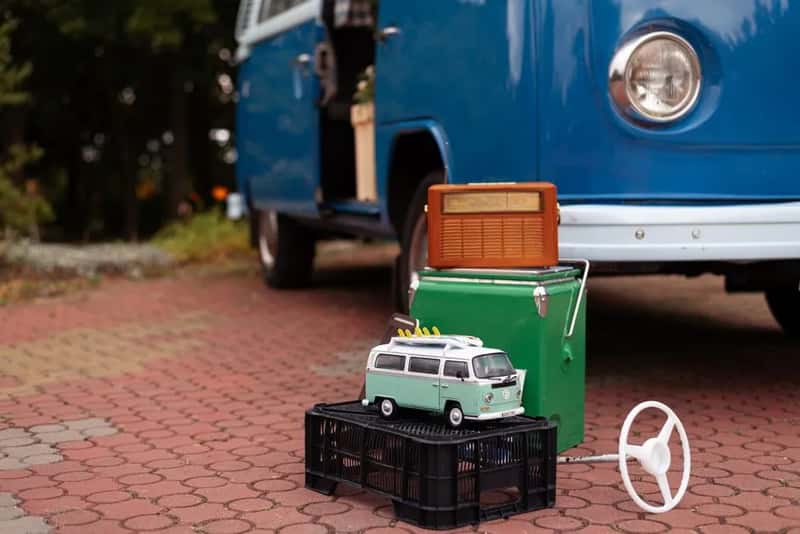
A cooler isn’t optional gear in the South, it’s practically a passenger. Even for a quick trip to visit relatives one county over, someone is loading up sweet tea, boiled peanuts, or leftover fried chicken before anyone touches the car keys. The logic makes sense once you consider the climate and the culture: gas station food is a last resort, not a first choice.
This habit traces back to generations of road trips through rural stretches where restaurants were scarce and the heat made spoiled food a real risk. Even now, with convenience stores on every corner, the cooler tradition persists because eating home cooked food on the road feels like part of the trip itself. People outside the region sometimes find it excessive for short drives, but Southerners see it as basic preparation.
2. Stopping at every relative’s house along the route

A straightforward drive from Atlanta to Nashville can turn into a four stop tour if there’s an aunt in Chattanooga or a cousin near the Tennessee line. Southern road trips often get planned around family geography as much as highway signs. It’s not unusual to add an hour or two just to sit on someone’s porch and catch up before hitting the road again.
This comes from a deeply rooted value placed on family connection and hospitality, where driving past a relative’s exit without stopping can feel almost rude. People from other regions who plan trips by GPS efficiency alone are often baffled by how much detour time gets built in on purpose. For many Southern families, the stops aren’t a distraction from the trip, they’re the whole point.
3. Praying before hitting the road

A quick prayer for travel safety is a common ritual before long drives across the South, whether it’s a formal blessing or just a quiet moment of reflection. This isn’t limited to church trips or big vacations either; it happens before regular commutes to visit family or even short errands during bad weather. Faith and travel are intertwined in a way that feels automatic rather than performative.
The tradition reflects the broader role religion plays in daily Southern life, where church attendance and casual references to faith remain more common than in many other parts of the country. Visitors sometimes find it surprising when a host insists on a moment of prayer before a car ride, especially if they come from more secular backgrounds. For Southerners, it’s simply part of leaving the house safely.
4. Packing enough food for a trip that doesn’t need it
Beyond the cooler, there’s often a separate bag of snacks, homemade biscuits, or a full second meal packed for trips that might last only a few hours. The idea of running out of food, even briefly, seems to trigger genuine concern in many Southern households. It’s common to see enough provisions for a road trip that could feed a group twice the size of the actual travelers.
This habit connects to Southern hospitality traditions where offering food is a way of showing care, even to yourself on a drive. Running “just in case” scenarios through your head about hunger, weather delays, or unexpected stops is part of the planning process. Travelers from other regions who pack light are often stunned by how much food ends up in a Southern trunk.
5. Talking to strangers throughout the entire trip
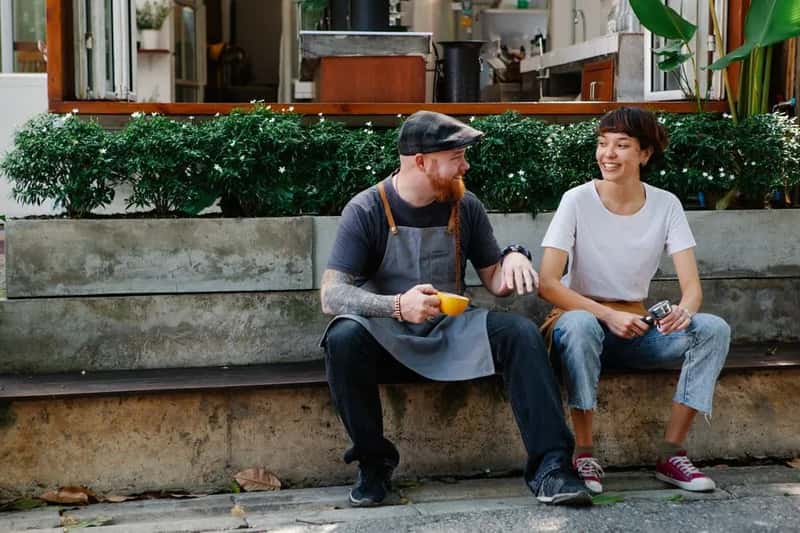
Gas station clerks, hotel front desk staff, and fellow travelers waiting at a rest stop all become potential conversation partners in the South. It’s not unusual for a five minute pit stop to turn into a fifteen minute chat about weather, sports, or where everyone is headed. This isn’t seen as intrusive locally, it’s simply how people pass time and connect.
Southern hospitality extends naturally to strangers on the road, a cultural trait often noted in surveys and studies about regional friendliness across the United States. Visitors from faster paced regions sometimes find this level of casual conversation surprising or even a bit much when they’re just trying to grab coffee and go. For Southerners, though, a little small talk is part of what makes travel pleasant rather than purely transactional.
6. Planning routes around specific restaurants instead of distance
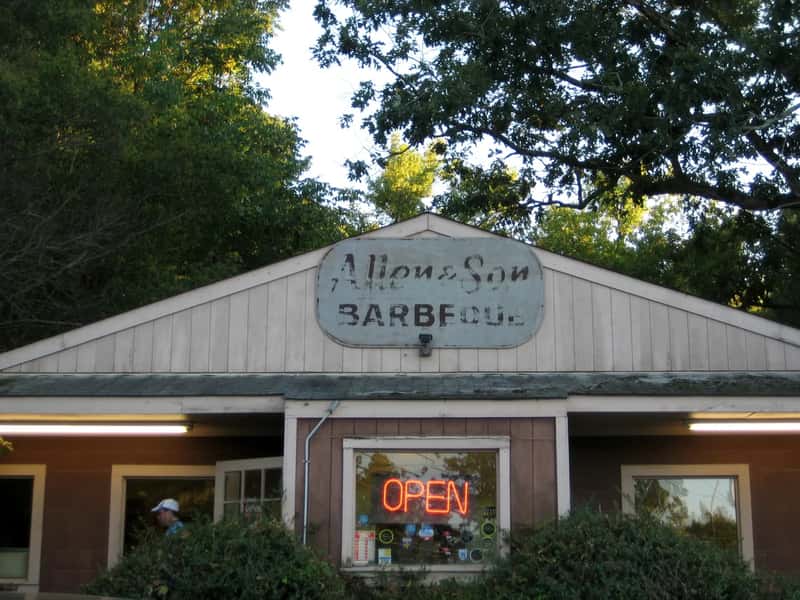
Southern road trip routes are often built backward from where to eat rather than the fastest highway path. A slightly longer drive is worth it if it means passing through a town with a legendary barbecue joint or a specific diner someone’s been talking about for years. Food isn’t just fuel on these trips, it’s practically the destination.
This reflects a broader Southern food culture where regional specialties like Texas barbecue, Louisiana gumbo, or Carolina style barbecue carry serious weight in everyday conversation and travel planning. Locals will happily add thirty minutes to a drive for the right meal, while travelers from other parts of the country often prioritize the shortest route over culinary detours. The debate over which barbecue style reigns supreme alone can shape an entire trip itinerary.
7. Bringing extra blankets and pillows for a day trip

Even trips with no overnight stay planned often come loaded with blankets, pillows, and sometimes a spare set of clothes. The reasoning ranges from unpredictable weather to breakdowns to simply wanting comfort during a long car ride. It’s less about expecting disaster and more about being ready for anything.
This preparedness mindset is common across rural and small town America, but it shows up especially strongly in Southern travel habits shaped by long distances between towns and occasional severe weather like sudden thunderstorms or ice on the roads. Outsiders sometimes assume this level of packing means something’s wrong, when really it’s just standard practice. A blanket in the trunk is viewed as common sense, not overpacking.
8. Waving at other drivers as a form of greeting
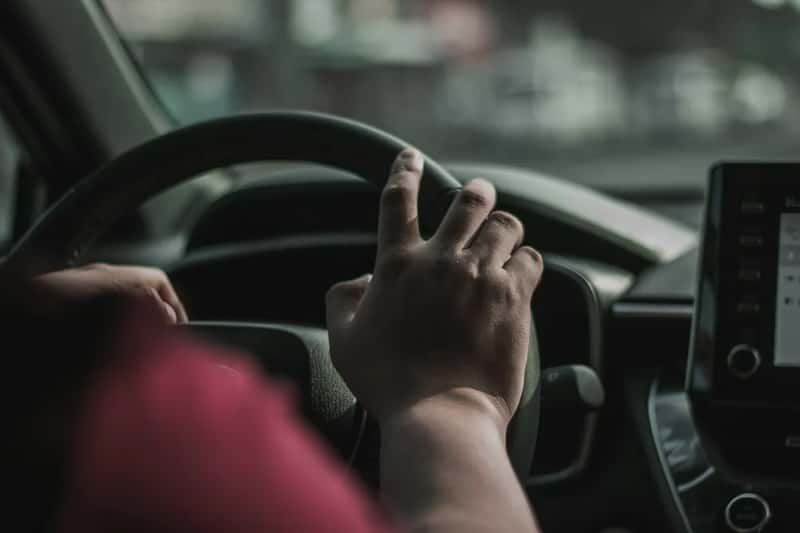
A simple two finger wave off the steering wheel is a common courtesy on rural Southern roads, extended to fellow drivers whether they’re known or complete strangers. It happens on backroads, in small towns, and sometimes even in slower moving traffic. This isn’t performative friendliness, it’s just an ingrained habit passed down through generations.
The gesture is tied to a broader Southern driving culture that values courtesy and acknowledgment, even in brief passing moments between vehicles. Drivers from bigger cities or other regions often notice this wave and aren’t sure how to respond, sometimes mistaking it for a warning or a signal about something wrong with their car. In the South, it’s simply a low key way of saying hello on the road.
9. Timing trips around church schedules
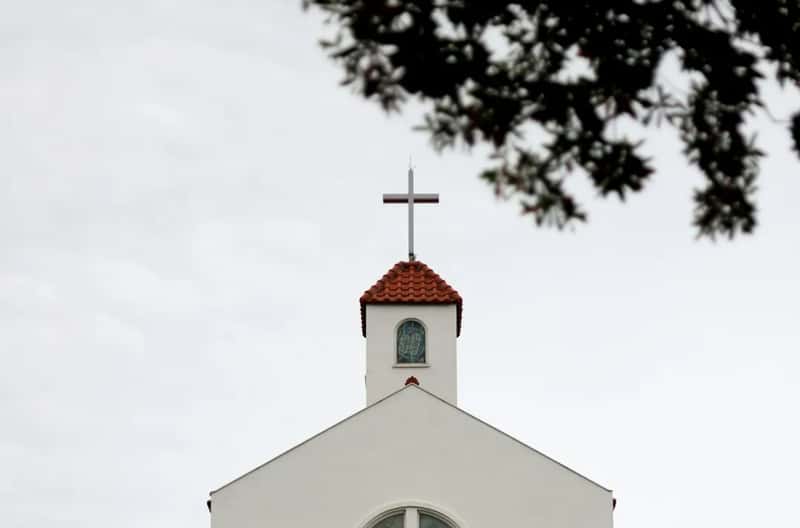
Sunday travel plans in many Southern communities are built around church service times rather than typical weekend schedules seen elsewhere. Families might delay leaving until after morning service or plan a stop at a specific church along the route if they’re traveling on a Sunday. This isn’t just about religious obligation, it’s also about maintaining routine even while away from home.
Church attendance rates remain notably higher in Southern states compared to national averages, according to various surveys tracking religious practice across U.S. regions. This cultural pattern means road trip planning apps showing the fastest route sometimes get overridden by a detour to a familiar congregation. Visitors unfamiliar with this rhythm are often confused when a Sunday morning departure gets pushed back for church first.
10. Giving directions using landmarks instead of street names
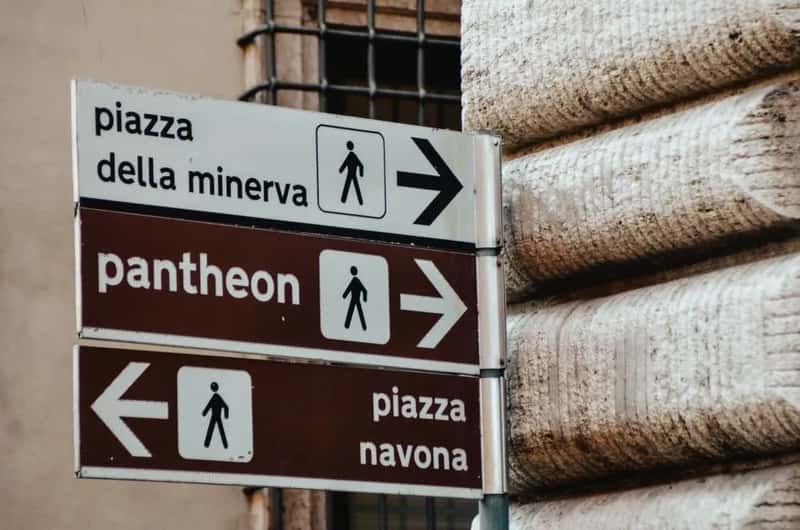
Ask someone in the rural South for directions and you’re more likely to hear about turning left at the old gas station or right where the Baptist church used to be than any actual street name. GPS coordinates take a backseat to memory based landmarks that locals have used for decades. It works fine if you know the area, but it can leave visitors completely lost.
This directional style comes from small towns where street signs are sparse or roads have changed names over the years, while landmarks like churches, water towers, or long closed businesses remain fixed points of reference. Locals rely on this shared knowledge without a second thought, assuming everyone knows what they’re talking about. Out of towners following these directions often end up circling the same block wondering where exactly the “old gas station” went.
These habits aren’t quirks meant for laughs, they’re the product of geography, faith, food culture, and generations of hospitality shaping how people move through the world. Understanding them makes traveling with or visiting Southern family feel a lot less puzzling and a lot more like being let in on a shared tradition.