Imagine celebrating your hundredth birthday surrounded by family, knowing that many of your peers might well be doing the same. This once rare milestone is becoming increasingly common in certain parts of the world. While longevity gains have slowed in many wealthy nations, some countries are experiencing extraordinary improvements in how long their citizens can expect to live.
These remarkable success stories aren’t necessarily coming from the places you might expect. The nations experiencing the fastest jumps in life expectancy are often those that started from much lower baselines, propelled forward by dramatic improvements in healthcare access, economic development, and public health initiatives. Let’s explore which countries are leading this charge.
1. Laos

Laos experienced the most substantial gains in life expectancy between 1990 and 2019, with an increase of 16.3 years among females and 15.8 years among males. This represents one of the most dramatic improvements globally during this period. Life expectancy at birth rose to 66 years by 2015, with malaria deaths and tuberculosis prevalence plunging, and the maternal mortality ratio declining by 75 percent. The gains could be mainly explained by reductions in mortality from communicable diseases and maternal-neonatal disorders across younger age groups, as well as reductions in mortality from cardiovascular diseases at ages 45 to 84 years. Despite remaining challenges in healthcare infrastructure, especially in rural areas, the trajectory shows what’s possible when a nation prioritizes public health improvements.
2. Ethiopia

Ethiopia saw life expectancy increase from 45 years in 1990 to 64 years in 2012, representing a 19-year gain in just over two decades. More recently, Ethiopia’s life expectancy reached 68.12 years in 2024, a 1.2% increase from 2023. The country’s transformation has been driven by successful efforts to combat infectious diseases, improved childhood vaccination programs, and better access to healthcare services across rural communities. Think about what it means for a nation to add nearly two decades to the average lifespan in a single generation. That’s children who might have lost parents early now growing up with grandparents present.
3. Cambodia

Cambodia’s story is particularly compelling given its tragic history. The country saw life expectancy jump from 54 years in 1990 to 72 years in 2012, an 18-year improvement. By 2024, Cambodia’s life expectancy reached 70.74 years. A health reform in the 1990s successfully improved population health, with mortality rates significantly dropping and life expectancy in 2010 showing a 1.6-fold increase from 1980. The creation of health equity funds that provide free healthcare to millions of poor people has been instrumental in this transformation.
4. Rwanda
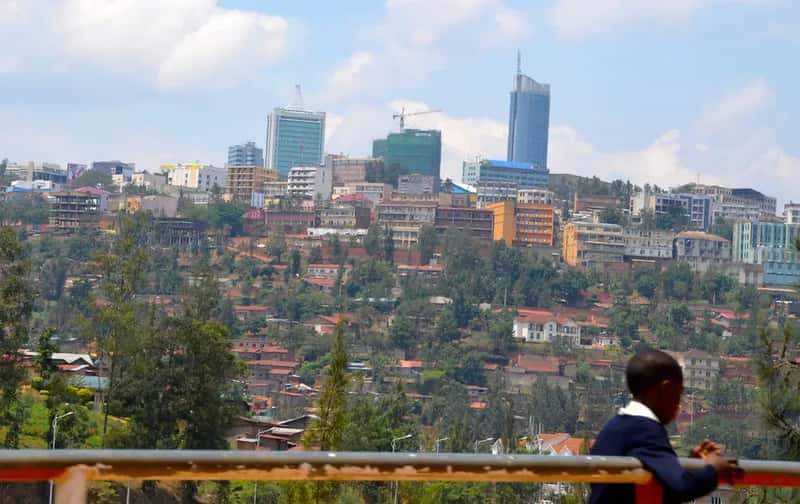
Rwanda’s life expectancy increased from 48 years in 1990 to 65 years in 2012, a remarkable 17-year gain following the devastation of the 1994 genocide. By 2022, Rwanda’s life expectancy increased to 69.6 years, putting the country among the first nine African countries with highest life expectancy. The increase can be attributed to increased access to health services and initiatives that promote wellbeing. Rwanda’s recovery demonstrates how focused healthcare investments and good governance can reverse even the most catastrophic setbacks to population health.
5. Liberia

Liberia achieved the largest absolute increase in life expectancy among all countries, with a 20-year increase from 42 years in 1990 to 62 years in 2012. This extraordinary gain occurred despite the country experiencing two devastating civil wars during the 1990s and early 2000s. The recovery has been fueled by international aid, reconstruction of health infrastructure, and concerted efforts to address infectious diseases. Honestly, it’s hard to overstate what a 20-year jump means for a population that endured such trauma.
6. Maldives

The Maldives experienced a 19-year increase in life expectancy, rising from 58 years in 1990 to 77 years in 2012. This tropical island nation transformed its health outcomes through significant investments in healthcare infrastructure, improved nutrition, and better sanitation. The Maldives now ranks among countries with life expectancy approaching that of developed nations, showing that small island states can achieve remarkable health outcomes with proper resource allocation and planning.
7. Vietnam

Vietnam has experienced a significant increase of life expectancy, with 21 years gained over the past 50 years. In 2024, the average life expectancy for women reached 77.3 years, compared with 72.3 years for men. The successful efforts in combating communicable diseases have been the main reason for the observed increase in life expectancy. Vietnam’s economic transformation from a low-income to middle-income country has enabled expanded healthcare coverage and improved living standards that directly impact longevity.
8. Bangladesh
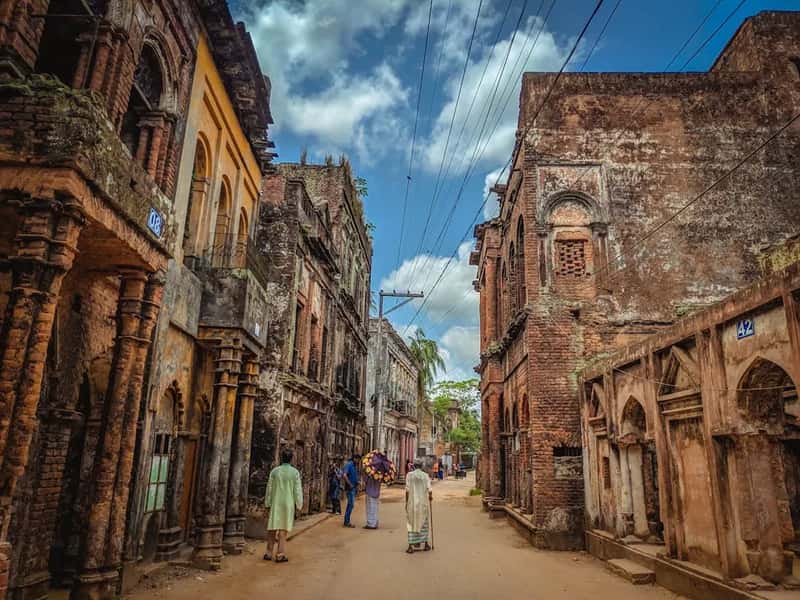
Bangladesh registered an astonishing rise in life expectancy from 52 to 64 years between 2000 and 2024. This has been mainly brought about by increases in the survival rates of children from 0 to 5 years old and by greater accessibility to anti-retroviral treatments for HIV/AIDS. The country’s focus on maternal and child health, along with widespread vaccination campaigns and community health workers reaching even the most remote areas, has paid remarkable dividends. Bangladesh proves that progress doesn’t require massive wealth, just smart prioritization of health interventions.
9. Timor-Leste

Timor-Leste saw life expectancy increase by 16 years, from 50 years in 1990 to 66 years in 2012. This young nation, which only gained independence in 2002, has made health a central priority despite limited resources and ongoing development challenges. The gains reflect improved access to basic healthcare services, better nutrition, and international support for health programs. For a country that spent decades under occupation and conflict, these improvements signal a hopeful future.
10. China

China presented substantial increases in life expectancy, with females gaining 10.6 years and males gaining 8.9 years between 1990 and 2019. The gains were driven by reductions in childhood mortality from communicable diseases and maternal-neonatal disorders, as well as declines in mortality from cardiovascular diseases, chronic respiratory diseases, and cancers in the 45 to 84 age groups. China’s massive investments in healthcare infrastructure, universal health coverage expansion, and pollution control measures have contributed to these improvements across its enormous population of over 1.4 billion people.
11. South Korea

South Korea observed the largest gains in life expectancy among high-income countries, with females gaining 10.3 years and males gaining 12.4 years between 1990 and 2019. The particularly dramatic improvement for men reflects successful anti-smoking campaigns and better cardiovascular disease management. South Korea’s transformation from a war-torn nation in the 1950s to one of the world’s healthiest countries today represents one of the most remarkable public health achievements of the modern era. The country now rivals Japan and Hong Kong for longevity despite having much lower life expectancy just decades ago.
Conclusion

The remarkable gains in life expectancy across these eleven countries tell us something important about human progress. For almost every country and region, life expectancy has improved since 2022 to the levels seen prior to the COVID-19 pandemic. These success stories demonstrate that dramatic improvements in longevity are possible even in countries facing significant economic and infrastructure challenges. The common threads include investments in healthcare access, reductions in child mortality, control of infectious diseases, and improved living standards. Yet as these nations extend lifespans, they now face new challenges from rising non-communicable diseases like diabetes and heart disease. What’s your take on this global health transformation?