Picture yourself deep in pristine wilderness. You’ve hiked miles to reach this breathtaking vista. You’re exhausted, hungry, and maybe tempted to cut a corner or two on the rules. Here’s the thing: protected areas aren’t just pretty postcard backgrounds. They’re carefully managed ecosystems with regulations that might surprise even experienced outdoor enthusiasts. Some violations carry fines reaching thousands of dollars or even jail time.
Let’s be real. Most backpackers aren’t intentional criminals. They simply don’t know the rules. What seems harmless in the moment can trigger serious consequences for both the environment and your wallet. What follows might change how you plan your next backcountry adventure.
Camping Outside Designated Areas
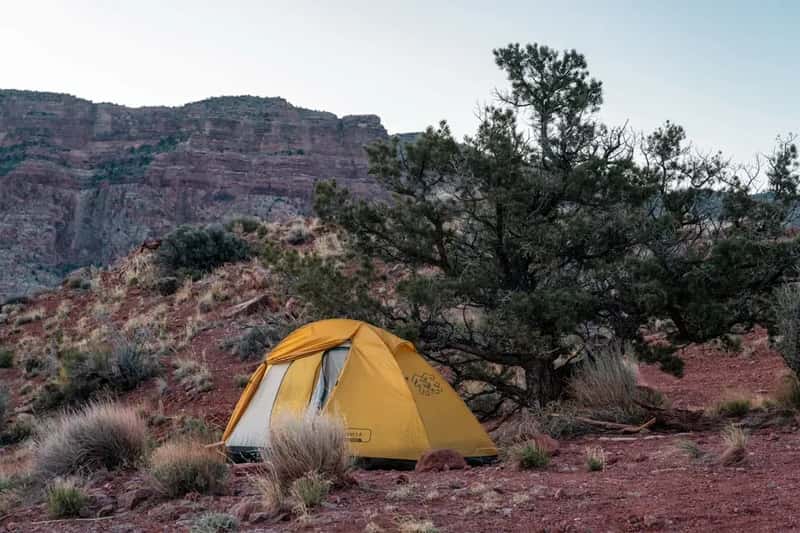
Setting up your tent too close to water sources or trails is actually prohibited in many protected areas, with camping banned within 150 feet of roads, trails, streams, ponds or other bodies of water. Camping outside designated areas can lead to dangerous situations from unstable terrain or unplanned wildlife encounters, and impacts park resources beyond just your immediate footprint. Think you’re being discreet when you pitch your tent in that perfect meadow? Park rangers can spot these violations easier than you’d imagine. Penalties escalate stepwise, with initial violations triggering fines, and multiple citations potentially resulting in orders barring access for 30 days, with violations of those orders constituting criminal trespass punishable by up to 30 days in prison and a $1,250 fine.
Feeding Wildlife

Feeding wildlife is irresponsible, dangerous and illegal, with the maximum penalty reaching a $5,000 fine and up to one year in jail. That adorable chipmunk begging for your granola? Bears that obtain human food may lose their natural fear of humans and become dependent on human food, and as a result they may become aggressive toward people and have to be killed. About 339 negative human-bear encounters are reported annually in Great Smoky Mountains National Park alone. Those caught feeding wildlife get slapped with a $300 fine for breaking federal law. Honestly, it’s hard to comprehend why anyone would risk creating a situation where an animal needs to be euthanized just for a cute photo.
Flying Drones Without Permission
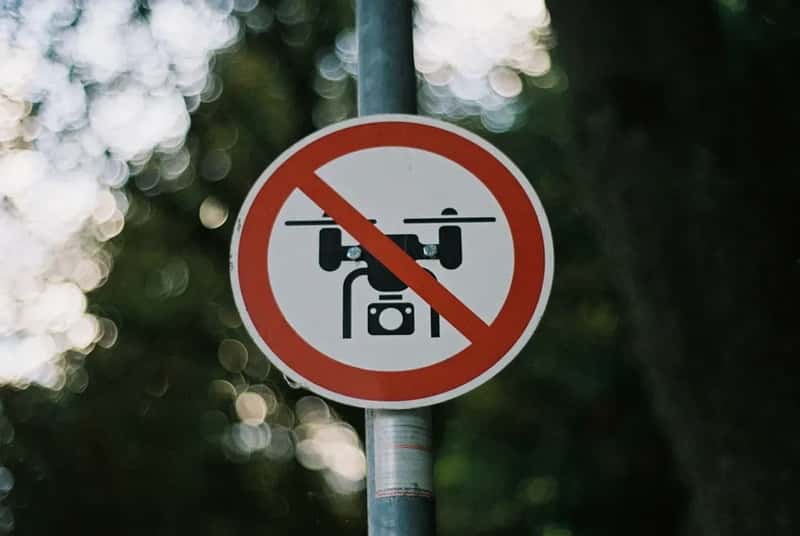
Violation of the drone ban is a misdemeanor with the maximum penalty of six months in jail and a $5,000 fine. Drones are banned in National Parks but generally allowed in National Forests with restrictions, and National Forests prohibit drones in Wilderness Areas and during certain events. The restrictions exist for valid reasons. In 2021, a drone flew over the protected area of the Bolsa Chica Ecological Reserve when it was filled with nesting terns, and in a panic many of the birds fled, abandoning over 1,500 eggs in the process. Drone use has resulted in noise and nuisance complaints from park visitors, park visitor safety concerns, and incidents in which park wildlife were harassed. Drones may be prohibited at many parks, and it’s recommended to check before you go rather than contact other land management agencies directly.
Building Unauthorized Campfires
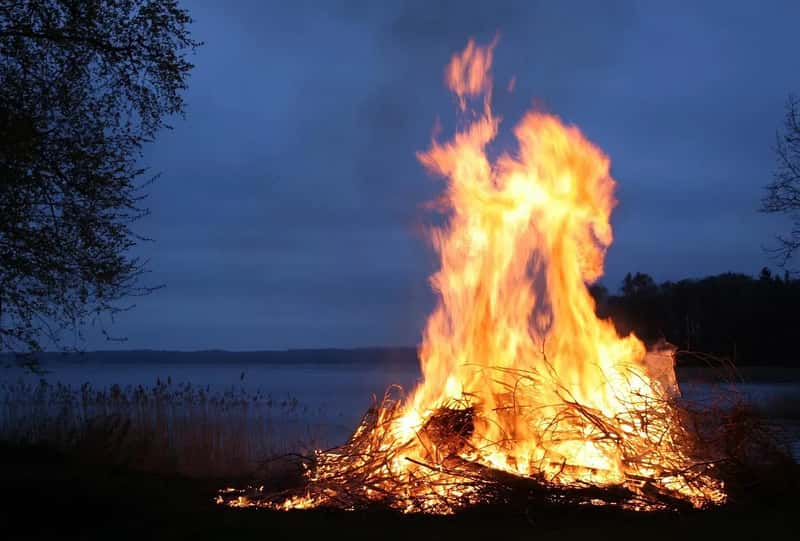
Fire restrictions change constantly based on conditions, and violations carry steep penalties. A violation of fire prohibitions is punishable by a fine of not more than $5,000 for an individual or $10,000 for an organization, or imprisonment for not more than six months, or both. Deepening drought conditions have led officials to ban campfires in northern Minnesota’s Boundary Waters Canoe Area Wilderness, while similar restrictions popped up across numerous parks throughout 2024. Beginning July 26, 2024, all campfires including charcoal were prohibited in Olympic National Park and Olympic National Forest, with the ban applying to anything that produces ash including coastal areas. You could be fined up to $5,000 individually or $10,000 for an organization and imprisoned up to 6 months for violating restrictions and closures, and you can be held liable for all suppression costs and damages if you start a fire.
Taking Natural Objects or Artifacts

Removing plants, rocks, fossils or artifacts from state land without a permit is illegal. That cool-looking rock or interesting piece of petrified wood isn’t a souvenir; it’s protected federal property. Taking anything from a national park, even a seemingly insignificant rock or fossil, is strictly prohibited, and isn’t just about a fine but about the fundamental integrity of the park’s natural and cultural history, with rules backed by laws like the Antiquities Act and the Paleontological Resources Preservation Act. Anyone found guilty of violating provisions for protection of animals, birds, fish or property preservation shall be deemed guilty of a misdemeanor and subjected to a fine of not more than $500 or imprisonment not exceeding six months, or both. Every single pebble you pocket diminishes the experience for future visitors.
Staying Beyond Permitted Time Limits
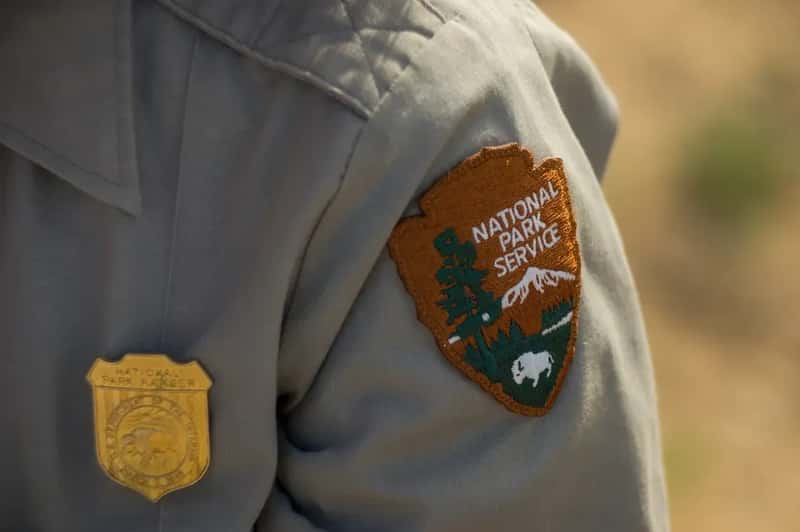
No person shall camp, stay overnight or maintain any tent, camper, shelter, trailer or other camping unit on public lands for more than fourteen days in any 45 day period without prior written permission. Overstaying might seem victimless, but it prevents other visitors from accessing these spaces. Groups of 10 or more persons or stays of more than three days in one place require a permit from the New York State Forest Ranger responsible for the area. Park management tracks permits carefully. Getting caught overstaying can result in citations, fines, and even confiscation of camping equipment. Any boat, tent, shelter or other personal property left unattended on public land for more than three consecutive days without prior written authorization shall be deemed abandoned, and personal property shall be deemed unattended unless actually personally used.
Cutting Live Trees or Vegetation
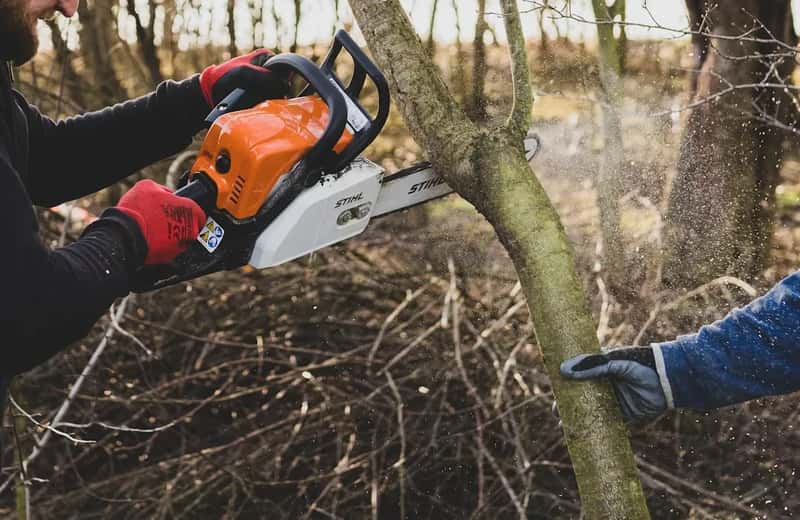
Cutting standing trees is prohibited, and only dead and down wood may be used for fires. I’ve seen backpackers hack at live branches to make tent stakes or firewood, completely oblivious to the damage they’re causing. Dead and down wood only may be used for campfires, and no living trees shall be cut without prior written permission from the Bureau. Damaging means to injure, mutilate, deface, destroy, cut, chop, girdle, dig, excavate, kill, or in anyway harm or disturb. Even carving initials into tree bark constitutes vandalism. A violation of these regulations is subject to a penalty of not more than $5,000 or 6 months imprisonment, or both.
Hiking Without Required Permits
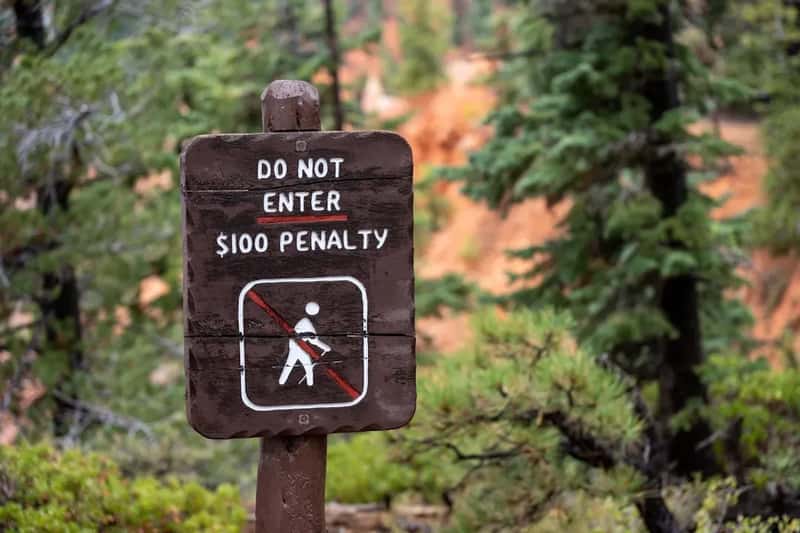
Videos and photos have surfaced showing visitors to Yosemite National Park engaging in dangerous and illegal behaviors including climbing Half Dome’s cables without permits. Crowded campsites, unpermitted hiking, and illegal sport is running rampant in some national parks. Popular trails now require advance reservations to manage visitor impact. Permits are required to attempt Angels Landing at Zion National Park. Simply showing up without doing your homework can result in being turned away after driving hours to reach the trailhead. Some permit systems operate on lottery systems months in advance. Rangers actively check permits on popular routes, and hiking without one when required isn’t just inconsiderate to other hikers who followed the rules – it’s illegal.
Improperly Storing Food
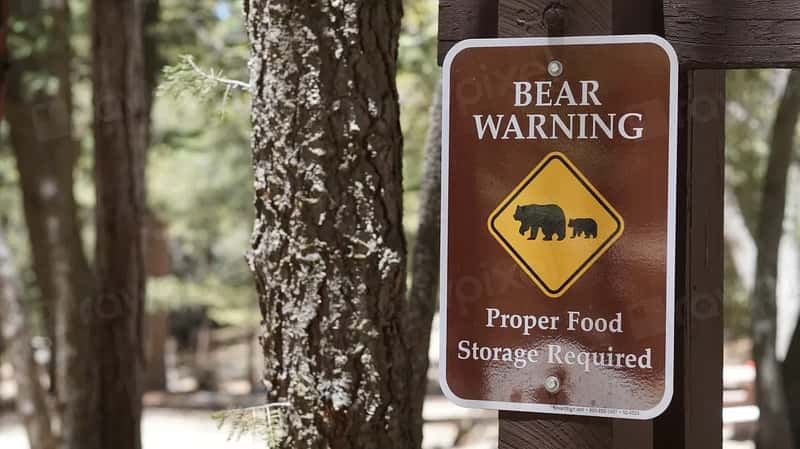
The proper storage of food items and responsible picnicking are vitally important in bear country, and visitors should store food and scented items in bear-resistant food lockers located throughout parks or in hard-sided vehicles. Leaving your pack unattended with food inside or hanging a bear bag incorrectly creates genuine hazards. Feeding of wild animals in state park campgrounds perpetuates habitat degradation, can lead to unnatural and unhealthy increases in animal population levels, and increases the possibility of disease transmission and humans or pets being injured or killed by wildlife. In some cases, feeding a bear can result in euthanasia of the animal, with officials in Yellowstone having to trap and kill an 11-year-old male grizzly in May after the animal became conditioned to human food and began overturning bear-resistant dumpsters and trash cans. Proper food storage isn’t optional – it’s a legal requirement with serious consequences.
Entering Closed or Restricted Areas
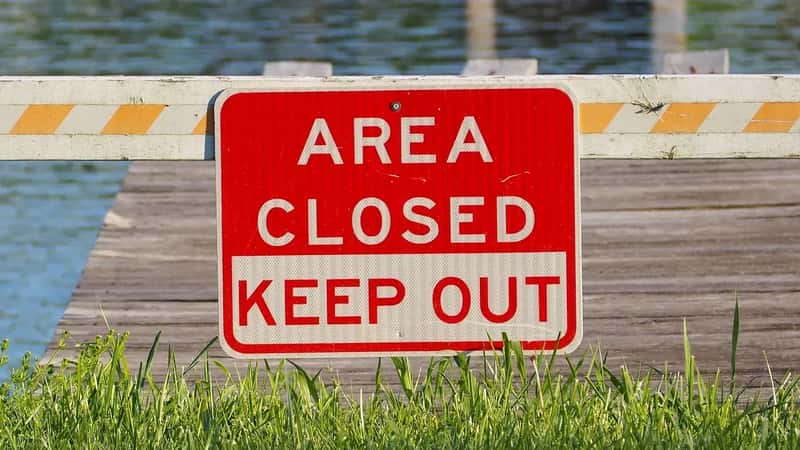
During periods determined critical for forest fire danger or other conditions, any portion of public lands may be closed at the discretion of authorities, and no person shall enter or remain in closed areas except authorized agents, law enforcement personnel in the line of duty and others authorized in writing. Those closure signs aren’t suggestions. They’re legal orders backed by enforcement. Entering restricted areas can lead to potentially dangerous situations whether from unstable terrain or unplanned wildlife encounters. Areas get closed for wildlife breeding seasons, wildfire risk, avalanche danger, or resource protection. During the government shutdown in October 2025, visitors engaged in dangerous and illegal behaviors at Yosemite, with BASE jumping from El Capitan and illegal climbs up Half Dome’s cables, behaviors that aren’t new but were happening since the 1960s. Trespassing in closed areas shows profound disrespect for both the environment and fellow outdoor enthusiasts.
Harassing or Disturbing Wildlife
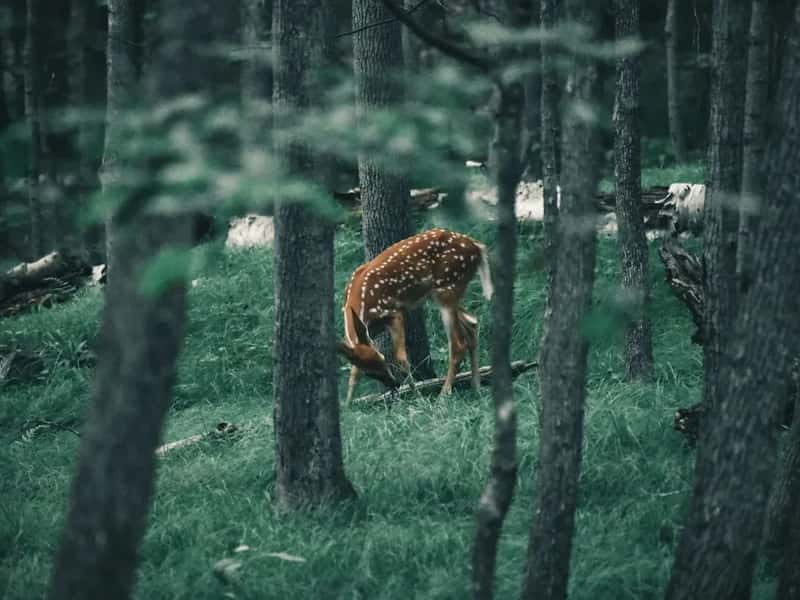
Coming within 150 feet of bears can result in fines and arrest. If an uncrewed aircraft pursues or harasses wildlife or creates intentional disturbance of wildlife nesting, breeding or other activities, the user could be cited for a violation. Flying over or near wildlife can create stress that may cause significant harm and even death, and intentional disturbance of animals during breeding, nesting, rearing of young or other critical life history functions is not allowed unless approved as research or management. A drone was seen separating several juvenile bighorn sheep from adults in the herd at Zion National Park in May 2014. Getting too close for that perfect Instagram shot isn’t just rude – it’s literally a federal crime. Wildlife disturbance during critical periods like breeding season can have devastating population-level effects that last for years.
These regulations might feel restrictive. Yet they exist to preserve these incredible places for everyone. Nearly 25% of the Park Service’s permanent staff has been lost since January 2025, leaving many parks without enough personnel to ensure visitor safety or respond quickly to emergencies. With enforcement stretched thin, personal responsibility matters more than ever. What’s your take on these rules? Have you witnessed violations during your backcountry travels?