Friendliness is hard to measure. Most rankings lean on surveys, whether of travelers who have visited, expats who settled in, or residents answering personality questions. None of them is perfect, and the scores often sit within a point or two of each other.
Still, the same names keep turning up in 2025 and 2026 results, and that repetition says something. What follows draws on those rankings and notes where each one has limits.
Kenya
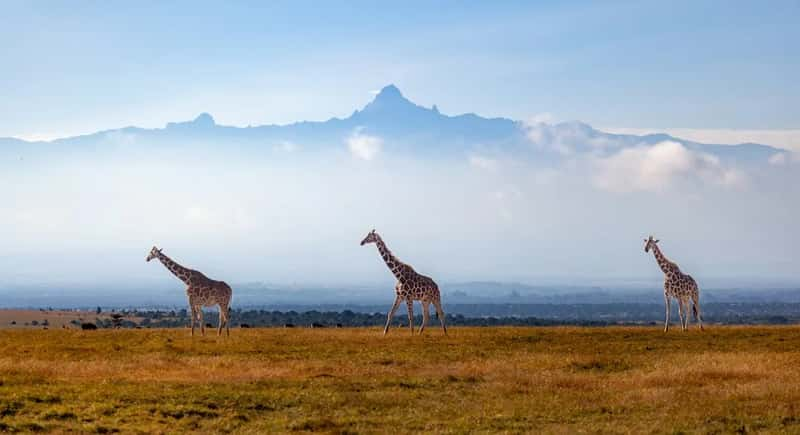
Kenya was named the world’s friendliest country in the 2025 Condé Nast Traveller Readers’ Choice Awards.[1] The vote came from people who had actually visited. Readers pointed to attentive guides, lively urban scenes and welcoming coastal resorts as the sources of that hospitality.[1]
The margin was slim, though. All ten top countries scored above 96, with only about two percentage points between first and last.[2] Kenya’s lead is real, but it’s a narrow one.
Barbados
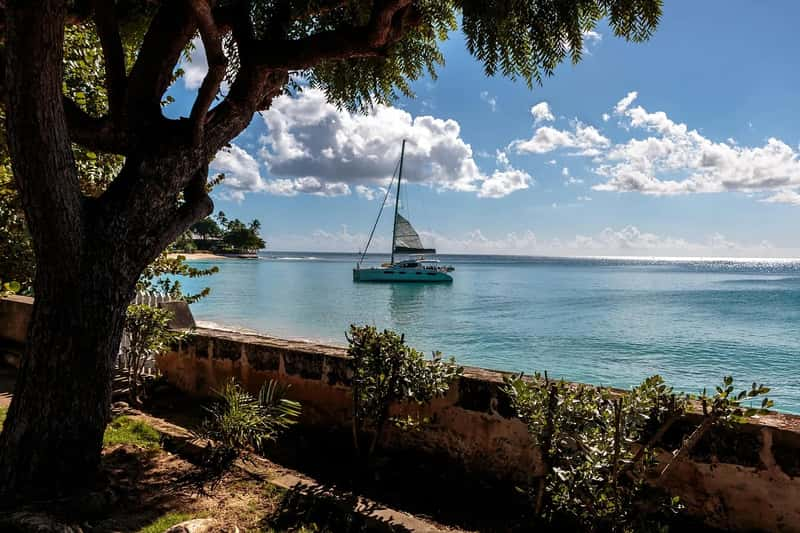
Barbados ranked second, praised for a cultural life shaped by Afro-Caribbean and British legacies.[2] Readers singled out events like the Crop Over festival and a tradition of conviviality as reasons the island feels so welcoming.[2]
It’s a small island, so visitors tend to bump into local life quickly. The island’s tourism ministry even lists the warmth of Barbadians as one of its official core strengths.[3] That’s a fairly rare thing for a government to say about its own people.
Mexico

Mexico placed third in the 2025 Condé Nast Traveller poll, just behind Kenya and Barbados.[1] Expats agree with travelers here. It topped InterNations’ 2025 Ease of Settling In Index and ranked first for Culture and Welcome.[4]
That survey covers foreign residents rather than short stay tourists, so it’s supporting evidence, not proof. There’s also a local tension worth knowing about. Mexico City has seen a surge in tourism that drove up rents and led to gentrification, pushing out longtime residents.[5]
Costa Rica

A roundup published in October 2026 and attributed to Condé Nast Traveler put Costa Rica in the top position with a score of 98.67.[6] I’d treat that as a recent reading, not a settled verdict. Rankings shift year to year.
The country’s calling card is a phrase most visitors learn on day one. Pura vida reflects a positive outlook on life and a culture that encourages visitors to embrace every moment.[6] Whether that’s marketing or habit, travelers keep reporting it.
Bhutan

Bhutan scored 97.78, making it the friendliest country in Asia in the 2025 Condé Nast Traveller poll.[7] It measures progress with a Gross National Happiness index rather than purely economic indicators, and it’s committed to sustainable development.[7]
Its approach to tourism is deliberate rather than accidental. The country has built its tourism model around people rather than volume.[1] That helps explain why visitors rarely describe it as crowded or strained.
Cambodia
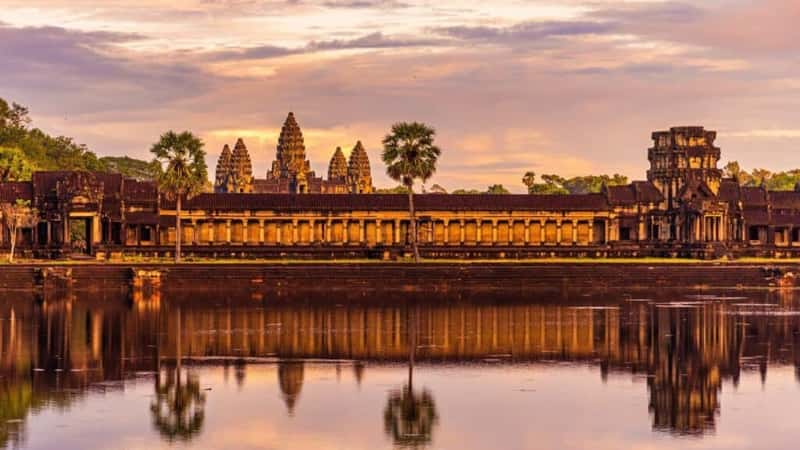
Cambodia ranked fifth in the 2025 Readers’ Choice Awards, with a score of 97.33.[8] Condé Nast Traveller attributes the warmth to the Theravada Buddhist faith practised there.[7]
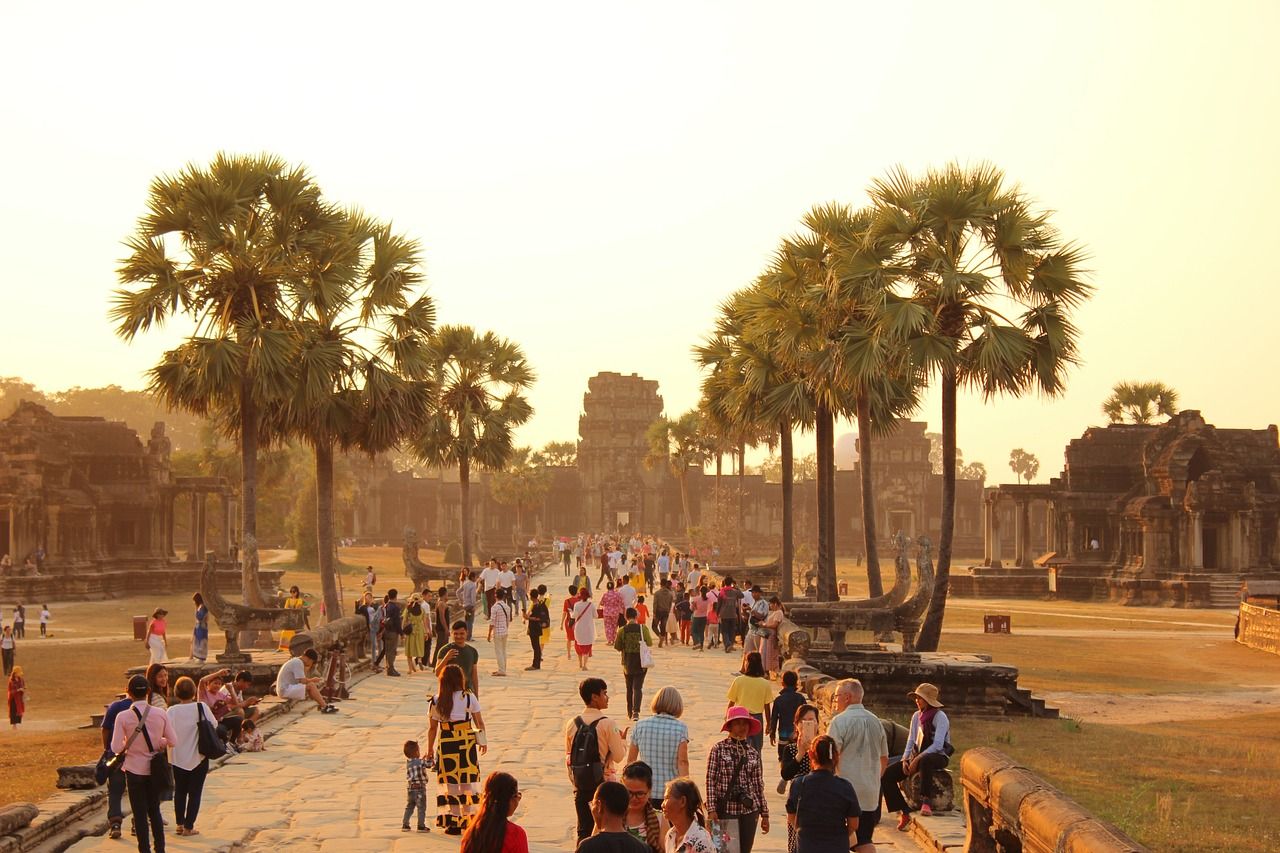
Readers cited rural homestay traditions and the graceful welcome at sites such as Angkor.[2] Those two details point to different kinds of hospitality. One is personal and domestic, the other is shaped by the daily rhythm of a major attraction.
Vietnam

Vietnam made the 2025 Condé Nast top ten for friendliest countries.[9] The Time Out Asia write up lists it at number six.[7] Expats seem to agree: it came tenth in InterNations’ 2026 ranking.[10]
Travel interest has followed the goodwill. Travellers have been flocking to underrated beaches in Phu Quoc and Da Nang, as well as tranquil towns like Hue.[7] Smaller stops like these tend to give visitors the most direct contact with locals.
Thailand
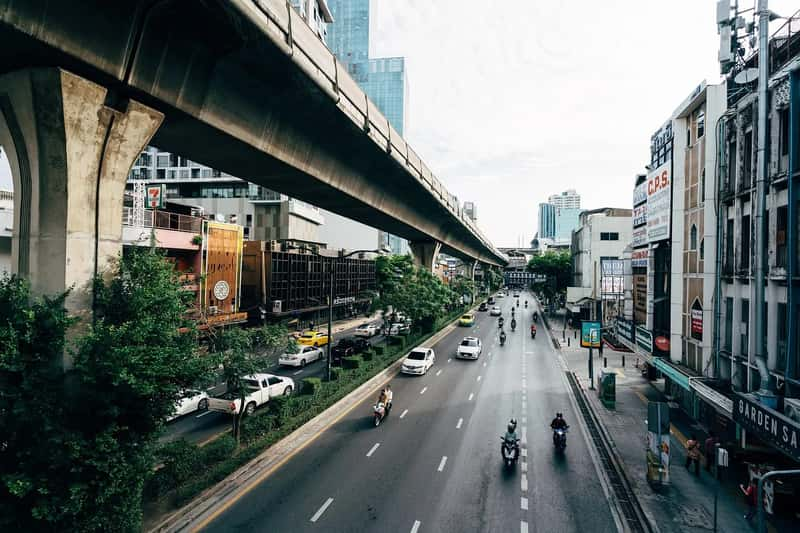
Thailand shows up on two different lists. It was in the 2025 Condé Nast Traveler top ten for friendliest countries.[9] It also placed eighth in InterNations’ 2026 expat ranking.[10]
City travelers seem to feel it too. Rough Guides readers placed Bangkok second on their list of the world’s friendliest cities.[4] The consistency across audiences, travelers and residents alike, is what makes Thailand’s case sturdier than a single score.
Indonesia
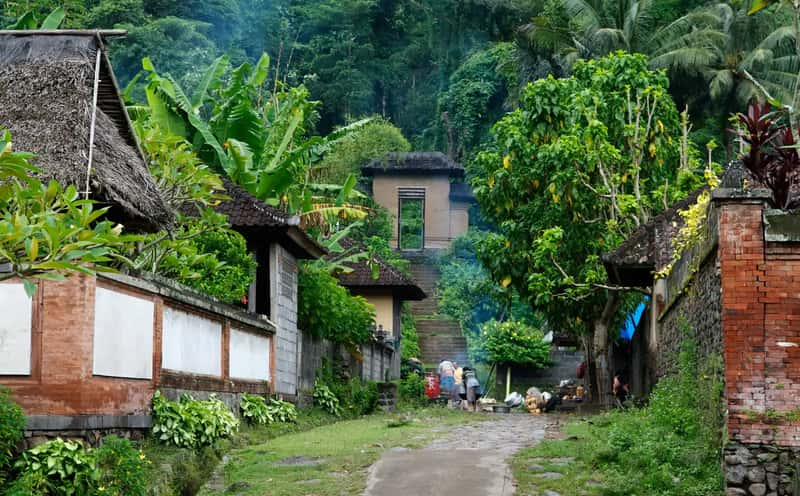
Indonesia is the friendliest country of 2026 according to InterNations’ expat survey, The Ease of Settling In Index.[10] The index combines three subcategories: Finding Friends, Culture and Welcome, and Local Friendliness.[10] So it measures more than politeness at a hotel desk.
The country is also enormously varied. With over 300 ethnic groups and hundreds of regional languages, warmth remains the common thread.[11] Travelers meet welcoming communities in Bali, traditional villages in Java and the natural wonders of Sumatra.[6]
Colombia

Colombia came second in InterNations’ 2026 index.[10] In the Local Friendliness category, Colombia and Mexico completed the top three.[4] That’s a notable turnaround for a country many travelers once approached with caution.
The evidence is mostly from expats, so it describes settling in more than a week’s holiday. Even so, expats who settle there often describe feeling welcomed well beyond the usual tourist experience.[11] Visitors who stay in neighborhoods rather than resorts are likely to notice it first.
The Philippines

The Philippines took fourth place in InterNations’ 2026 friendliness ranking.[10] The survey asks foreign residents how easy it was to make friends and feel welcome. It doesn’t capture a quick beach trip.
Still, the result fits the picture other sources paint. Filipinos are described as genuinely enjoying meeting new people.[11] That remark is anecdotal, so it’s best read as a hint rather than a measurement.
New Zealand

In the October 2026 roundup, New Zealand followed closely behind the leader with a score of 98.46.[6] Beyond mountains, lakes and coastlines, the country is admired for approachable locals and a laid back culture.[6]
Locals have a reputation for being direct, easygoing, and quick to help a visitor who is lost or asking questions.[12] That kind of unfussy help is easy to underrate. It’s often what visitors remember long after the scenery blurs.
Now the other half of the title. In these four places the pushback is mostly about numbers, not about individual visitors. Reports describe the protests as largely peaceful, organised by neighbourhood associations, unions and housing groups rather than aimed at individual tourists.[13]
Spain leads the list. It ranked first among 30 European countries analysed by Euronews, with anti tourism protests in more than 40 cities from Barcelona to the Canary Islands.[14] The country has removed around 65,000 non compliant Airbnb listings, and Barcelona plans to phase out short term tourist rentals by 2028.[13]
Italy is next. Demonstrations have been held in Venice, Rome, Florence, Naples and Milan.[5] Venice reintroduced specific dates, Friday to Sunday in April, May, June and July, on which it taxes day trippers.[14]
Greece, a country that also scores well in friendliness surveys, is feeling the strain on its islands. Residents in Athens and Paros have protested overtourism, accusing tourists of displacing locals on islands like Santorini and Mykonos.[15] For the 2026 season, Santorini enforces a daily cap of 8,000 cruise visitors.[5]
France rounds out the four. It has seen protests in Marseille, Nice and Paris, alongside growing activism against cruise ships.[14] Nice and Cannes began limiting cruise ship passengers coming into the towns from summer 2026.[16]