Somewhere between a dream and a spreadsheet, there’s a country where your rent is cheaper than a gym membership back home, the coffee is excellent, and your Zoom call connects without a single glitch. For millions of remote workers, digital nomads, and budget-conscious expats, that country isn’t a fantasy. It exists. Actually, twelve of them do.
The question is no longer whether you can live and work abroad affordably. The real question is which destination fits your lifestyle, your wallet, and your need for a reliably fast connection. Let’s dive in.
1. Romania – Europe’s Best-Kept Digital Secret

Let’s be real: Romania doesn’t get nearly enough credit. It sits quietly at the top of almost every broadband affordability ranking in the world, yet most people can’t even point to Bucharest on a map. Global internet costs in 2025 vary widely, from $4.31 per Mbps in the UAE all the way down to just $0.01 in Romania, making Eastern Europe the clear leader in affordability.
Romania has some of the fastest average internet speeds in the world, often exceeding 200 Mbps in cities like Bucharest and Cluj-Napoca. That’s not a typo. Romania stands out for providing internet at just $0.06 per month per Mbps, part of an average monthly bill of just $8.25.
Romania ranks impressively with a 76.44% Internet Speed Score and a 94.40% Cost of Life Score, and what really makes it unique is its untapped potential: fewer tourists, plenty of coworking hubs, and a deeply affordable lifestyle for digital professionals. In Bucharest, a one-bedroom apartment averages around 400 to 500 euros per month, with a two-bedroom running 500 to 600 euros.
2. Vietnam – Impossibly Cheap, Surprisingly Wired
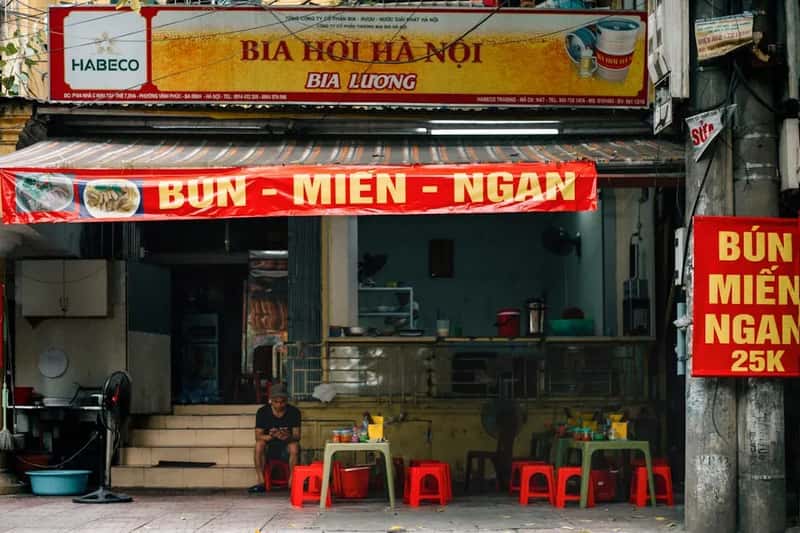
Vietnam has been quietly stealing the show in the digital nomad world for years. Vietnam has rapidly become a top destination for digital nomads and remote workers, thanks to its affordable cost of living, vibrant expat communities, and stunning natural landscapes. Honestly, once you’ve had a bowl of pho for a dollar and uploaded a file in seconds, it’s hard to go back.
As of January 2025, Vietnam ranks 34th globally for fixed broadband speeds, with an average download speed of 163.41 Mbps, well above global averages. On the mobile side, the country now ranks 22nd worldwide for mobile internet speed, having jumped 15 spots in mobile internet rankings since January 2024.
Vietnam has reliable internet, with home Wi-Fi packages costing just $10 to $20 per month for speeds up to 150 Mbps. Pair that with the fact that the average rent for a one-bedroom apartment in the city center ranges from $436 to $862 per month, and you start to understand why so many people are making the move. Street food is highly affordable, with meals costing $2 to $5, while mid-range restaurants may charge around $10 to $20 per meal.
3. Thailand – The Classic for a Reason

Thailand is the country that basically invented the digital nomad lifestyle. Chiang Mai in particular became something of a legend – and for good reason. Thailand’s cities, especially Chiang Mai and Bangkok, boast solid internet speeds around 100 Mbps, and with rents as low as $250 per month and delicious meals under $2, Thailand lets you live comfortably on $800 to $1,000 per month.
Thailand ranks among the cheapest countries to live in if you want lightning-fast internet speed, coming in at number six in the world according to Ookla, ahead of the USA. That’s a staggering fact that most people outside the nomad community don’t know. Thailand has visas for digital nomads, including the Tourist Visa for up to 60 days and the Smart Visa for remote workers and entrepreneurs, lasting up to 4 years.
The lifestyle itself is hard to compete with. Thailand’s tropical weather, amazing street food, and welcoming culture make it one of the top choices for remote workers. Coworking spaces in Bangkok are world-class, and the café culture in Chiang Mai means you’ll never be far from a power outlet and a cold brew.
4. Colombia – Latin America’s Digital Powerhouse
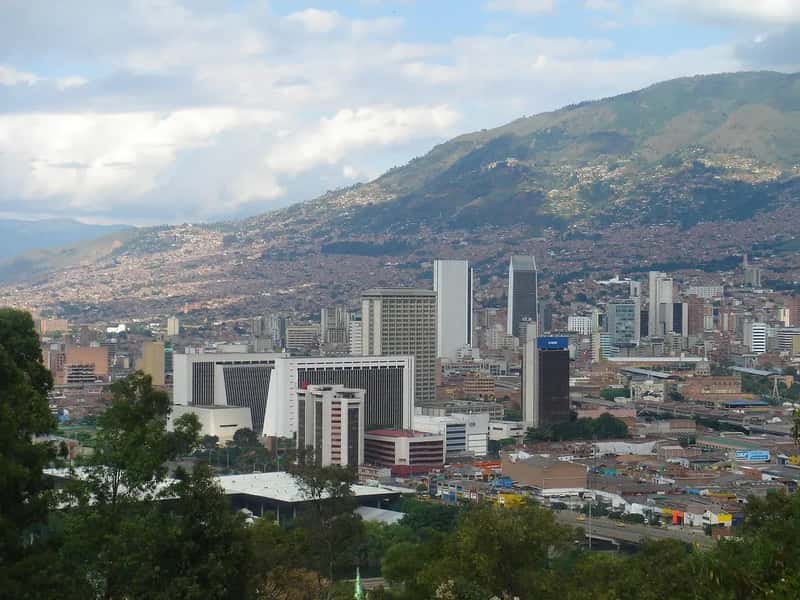
Colombia has gone from an unlikely candidate to a bona fide favorite. Average monthly expenses run between $800 and $1,200, and Medellín, known as the “City of Eternal Spring,” offers perfect weather year-round with an incredibly affordable cost of living. It’s the kind of place where your dollar stretches like taffy.
Internet speeds are fast, there are plenty of co-working spaces, and the city is home to a growing digital nomad community, while Cartagena and Bogotá also offer great options for remote workers, with low rents, delicious food, and a rich cultural scene. Colombia is budget-friendly with growing digital nomad communities, and that community aspect matters more than people admit. Working remotely can get lonely fast without a solid tribe.
Asian nations such as Vietnam, China, and South Korea deliver fast internet at low prices, some as little as $0.05 per Mbps, but Colombia holds its own competitively in Latin America. Colombia averages around 93 Mbps for internet download speeds, which is perfectly solid for video calls, cloud work, and streaming.
5. Portugal – Affordable Enough (If You Know Where to Look)

Portugal tops nearly every digital nomad ranking you’ll find in 2025 and 2026. Portugal ranks number one as a top digital nomad destination for 2025, and this will be unsurprising for many – the country offers excellent weather, food, safety, and a relaxing, slow-paced way of life. It’s European comfort without the European price tag, as long as you avoid Lisbon’s tourist core.
Portugal’s internet speeds are consistent and reliable, averaging 80 to 100 Mbps even in coastal towns, and while Lisbon is pricier, you can live in places like Porto or the Algarve for $1,200 to $1,500 per month comfortably. That’s genuinely reasonable for a Western European country with functioning infrastructure, warm summers, and excellent healthcare. Portugal continues to charm remote workers with its 90.32% Health Score and 97.84% Cost of Life Score.
Countries with straightforward applications and moderate income thresholds include Portugal, which offers the D8 Digital Nomad Visa. Getting legal residency here is far less complicated than in many other European nations, which is a huge deal for anyone planning a longer stay.
6. Georgia (the Country) – Mobile Internet Champion

Here’s one that catches people off guard. Georgia, the small country wedged between Russia and Turkey, has become a quiet favorite on the nomad circuit. Albania has one huge advantage for Americans, but Georgia shares it: visitors can stay for a year after just walking in on a tourist visa. That kind of freedom is almost unheard of.
Georgia has just so-so fixed broadband speeds, currently averaging 42 Mbps, but is top-10 on the list of the world’s fastest mobile broadband speeds, at 142 Mbps. Think of it this way: if you’re tethering from your phone or working from a café, Georgia’s mobile connection will be blazing. Tbilisi in particular has a booming coworking scene.
The cost of living in Tbilisi is remarkably low by any measure. According to Numbeo data, you would need significantly more money in Bucharest to maintain the same standard of life you can have with 8,600 GEL in Tbilisi. Wine is practically a food group here, it’s ancient, beautiful, and mercifully underrated. Don’t sleep on it.
7. Malaysia – Southeast Asia’s Underrated Gem

Malaysia sits in a strange middle ground that works perfectly for nomads. It’s more developed than Cambodia or Laos, but dramatically cheaper than Singapore or Japan. You can live and work in Malaysia for around $850 per month. That number is hard to argue with.
Malaysia’s digital infrastructure is growing fast, and it’s a big draw for digital nomads – both Kuala Lumpur and Penang have fast internet, with speeds of 20 to 50 Mbps. The reality on the ground in Kuala Lumpur is often faster than those conservative estimates, especially in modern coworking spaces. Malaysia averages around 145 Mbps for download speeds, placing it very competitively in the region.
The coworking scene is booming – in Kuala Lumpur, WeWork and Regus offer top-notch facilities, while in Penang, local spaces focus on community building. Malaysia is also one of the most culturally diverse countries in the world, with incredible food from Malay, Chinese, and Indian influences. Working here never really feels like work.
8. Albania – Europe’s Wildcard
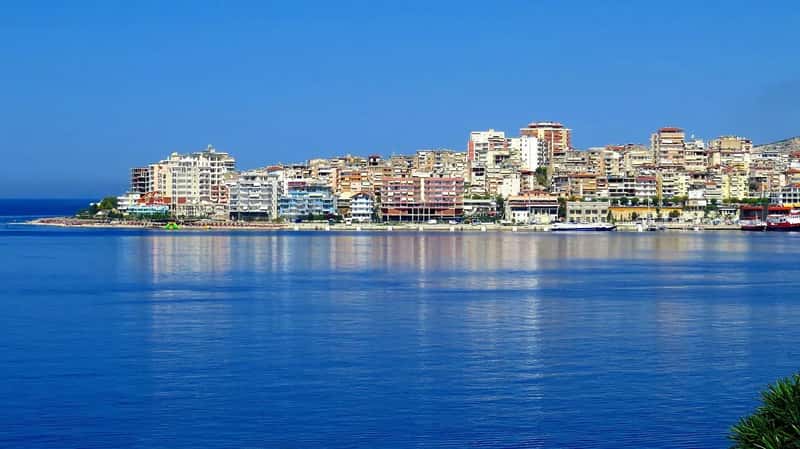
Albania is the kind of place travel writers discover and then try to keep secret. Tirana isn’t a digital nomad hotspot yet like Tenerife, Barcelona, or Lisbon, but it’s only a matter of time before word gets out – with some of the best rental bargains in Europe and dozens of beaches scattered down the coast that look like those in Greece and Croatia.
Despite being part of an isolated communist dictatorship until not too long ago, Albania has better-than-average internet speeds, with 62 Mbps on mobile and 80 on fixed broadband, and there’s a major coffee culture in the country where people sip espresso all day. That means working from a café is not only acceptable, it’s basically the national pastime. You’ll never get kicked out for nursing one coffee for three hours.
Albania has one huge advantage for Americans that only one other country can match: you can stay for a full year after just walking in on a tourist visa. For the longer-term nomad who wants European vibes, Adriatic coastline, and a budget that doesn’t bleed, Albania is a serious contender. I think it’ll explode in popularity within the next year or two.
9. Mexico – Proximity and Practicality Combined

For North Americans especially, Mexico is almost too convenient to ignore. Mexico is quickly becoming one of the most sought-after destinations for digital nomads in 2025, with average monthly expenses between $800 and $1,200 and best cities including Mexico City, Playa del Carmen, and Tulum. The time zones alone make it a dream for anyone still working with US-based clients.
Internet in Mexico has improved dramatically over the past several years. Mexico averages around 110 Mbps for download speeds, and in cities like Mexico City, fiber connections are increasingly common. The coverage gap between urban and rural areas still exists, but for nomads sticking to hubs, it’s a non-issue. Mexico ranks fairly well for mobile internet speeds too, making it easy to stay connected on the go.
Street food, warm weather, and a massive expat community make Mexico about as soft a landing as you’ll find anywhere. Many countries on this list allow a comfortable lifestyle on $1,000 per month or less, and Mexico is one of the most flexible, depending on whether you’re in a tourist beach town or a working-class city neighborhood.
10. Indonesia (Bali) – Paradise With a Purpose

When you think of paradise that doesn’t empty your wallet, Indonesia – especially Bali – sits high on the list of affordable countries for digital nomads in 2025, with lush rice fields, peaceful temples, and a thriving digital nomad community. Bali has evolved from backpacker hangout to serious remote work destination, and the infrastructure has kept pace.
Bali is built for remote workers – with hotspots like Canggu, Ubud, and Uluwatu, you’ll find dozens of coworking spaces that feel more like luxury retreats than offices, featuring high-speed internet, open-air lounges, wellness cafes, and networking events. It’s hard to say for sure exactly how many nomads are based there at any given time, but Canggu feels like a city of laptops. Indonesia averages around 95 Mbps for download speeds.
The cost of living is a fraction of what you’d pay in the West – think beautiful Airbnbs for under $500, street food for $2, and yoga classes with jungle views. The only real catch is Indonesia’s visa situation, which remains complicated for long-term stays. It’s worth researching thoroughly before committing to an extended base there.
11. Hungary – The Budapest Bonus

Budapest is one of those cities that rewards people who actually show up. It’s gorgeous, deeply historic, and wildly affordable by European standards. Hungary combines decent infrastructure with affordability, and with a 66.11% Internet Speed Score, a 15% flat tax, and a 93.10% Cost of Life Score, it’s a solid choice for nomads seeking good value in a culturally rich and centrally located country.
Hungary is a hidden gem with lightning-fast internet and central European appeal. The city has undergone a quiet digital revolution, with coworking spaces spreading across the ruin-bar district and affordable fiber connections available across most of the city. The global average for fixed broadband download speed rose to 102.48 Mbps in May 2025, and Hungary comfortably outpaces that benchmark in urban areas.
The flat 15% personal income tax rate is genuinely exceptional for a European country. Combined with solid EU infrastructure, central location for travel, and a city center that looks like a fairy tale, Budapest has quietly earned its reputation as one of the most underrated bases for remote workers in Europe. It’s not for everyone, but those who discover it tend to stay far longer than planned.
12. Philippines – Archipelago Living at Budget Prices
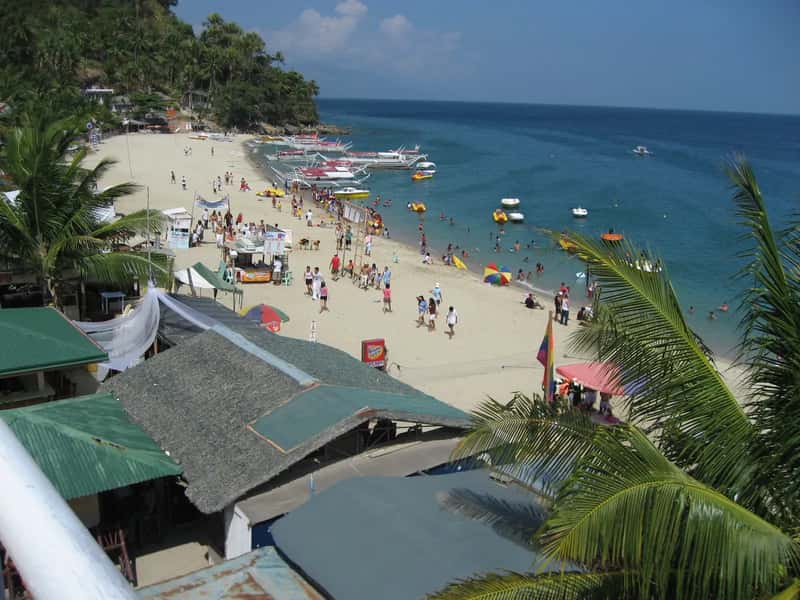
The Philippines is a country of over 7,000 islands, and finding your perfect spot here is half the adventure. According to Speedtest.net, the average fixed broadband speed in the Philippines averages 98 Mbps up and down. That’s a solid number for a country that not long ago struggled with connectivity – the improvements in recent years have been dramatic.
In theory, you can only stay two months on a tourist visa, but in reality foreigners frequently extend for a month or two, and the country doesn’t seem to crack down until you’ve been there for two or three years – making it easier to spend six months here just passing through than in many neighboring countries. For nomads with flexibility, that’s a workable situation. Many of the cheapest countries can comfortably accommodate a $1,000 per month budget.
You don’t have to choose between beaches and mountains if you live here – it’s a nation of islands that have had plenty of volcanic activity – though the main downside is that many of them are frequently in the path of typhoons. Timing your stay matters. Stick to the dry season in your preferred region and the Philippines delivers jaw-dropping scenery, warm hospitality, and internet speeds that actually hold up for a full workday.
The Bottom Line: Affordability and Connectivity Are No Longer a Trade-Off

Not long ago, choosing a cheap country meant accepting slow, unreliable internet. That era is essentially over. The global average for fixed broadband download speed reached 102.48 Mbps in May 2025, up from 93.66 Mbps just a year before, and the fastest gains have often come in countries with the lowest costs of living. Eastern Europe consistently leads on affordability, likely due to robust competition and government investments in digital infrastructure.
Choosing where to live as a digital nomad isn’t just about finding a sunny beach or the cheapest apartment – it’s about balancing digital nomad visas, affordability, reliable internet, safety, and a community that helps you feel at home. Each of the twelve countries on this list offers a genuinely different flavour of that balance. Romania gives you blisteringly fast broadband at nearly zero cost. Vietnam gives you a buzzing urban energy for under a thousand dollars a month. Albania gives you the Adriatic Sea and a year-long visa with no paperwork.
The world has changed. The office has changed. And the tools that make remote life possible – fiber, 5G, coworking spaces – are now almost everywhere. With more countries launching remote work visas and offering smoother application processes, things are looking bright for location-independent professionals. The real question isn’t whether you can afford to go. It’s which of these twelve places is calling your name loudest. What would you have guessed before reading this?