A U.S. passport looks simple enough: a little blue book, a photo, a few stamps if you’re lucky. Yet almost everyone who has applied for one, renewed one, or tried to explain the rules to a friend has run into some confusion along the way.
Between REAL ID changes, new online renewal options, and shifting processing times, the rules have actually moved quite a bit over the past two years. That makes it easy for outdated advice to stick around long after it stopped being true.
Myth 1: A passport book is only useful for international flights

A lot of travelers assume their passport book sits in a drawer until they head overseas, and that domestic flights are strictly a REAL ID matter. That is not how TSA checkpoints actually work. A REAL ID does not replace a passport for international travel, but a valid passport is considered compliant identification for travelers flying domestic within the U.S.[1]
In practice, a passport book covers you at the airport whether your state driver’s license is compliant or not. A passport is an acceptable form of identification and may be used in lieu of a REAL ID Drivers License or ID to board domestic flights and visit federal facilities.[2] So keeping your passport current is not just an international travel habit, it is a backup identification plan for flights at home too.
Myth 2: A passport card works exactly like a passport book
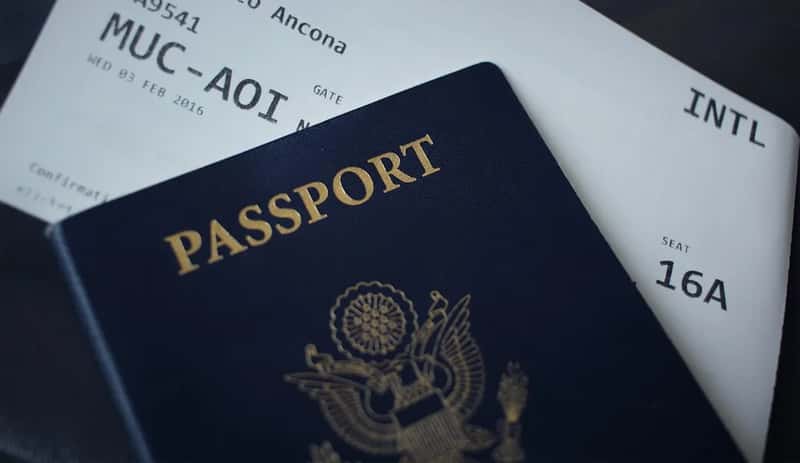
The passport card looks like a slimmer, wallet-friendly version of the book, and plenty of people assume it does the same job. It really does not. The passport card costs less and fits in your wallet, but only works for land and sea travel.[3]
Try to use it for an international flight and you will run into trouble at check-in. The passport card is for domestic air travel and land or sea border crossings only, while international flights still require a passport book.[3] If your trips involve airports overseas, the book is the only document that will actually get you on the plane.
Myth 3: If the expiration date hasn’t passed, you’re fine to travel
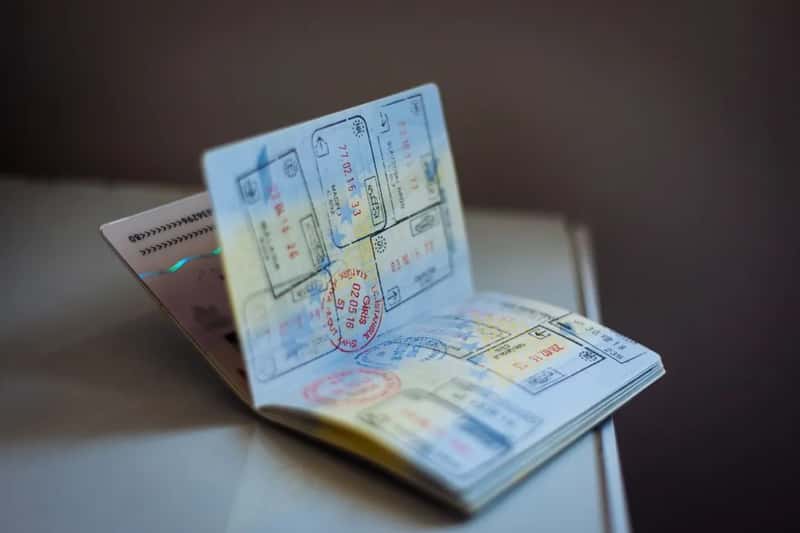
Plenty of travelers glance at the expiration date, see it’s still months away, and assume they’re good to go. Many destinations disagree. Many countries enforce the six-month passport validity rule, with airlines sometimes applying it even when exemptions exist.[4]
This means a passport that is technically valid can still get you turned away at check-in or denied entry abroad. Many countries require US passports remain valid for at least six months beyond travel dates, meaning your expiration date must be at least six months after your planned return or foreign countries may deny entry.[5] The safer habit, and one immigration officers and airline staff both recommend, is renewing well before that window gets tight.
Myth 4: Getting a new passport now takes several months no matter what

This myth traces back to the real backlog years of 2022 and 2023, when wait times genuinely stretched into the months. Things have changed since then, at least according to official targets. As of June 2026, the State Department lists routine service at 4 to 6 weeks and expedited service at 2 to 3 weeks, according to its official passport processing times page.[6]
Those numbers only tell part of the story, though. The headline figures leave out shipping on both ends, since the State Department adds up to two weeks for paperwork to reach a processing center and up to two weeks for the finished passport to travel back.[6] So the real door to door timeline usually runs a bit longer than the published range, even if it is nowhere near the crisis-level delays of a few years ago.
Myth 5: Anyone can just renew their passport online now

Online renewal sounds like it should be open to everyone with an expiring passport, but eligibility is actually fairly narrow. You must have been at least 16 years old when your most recent U.S. passport book or card was issued, and that passport needs to have been issued between July 2011 and July 2017 to qualify.[7]
There are also practical limits tied to timing and location. You must be located in a U.S. state or territory at the time you renew, since your most recent passport will be invalidated for travel.[7] Anyone whose passport falls outside the eligible issue window, whose name has changed, or who needs a document urgently for travel in the next few weeks will still need the traditional mail or in-person route.
Myth 6: Losing your passport overseas means you’re stuck
It’s a common travel fear, and an understandable one. Losing your only proof of citizenship in a foreign country sounds like the start of a very bad trip. In reality, U.S. embassies and consulates deal with this constantly and have a standard process for it.
A traveler who loses a passport abroad can typically get an emergency or limited-validity replacement from the nearest embassy or consulate, often within a day or two once identity is confirmed. It is inconvenient and involves paperwork, but it is a routine consular service rather than a dead end. Keeping a photocopy of your passport’s data page separate from the original makes the process noticeably faster.
Myth 7: Kids are automatically covered under a parent’s passport

This one used to have more truth to it decades ago, but it hasn’t applied for a long time now. Every U.S. citizen, regardless of age, needs their own individual passport to travel internationally, including infants. There is no add a child option on a parent’s document anymore.
That also means minors need their own application, their own photo, and in most cases both parents’ consent or documentation showing sole custody. Parents planning a first international trip with a baby often get caught off guard by this, so it’s worth applying well ahead of the departure date rather than assuming the child can simply travel on mom or dad’s passport.
Myth 8: A U.S. passport gets you into every country without a visa
The U.S. passport genuinely opens a lot of doors. The United States passport book has become one of the most powerful travel documents in the world, granting visa-free or visa-on-arrival access to over 180 countries.[8] That reputation, though, sometimes gets rounded up to every country, which isn’t accurate.
Destinations including China, India, and Russia, among others, still require U.S. citizens to secure a visa in advance or apply through an electronic system before arrival. Some countries that used to be visa-free have also added electronic travel authorization requirements in recent years. It’s worth checking entry requirements for each destination rather than assuming the passport alone will do the job.
Myth 9: You don’t need a passport for land trips to Canada or Mexico
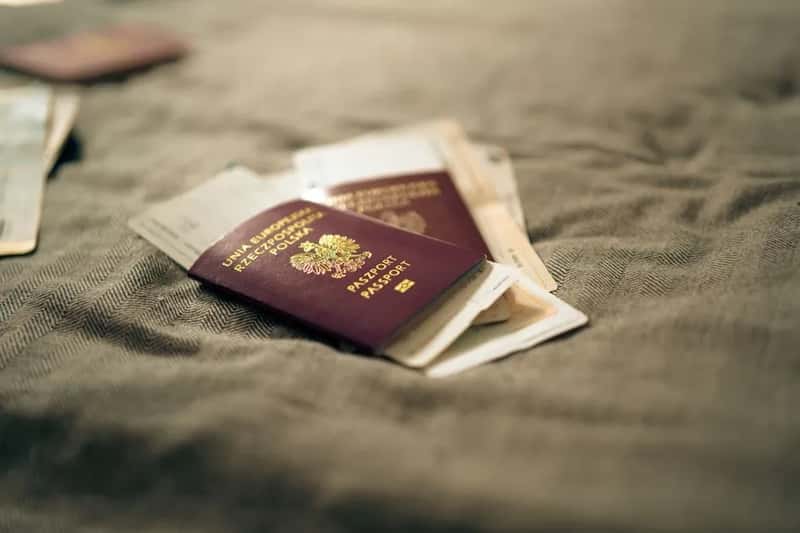
This myth lingers from before 2009, when a driver’s license and birth certificate were enough to cross into Canada or Mexico by car. That changed with the Western Hemisphere Travel Initiative, and the rule has stayed in place since. For Canada or Mexico you need a passport book, passport card, NEXUS card, or Enhanced Driver’s License.[3]
A standard state driver’s license by itself no longer clears you at a land border crossing. Families planning a road trip to Niagara Falls or a weekend in Tijuana sometimes discover this at the border itself, which is not where anyone wants to learn it. Checking the accepted document list before leaving home avoids an awkward and entirely avoidable turnaround.
Myth 10: Any recent photo works fine for a passport application
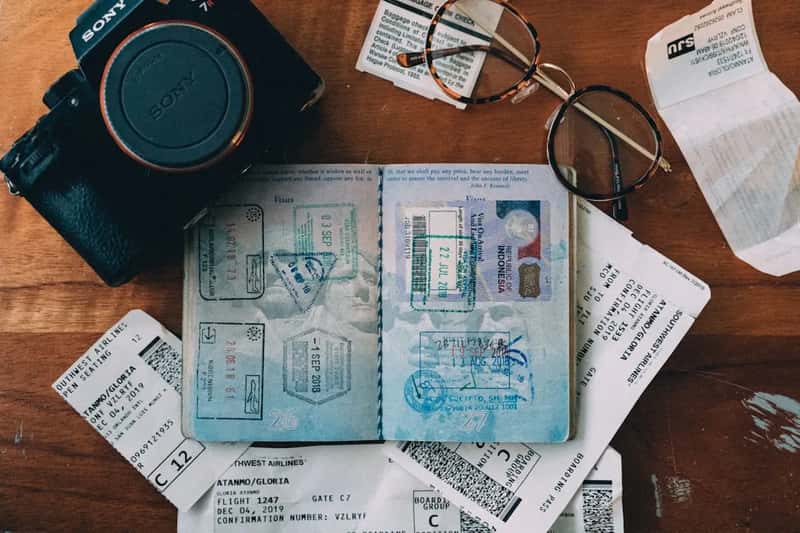
Passport photos have specific technical requirements, and casual snapshots taken on a phone often fail them. Backgrounds, lighting, head positioning, and even shadows all matter more than people expect. A wrong photo, a missing document, or an incorrect fee stops your application completely, with common issues including photos with improper backgrounds and outdated supporting documents.[9]
Digital photo uploads are allowed, but only under specific circumstances. For the online renewal portal, applicants can upload a digital passport photo that meets current requirements.[8] Outside that eligible group, mailed applications generally still require a printed photo that meets the government’s exact specifications, and getting it wrong is one of the most common reasons applications get bounced back.
Myth 11: You always have to apply for a passport in person
The image of standing in line at a post office with a stack of forms is outdated for a lot of applicants now. The good news is that most US citizens can renew by mail or online without visiting a passport office in person.[8]
That flexibility has limits, though. First-time adult applicants, minors, and anyone with a damaged passport or identity verification issue still need to appear in person. These applicants must submit a new application using Form DS-11 at a designated passport acceptance facility.[10] So renewals have gotten more convenient, while first-time applications largely haven’t.
Myth 12: Paying extra guarantees a passport in a day or two
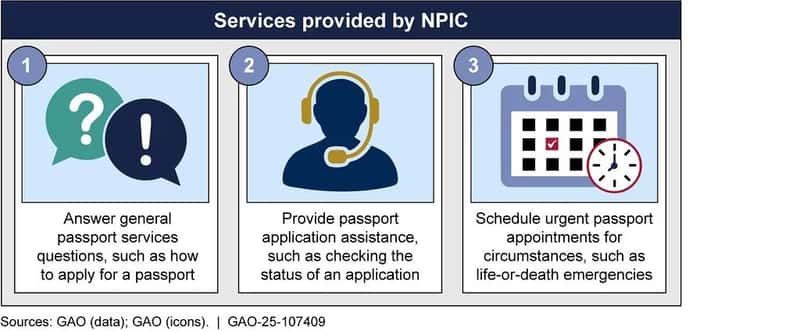
Expedited service sounds like it should mean fast, and it does help, but it isn’t instant. People who need a passport urgently processed and have proof of international travel within two weeks can make an appointment online for a visit to a nearby passport agency, where a traveler will first have to use the Online Passport Appointment System to determine eligibility for that visit.[11]
Even standard expedited processing, the kind that adds a fee but doesn’t involve an agency visit, still takes real time. Same day or near immediate service is reserved for genuine emergencies. This track is meant for genuine life or death situations involving the applicant or an immediate family member, requiring proof such as a death certificate, hospital letter, or medical documentation, along with an in-person appointment at a regional passport agency.[12] For everyone else, paying more moves you up the queue, but it doesn’t erase the wait entirely.