Every hotel lobby tells a story. The moment a guest opens their mouth, experienced front desk staff already know what kind of stay is ahead. It’s not about reading minds. It’s about patterns, and those patterns are surprisingly consistent whether you’re standing behind a desk in Paris, Dubai, or downtown Chicago.
Behind those polished smiles and crisp uniforms, there is a whole conversation happening about guest behavior, and it is not always flattering. The hospitality industry is under more pressure than most outsiders realize. Knowing what those tell-tale phrases actually signal can be genuinely eye-opening, whether you work in hotels or stay in them regularly.
Here’s a look at the 12 phrases that, according to industry professionals and behavioral patterns, instantly reveal a difficult traveler. Some of them might surprise you. Let’s dive in.
1. “Do You Know Who I Am?”
This one is almost a hospitality cliché at this point, but it keeps happening for a reason. The phrase is a power play, pure and simple. It signals that a guest believes their status or identity entitles them to special treatment that bypasses normal processes and other guests in the queue.
The high-value but difficult VIP guest carries significant revenue potential but comes with high demands and a low tolerance for faults. Hotel managers recognize this profile instantly. The guest’s need to announce their own importance is almost always a preview of escalating demands throughout the rest of the stay.
The idea that “the customer is always right” can lead to entitled behavior that frustrates staff and disturbs other guests. Honestly, this phrase is the verbal equivalent of cutting in line and then staring around to see if anyone noticed.
2. “I’ve Stayed at Far Better Hotels Than This”
This one lands like a small grenade on the front desk. It’s designed to make staff feel defensive and immediately places the guest in a superior position before a single legitimate complaint has even been raised. It’s comparison as a weapon.
Annoying hotel guests might include those with incessant demands, unreasonable expectations, or a knack for finding fault in every aspect of their stay. The “better hotel” phrase is a red flag for exactly this type of traveler. It implies that nothing this property does will ever be good enough, and the goalposts will keep moving throughout the stay.
Before diving into solutions, it’s essential to understand what can lead a guest to become difficult: unmet expectations come first, as guests may arrive with preconceived ideas about service or amenities. Sometimes, honestly, the expectation was never going to match reality regardless of what the hotel provided.
3. “I’m Going to Leave You a One-Star Review”

The review threat. Used more and more in recent years, this phrase has become a common tool guests use to extract free upgrades, complimentary meals, or refunds. It’s essentially a form of leverage, and hospitality professionals recognize it immediately for what it is.
Studies show that nearly half of travelers write reviews after negative experiences, compared to roughly two-fifths after positive ones. That asymmetry is exactly why this threat carries real weight in a hotel context. Guest reviews wield unprecedented influence over hotel success, with the vast majority of travelers reading reviews before booking, according to TripAdvisor.
Disorderly guests can quickly disrupt the environment of a hotel, leading to various issues such as negative reviews, decreased staff morale, and potential legal problems. Poor management of these situations not only affects the immediate experience of other guests but can also have long-term repercussions on the hotel’s reputation. Deploying the review threat as a bargaining chip from the moment of check-in is a dead giveaway of a difficult stay ahead.
4. “This Isn’t What Was Shown Online”

Now, to be fair, sometimes guests have a genuine point here. Misleading photography is a real issue. However, when this phrase arrives paired with an attitude, a crossed-arm posture, and the unwillingness to even look at the hotel’s actual booking terms, it shifts into difficult guest territory very quickly.
Due to numerous online travel agents available and the fact that these platforms have different layouts for hotel image galleries, guests are often confused about the room they reserved. Once the guest reaches the hotel and checks in, they sometimes find that the room allocated to them appears different from what they saw online. This is a documented industry challenge. Staff are prepared for it.
A range of inaccuracies may be at the root of hotel complaints. Mix-ups are a common source of guest disputes, from reservation inaccuracies such as incorrect dates or rates, to descriptive errors like inaccurate room type descriptions. When a guest refuses to engage with any solution offered, though, the problem moves well beyond a simple misunderstanding.
5. “I Want to Speak to Your Manager Right Now”

Few phrases send a chill through front desk staff the way this one does. In isolation, asking to speak with a manager is perfectly reasonable. The problem is when this phrase is deployed as the very first response, before any staff member has even had a chance to listen, let alone offer a solution.
There may be times when a guest’s complaints or demands exceed what staff can handle within their role. In these situations, it is important to know when to escalate the matter to a higher authority. If a guest continues to be dissatisfied despite best efforts, or if their behavior becomes abusive or disruptive, involving a manager is necessary. The key word there is “continues.” Jumping straight to the manager demand, bypassing the entire process, is a telling move.
Angry hotel guests express their dissatisfaction in more overt ways, from raised voices to outright confrontations. Their anger might stem from genuine service failures or personal grievances, and their aggressive behavior can intimidate staff and unsettle other guests. Demanding a manager immediately often signals the guest is in confrontation mode from the start, not problem-solving mode.
6. “I Was Promised a Free Upgrade”
Here’s the thing. Upgrades do happen. Hotels sometimes offer them as a goodwill gesture or through loyalty programs. However, the guest who insists they were “promised” an upgrade with zero documentation, zero reservation confirmation, and zero loyalty tier to back it up is a pattern that hospitality staff encounter with remarkable regularity.
The chronic complainer and serial upgrader is someone who repeatedly requests free upgrades, discounts, or special treatment. This profile is so well-known in the industry that it has its own category in front office training materials. The upgrade demand spoken as a fact rather than a request is the linguistic tell.
People who leave a disaster behind, skip tipping, or make unreasonable complaints are remembered. Conversely, polite and considerate guests often receive better treatment, complimentary perks, or upgrades without even asking. The irony is rich: the guests who loudly demand upgrades are usually the least likely to get them, while the gracious ones often do.
7. “The Noise Is Completely Unacceptable”

Noise complaints are entirely legitimate when genuine. Nobody should have to listen to a party next door at 2 AM. However, there’s a version of this complaint that staff identify as problematic: the guest who complains about ambient city sounds, other guests breathing in the hallway, or the gentle hum of an air conditioning unit, and then demands an entirely new room on a fully booked night.
Noise complaints are one of the most consistently reported issues across hotels of every category. Many hotels employ a three-strikes system where, after three consecutive complaints, a guest will be removed from the property without a refund. That’s not a trivial policy. It reflects just how serious and frequent this issue has become.
Hotel walls aren’t as soundproof as guests expect, and slamming doors or loud talking disturbs others. People are often sleeping at different hours, especially in hotels with international travelers. When the complainer IS the source of the noise problem and somehow still files a noise complaint, staff have genuinely seen it all.
8. “I’m a Loyalty Member, So I Expect More”
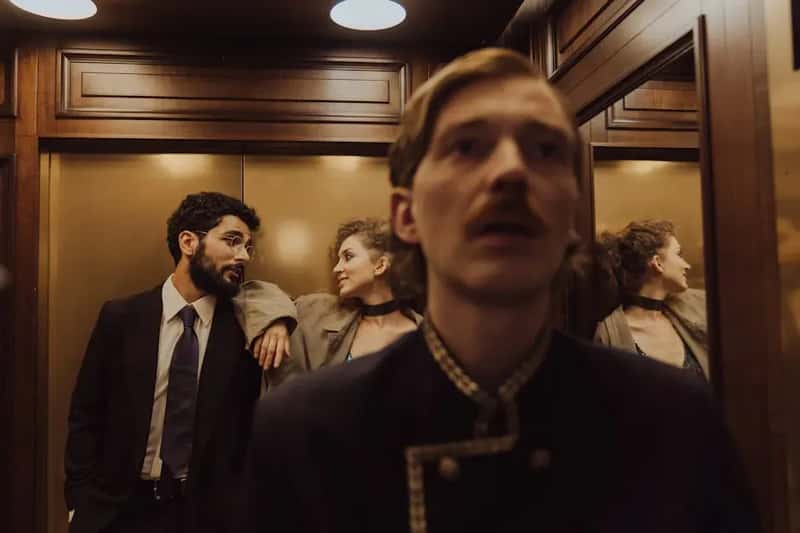
Loyalty programs are a fantastic part of modern travel, genuinely. They reward repeat business and create genuine value for both hotels and guests. However, this phrase mutates into difficult territory when a guest uses their membership tier as a blank check for demands that fall well outside what any program actually offers.
Snapping fingers, clicking, or waving staff over is one of the fastest ways to brand yourself as a difficult guest. These guests often do not realize the impact of their behavior, and the challenge lies in addressing their concerns without escalating the situation. Loyalty status doesn’t change the basic dynamics of respectful human interaction, yet some guests treat their gold card like a social permission slip.
According to a 2024 report by the American Hotel and Lodging Association, guests ranked staff interactions among the top three reasons they would leave a positive review. Think about that for a moment. The guest who weaponizes their loyalty status and treats staff dismissively is actively destroying the very interaction that would have earned them that glowing memory in the first place.
9. “I’ll Just Dispute This With My Credit Card”
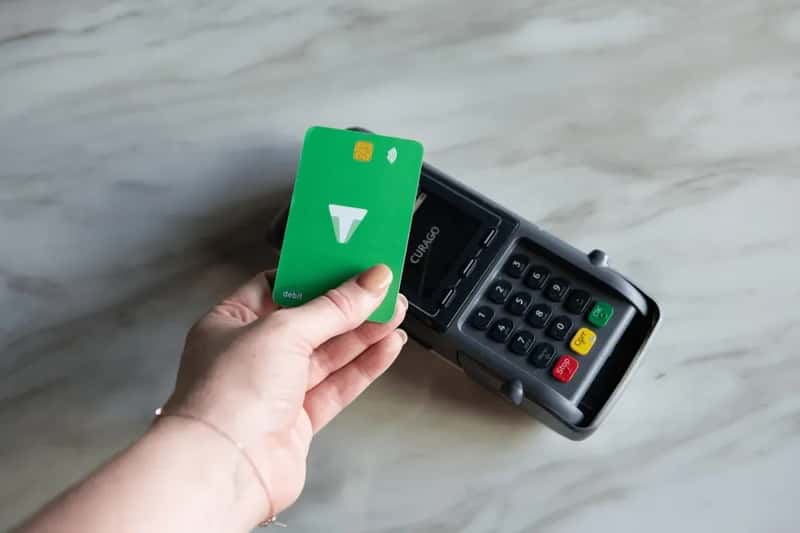
This phrase tends to appear at checkout, and it lands hard. The credit card chargeback threat is essentially the financial equivalent of the review threat. It says: cooperate with what I want or I will cause you administrative pain and financial loss. Experienced hotel managers recognize this pattern as a form of consumer aggression.
The dishonest charge-dispute guest disputes bills, hides damage, and claims items missing. Hotels know this profile well and are trained to document everything meticulously as a result. Documentation and witness statements are collected, including CCTV footage, staff witness names, incident reports, and preserved evidence of damaged property or bills.
The legitimate version of this concern is a real thing, of course. Hotels do occasionally make billing errors. However, using the chargeback as a threat before the hotel has even had a chance to review the bill is a phrase that sends a clear signal: this guest arrived ready for a fight.
10. “Clean My Room Again, It’s Still Not Right”
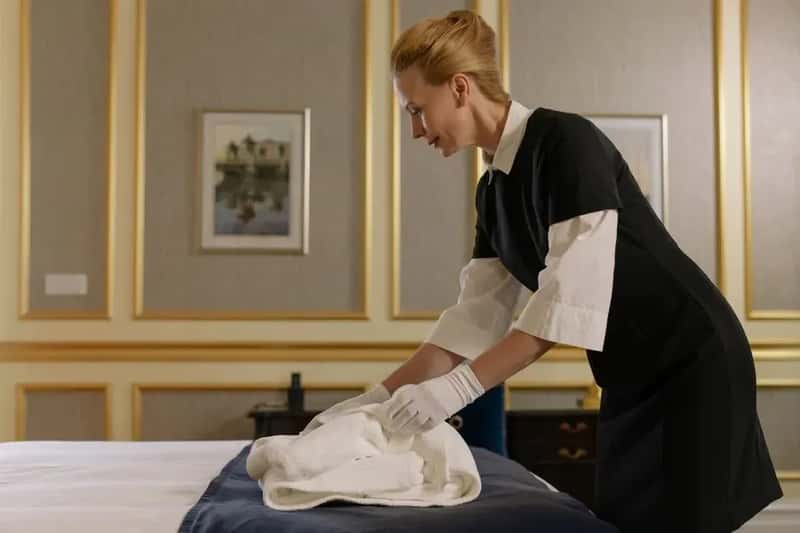
Cleanliness is non-negotiable in hospitality. If a room is genuinely dirty, a guest absolutely should say so, and a good hotel will resolve it quickly. The difficult version of this phrase is the third or fourth request with increasingly vague standards, often impossible to meet because the standard shifts with every visit from housekeeping.
When guests treat housekeepers rudely, dismiss them, or make them feel invisible, it ripples through the whole team. That ripple effect is real. The 2025 findings from industry research confirm what many operators are experiencing firsthand: mounting pressure on hospitality teams. Under-resourcing and understaffing now rank as the top workplace challenge, cited by the majority of respondents, a significant surge from 2024.
A December 2024 survey found that nearly two thirds of hotels are still dealing with staffing challenges stemming from the onset of the COVID-19 pandemic, according to the 2025 State of the Industry report by the American Hotel and Lodging Association. Each repeated, vague cleaning request during a staffing shortage places real pressure on a team that is already stretched dangerously thin.
11. “I Didn’t Know That Was Against Policy”

This phrase usually arrives after a guest has been found violating a clear hotel policy. A party in the room after quiet hours. Unauthorized guests. A pet smuggled in despite a no-pets policy. The “I didn’t know” defense comes delivered with wide eyes and an innocence that experienced staff find… unconvincing.
The question of eviction is complex, blending legal authority with ethical considerations. Hotels do have the right to evict guests, but such actions are typically reserved for extreme cases where a guest’s behavior significantly violates hotel policies or poses a safety risk. Circumstances warranting eviction might include destruction of property, disturbing the peace, non-payment, or other serious infractions.
Sometimes hotels have to essentially “fire” the customer, and if a guest has a history of combative behavior, it may be wise to suggest they would be more comfortable at another property, as trying to retain disruptive guests creates undue stress for employees and can cost more than the value of their business. The “I didn’t know” phrase is rarely the end of the story. It’s usually the opening of a negotiation.
12. “This Is Ruining My Entire Trip”
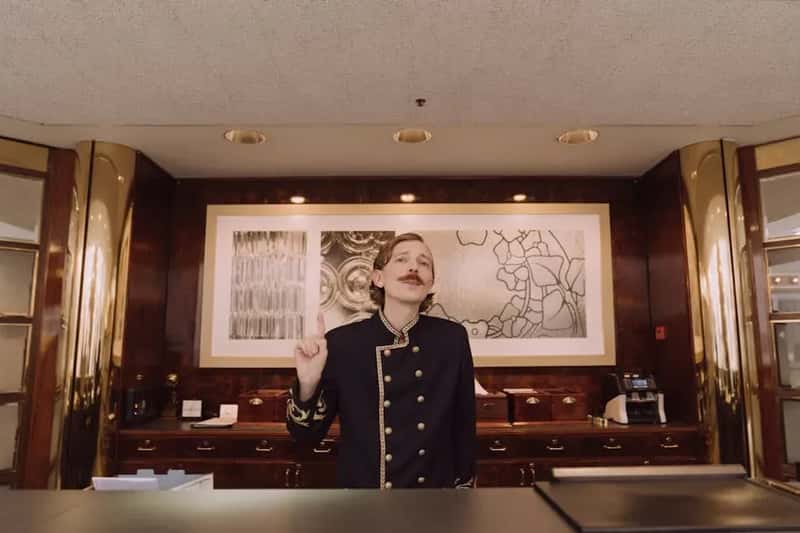
Dramatic, sweeping, and deeply personal. This phrase takes a single isolated issue and escalates it instantly to a catastrophic level. A delayed room-ready notification becomes a ruined vacation. A slightly firm pillow becomes an utter disaster. The hyperbole is startling, and it is designed to provoke maximum guilt in whoever is standing at the front desk.
Unusual complaints include those the hotel has no control over, such as the weather, traffic, or transportation. Sometimes guests expect front office staff to resolve such complaints when the hotel genuinely cannot do anything about them. The “ruined trip” language often arrives attached to exactly these unchallengeable forces of nature.
Sometimes guests carry personal stress or external frustrations, impacting their interactions with staff. Communication barriers and misunderstandings can also escalate minor issues. This is worth remembering with some genuine compassion. Travel is stressful. People arrive carrying things hotels know nothing about. Still, recognizing dramatic escalation language helps both guests and staff navigate toward an actual solution instead of an emotional spiral.
The Bigger Picture: What These Phrases Actually Cost
It’s easy to read this list and smile, maybe recognize a past version of yourself in one of these phrases. Honestly, I think most travelers have brushed close to one of these on a truly terrible travel day. The difference is awareness.
According to Axonify’s 2024 survey, nearly half of frontline hospitality managers have had to ask a guest to leave or ban a guest from returning within the last year due to their poor treatment of other guests. That’s not a small number. That is a widespread, documented industry problem.
Nearly half of hospitality respondents say burnout is simply “part of the job,” rising to a significantly higher proportion among junior employees. Three-quarters have faced mental health struggles in their adult lives, with nearly one in three experiencing issues in the last year alone. Behind every difficult interaction is a human being who woke up that morning to come to work and help you have a good stay.
Polite and considerate guests often receive better treatment, complimentary perks, or upgrades without even asking. Respect is a silent currency in hospitality. That might be the most practical travel tip available anywhere: kindness pays, quite literally.
The phrases above are not just patterns. They are, in many ways, a mirror. The next time you walk through a hotel lobby, tired and perhaps a little frustrated, it might be worth pausing for half a second before speaking. What you say in that first minute sets the tone for everything that follows. What kind of traveler do you want to be?