There’s a particular kind of quiet that settles over a Great Lakes town in June, right after the ice-out crowds thin and before the real summer rush hits. Locals start talking about “going up” or “heading to the lake” the way people elsewhere talk about the weather. It’s less a plan than a reflex, something built into the calendar generations ago and never questioned since.
From Michigan’s northern coastlines to Wisconsin’s peninsulas and the cottage roads of Ontario, summer in this region runs on habit as much as sunshine. Some of these customs are practical, others are a little strange if you didn’t grow up with them, but nearly all of them have stuck around because they work.
1. The Annual “Up North” Cabin Migration in Michigan
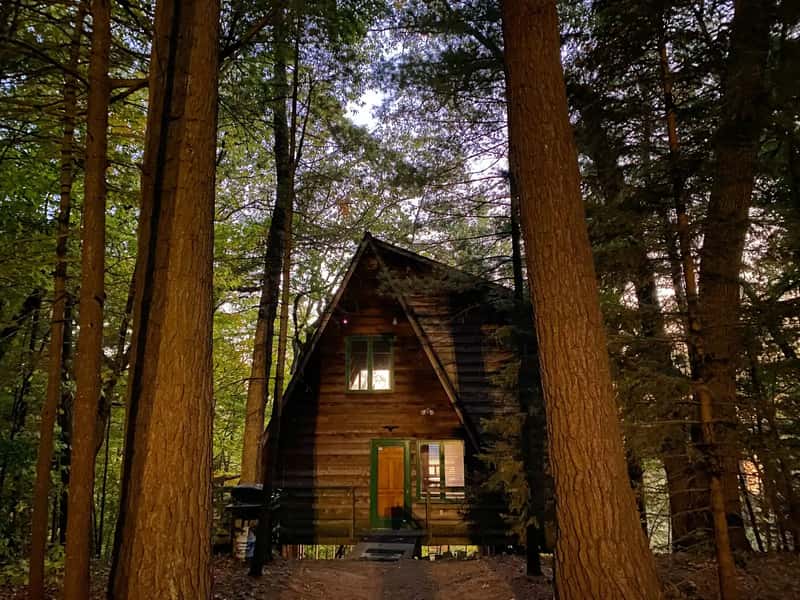
For a lot of Michigan families, summer doesn’t officially start until the car is packed and pointed toward a cottage that’s been in the family for decades. The phrase “up north” isn’t really a direction so much as a state of mind, referring loosely to anywhere past Clare or Grayling where the trees get thicker and cell service gets worse. Weekends there follow their own rhythm: dock repairs, boat rides, and dinners that always seem to end with someone bringing out cards.
What makes this tradition so durable is the sense of inheritance attached to it. Cabins get passed down, docks get rebuilt by the next generation, and kids who grew up jumping off the same pier eventually bring their own kids to do it. It’s less about the destination and more about maintaining a thread that connects one summer to the next.
2. Door County’s Traditional Fish Boil
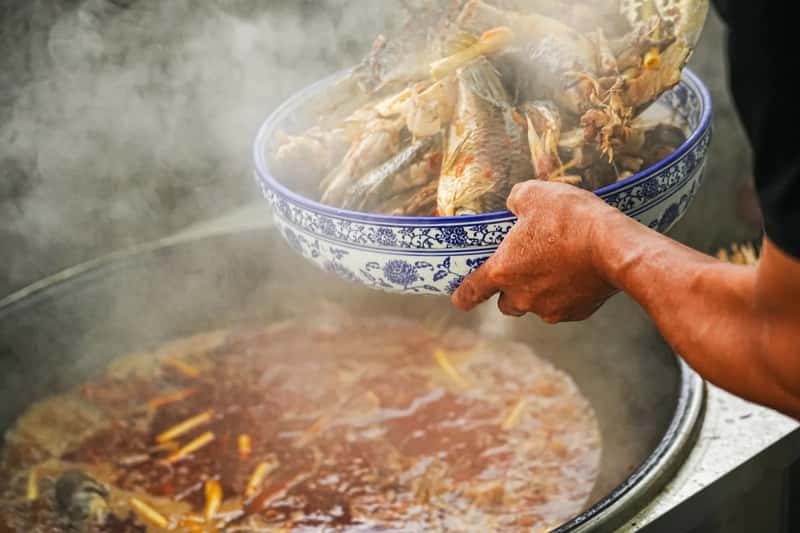
Few culinary rituals in the Midwest are as theatrical as a Door County fish boil. Whitefish, potatoes, and onions get lowered into a roaring cauldron over an open flame, and the show ends with the boilmaster tossing kerosene onto the fire to trigger a dramatic boilover that sends the fish oils spilling over the pot’s edge. The tradition has been deeply rooted in local culture for over 70 years[1], and it draws crowds every summer who come as much for the spectacle as the meal.
The origins are a little murky, and that’s part of the charm. Fish boiling was brought to the Wisconsin peninsula in the late 1800s by Scandinavian immigrants who needed an economical way to feed large groups of workers[2], though some point to earlier Potawatomi cooking methods as the real root. Either way, restaurants like the Viking Grill and White Gull Inn turned a practical camp meal into a full-blown tourist ritual, complete with a slice of cherry pie at the end.
3. Mackinac Island’s Car-Free Summers and Fudge Shops
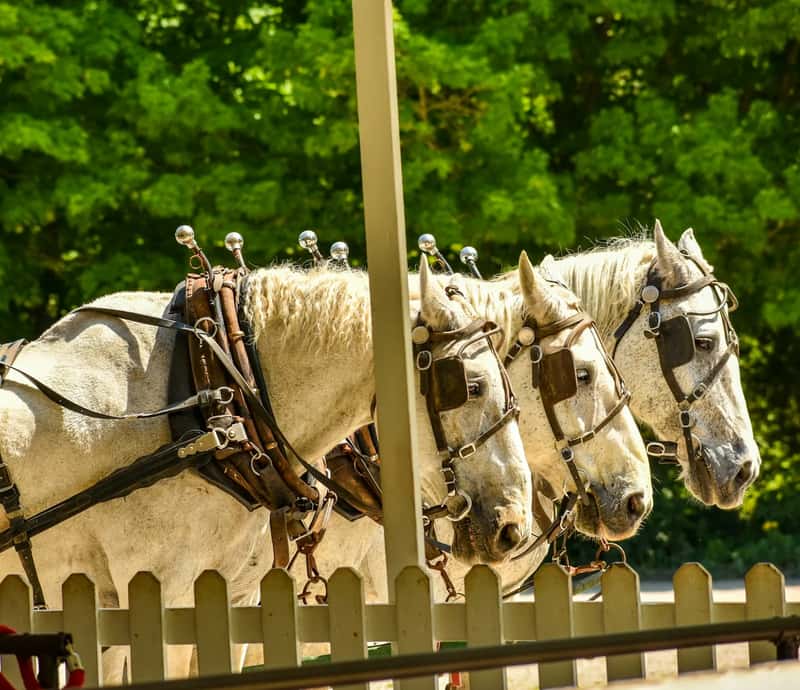
Step off the ferry onto Mackinac Island and the first thing that hits you isn’t the fudge smell, it’s the silence. Village leaders enacted the ban on July 6, 1898 and Mackinac Island has been car free ever since[3], which means the only traffic on the island’s streets is bicycles, pedestrians, and horse-drawn carriages. It’s one of the few places in the country where summer travel genuinely slows down instead of speeding up.
The fudge shops lining Main Street have become just as much a part of the ritual as the horses. Today the island’s population of about 500 permanent residents and an additional 14,500 or so seasonal visitors gets around almost exclusively by foot, bicycle, or horse[4]. Families who’ve vacationed there for years often have a favorite fudge counter picked out before the ferry even docks, and arguing about which shop makes the best batch is practically its own summer tradition.
4. Minnesota’s “Going to the Lake” Cabin Culture
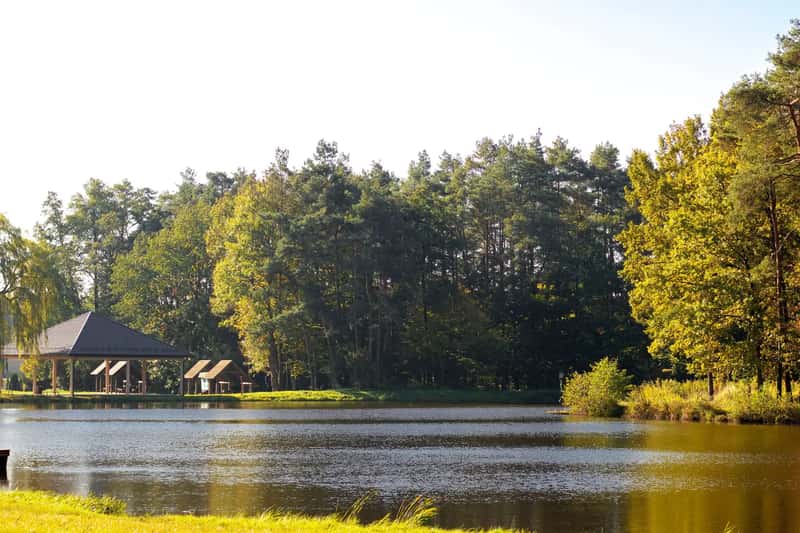
Minnesota calls itself the Land of 10,000 Lakes for a reason, and that abundance shaped a very specific kind of summer habit. Families here don’t just visit a lake, they have “the lake,” a specific cabin tied to a specific body of water that’s been the site of every major summer memory for as long as anyone can remember. Fishing off the dock at dawn and a bonfire after dark are practically written into the unofficial rulebook.
What sets Minnesota’s version apart is the sheer density of it. With so many lakes scattered across the state, entire extended families often end up owning cabins within a short drive of each other, turning summer weekends into informal reunions. The cabin itself matters less than the fact that everyone keeps showing up to it, year after year.
5. Traverse City’s National Cherry Festival
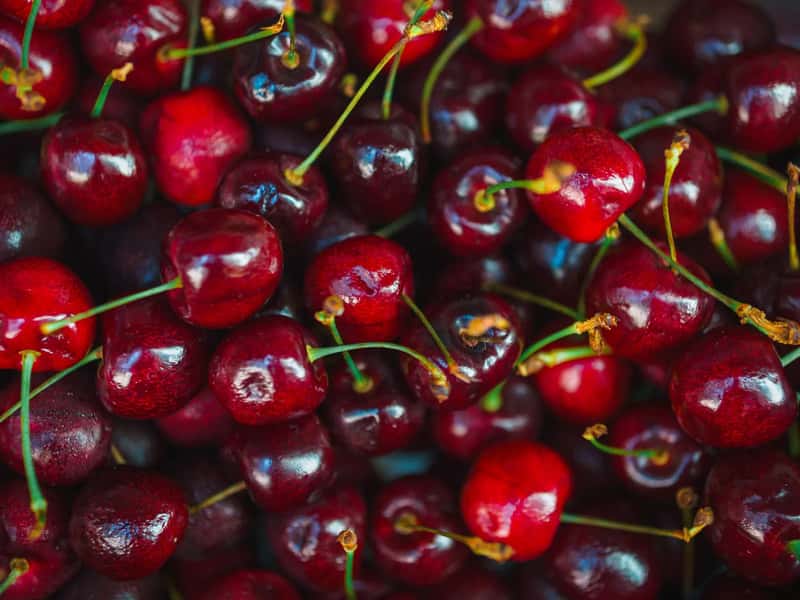
Every July, Traverse City turns into a celebration of one small, tart fruit. The festival was inaugurated in 1925 as the “Blessing of the Blossoms Festival,” and since being renamed to the National Cherry Festival by the Michigan Legislature in 1931, it has been held nearly every year since[5]. In 2026, the festival marks its 100th anniversary, and it will run from July 4 through July 11[6] with the kind of scale that reflects a full century of buildup.
The festival draws serious crowds for a town its size. The city hosts the National Cherry Festival, attracting approximately 500,000 visitors annually[7]. Parades, air shows, pie-eating contests, and a milk carton boat regatta have all become fixtures, but the real draw is simpler than any single event, it’s the chance to eat cherries in every form imaginable while the orchards around the bay are at their peak.
6. Wisconsin’s Friday Night Fish Fry
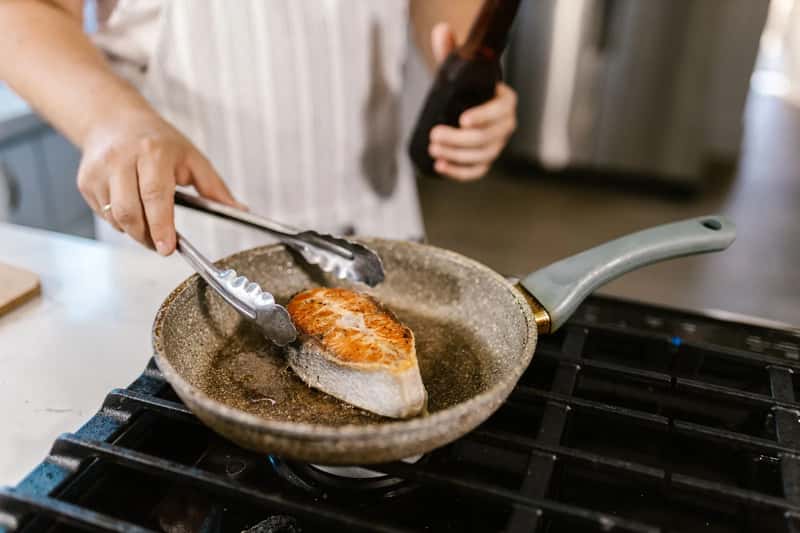
Ask anyone in Wisconsin what they’re doing Friday night in summer, and there’s a good chance the answer involves a fish fry. Supper clubs, VFW halls, and church basements all take turns serving up battered perch or walleye with a side of coleslaw and rye bread, and the ritual barely changes from one town to the next. It’s less a special occasion than a weekly checkpoint, something that happens whether or not there’s anything to celebrate.
The tradition runs deep enough that entire vacation weeks get planned around which supper club has the best fry that particular Friday. Lake town visitors quickly learn to ask locals for recommendations rather than relying on a review app, since the best fish fry spots tend to be the ones without much of an online presence at all.
7. Wisconsin Dells Water Park Family Trips
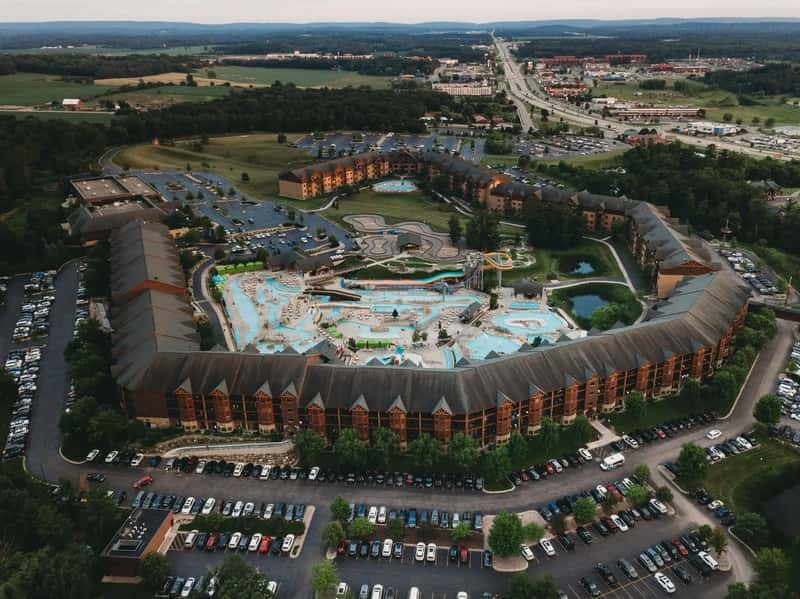
Wisconsin Dells earned its nickname honestly. The town is home to over 20 indoor and outdoor waterparks[8], a concentration that turned a small city on the Wisconsin River into a magnet for families across the entire Midwest. It has more indoor and outdoor water parks per capita than anywhere else[9], and that density is exactly why generations of kids have grown up considering a Dells trip a rite of summer passage.
Part of what keeps families coming back is the mix of scale and history. Noah’s Ark, at 70 acres, is the largest water park in the United States[10], while other resorts compete with record-setting slides and themed attractions that update every year. Beyond the water parks, the town still trades on its original appeal, the sandstone canyons of the Wisconsin River that first drew tourists there long before anyone built a wave pool.
8. Ontario’s Cottage Country Getaways
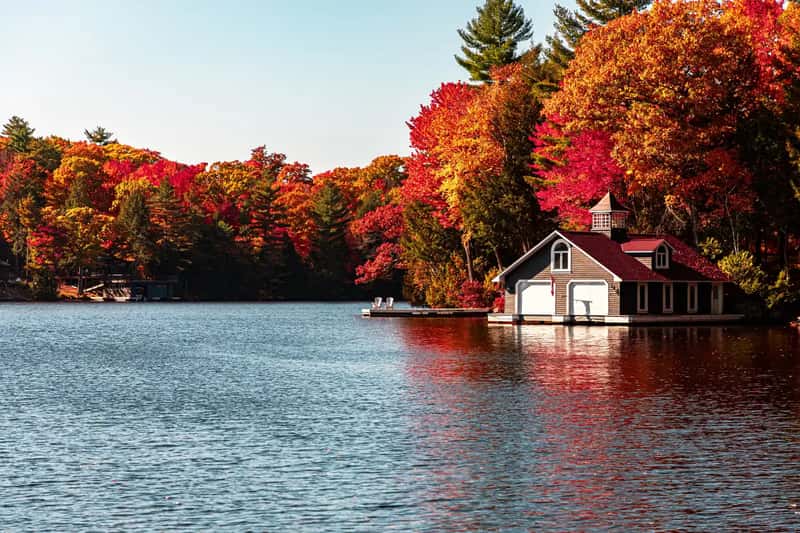
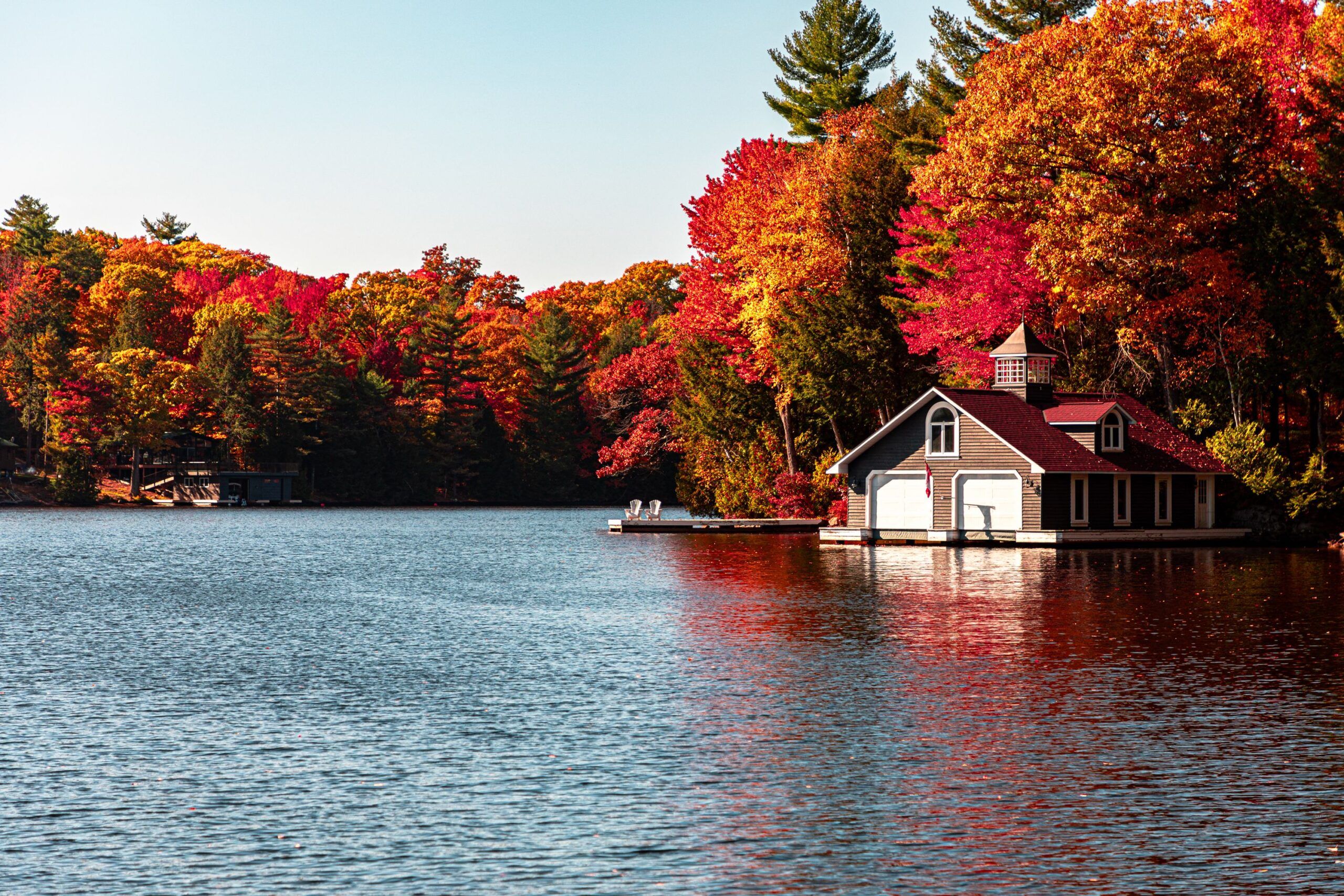
North of the border, the Canadian side of the Great Lakes has its own version of the cabin tradition, and it’s called cottage country. Regions like Muskoka and the Kawarthas fill up every summer with Toronto and southern Ontario families making the same weekend drive their parents and grandparents made before them. The cottage itself is often modest, but the ritual around it, the boat launch, the dock chairs, the corner store run for ice cream, is treated with real reverence.
Traffic on Friday afternoons heading north out of Toronto has become its own seasonal joke, a predictable slowdown that everyone complains about and nobody actually avoids. Cottage life isn’t about luxury so much as continuity, the same lake, the same neighbors, and the same slow pace repeated every June through August.
9. Dune Climbing at Sleeping Bear Dunes National Lakeshore
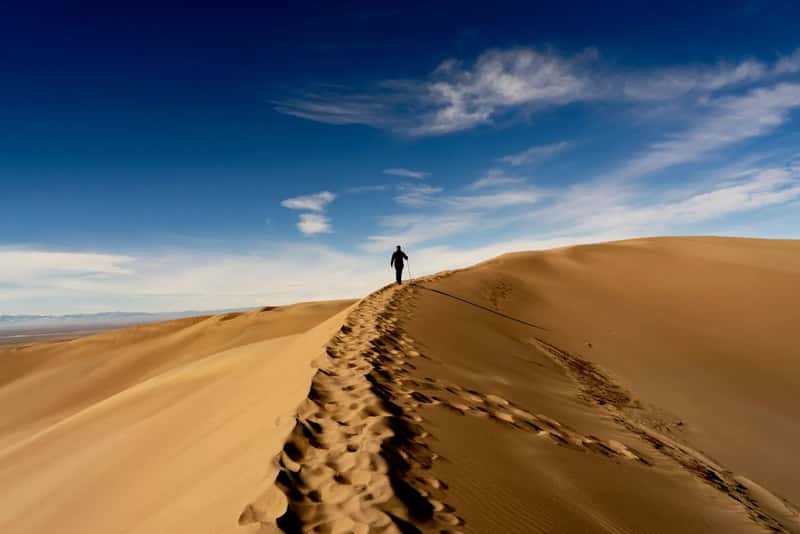
Along Lake Michigan’s northeastern shore, Sleeping Bear Dunes offers one of the region’s more physically demanding summer traditions: climbing towering sand dunes that rise dramatically above the water. Families have made the trek up the main dune climb for decades, treating the burn in their legs as a rite of passage before the reward of a cold lake below. The view from the top, with Lake Michigan stretching out in every direction, is the kind of payoff that keeps people coming back even after they’ve done the climb a dozen times.
What makes the dunes distinct from other lakeshore stops is the sheer scale of the landscape. Unlike a typical beach day, the dunes ask for actual effort, and that effort is part of the appeal for families who want their summer memories to include a little sweat alongside the sunburn. Nearby beaches and overlooks give everyone else a way to enjoy the same coastline without the climb.
10. Island Ferry Day Trips Across the Lakes
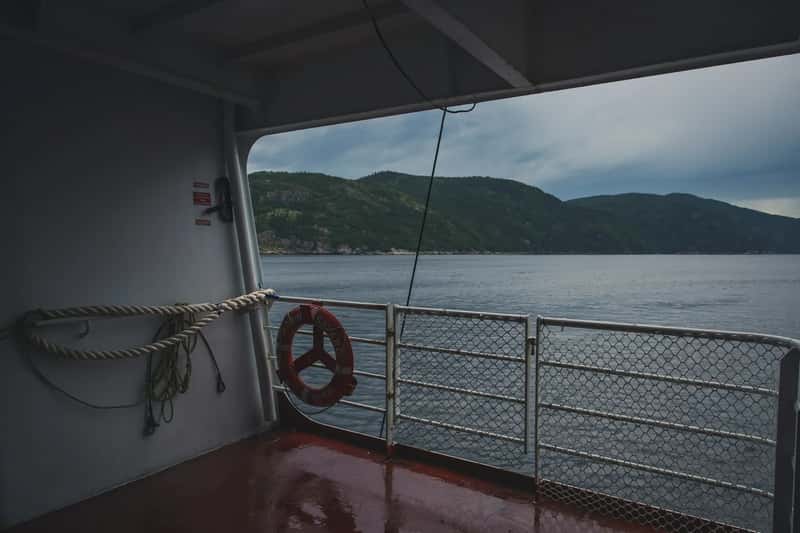
Islands scattered across the Great Lakes have turned the simple act of catching a ferry into its own summer tradition. Whether it’s a quick hop to South Bass Island near Ohio’s Put-in-Bay or the longer ride out to Mackinac, families treat the boat ride itself as part of the vacation, not just transportation to get there. Wind in the hair, gulls trailing the wake, and that first glimpse of an island coastline coming into view are as memorable to a lot of people as whatever they do once they land.
These islands tend to draw repeat visitors precisely because they’re a little inconvenient to reach. That extra effort filters out the casual day-tripper crowd somewhat and creates a community of regulars who show up on the same ferry schedule every summer, often recognizing familiar faces from the dock before they even step aboard.
11. Fourth of July Boat Parades and Lakefront Fireworks
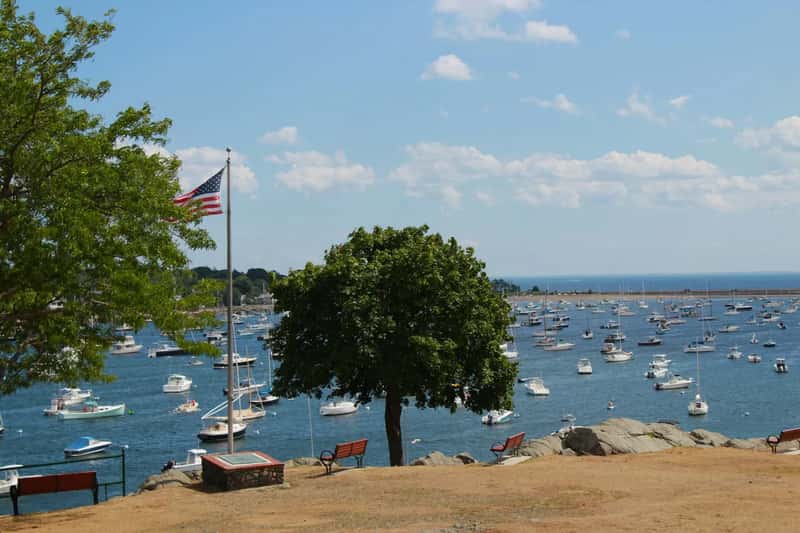
Independence Day on the Great Lakes usually means the water gets just as crowded as the shore. Decorated pontoons and sailboats join informal flotillas that drift past lake towns from Michigan to Minnesota, horns honking and flags waving as families cheer from their docks. It’s a tradition that requires no organizing committee or official sign-up, just a boat, some bunting, and a willingness to join the slow-moving procession.
When the sun finally sets, fireworks displays over the water become the night’s main event, with reflections doubling the show for anyone watching from a boat or a dock chair. Lake towns that might see modest crowds most of the year suddenly fill to capacity for this one weekend, proof that the holiday still pulls people back to the water even in an age of endless other options.
12. County and State Fair Season
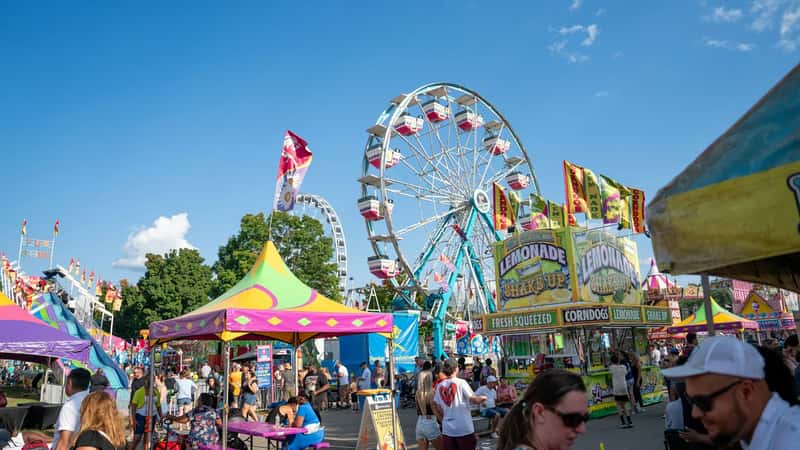
Late summer across the Great Lakes states means fair season, and for a lot of families that’s as sacred a tradition as any lake trip. From 4-H competitions to demolition derbies, county fairgrounds fill with the same mix of livestock judging, fried food, and carnival rides that’s barely changed in decades. It’s a tradition that runs parallel to the lake culture rather than competing with it, often bookending the summer just as cabin season winds down.
What keeps these fairs relevant is their local specificity. Every county fair has its own quirks, whether that’s a particular pie contest or a tractor pull that draws the same families every year, and that hyper local flavor is exactly what makes fair season feel distinct from the big national festivals. For plenty of Great Lakes kids, the fair marks the unofficial last hurrah before school starts back up.
These twelve traditions don’t show up in glossy tourism brochures as often as they should, but they’re the ones that actually get repeated year after year. They persist not because anyone markets them particularly hard, but because families keep choosing them over newer, flashier options. That kind of quiet consistency, more than any single festival or landmark, is what gives Great Lakes summers their particular character.