Most people assume the upgrade game is locked – that only the business travelers logging 100,000 miles a year ever see the inside of a premium cabin. That’s one of the most expensive myths in air travel, and the veterans who’ve worked upgrade desks for a decade or more know it. They have a completely different conversation with savvy flyers over 60. Tips that never make it into travel magazines, because those magazines are written for people who haven’t yet figured out how any of this actually works.
The passengers who consistently land better seats, skip the chaos, and arrive genuinely refreshed aren’t always the ones with the most miles. They’re the ones who know which questions to ask, when to ask them, and who to ask. What follows is the gap between what the system advertises and what the people running it quietly pass along to the travelers they respect most.
#13 – Your Upgrade List Position Was Already Set Before You Got to the Airport

Here’s something most travelers at the gate never realize: by the time you’re standing in line asking about upgrades, your place on the waitlist was probably decided hours earlier. The system doesn’t just look for the first person to ask – it calculates an invisible score for every passenger on the manifest. That score is a composite of your historical value to the airline and the fare class on your current ticket, creating a leaderboard that is often finalized the moment the check-in window closes, sometimes 24 to 48 hours before departure.
This is the single most important thing upgrade desk staff wish more travelers understood before walking up to the counter frustrated. A traveler with a clean reservation, a working boarding pass, and the correct loyalty number already attached is easier to process when the gate gets busy. Passengers who wait until boarding to fix account issues may miss the moment when the list is actively moving. The habit that quietly helps: handle every administrative detail early, then arrive at the gate with nothing unresolved.
At a Glance
- Upgrade lists can lock in 24–48 hours before departure — not at the gate
- Your “invisible score” blends loyalty status, fare class, and check-in timestamp
- Account errors or missing loyalty numbers can remove you from the list entirely
- American Airlines Concierge Key members receive upgrade consideration up to 120 hours before departure — a five-day head start over lower tiers
- Arriving at the gate with nothing unresolved is a genuine competitive edge
#12 – The Fare Class Code on Your Ticket Outranks Your Status Tier
Frequent flyers over 60 who’ve figured this out treat it like a trade secret – and for good reason. A passenger holding a Y or B class ticket (full-fare economy) will almost always leapfrog a high-tier elite member traveling on an O or V class deep-discount fare. That means booking the cheapest possible economy ticket can actively hurt your upgrade odds, even if you carry gold-level status. The fare class code is the ultimate tie-breaker, and most travelers never even know it exists.
The practical move: when you’re booking a flight where an upgrade matters, don’t automatically reach for the lowest price. Ask the agent which fare class gives you the best upgrade clearance priority. And if two passengers share identical status and fare codes, the one who tapped check-in ten seconds earlier on their app is the one who gets the wider seat. Set a reminder for the exact moment your check-in window opens. That single habit changes outcomes more reliably than most people expect.
#11 – Calling the Airline Directly Still Unlocks Deals the App Will Never Show You

Apps are convenient, but they’re also revenue-optimized. They show you what the airline wants you to buy at the margin it prefers. Many airlines quietly offer special fares for older travelers that never appear on any booking page – they live inside reservation systems that only phone agents can access, and they’re surfaced when a real human decides the conversation warrants it. A checkout screen will never make that decision. American Airlines offers senior fares for passengers 65 and older on select domestic and international routes, and these fares are not always visible online — calling or using the Advanced Search feature is often the only way to find them. AARP membership unlocks additional savings, including British Airways discounts of up to $200 off round-trip transatlantic flights to over 130 destinations.
The pro move, according to insiders: always ask the agent to compare the senior fare against current web specials, because occasionally the sale price wins – but you’d never know without asking both questions in the same call. United Airlines carries age-based discounts on certain domestic routes for passengers 65 and older, best confirmed by calling the reservations line directly. Most travelers never make the call because they assume everything is online now. The ones who do call are frequently surprised by what’s sitting in the system, waiting to be asked for.
Quick Compare: Senior Airline Discount Options (2025–2026)
- American Airlines: 65+ senior fares on select routes; not always shown online — call or use Advanced Search
- United Airlines: Senior discounts for 65+ on certain markets; call reservations to confirm availability
- British Airways (via AARP): $65–$200 off round-trip transatlantic tickets; AARP membership required
- Air France Senior Plus: 65+ program on select routes; varies by destination
- Lufthansa Senior Advantage: Approximately 7% off select routes for travelers 65+
- Japan Airlines Silver Wing: Dedicated program for domestic flights, 60+
#10 – The 72-Hour Bidding Window Is Where the Real Deals Actually Live
Most travelers either don’t know airline bidding programs exist, or they dismiss them as a long shot. Experienced flyers over 60 – especially those with flexible schedules – treat the bidding window like a recurring opportunity. The global upgrade bidding market reached $1.47 billion in 2024 and is growing rapidly, with major U.S. and Canadian carriers among the earliest adopters of these platforms. Airlines release unsold premium seats at a steep discount in the 48 to 72 hours before departure, and that window is almost entirely invisible to travelers who stop checking once they’ve booked.
The sweet spot, according to agents who process these bids, is the 60-to-72-hour mark before departure – early enough that your bid gets serious consideration, late enough that the airline knows which seats aren’t going to sell at full price. Lufthansa, for example, typically sends upgrade bid offers around seven days before departure on long-haul routes, while Air Canada’s AC Bid program accepts cash bids up to 48 hours out. Checking your airline’s website or app during that window can unlock surprise deals worth hundreds less than the usual fare difference. Setting one calendar reminder for that window costs nothing and occasionally pays off dramatically.
#9 – Solo Travelers Get Upgraded at a Dramatically Higher Rate Than Couples or Families
This one genuinely surprises people when they hear it stated plainly. One seat is easier to shuffle than two. Flight attendants and gate agents can relocate individuals quickly without creating layout issues for an entire row. If there’s only one open premium seat, a solo traveler is a better fit than a couple hoping to stay together – and the math on that is simple enough that agents don’t even have to think about it. Solo travelers are quietly at the front of the informal upgrade consideration in a way the airline would never advertise.
For travelers over 60 who fly with a spouse, this is one of the harder truths to act on – but experienced flyers know the workaround. When traveling together on separate booking records, calling to link the reservations while maintaining the option to split if only one seat clears is something a skilled agent can arrange. It keeps both passengers on the upgrade list, and if only one seat opens up, someone gets the better cabin. Gate agents consistently respect travelers who’ve already thought this through before approaching the counter.
#8 – Off-Peak Flights Have Empty Premium Cabins That Need Bodies in Seats
Business travelers dominate upgrade lists on Monday mornings and Thursday evenings. That pattern leaves a very specific opening. Fewer travelers book during awkward windows like Tuesday afternoons or Saturday evenings, which regularly leaves premium cabins with empty seats. Airlines sometimes release those seats to non-elite passengers to balance the plane or reward loyal flyers. Booking outside peak hours means competing against a fraction of the upgrade list that a Monday morning traveler faces – and that’s not a small edge.
Travelers over 60, particularly retirees with genuine schedule flexibility, have a structural advantage here that younger, office-bound travelers simply don’t. International premium class travel grew 11.8% in 2024 according to IATA’s World Air Transport Statistics, meaning more competition on peak travel days. The traveler who flies Tuesday afternoon sidesteps most of that competition entirely. It’s often the difference between getting the seat and watching someone else board ahead of you.
Worth Knowing: When Premium Cabins Are Most Likely to Have Open Seats
- Best days to fly: Tuesday, Wednesday, Saturday — fewest business travelers competing for upgrades
- Peak competition days: Monday morning, Thursday evening — dominated by elite corporate flyers
- Best departure times: Mid-afternoon and early evening on off-peak days
- Avoid: Holiday Mondays, Sunday evenings, and any date adjacent to a major conference city event
#7 – Mentioning a Milestone Actually Works – If You Pick the Right Moment
Here’s where a lot of people get this wrong: they mention their anniversary at the gate, surrounded by forty other passengers, while the agent is trying to close a flight. That timing kills the move. The right moment is at the check-in counter, earlier in the process, when the agent has a breath of room and the upgrade list hasn’t fully crystallized. A friendly mention of a birthday or anniversary at that stage doesn’t guarantee anything – but the combination of timing and genuine warmth stands out more than travelers expect.
Gate agents and flight attendants hold real discretion in deciding who gets a surprise upgrade, especially for passengers who are pleasant, well-presented, or marking something meaningful. That discretion is exercised in favor of people who make the agent’s job easier, not harder. Demanding passengers, passengers who open with entitlement, and passengers who carefully explain why they deserve an upgrade are almost never the ones who get it. The person who smiles, mentions it’s their 40th wedding anniversary, and lets the agent work – that’s the one who occasionally finds a boarding pass with a very different row number printed on it.
#6 – Your Loyalty Number Has to Be Attached to the Reservation Before You Arrive
This sounds so basic that most travelers assume it’s handled automatically. It often isn’t. Booking through third-party sites, travel agents, or partner airline portals can leave a reservation that looks complete but is missing the one data point the upgrade algorithm needs: your loyalty membership number. By the time you reach the counter to fix it, the automated system may have already sorted the upgrade list without your name on it. Agents can sometimes add it manually, but the window for that to actually help is narrow.
Savvy frequent flyers over 60 make it a habit to log into their airline account and verify the loyalty number is properly linked to every upcoming reservation at least a week before travel. Elite status still carries the most weight in the upgrade queue, but airlines use automated systems that layer status, fare type, check-in time, and booking details together. If the system can’t find your loyalty number, none of those factors work in your favor. One five-minute check eliminates the problem entirely – and it’s the kind of small discipline that quietly separates the travelers who get upgraded from the ones who wonder why they never do.
#5 – Early Check-In Is One of the Last Free Advantages Left in the System
Airlines have steadily monetized almost every informal advantage that used to exist. But the check-in timestamp still carries real weight in the upgrade queue, and it costs nothing to use it deliberately. Some airlines release premium seats during online check-in – usually 24 hours before departure – and being among the first to check in can mean claiming a better seat before anyone else gets the chance. It also places your name higher on any informal upgrade list before that list hardens.
The travelers who consistently benefit treat check-in like a scheduled task, not something to remember when they’re packing. Set an alarm for the exact 24-hour mark. As of 2024, many carriers have introduced dynamic pricing for upgrades, allowing passengers to bid or purchase upgrades at check-in or at the gate – but that window is narrow, and being present the moment it opens is how you catch it. The passengers who check in during the first five minutes of eligibility are in a categorically different position than those who check in at hour 20. The list looks very different by then.
#4 – Consolidating Your Flying With One Airline Builds an Advantage That Compounds Over Time
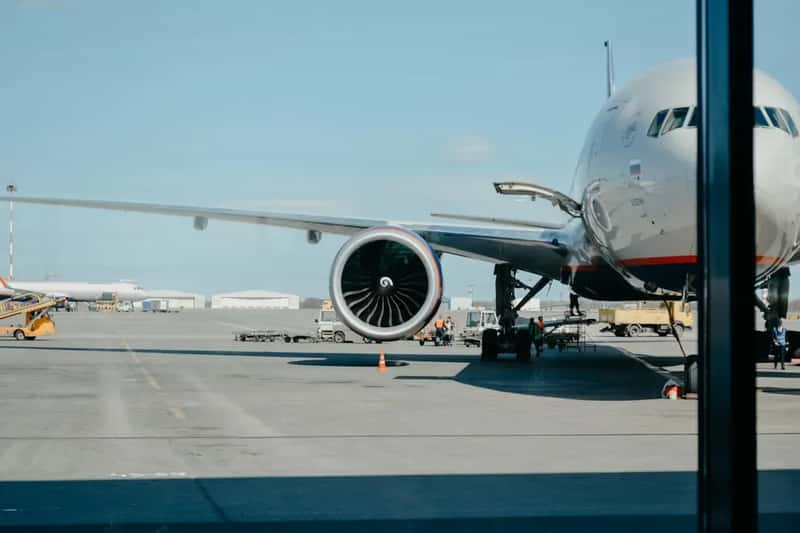
One of the most common mistakes even experienced travelers make is chasing cheap tickets across multiple airlines while wondering why they never seem to get upgraded. The math doesn’t work that way. Industry analysis has estimated that leveraging elite status for upgrades produces an average annual value of around $3,500 for frequent travelers, factoring in both monetary savings and enhanced travel experiences. That value evaporates when you split your flying across four carriers to save $30 on any given booking.
Achieving mid-tier elite status – Gold or Platinum – with one major airline typically requires 25,000 to 50,000 qualifying miles per year, or roughly 10 to 20 domestic round trips. For a traveler over 60 taking two or three international trips annually plus a handful of domestic flights, consolidating everything onto one carrier can push them into elite status faster than they’d expect. The upgrade benefits that come with even mid-tier status are substantial – and they arrive precisely at the stage of life when travel comfort matters most.
Fast Facts: Elite Status Upgrade Value
- Estimated average annual value of elite status for upgrades: ~$3,500 per frequent traveler
- Mid-tier Gold or Platinum status typically requires 25,000–50,000 qualifying miles per year
- That’s roughly 10–20 domestic round trips — achievable for active retirees in 12 months
- Delta now weights Million Miler status above fare class in its upgrade priority structure (as of 2024)
- Splitting miles across multiple carriers resets your position to the bottom of every airline’s upgrade queue
#3 – Alliance Status Opens Lounge Doors – and Lounge Staff Have Upgrade Intel Nobody Else Has
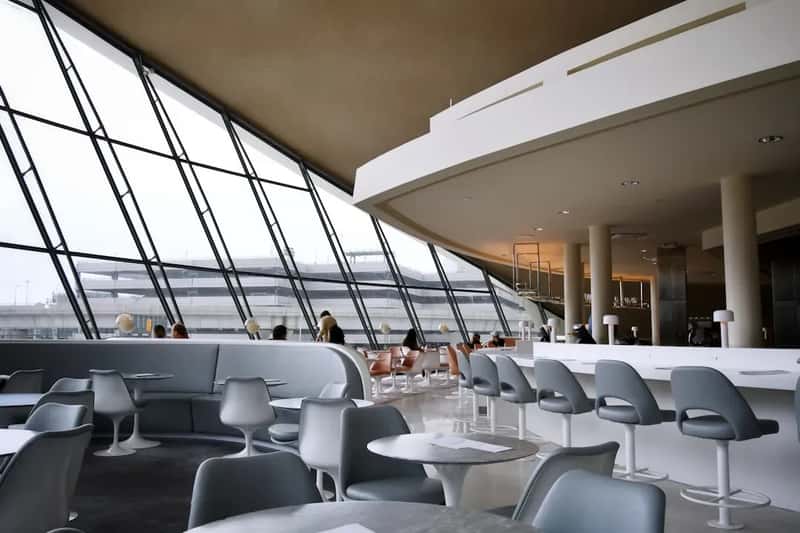
The connection between lounge access and upgrade intelligence is something most travelers never consider. Lounge staff at major hubs often have advance knowledge of load factors, equipment changes, and upgrade availability that gate agents are simply too busy to share. If you hold elite status with an airline belonging to Oneworld, Star Alliance, or SkyTeam, you can usually access partner airline lounges across the alliance – not just your home carrier’s. American Airlines status can get you into a Qantas or British Airways lounge at airports where the Admirals Club has no location. Most travelers never try, because they assume their card only works at their own airline’s door.
Once you’re inside, the entire dynamic changes. Lounge agents process upgrades with none of the pressure or time constraints hammering gate agents during the boarding scrum. They have time to look at your profile, notice your status history, and make a call they’d never make in the chaos outside. Travelers over 60 with mid-tier status who consistently use alliance lounge access report a noticeably higher rate of upgrade conversions than those who wait at the gate and hope for the same result from a far more harried agent. The lounge is where the quieter, more favorable version of the upgrade conversation actually happens.
#2 – Asking the Agent to Check With Revenue Management Is a Move Almost Nobody Makes
Most travelers ask if upgrades are available, hear “no,” and walk away. The travelers who actually get upgrades on flights with technically unavailable premium seats know there’s a next step. Revenue management teams are responsible for maximizing a flight’s profitability – including how and when unsold seats are released for passenger upgrades. Gate agents don’t automatically escalate to revenue management on your behalf. But if you know enough to ask them to, the conversation changes in a way that’s hard to overstate.
If the agent says none are available, experienced travelers don’t hang up or accept the answer and drift toward their gate. They ask politely whether the agent can check again or connect them to revenue management. This works because it signals that you understand how the system actually functions – and agents respond differently to passengers who clearly know what they’re talking about. Gate agents hold genuine discretionary power to surprise and delight passengers. Knowing which lever to point to – calmly, specifically, without demanding – is the rare skill that separates the passengers who get the seat from those who don’t.
#1 – The Single Biggest Upgrade Advantage Is Being Genuinely Easy to Work With
After everything – status tiers, fare class codes, bidding windows, check-in timestamps, alliance lounges – the upgrade desk staff who’ve been doing this for years will tell you the same thing when you ask what actually moves the needle. Airline staff are human beings processing hundreds of transactions a day, many of them unpleasant. Being the opposite of difficult is a genuine differentiator, not a platitude. That coveted upgrade really can come down to a smile at the right moment, delivered to the right person, in the right way.
“I never ask for an upgrade. I do it because I know how difficult passengers can be and most passengers treat them like crap. You probably won’t get upgraded, but I bet they will give you first-class service.”
Johnny DiScala, frequent flyer and travel expert, on his habit of bringing chocolates for gate agents and flight attendants
The travelers over 60 who get upgraded most consistently aren’t the ones who’ve cracked an algorithm – they’re the ones who’ve spent years being genuinely decent to the people processing their flights. That reputation travels through reservation systems in ways no booking trick ever will. It’s the one upgrade strategy that can’t be automated away, monetized, or sold as an add-on. And somehow, it’s still the one most people overlook entirely.
The upgrade desk isn’t a lottery. It’s a layered system with real rules, real human judgment, and real advantages available to travelers who understand both. The thread connecting all 13 of these insights is the same: the passengers who fly better aren’t the ones who found a loophole. They’re the ones who took the system seriously enough to learn how it actually works – and respectful enough to work within it rather than around it.