Most people who end up needing a search and rescue team didn’t think they were doing anything reckless. They packed snacks, wore sneakers, and figured a trail marked “moderate” would be a pleasant afternoon. From 1992 to 2007, over 78,000 people were involved in search and rescue incidents across national parks – incidents that ended with 2,659 fatalities and more than 24,000 ill or injured visitors. That’s not a fringe problem. That’s a pattern, and rangers watch it repeat itself every single season.
The National Park Service recorded a record-breaking 331.9 million recreation visits in 2024 – more people than ever discovering these wild places. But more visitors also means more people making the same avoidable mistakes. The ones on this list aren’t exotic or rare. They’re the everyday choices that turn a great day hike into an emergency call. Some of them will genuinely surprise you. Here’s what rangers actually say.
#14 – Starting the Hike Without Telling Anyone Where You’re Going
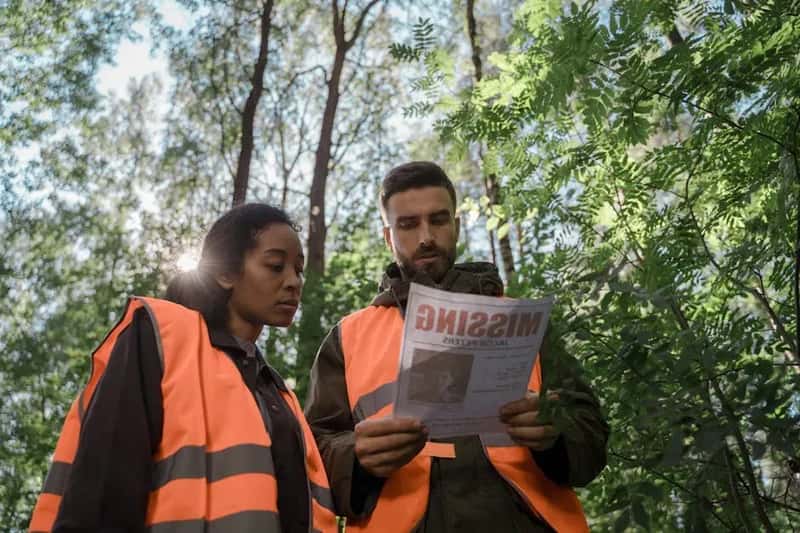
This one costs people their lives and it takes about 30 seconds to fix. Many backcountry trails have little or no cell service, and if you don’t come back, the clock starts ticking – but nobody knows to start it unless you told someone where you were headed. America’s national parks cover millions of square miles. Rescue teams can’t search all of it.
Your itinerary should include your hiking route, estimated return time, and lodging plans. Rangers consistently say this simple habit is the single biggest factor in whether a lost or injured hiker is found in time. Write it down, text it, say it out loud – just make sure someone knows. The 30 seconds it takes could be the most important 30 seconds of your trip.
Fast Facts
- On average, a search takes about 10 hours to locate a missing person – and they’ve typically been missing for 14 hours before the search even begins.
- The average lost hiker is found less than 1 mile from their starting point, and only about 58 meters from the nearest trail or road.
- Nationwide, an estimated 50,000 search and rescue missions are conducted each year – hikers account for 48% of all lost-person incidents.
- Grand Canyon alone responds to approximately 310 search and rescue incidents every single year.
#13 – Assuming Cell Service Will Bail You Out

People step onto backcountry trails fully expecting to call 911 if things go wrong. That assumption has gotten hikers killed. You cannot count on cell reception in most parks, which means a plan that only works with a signal isn’t a plan – it’s a gamble. Rangers see this play out constantly: hikers using phones for navigation and flashlight until the battery dies, at which point they’re lost, cold, and completely unreachable.
A satellite messenger changes that equation entirely. By sharing your satellite messenger frequency with someone at home, they can track your position live and alert emergency responders if something goes wrong. Develop your emergency plan before you leave – not when you’re standing on a ridge watching your last bar disappear. Real emergencies don’t wait for signal.
#12 – Wearing the Wrong Footwear for the Terrain
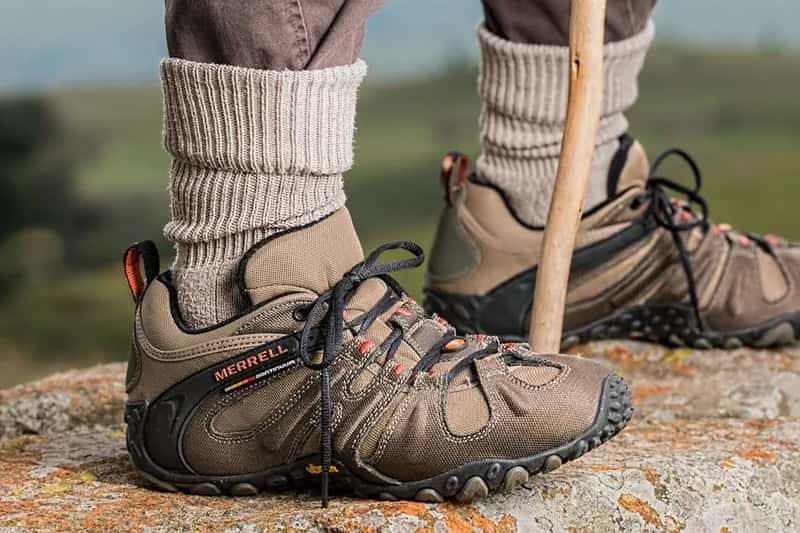
You’d be surprised how many search and rescue calls trace back to what someone had on their feet. Flip-flops, canvas sneakers, and brand-new unbroken-in boots are constant culprits on trails that demand real grip and ankle support. Every season, rangers watch visitors tackle challenging terrain in sandals and crocs – and it looks harmless right up until someone hits a wet rock or a loose scree slope.
At minimum, trail-running shoes with outdoor traction are recommended for rugged terrain. New hiking boots should always be broken in on easier trails first to prevent blisters that can stop you cold five miles from the trailhead. Footwear that feels fine in a parking lot feels completely different after 1,000 feet of elevation gain on loose rock. Dress your feet for where the trail goes, not where it starts.
#11 – Skipping the Actual Weather Check (Not Just a Glance)
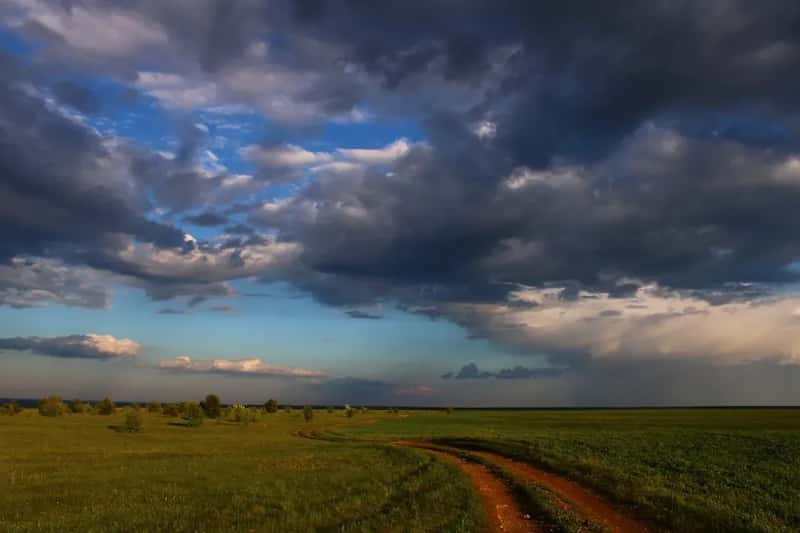
Checking the weather the night before and calling it good is one of the most common pre-hike mistakes rangers see. Conditions at trail elevation can be completely different from the town where you woke up. Hikers frequently experience a dramatic gap – 70 degrees and blue skies at the trailhead parking lot, then sleeting by the time they reach elevation. That gap is where hypothermia starts.
Check the weather on the actual day of your hike, not just a few days before, and look specifically for trail-level conditions rather than town weather. Understanding the forecast helps you pack the right gear, decide when to abort a hike before it becomes dangerous, and know where to avoid in the event of a flash flood. Weather apps show you what’s happening in town. You need to know what’s happening up there.
At a Glance: Before You Leave the Trailhead
- Tell someone: Route, trailhead location, and expected return time – every single time.
- Check weather twice: The night before and morning-of, at trail elevation – not just the nearest town.
- Charge your devices: Phone plus a backup battery, or a satellite communicator for remote terrain.
- Know your turnaround time: Set it before the first step and commit to it no matter how close the summit feels.
- Stop at the ranger station: Real-time conditions, closures, and wildlife alerts – completely free.
#10 – Not Knowing What “Moderate” Actually Means
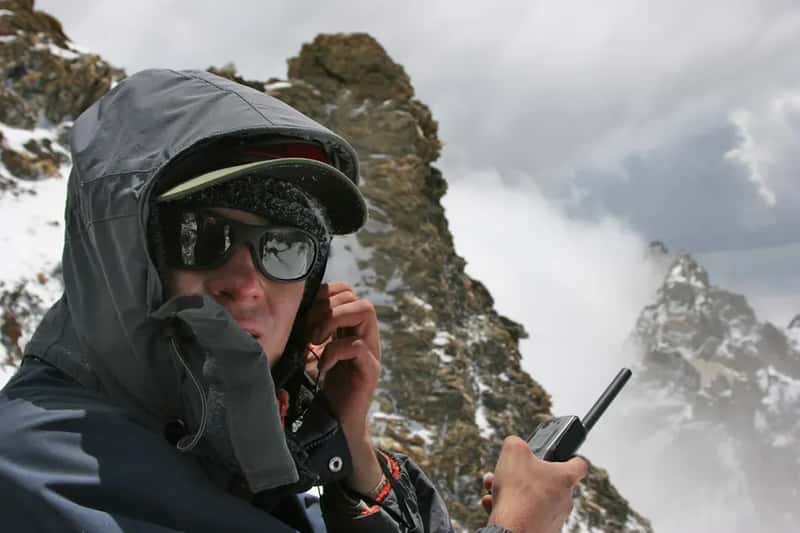
Trail difficulty ratings are not standardized across parks, regions, or trail apps – and that gap between expectation and reality is exactly where rescues happen. “Moderate” by whose standard? A moderate trail in the Rockies would humble most people who walk a few miles a week at sea level. Rangers call this one of the most common triggers for search and rescue calls, especially in high-altitude parks.
Zion National Park is a perfect example. The lush canyon scenery lulls hikers into thinking they’re on a leisurely stroll – but many trails climb over 1,000 feet in just a couple of miles at deceptively high altitude. The park regularly receives calls from visitors who didn’t research the elevation gain and find themselves trapped on a ridge, too exhausted to get back. Look up the elevation gain, not just the mileage. Those are two very different numbers.
#9 – Crossing Flooded Streams Without Thinking Twice
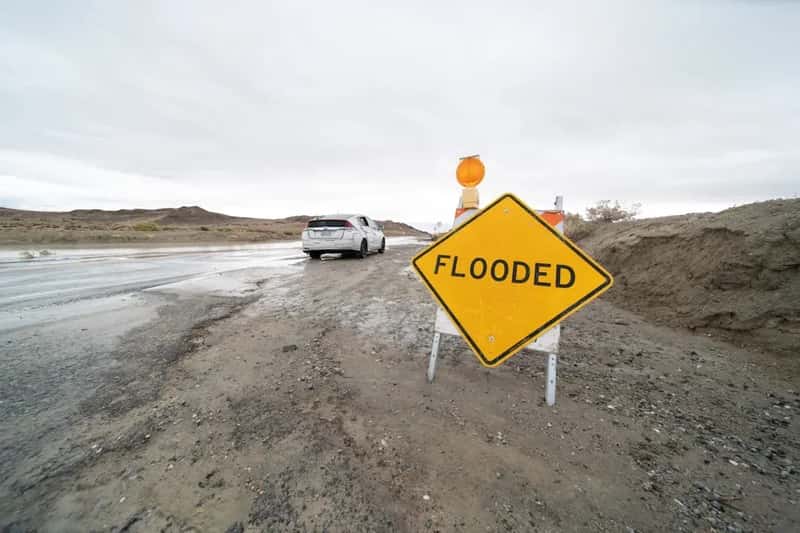
A stream crossing that looked totally manageable in trail photos can turn into a serious hazard after a single night of rain – and most hikers have zero training for reading moving water. Flooding streams are especially dangerous after heavy rain or snowmelt, when water levels can rise fast and current can be far stronger than it looks from the bank. Knee-deep fast-moving water is enough to knock an adult off their feet.
Proper technique for unbridged crossings – identifying stable footing, reading the current, moving diagonally – can mean the difference between a cold boot and a hypothermia emergency. Rangers will tell you: when in doubt, wait it out or turn back. The trail will still be there tomorrow. The risk of a botched crossing can follow you a lot longer than that.
#8 – Treating Wildlife Like a Photo Op

It happens constantly in every major park, and it still alarms rangers every time they watch it unfold. A visitor spots a bison, a moose, or a bear and starts inching closer for the perfect shot. In 2024, an 83-year-old woman was severely injured after being gored by a bison at Yellowstone National Park. Bison look slow and docile from a distance. They are neither – they can sprint at 35 miles per hour.
The NPS advises staying at least 100 yards from bears and wolves, and at least 25 yards from all other wildlife without exception. Even small mammals can bite and carry disease. Feeding wildlife damages their health, disrupts natural behavior, and ultimately gets animals euthanized when they become too habituated to humans. As rangers often put it: a fed animal is a dead animal. The photo isn’t worth it – and the animal pays the price, not you.
Quick Compare: NPS Minimum Safe Distances
- Bears & wolves: At least 100 yards (roughly the length of a football field)
- Bison, moose, elk, bighorn sheep: At least 25 yards – more if they show signs of stress
- All other wildlife: At least 25 yards, no exceptions for “small” animals
- Any wildlife showing agitation: Increase distance immediately and do not run
#7 – Ignoring the Turnaround Time Rule
One of the most overlooked mental traps in hiking is what rangers call summit fever – the refusal to turn around because you’ve already come so far. It’s a powerful feeling, and it’s gotten people killed. Your total hike time includes the time it took to get to your destination and back. That sounds obvious until you’re standing on a ridge at 3 p.m. realizing you’ve burned two-thirds of your daylight getting up.
Set your turnaround time before you leave the trailhead – and commit to it regardless of how close the summit feels. Real rescues repeatedly involve hikers who didn’t start until late afternoon and then refused to turn back when the math stopped working. The trail will always be there next time. The window of safe daylight won’t wait for you to decide you’re ready.
#6 – Stepping Past Safety Barriers for a Better Photo
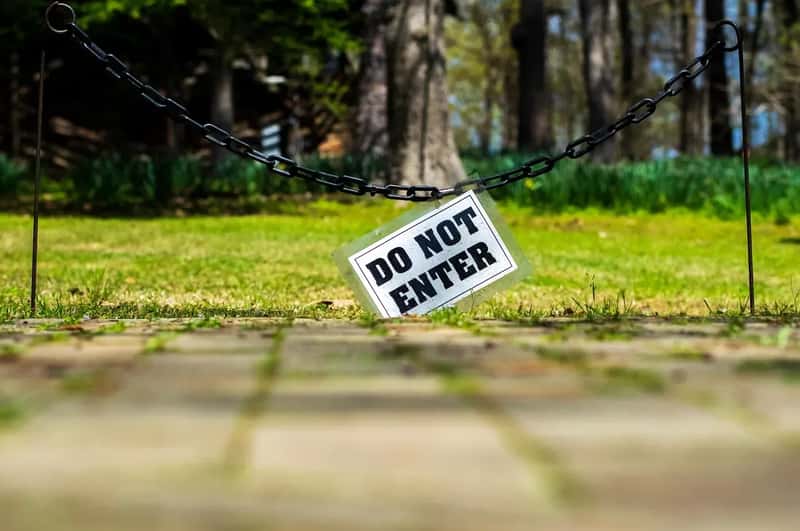
Rangers have stopped being surprised by this one – which is itself a troubling sign. Every overlook with a safety rail has a story attached to it. Two tourists died after climbing over a barrier at Bryce Canyon in Utah, and high-profile tragedies like that barely slow the behavior down. People step past the barriers for a photo, sometimes just a foot or two, and that’s all it takes on a crumbling sandstone edge.
Experts advise staying a full body length back from any exposed edge, whether you’re above a cliff or below one. The executive director of the Association of National Park Rangers has noted that many deaths are “true accidents – the person making an error in judgment that results in falling or being in a place of jeopardy.” The barrier isn’t decoration. It marks the exact point where the ground stops being trustworthy. Don’t test it for a photo that will look the same from two steps back.
#5 – Not Drinking Water Until You’re Already Thirsty
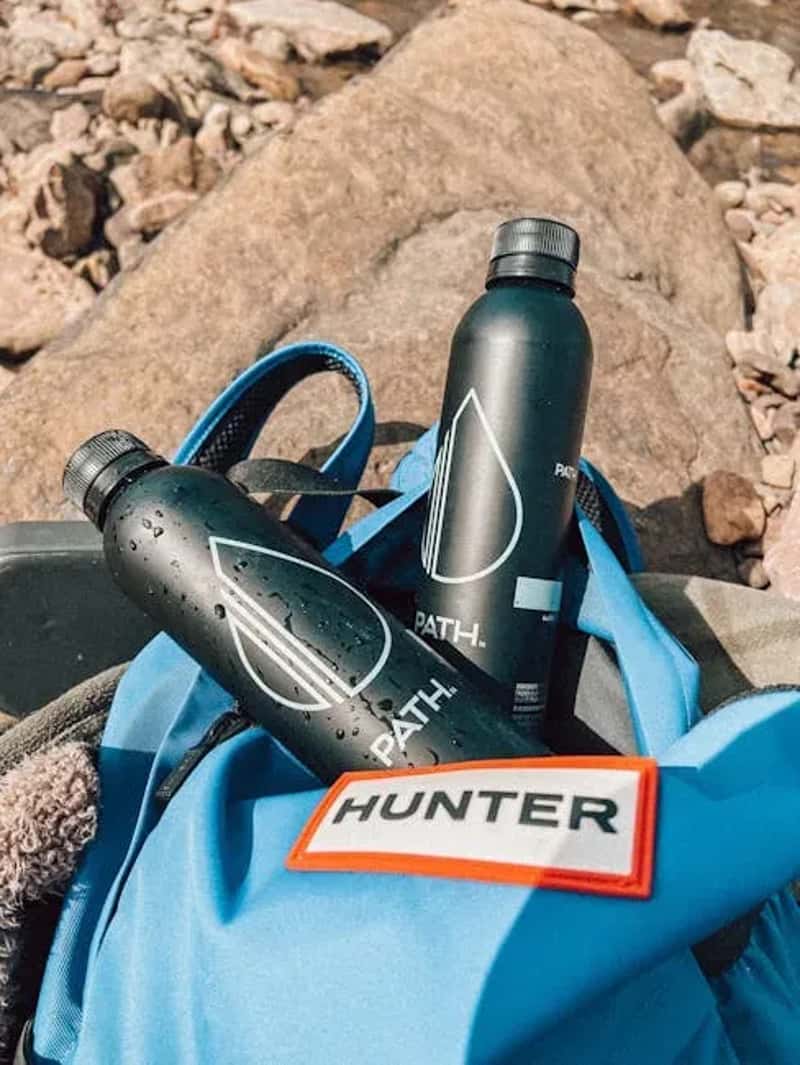
Thirst is a lagging indicator – by the time you feel it, dehydration has already started working against you. This is especially dangerous on exposed, high-elevation, or desert trails where heat and dry air pull fluid out of your body faster than most people expect. You feel fine, you’re having a great time, and then the sun climbs and you realize you’re halfway through your water with no refill in sight.
The American Hiking Society recommends drinking one half to one quart of water every hour of hiking – and more in high heat or at altitude. Strenuous hiking in high heat may require a full liter or more per hour. Bring more than you think you need, and if the route has water sources, carry a filtration system so you’re never forced to choose between stopping and pushing through on empty. Rangers consistently remind hikers to start the day hydrated and well-fed – because longer than expected is, it turns out, the norm.
Worth Knowing: Hydration on the Trail
- Three out of four people arrive at the trailhead already partially dehydrated before taking a single step.
- Drink 16–24 oz. of water in the hour before you hit the trail, then sip small amounts every 15–20 minutes while hiking – don’t wait for thirst.
- Dehydration symptoms include dizziness, headache, fatigue, nausea, and cramps – they can set in within an hour on a hot day.
- Hike longer than an hour? Add electrolytes. Sweating depletes sodium and potassium, and plain water alone won’t replace them.
- Light yellow urine = well hydrated. Dark yellow or amber = drink more now.
#4 – Poor Food Storage That Invites Wildlife Into Camp
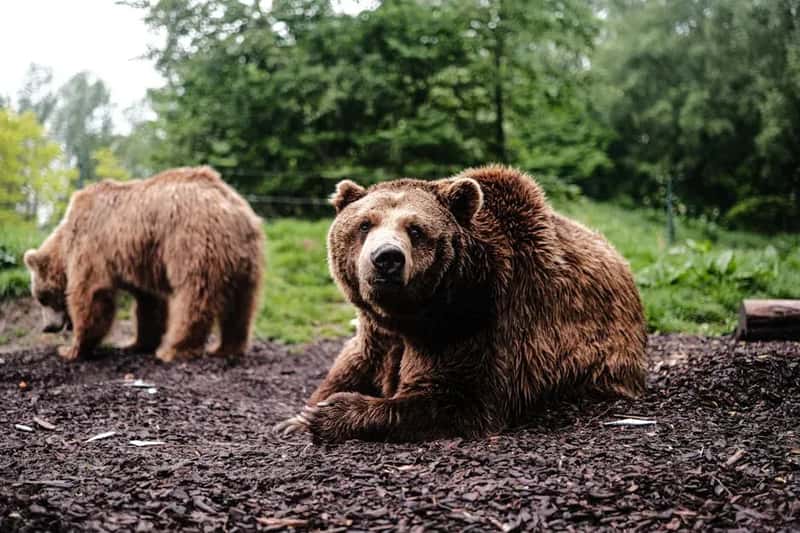
Leaving food unsecured at camp isn’t just an inconvenience – it directly endangers the wildlife that comes to investigate, and it puts you and the next person to use that campsite at real risk. Bears, mice, and other animals that learn to associate campsites with food become persistent, then aggressive, and eventually have to be euthanized. The granola bar you left out can be a death sentence for an animal that never asked for any of it.
Hard-sided bear canisters are the most reliable food storage method in the backcountry – and in many wilderness areas, they’re not optional etiquette but required by law, with rangers issuing citations for violations. Bear canisters are mandatory throughout Yosemite’s entire backcountry, all of Rocky Mountain National Park’s wilderness below treeline, Denali, Lassen Volcanic, and dozens of other parks and forests. Some parks offer rentals at visitor centers, but availability isn’t guaranteed – plan ahead. Protect the wildlife. Protect the next hiker. Lock your food up.
#3 – Going Off-Trail “Just for a Shortcut”
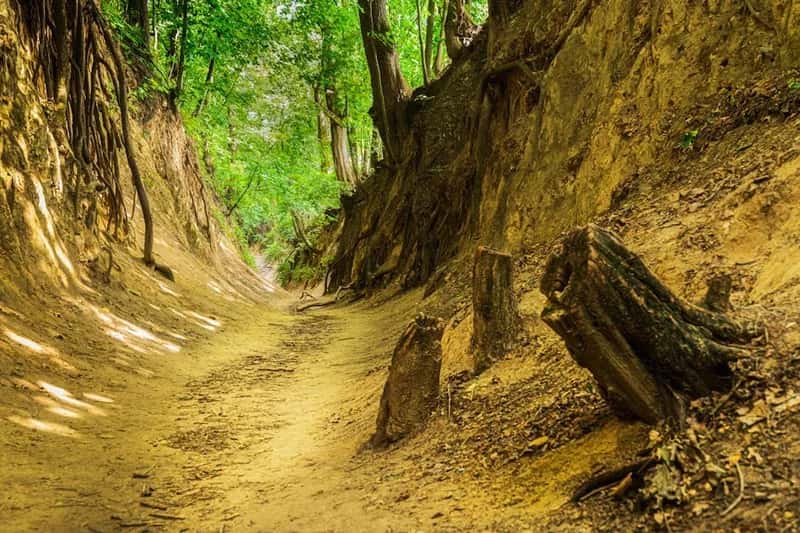
The marked trail exists for two reasons: to keep you safe and to protect the landscape around it. Cutting switchbacks or bushwhacking off-route to save a few minutes causes erosion that takes years to repair – and it dramatically increases your chances of a twisted ankle or getting genuinely lost. Rangers call this one of the most self-defeating things they see, because the shortcut almost always costs more time than it saves.
Above the treeline, fragile alpine plants can be destroyed by a single footstep and may take decades to recover. One person cutting a corner multiplied by a thousand people over a summer is a permanently scarred landscape. Stay on marked trails, keep pets leashed on sensitive terrain, and pack out everything you pack in. The trail was put there deliberately. Trust it.
#2 – Overestimating Your Fitness for the Altitude
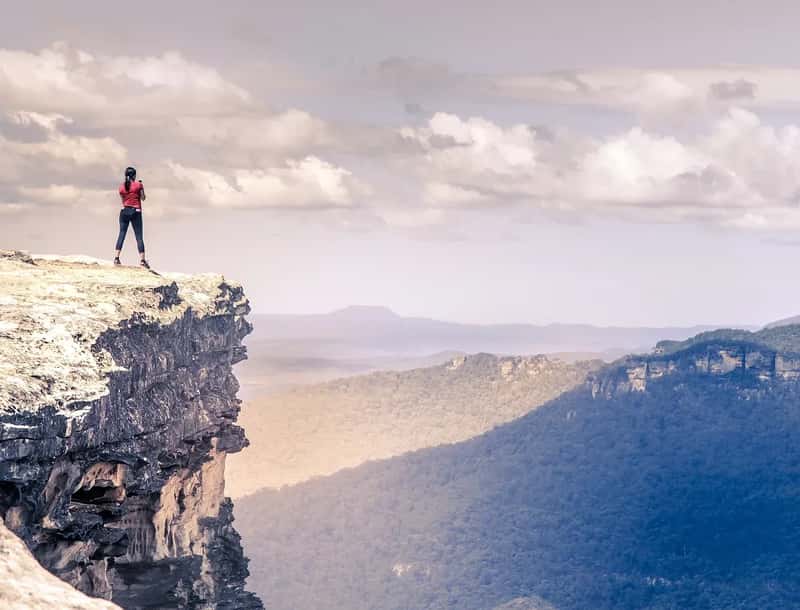
Fitness at home does not translate directly to fitness at elevation, and this gap catches confident, active people off guard more than almost anything else on a trail. For every 1,000 feet of elevation gain, the temperature drops three to five degrees – and the thinner air makes every step feel harder than it should. Altitude sickness can hit fit, healthy adults who simply didn’t account for the difference between sea-level lungs and mountain air.
If you’re hiking at significantly higher altitude than you’re used to, give yourself time to acclimate before pushing hard. Get good sleep, drink extra water, and resist the urge to overexert on day one. Seasoned trail guides say many hikers carry more confidence than their actual ability can back up – and when you push past your real limit at altitude, the consequences come fast and hard. The mountain doesn’t care what you can do on a treadmill. Acclimate first, summit second.
Why It Stands Out: Altitude Changes Everything
- Temperature drops 3–5°F for every 1,000 feet of elevation gain – what starts as a warm day can end in near-freezing conditions at the summit.
- Altitude increases water loss through faster breathing and reduced humidity, accelerating dehydration even when you don’t feel hot.
- Symptoms of altitude sickness – headache, nausea, fatigue, dizziness – can appear in healthy adults at elevations above 8,000 feet.
- The general rule: arrive a day early and sleep at a lower elevation before tackling high routes above 10,000 feet.
#1 – Not Checking In With a Ranger Before You Head Out
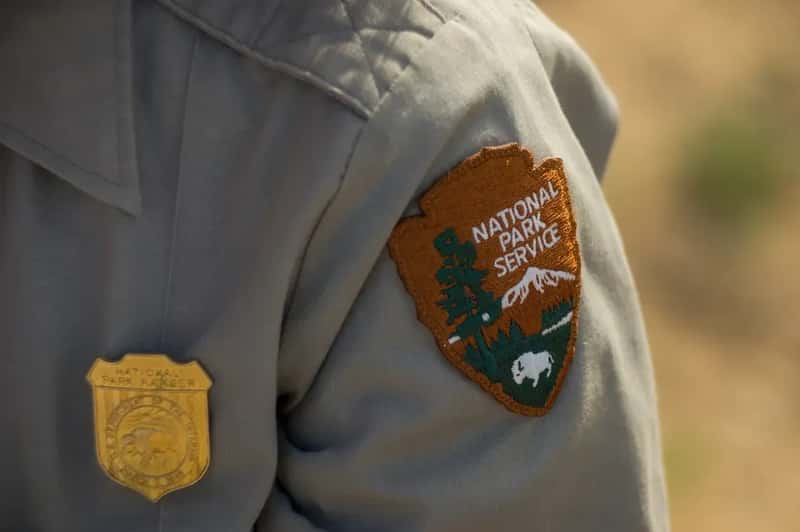
This is the one rangers wish more people took seriously – because it costs nothing and changes everything. Real-time trail conditions, recent wildlife activity, active closures, flash flood warnings, and specific route advice are all sitting behind the visitor center desk, completely free. Most visitors walk right past without stopping. The ranger at that desk has seen what the trail looks like today. You haven’t.
All park visitors – regardless of experience level – should review safety recommendations before heading out. Some parks actively recommend satellite communication devices and medical assistance services that most casual visitors never even know exist. Check your chosen park’s website for current alerts and trail warnings before you travel, and then stop at the desk anyway. Five minutes with a ranger is worth more than any trail app. Ask the person who was just out there.
The patterns here aren’t hard to see. Most trail emergencies don’t come from bad luck – they come from skipped steps that felt minor in the moment. A quick conversation with a ranger, an itinerary texted to someone at home, a turnaround time set before the first footstep: these are the habits that separate people who come home with a great story from the ones who become a cautionary one. The trail isn’t trying to trick you. It just doesn’t forgive the things you forgot to prepare for.