The ads are gorgeous. Glittering pools, sunset dinners, Caribbean blue in every direction – and a price tag that feels almost generous. That’s not an accident. The cruise industry has spent decades perfecting the art of making you feel like you’ve already won, right up until the moment the final bill arrives and the number looks nothing like what you thought you agreed to. Millions of Americans board ships every year convinced the hard part is done. It isn’t.
But the money stuff is almost the easy part to explain. The secrets cruise lines guard most carefully go deeper – below the waterline, behind the spa door, inside the crew quarters you’ll never see, and into the environmental record they’d rather you never Google. Some of what follows will make you frustrated. A few entries might genuinely shock you. At least one could save you real money, or real trouble, on your next trip.
#15 – The “All-Inclusive” Label Is One of the Biggest Lies in Travel

Most first-time cruisers book a ticket believing the hardest part of budgeting is already done. It isn’t. That “all-inclusive” rate typically excludes alcohol, gratuities, shore excursions, internet access, specialty dining, and anything you spend in the casino. In reality, “all-inclusive” only truly applies to top-tier luxury lines. Everyone else is operating on a base-fare model engineered, by design, to look smaller than it actually is.
Cruise lines advertise attractive starting prices precisely because low numbers capture attention and fill cabins. The real financial picture doesn’t emerge until you’re already emotionally committed to the booking – or, worse, already at sea. By the time the final bill arrives at the end of the voyage, many passengers have spent hundreds or thousands more than they ever budgeted. The headline fare is a door. What’s behind it is the real price.
At a Glance: What “All-Inclusive” Usually Leaves Out
- Alcohol & beverage packages – almost always extra, on every mass-market line
- Daily gratuities – auto-charged at $16–$25 per person, per day depending on the line
- Specialty dining – cover charges range from $15 to $60+ per person
- Wi-Fi – typically $15–$40 per day, per device
- Shore excursions – often $60–$200+ per person through the ship
- Casino, spa add-ons, room service – each billed separately
#14 – Your Drink Package Math Probably Doesn’t Work in Your Favor
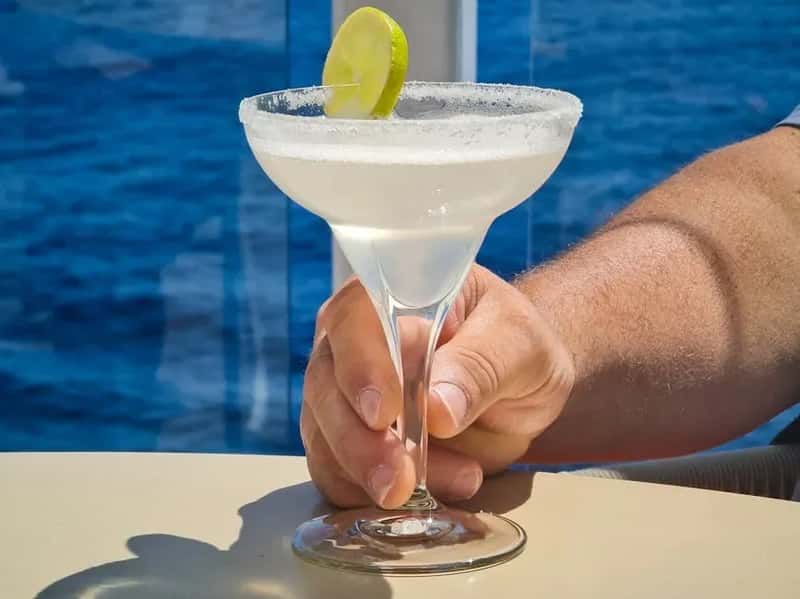
Beverage packages are pushed hard at every stage of the booking process, and the pitch sounds convincing. But the fine print complicates it quickly. At Carnival, the CHEERS! package runs $82.54 per person, per day (including the mandatory 18% gratuity) when pre-purchased, and more if you wait until you’re onboard. Royal Caribbean’s Deluxe Beverage Package ranges from $56 to $120 per person, per day depending on the ship and sail date – with an additional 18% service charge on top. On most lines, everyone in the cabin must purchase the same package, no exceptions.
Here’s the part they definitely don’t lead with: many lines allow you to bring a limited amount of your own wine or Champagne on board, but if you open it anywhere beyond your cabin – a restaurant, a lounge, a bar – you’ll likely face a corkage fee of $15 or more per bottle. Royal Caribbean, Carnival, and Princess all levy these fees for bottles opened in onboard venues. The system is designed to monetize your thirst from every possible angle, including the angle where you thought you’d already outsmarted it.
#13 – “Free” Food Isn’t Always Free Anymore
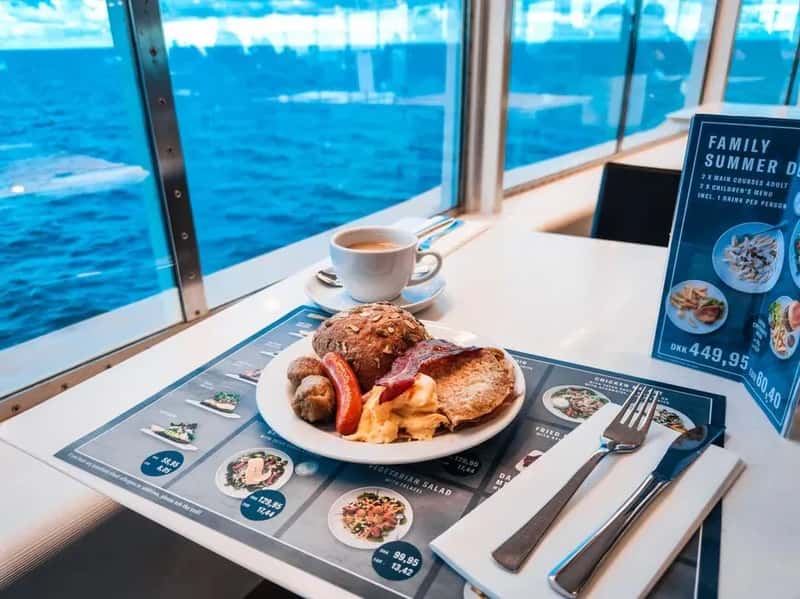
Unlimited food at no extra cost was one of cruising’s most sacred promises. That promise is quietly eroding. Carnival and Royal Caribbean now charge extra for filet mignon, lobster, and surf-and-turf combinations served in the main dining room – the one you assumed was already covered by your ticket. Prices for these upcharges range from roughly $17 to well over $30 per plate, in a venue that still markets itself as included.
Room service has made the same pivot. Celebrity Cruises added a $9.95 room service fee for all orders except continental breakfast – and then adds an 18% gratuity on top of that. What was once a complimentary midnight snack is now a billed transaction. The food is still delicious. The “free” part is increasingly fiction, and the transformation has happened gradually enough that most passengers don’t notice until they’re already paying for it.
#12 – Shore Excursions Booked Through the Ship Are Almost Always Overpriced
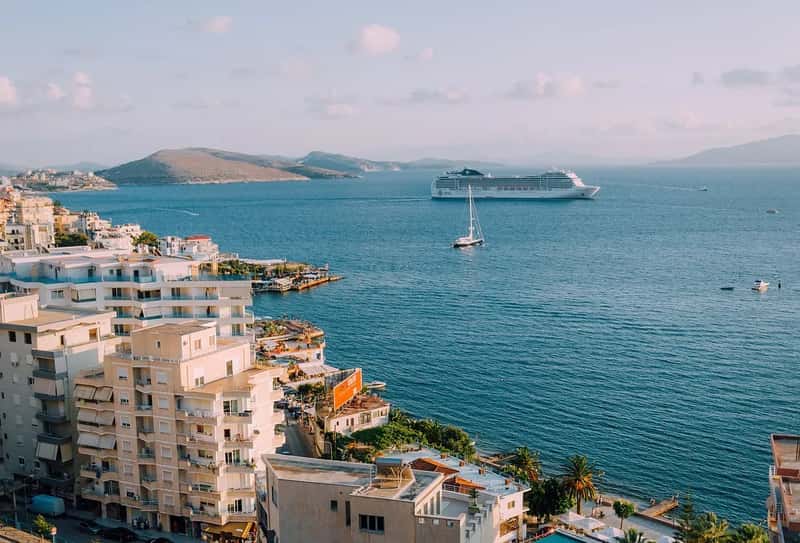
The shore excursion desk looks like a helpful service. It’s actually one of the most reliable revenue streams on the entire ship. Every cruise line offers its own packaged excursions at port – snorkeling trips, sightseeing tours, cultural experiences – and they’re almost universally more expensive than booking the same activity independently through local operators. On top of the markup, you’ll typically be steered toward shops and venues where the cruise line collects a kickback for delivering your business.
Booking independently through a platform like Viator or Tripadvisor often cuts the cost significantly, and self-guided walking tours cost nothing at all. The one legitimate tradeoff: if you book independently and your excursion runs long, the ship will leave without you. Book through the cruise line, and the ship waits if their own tour is delayed. Know the stakes, weigh them, and decide – just don’t assume the ship’s price reflects actual value.
Quick Compare: Ship Excursion vs. Independent Booking
- Price: Ship tours carry a significant markup over local operators for the same activity
- If the tour runs late: Ship-booked tours get waited on; independent tours do not
- Shop stops: Ship tours often route through partner retailers; independent tours skip them
- Flexibility: Independent tours let you set your own pace and itinerary
- Accountability: Complaints about ship excursions can be raised onboard; independent disputes are on you
#11 – Port Fees Are Added After You Fall in Love With the Price
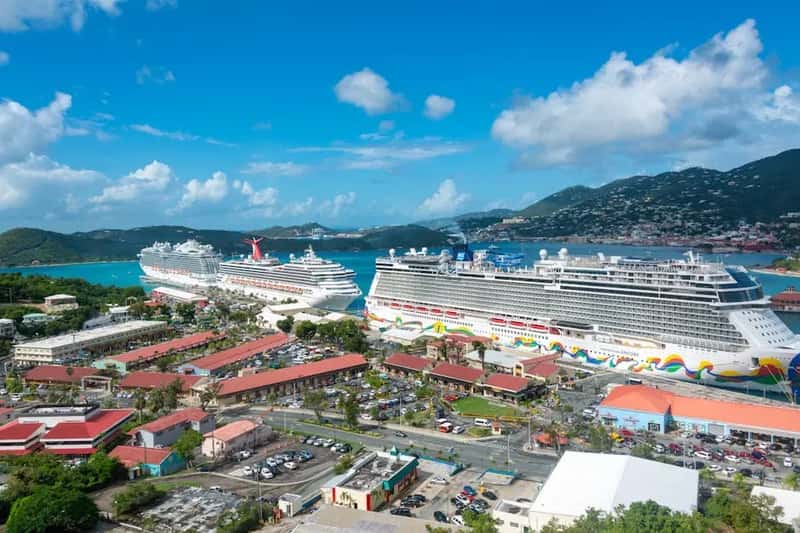
You find the cruise, fall for the fare, start mentally picturing yourself on that deck – and then, right before you click “book,” the number jumps. That’s port fees doing exactly what they were designed to do. These charges are rarely included in advertised fares; they’re tacked on at the end of the booking process and are mandatory – unlike gratuities, which can technically be adjusted, port fees are paid in full by the time of final payment. They aren’t optional, and they aren’t small.
The variation between ports is significant and almost never explained upfront. A 7-night Alaskan cruise on Carnival Miracle charges around $320 per guest in taxes and fees, compared to roughly $205 per person for a comparable Caribbean sailing – a $115 difference per person just from the destination choice. The advertised price is essentially a teaser; the real fare is assembled at checkout, piece by piece. Experienced travelers automatically add 15 to 20 percent to any sticker price they see in a cruise ad before they start forming a real budget. That mental adjustment can save a lot of financial whiplash.
#10 – The Wi-Fi Is Expensive, Slow, and They Know It

Anyone who has tried to load a webpage from the middle of the Atlantic knows the particular despair of cruise ship internet. Major lines including Royal Caribbean, Carnival, and Princess charge prices that would be shocking on land. Wi-Fi packages across the industry range from $15 to over $40 daily, and the experience rarely matches the price. Royal Caribbean and its sister line Celebrity are considered the gold standard for onboard connectivity, with speeds that range from functional to occasionally impressive – but even there, the pricing reflects the absence of competition more than the quality of the product.
The only real workaround is heading into port, where local cafes and cruise terminals often offer free or cheap connections. Most passengers never realize the alternative exists and end up paying ship rates for the entire voyage without question. It’s one of the industry’s most frictionless upsells: you’re at sea, you need connectivity, and there is literally nowhere else to buy it. That captive-audience dynamic is the entire business model in miniature.
#9 – You Are Being Watched Everywhere (Except Your Cabin)

Cruise ships run surveillance systems that would make a Vegas casino feel understated. Every public area and corridor is covered by CCTV cameras. Facial recognition technology – seeded by the photo you submitted during online check-in – is used to identify passengers in photographer images, in incident reports, and in some cases to track who’s on and off the ship at port. The only zones without cameras are cabins, restrooms, and spa changing rooms. Everywhere else, you’re on record.
Some lines have pushed tracking even further. Princess Cruises’ wearable Medallion device opens your cabin door, handles onboard purchases, and tracks your precise location around the ship at all times – enabling crew to greet you by name before you’ve said a word. It’s marketed as personalized service, and in fairness, it mostly is. But it also means the ship knows exactly where you are, every hour of every day, from embarkation to disembarkation. Most passengers board without ever registering that fact.
#8 – The Spa Staff Work on Commission and Have Sales Quotas

That deeply relaxing massage comes with an agenda attached. Spa staff on most ships are employed by third-party concessionaires, not the cruise line itself, and their income depends heavily on selling products and upselling additional services. The pressure to buy a skincare line or upgrade to a treatment package at the end of your session isn’t a personality quirk – it’s a structural requirement of their employment.
“It is very sales driven. You will be given targets and expected to hit them. This comes from the expectation that you will sell something to every guest that you have.”
Former cruise ship spa therapist
Beyond the sales pressure, the spa’s amenity pricing catches many cruisers off guard. Steam rooms may be free, but thermal suites, hydrotherapy pools, and thalassotherapy areas often run $20 to $40 for a day pass or several hundred for a week. Exercise classes – yoga, spinning, Pilates – frequently cost an additional $10 to $25 per session on top of what you’ve already paid for the cruise. The wellness experience, from the towel to the checkout counter, is engineered to extract more at every step.
#7 – Most Shops and Services on the Ship Aren’t Run by the Cruise Line at All
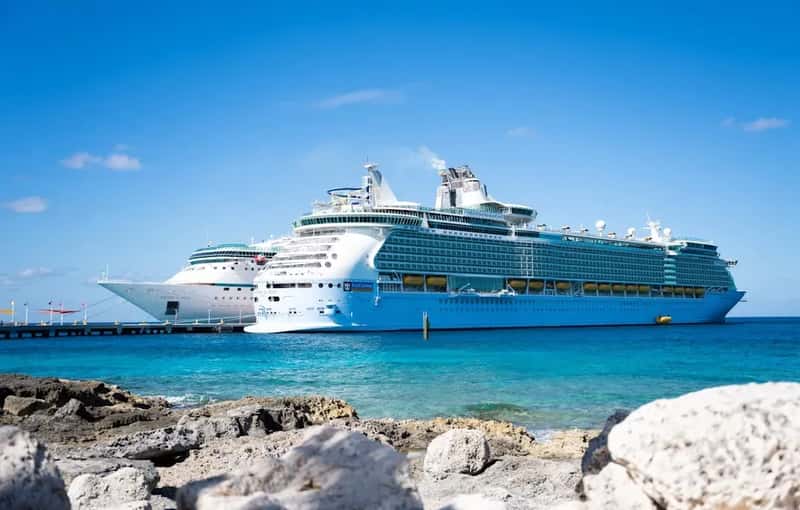
You assume that everything onboard is part of the same company you booked with. That assumption is worth billions to third-party contractors, and the cruise lines have little incentive to correct it. The retail shops on most ships are operated by outside companies – predominantly LVMH’s Starboard Cruise Services, which runs stores for 15 lines including Carnival, Celebrity, Holland America, Royal Caribbean, and Virgin Voyages. The brand on the door is the cruise line. The business behind it is someone else entirely.
The implications get more serious in the medical center. On several lines, onboard medical facilities are staffed and operated by third-party companies. Cruise line contracts, buried in the fine print, typically include language stating the line will not accept liability for the actions of those contractors – even in serious situations. A dispute with an independent vendor, a medical complication handled by an outside provider – good luck holding the cruise line accountable for either. Most passengers never read far enough into the contract to learn any of this exists.
Worth Knowing: Who’s Actually Running What Onboard
- Retail shops: Largely operated by Starboard Cruise Services (LVMH-owned), not the cruise line
- Spa & fitness: Usually run by third-party concessionaires like Steiner Leisure
- Medical center: Often staffed by outside medical contractors, with separate liability
- Casino: Frequently managed by an independent gaming operator
- Photography: Usually a third-party vendor with its own pricing and data policies
#6 – The Auto-Gratuity System Is More Complicated Than They Admit
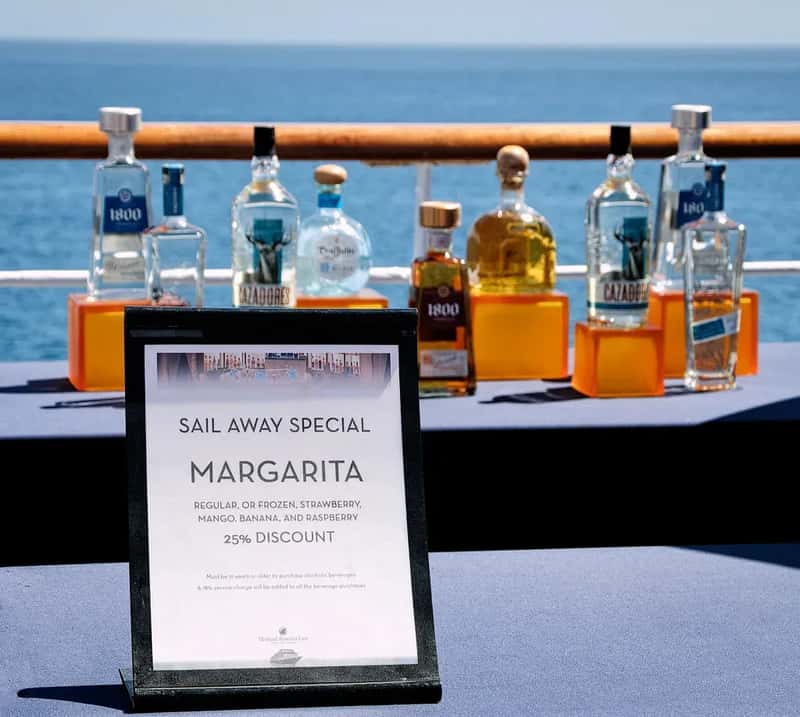
Cruise workers earn those tips – the hours are brutal, the contracts are long, and the conditions below deck are genuinely demanding. But the automatic gratuity system is structured in a way that benefits the cruise line’s business model as much as it benefits the crew. Royal Caribbean currently charges $18.50 per person, per day in standard cabins and $21.00 per person, per day in suites. Carnival raised its rate to $17 per person, per day for standard staterooms (effective April 2026). On top of the daily charge, 18% is automatically added to beverage purchases, specialty dining, and room service. Spa and salon services carry an automatic add-on as well – typically 18% to 20%, depending on the line.
The transparency around where that money actually goes is notably thin. Industry data confirms that gratuities make up the majority of compensation for crew in housekeeping and food and beverage departments – which means passengers are effectively funding a core component of crew payroll that most corporations absorb as a standard operating expense. The math isn’t wrong, and the workers genuinely depend on it. But calling it a “tip” rather than a “crew wage surcharge” is a framing choice that conveniently keeps the advertised base fare looking lower than it really is.
#5 – There’s a Two-Tier Passenger System Most People Never See
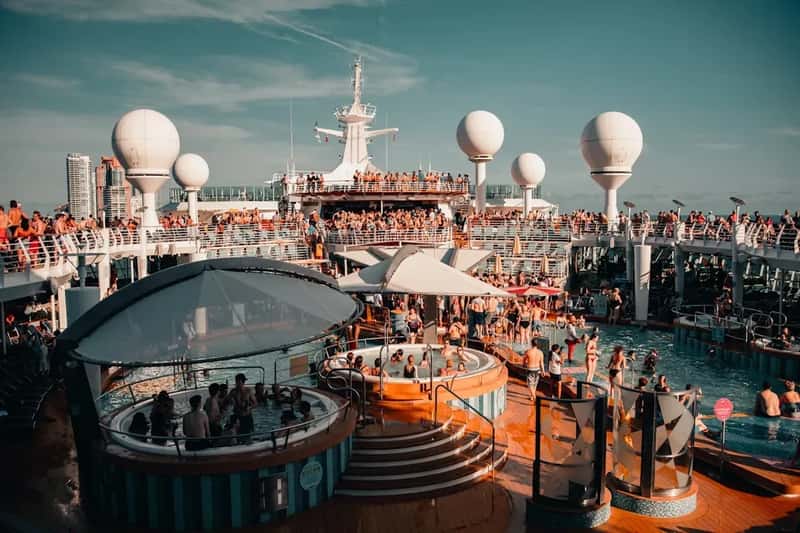
You’ve been waiting 40 minutes at the buffet line. Somewhere else on the exact same ship, a different category of passenger hasn’t waited in a single line all week. Norwegian Cruise Line’s Haven is the most famous example – a private, keycard-locked enclave with its own pool, restaurant, and 24-hour butler service, invisible to general passengers unless they happen to notice the restricted elevator bank. Haven suite guests pay $20 to $25 per person, per day in gratuities alone on top of a significantly higher cabin fare, but what they receive in return is essentially a ship-within-a-ship experience unavailable to everyone else onboard.
This stratification isn’t advertised in the headline booking experience. It surfaces in the fine print, or when you’re already onboard and you notice the roped-off section of the pool deck. Many passengers don’t realize until they’re at sea that entire restaurant venues and lounges are restricted to suite-level or top-tier loyalty guests. The “floating resort for everyone” promise is real – it’s just considerably more real for some passengers than others, and the gap between the two experiences is wider than most people booking a standard cabin ever anticipate.
#4 – The Crew’s Living Conditions Are a World Away From the Passenger Decks

The same ship offering you an ocean-view balcony suite houses workers in conditions that would genuinely alarm most Americans. Contracts promised ten-hour days; fourteen to sixteen hours was frequently the reality, with some crew members logging nineteen-hour days during embarkation. True days off were rare or nonexistent during contracts that ran months at a stretch. Lower-ranking staff sometimes shared quarters – a space smaller than a standard passenger bathroom – with three other people. Privacy was not part of the deal.
The food contrast is equally stark. Passengers dine on lobster and steak while many crew members eat in a separate cafeteria serving rice, overcooked vegetables, and whatever protein the galley designated for below-deck meals. Officers eat better – sometimes with access to leftovers from passenger restaurants. Workers from developing countries often endure the harshest conditions while sending nearly every dollar home to families. The luxury you experience and the sacrifice that produces it exist on the same ship, separated by a few decks and a keycard. No highlight reel ever shows you what’s below.
#3 – Cruise Ships Are Among the Worst Polluters on the Planet – and They’re Selling You “Green”

The industry’s environmental record is staggering, and the marketing designed to obscure it is equally impressive. According to Friends of the Earth, the EPA’s own research shows that more than one billion gallons of sewage are dumped into the ocean by cruise ships each year. Scientists also estimate the cruise industry discharges approximately 1.5 gigatons of toxic exhaust gas scrubber wastewater annually. Around 50 tons of solid waste are generated during a typical one-week cruise, and cruise ships account for a disproportionate share of all solid waste produced by vessels worldwide.
The air pollution numbers are just as dramatic. Friends of the Earth’s 2024 Cruise Ship Report Card evaluated 21 major lines across 243 ships – and found that five Carnival Corporation cruise lines received outright failing grades, while another eight lines rated no better than a D. Royal Caribbean earned a D-, Norwegian a D+. The highest grade awarded to any line was a B+, given to Hurtigruten. The industry continues to market itself as an increasingly sustainable travel choice while simultaneously fighting regulators over nearly every new environmental rule. The gap between the branding and the reality isn’t a rounding error – it’s the whole story.
Fast Facts: The Cruise Industry’s Environmental Footprint
- The EPA’s own data shows cruise ships dump more than 1 billion gallons of sewage into the ocean annually
- Scientists estimate 1.5 gigatons of toxic scrubber wastewater discharged by the industry each year
- Friends of the Earth’s 2024 Report Card graded five Carnival Corp. lines with outright Fs
- Royal Caribbean earned a D-; Norwegian a D+ in the same report
- The best grade awarded to any major line was a B+ – only Hurtigruten achieved it
- Many scrubbers simply convert air pollution into toxic wastewater – a trade, not a fix
#2 – The Real Price of Your Cruise Is Assembled Piece by Piece After You’re Already Hooked
The architecture of cruise pricing is deliberately structured to trigger emotional commitment before you see the full cost. The base fare looks manageable. Then come the port fees, the gratuities, the drink package, the specialty dining cover charge, the Wi-Fi, the shore excursion, the spa surcharge, and the room service fee. None of these are accidents or oversights. They are calculated components of a pricing model designed to advertise a low entry number while recovering the real fare through a dozen smaller charges you encounter after you’ve already said yes.
Run the numbers on a real scenario: at Royal Caribbean, a family of four in standard cabins is automatically charged $18.50 per person, per day in gratuities – that’s $518 for a 7-night cruise before a single optional purchase is made. Add internet access for the week, a single specialty dinner, two modest shore excursions, one drink package for the adults, and a spa visit – and you’ve very likely doubled the advertised fare. This isn’t a cautionary edge case. It’s the standard experience for the average cruising family, and it’s precisely what the business model is built to produce.
#1 – The Ship Will Leave Without You – and Your Travel Insurance Probably Has a Gap

The Ship Will Leave Without You – and Your Travel Insurance Probably Has a Gap (Image Credits: shutterstock)
Of every secret on this list, this one carries the most potentially devastating real-world consequence. Cruise ships depart ports on rigid schedules, and those schedules do not bend for individual passengers – not even passengers delayed by an excursion they booked independently. Most port stops offer no more than eight to ten hours ashore. Run over that window and you are stranded in a foreign country, personally responsible for getting yourself to the ship’s next destination, paying out of pocket for every hour of it.
The medical exposure compounds the problem. Standard domestic health insurance frequently provides no coverage – or severely limited coverage – once a ship leaves U.S. territorial waters. Emergency medical evacuation from the middle of the ocean can cost tens of thousands of dollars, and the onboard medical center, which may be staffed by a third-party contractor rather than the cruise line itself, operates under liability protections buried in the contract you signed at booking. You’re far from home, potentially far from a real hospital, with murkier legal protections than you’d ever expect. Comprehensive travel insurance that explicitly covers medical evacuation isn’t a luxury purchase for cruise travel. It’s the only rational choice – and it’s the one thing cruise brochures never quite get around to mentioning.
Why It Stands Out: What to Look for in Cruise Travel Insurance
- Medical evacuation coverage – emergency airlifts at sea can cost $50,000 or more; confirm your policy covers it explicitly
- Trip interruption coverage – reimburses flights and hotels if you miss the ship at a port
- “Cancel for any reason” (CFAR) add-on – the only coverage that protects you from a change of heart
- Pre-existing condition waiver – only available if purchased within a set window of your initial deposit
- Third-party policy vs. cruise line policy – independent insurers often offer broader coverage than what the cruise line sells you at checkout
The cruise experience, at its best, is genuinely extraordinary – the open ocean at dawn, ports you’d never visit any other way, a kind of unhurried vacation rhythm that’s hard to replicate on land. None of that is a lie. But the industry runs on information asymmetry: the more you know going in, the less they make. Now you know. Share this with someone who’s about to book their first cruise.