Southeast Asia draws millions of travelers every year with its temples, beaches, and street food scenes that rarely disappoint. What catches many visitors off guard, though, isn’t the food or the heat but the small social rules that locals grew up knowing instinctively. A gesture that feels harmless back home can land very differently in Bangkok, Hanoi, or Bali, and most of these missteps happen simply because nobody explained the unwritten rules beforehand.
None of this is about walking on eggshells. It’s more about paying attention to details that matter deeply to the people who call these places home, so a trip feels respectful rather than just transactional. The good news is that most of these customs are easy to learn and even easier to follow once you know them.
1. Don’t touch anyone’s head

In much of Southeast Asia, particularly in Buddhist countries like Thailand, Cambodia, Laos, and Myanmar, the head is considered the most sacred part of the body. Ruffling a child’s hair or patting someone on the head as a friendly gesture, common in Western culture, can come across as deeply disrespectful here. This applies even to well-meaning gestures toward kids, so it’s best to keep hands away from heads entirely.
The belief stems from Buddhist and Hindu traditions where the head houses the spirit or soul, making it the most sacred and highest point of the body. Locals rarely make a scene about it with tourists, but the discomfort is real, and repeated offenses can shape how visitors are perceived. A simple smile or nod works just as well as any physical gesture of warmth.
2. Watch where you point your feet
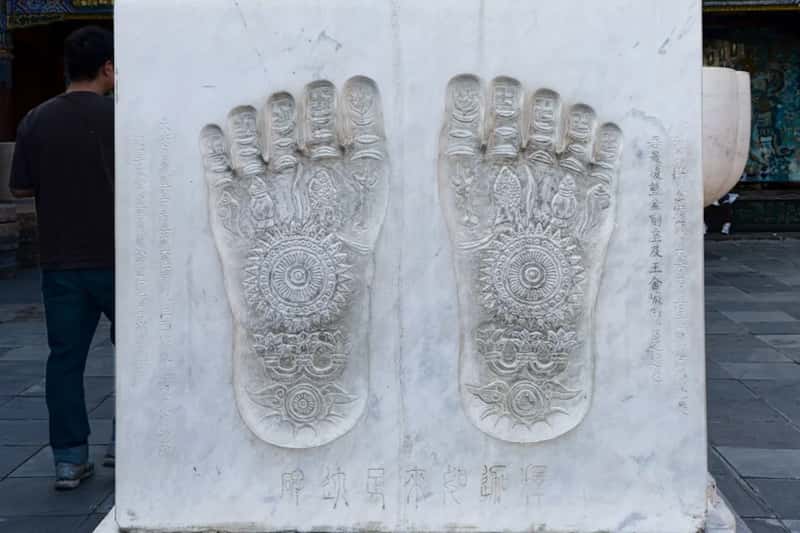
If the head is sacred, the feet are its opposite in the cultural hierarchy across most of the region. Pointing the soles of your feet at a person, a Buddha statue, or a monk is considered rude because feet are seen as the lowest and dirtiest part of the body. This matters especially in temples, where sitting with legs stretched toward an image of Buddha is a common tourist mistake.
The fix is straightforward once you notice the pattern. When sitting on temple floors, tuck your feet behind you or to the side rather than stretching them forward, and avoid using your feet to point at objects, move things, or gesture toward people. Locals tend to sit cross legged or kneel with feet tucked back specifically to sidestep this issue.
3. Remove your shoes at the right times
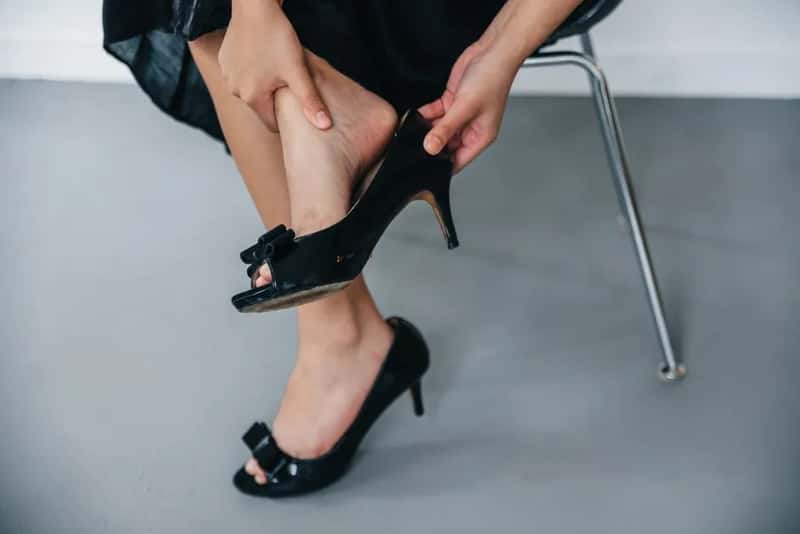
Shoe removal is standard practice before entering homes, temples, mosques, and even some shops and guesthouses across Southeast Asia. Look for a pile of shoes near an entrance as a quick visual cue, or simply follow what locals around you are doing. This custom exists partly for cleanliness and partly out of respect for spaces considered sacred or personal.
In places like Indonesia, Malaysia, and Thailand, this rule extends to mosques and some private businesses as well, not just temples. Wearing slip on shoes or sandals makes travel days easier since you’ll be taking them off and putting them back on frequently. Skipping this step, even accidentally, is one of the more noticeable faux pas a visitor can make.
4. Dress modestly at temples and sacred sites
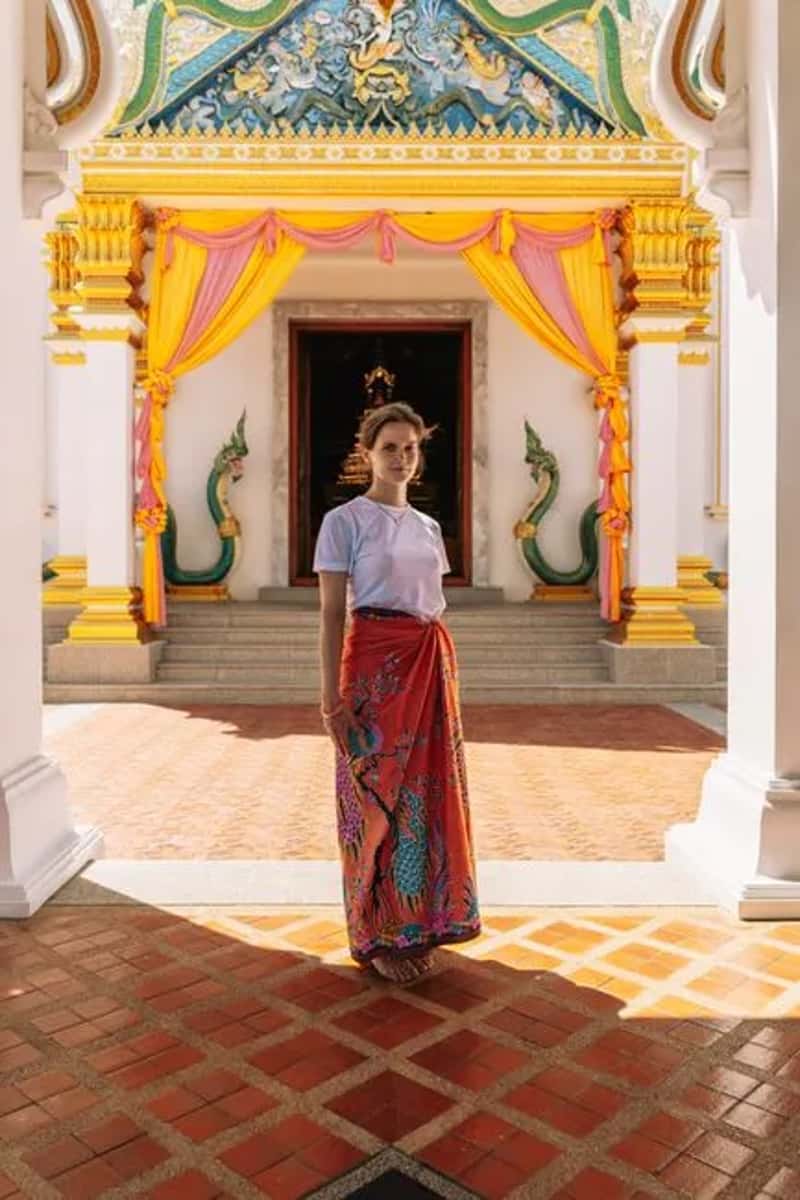
Shoulders and knees are meant to stay covered when visiting temples, pagodas, and mosques throughout the region, regardless of how hot the weather gets outside. Many major sites, including Angkor Wat in Cambodia and the Grand Palace in Bangkok, enforce dress codes and will turn away visitors in shorts or sleeveless tops. Bringing a lightweight scarf or sarong solves this problem without requiring a full outfit change.
Some temples provide loaner sarongs or wraps at the entrance for those who show up underdressed, though relying on this isn’t guaranteed everywhere. The rule exists because these are active places of worship, not museums, and locals are often mid prayer or ritual during visiting hours. Treating the space with the same seriousness as a place of worship back home goes a long way.
5. Skip public displays of affection
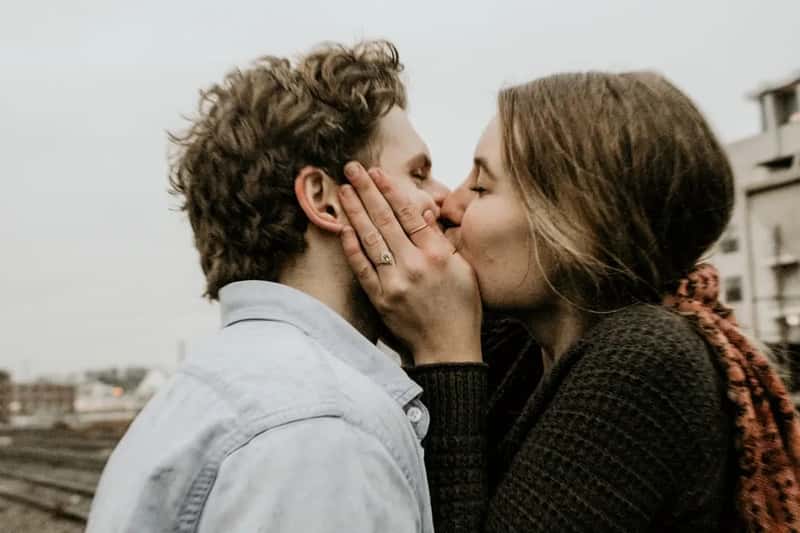
Holding hands is generally fine across most of Southeast Asia, but kissing or more overt affection in public spaces tends to draw disapproving looks, particularly in more conservative or rural areas. Countries with larger Muslim populations, such as Malaysia and parts of Indonesia, tend to be stricter about this than more tourist heavy zones. Even in beach towns where foreigners are common, locals notice and often find it uncomfortable.
This isn’t about legal restrictions in most cases, though some regions do have informal social pressure around modesty. Saving affectionate moments for private settings shows an awareness of local norms rather than assuming Western standards apply everywhere. It’s a small adjustment that costs nothing but avoids unnecessary attention.
6. Learn the wai and other local greetings
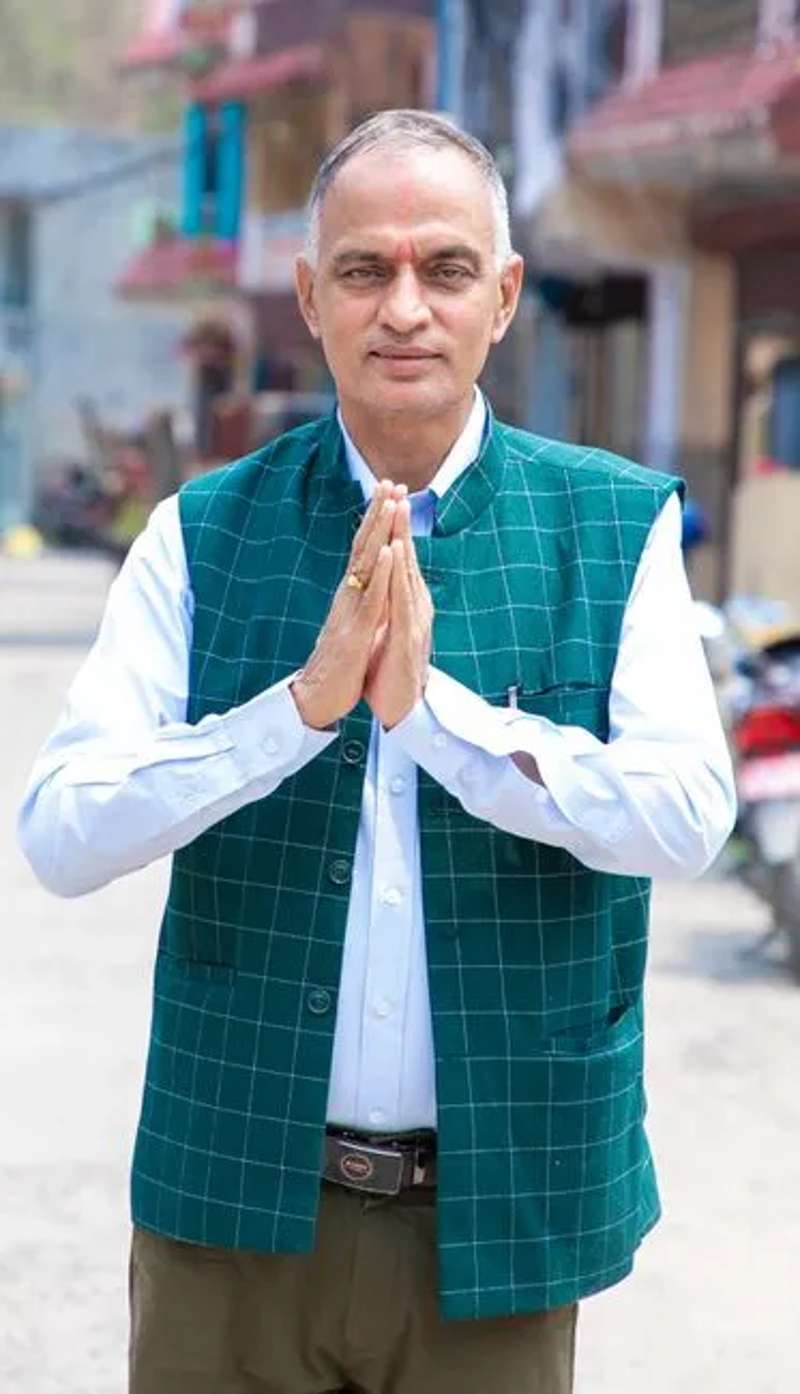
In Thailand, the wai, a slight bow with palms pressed together at chest or forehead level, is the standard greeting and shows respect. Attempting it, even imperfectly, tends to be appreciated rather than mocked, since locals recognize the effort. Cambodia has a similar gesture called the sampeah, while Laos uses the nop.
Getting the exact height of the hands right matters less than showing willingness to engage with local customs instead of defaulting to a handshake everywhere. In more secular or business settings, handshakes have become common, especially in cities like Singapore or Kuala Lumpur. Watching how locals greet each other first, then mirroring that, is usually the safest approach.
7. Use your right hand for exchanges

Across much of Southeast Asia, particularly in Muslim majority areas like Indonesia and Malaysia, the left hand is traditionally associated with personal hygiene and considered unclean for social interactions. Handing over money, food, or gifts should be done with the right hand, or with both hands together as an extra sign of respect. This applies to receiving items as well, not just giving them.
Eating with your hands, still common in parts of the region, follows the same logic, with the right hand used for the actual eating. This custom is less rigid in Buddhist majority countries like Thailand or Vietnam but still worth observing out of general courtesy. It’s a small habit that takes almost no effort to adjust once you’re aware of it.
8. Keep your cool, don’t raise your voice

Losing your temper publicly, whether at a vendor, a hotel staff member, or a taxi driver, is seen as a loss of face for everyone involved, not just the person yelling. This concept, often described as saving face, runs deep across Southeast Asian social interactions, from Vietnam to Indonesia to the Philippines. Confrontation tends to embarrass onlookers as much as the person being confronted.
Even when something genuinely goes wrong, like an overcharge or a mixed up order, staying calm and speaking evenly gets better results than escalating the situation. Locals are generally more responsive to polite persistence than to anger. This applies doubly in customer service situations where staff may have limited authority to fix a problem on the spot anyway.
9. Avoid pointing with your finger
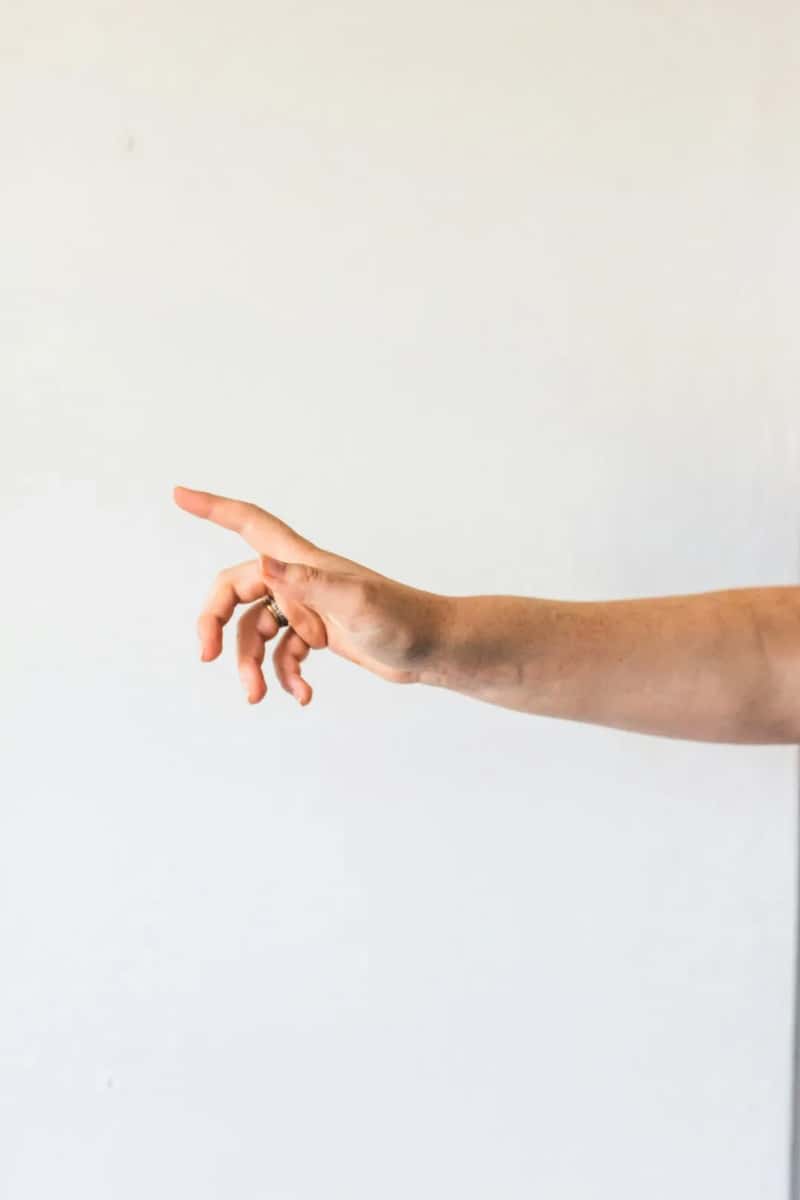
Pointing directly at a person with an extended index finger is considered impolite in several Southeast Asian cultures, including Indonesia, Malaysia, and parts of Thailand. It’s viewed as an aggressive or accusatory gesture, similar to how some Western cultures view certain hand signs as rude. Using an open hand or a nod of the head instead is the more accepted way to indicate direction or draw attention to something.
This extends to pointing at objects too, particularly religious statues or images, where an open palm gesture is preferred. It’s a subtle habit to break since finger pointing is so automatic in many other parts of the world. Locals rarely correct tourists on this directly, so the responsibility falls on visitors to notice and adjust.
10. Show extra respect around monks
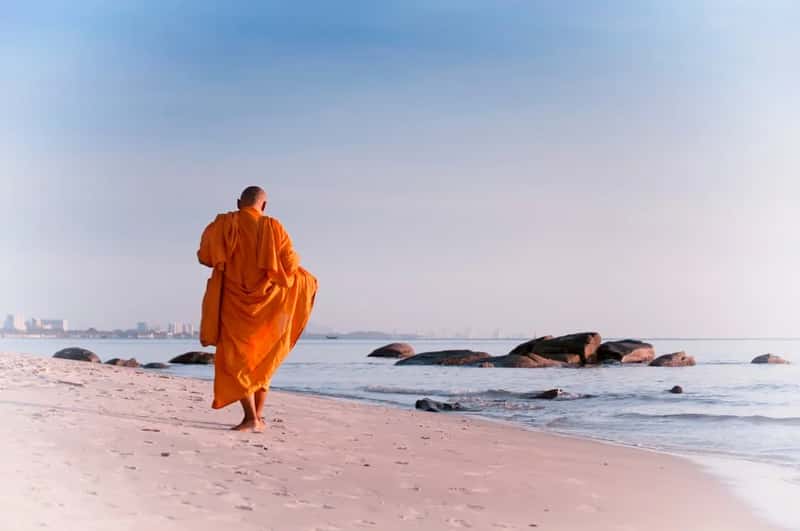
In Buddhist countries like Thailand, Myanmar, Cambodia, and Laos, monks hold a revered social position, and specific customs govern how people, especially women, interact with them. Women are traditionally not permitted to touch monks or hand them objects directly, including on public transport where a monk might have a reserved seat. Instead, items are placed within reach or handed to a male intermediary.
Monks also generally sit in a slightly elevated or separated position out of respect, and locals will often give up seats or space accordingly. Tourists don’t need to memorize every rule here, but being aware that this dynamic exists helps avoid an accidental breach of etiquette. A little research before visiting temples with active monastic communities pays off quickly.
11. Tread carefully on political and royal topics
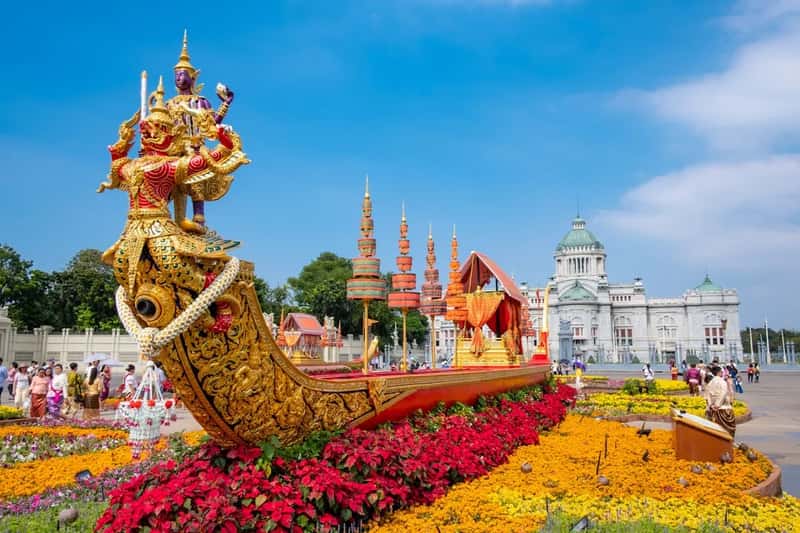
Thailand’s lese majeste laws make criticizing the monarchy a criminal offense, and this isn’t just a cultural sensitivity but an actual legal risk for anyone, tourists included. Even casual jokes about the royal family, made innocently, have led to real legal trouble for foreign visitors in the past. Vietnam and parts of Cambodia also carry restrictions around criticizing the government publicly, though enforcement varies.
The safest approach is simply steering conversations away from politics and royalty altogether, especially with strangers or in public settings. This isn’t about suppressing opinions permanently, just recognizing that these topics carry weight and risk that casual small talk doesn’t need. Locals themselves are often careful about what they say publicly on these subjects for the same reasons.
12. Never step over people or their things
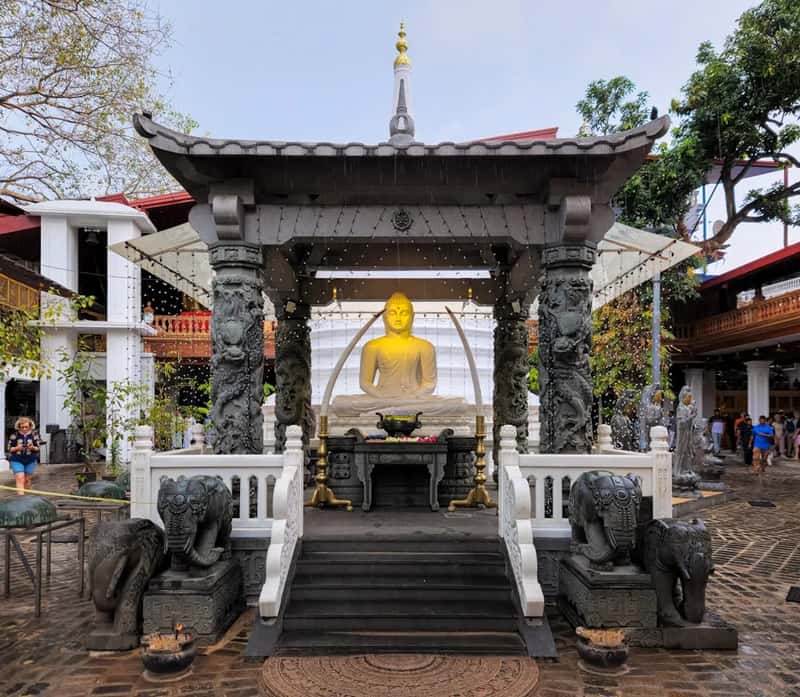
Stepping over a person sitting or lying on the ground, or over their belongings, food, or a shrine, is considered disrespectful across much of the region. This is tied to the same head and feet hierarchy mentioned earlier, since stepping over something effectively places your foot above it symbolically. It comes up often in markets, temples, or crowded transport where people sit on floors or mats.
The polite move is to walk around, however slightly inconvenient that feels in a tight space, rather than stepping directly over someone or their items. This is especially relevant around spirit houses or small shrines found outside homes and businesses in Thailand, Laos, and Cambodia. Locals notice this detail more than most tourists realize.
13. Bargain with a smile, not an argument
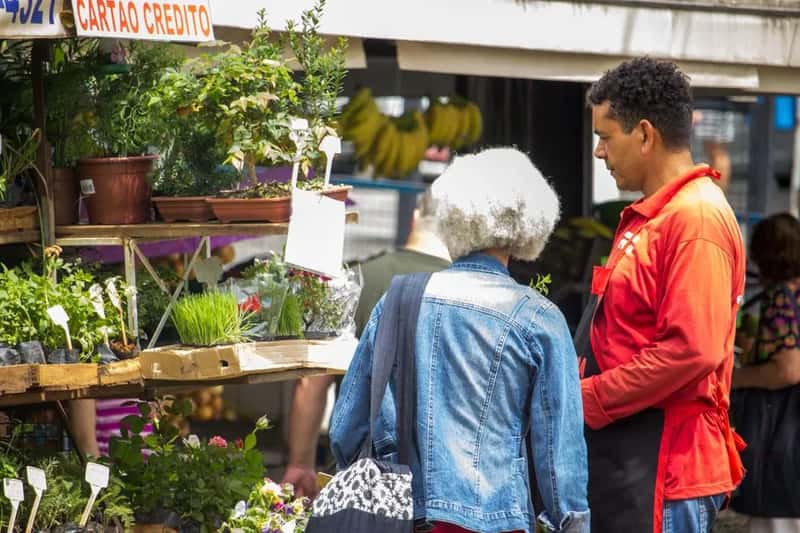
Haggling is a normal part of shopping in markets across Southeast Asia, but the tone matters as much as the final price. Aggressive bargaining or acting offended by an initial asking price can come across as rude, even though negotiation itself is expected. A relaxed, friendly back and forth, sometimes with a bit of humor, tends to work better than treating it as a confrontation.
Vendors in tourist heavy areas expect some negotiation and often build that into their starting price, so there’s no need to feel guilty about countering. Walking away calmly if a price doesn’t work is far more effective, and culturally acceptable, than raising your voice or arguing. Knowing when to stop pushing, particularly over very small amounts of money, also reflects well on visitors.
14. Cover shoulders and knees away from the beach

Beachwear is fine at the beach, but wandering through towns, markets, or temples in a bikini or swim trunks is generally viewed as inappropriate, even in beach destinations like Bali or Phuket. Locals living and working in these areas separate tourist zones from everyday public space in their own minds, and dressing accordingly shows awareness of that distinction. This is less about strict rules and more about general courtesy.
Bringing a cover up, sarong, or light shirt to throw on when leaving the sand makes this an easy habit to maintain. Some smaller towns and more traditional communities are noticeably stricter about this than major resort areas, so erring on the side of covering up is usually the safer bet. It’s a minor adjustment that avoids standing out for the wrong reasons.
15. Treat money and small change with respect
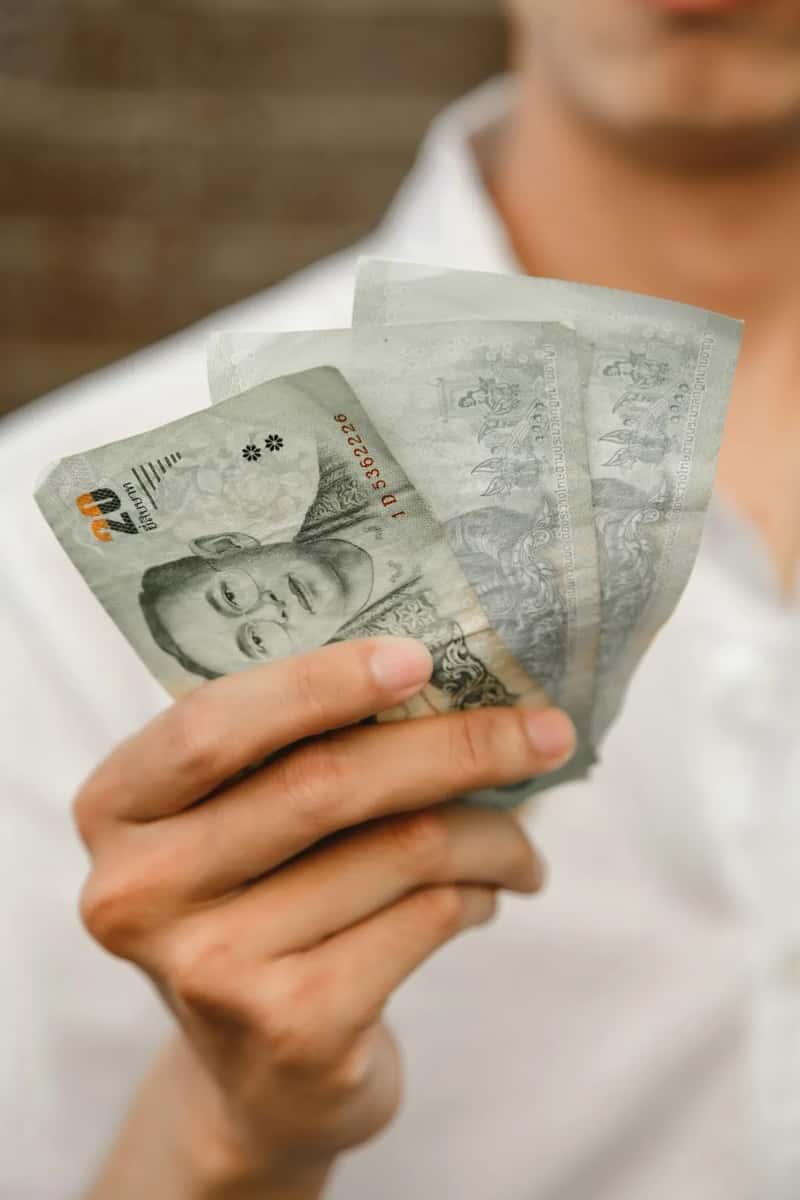
Throwing money onto a counter, tossing coins toward someone, or crumpling bills carelessly can come across as disrespectful in several Southeast Asian cultures, where currency, especially bills bearing a king or national leader’s image, is treated with a degree of formality. In Thailand specifically, banknotes feature the king’s portrait, and mishandling them, including stepping on a dropped bill, has led to real consequences for both locals and tourists. Handing money over gently, ideally with the right hand, avoids any unintended offense.
This extends to religious donation boxes and offerings at temples, where money should be placed rather than thrown or handled carelessly. It’s a detail many travelers overlook simply because currency feels so routine and unremarkable at home. Slowing down for this one small gesture reflects a broader respect for the culture as a whole.
Traveling through Southeast Asia with even a basic grasp of these customs changes how locals respond to visitors, often in small but noticeable ways. None of these tips require dramatic changes to how someone travels, just a bit more awareness of gestures and habits that might otherwise go unnoticed. The region rewards curiosity and humility in equal measure, and most people are happy to help travelers who show genuine effort to understand the culture they’re visiting.