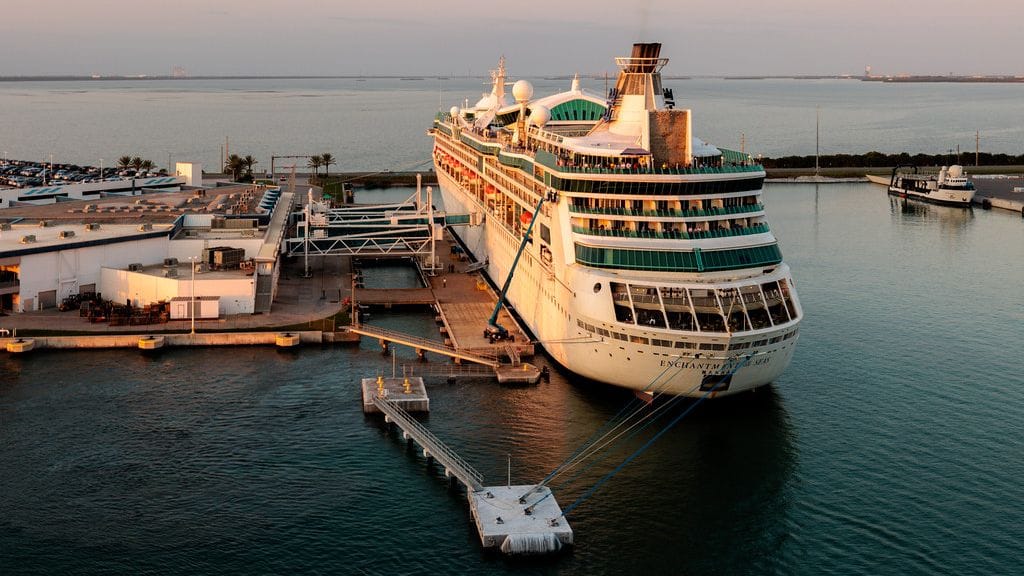
First-time cruisers spend months dreaming about exotic ports, then step off the gangway and walk straight into every trap the destination set for them. The overpriced terminal shops. The bloated bus tour. The ATM with the hidden fees. Meanwhile, the couple in matching sun hats who’ve sailed this same Caribbean loop five times is already in a local taxi, heading somewhere nobody else on the ship will ever find. They’re not lucky. They’ve just stopped doing certain things.
The gap between a forgettable port stop and one you’ll talk about for years is almost never about money or luck – it’s a short list of habits that experienced cruisers quietly abandoned, usually after something went wrong. A few of these will feel obvious. A couple will sting. And at least one might make you rethink your entire approach before your next sailing.
#15: Book Every Shore Excursion Through the Cruise Line
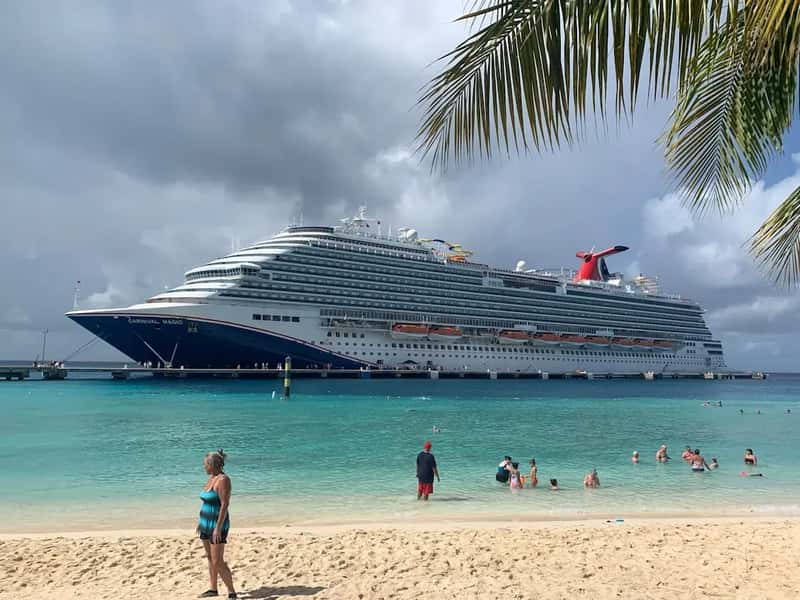
Cruise veterans almost never default to booking every excursion directly through the ship, and the reason is brutally simple: you will almost always pay significantly more for the exact same tour. The cruise line acts as a middleman, marking up local operators’ prices – sometimes substantially. Savvy repeat cruisers head to platforms like Viator or reach out to vetted independent operators beforehand, often finding the same quality experience for a fraction of the cost.
The trade-off is real. Cruise line tours guarantee the ship won’t leave without you if your group returns late, and that safety net matters. But veterans manage that risk carefully rather than paying a premium to outsource the thinking. They book reputable independent operators with strong recent reviews, confirm return times obsessively, and build buffer into their schedule. The savings across a 10-day itinerary can easily cover a nice dinner ashore.
Quick Compare
- Cruise line tour: Higher price, ship waits if delayed, large group sizes, pre-set itinerary
- Independent operator: Lower cost, smaller groups, more flexibility – but ship won’t wait if you’re late
- Best of both: Many veterans use cruise line tours for remote or long-distance ports, independent operators for easy Caribbean and European stops
- Pro tip: Look for independent operators that include a “return-to-ship guarantee” – some will cover transport to the next port if their tour causes you to miss departure
#14: Wait Until Onboard to Book Excursions

Experienced cruisers lock in their shore excursions months before the ship departs – not while standing at the excursion desk on embarkation day. Waiting until you’re onboard is one of the fastest ways to watch your bucket-list activity sell out in front of you. Niche tours with limited group sizes – cooking classes, private sailboat trips, small-group wildlife encounters – fill up fast, and during peak seasons like summer or the holidays, even mid-range tours disappear quickly.
Veterans treat shore excursion planning like restaurant reservations in a major city: you either book ahead or you end up somewhere forgettable. Whether they’re going through the cruise line or an independent operator, the reservation is made long before they’re looking at the ocean from their cabin. Spontaneity has its place on a cruise – just not when the one excursion you actually care about has a waitlist by Tuesday of embarkation week.
#13: Ignore the All-Aboard Time
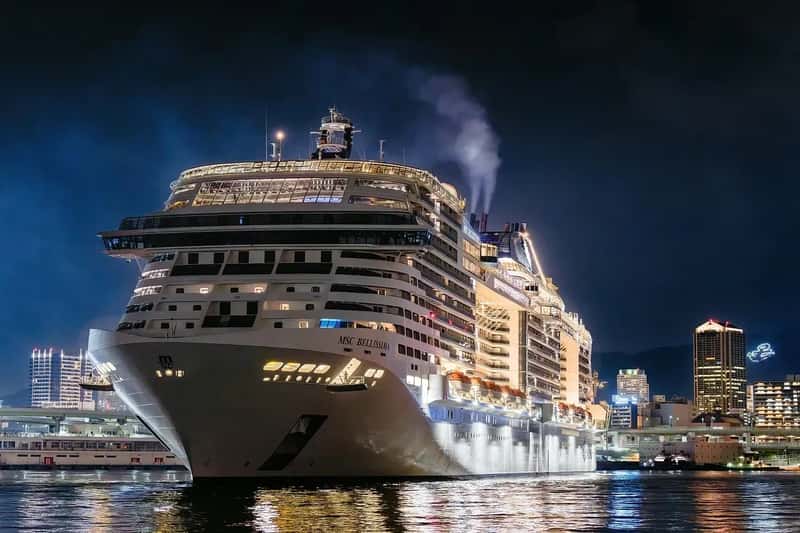
This one sounds obvious, but cruise veterans treat the all-aboard time with near-religious discipline – because they’ve either been burned themselves or watched someone else get left on a dock in Mexico. The all-aboard time is not the same as the ship’s departure time. It’s typically posted 30 minutes before actual departure, it is the hard deadline, and it is posted at the gangway when you disembark. Miss it and you’re booking your own flights, hotels, and transport to the next port out of pocket. No refunds, no sympathy, no exceptions.
Veterans don’t just memorize the all-aboard time – they build at least a 60-minute buffer into their plans and keep their watch synced to ship time rather than local time. That single habit has saved more vacations than any guidebook ever written. The ship’s daily planner lists it clearly every morning. There is no excuse for missing it, and experienced cruisers treat any schedule that cuts it close as a schedule that needs to be reworked immediately.
#12: Flash Valuables or Look Like a Tourist Target

Cruise ports – especially in the Caribbean and Mediterranean – are high-traffic zones where pickpockets and opportunistic theft are a documented reality. Veterans don’t wear expensive jewelry, carry bulging wallets in back pockets, or parade around with their cruise ship ID lanyard swinging from their neck like a neon sign that reads “just arrived.” Barcelona, Dubrovnik, Cozumel, Nassau – every one of these ports has well-documented issues with petty theft targeting cruise passengers specifically, because the thieves know the passengers are distracted, unfamiliar, and carrying spending money.
The practical playbook is simple: carry your wallet and phone in a zippered bag, preferably with interior compartments. Don’t leave bags unattended, use lockers where available, and bring only what you actually need for the day. Veterans travel light and blend in as much as reasonably possible. Looking like someone who knows where they’re going – even if you’re not sure – is its own form of protection. That mindset carries directly into what they never bring ashore in #11.
At a Glance: What Veterans Actually Carry Ashore
- One backup credit card (not the full wallet)
- Moderate local cash for the day’s planned spend
- A digital photo of their passport stored on their phone
- Cruise card for reboarding – kept separate from other items
- Zippered crossbody or anti-theft bag, not an open tote
#11: Bring Their Passport and Every Credit Card Ashore

Here’s a counterintuitive one: experienced cruisers almost never take their full wallet and passport off the ship during a port stop. Your cruise card already serves as your ID to reboard, and carrying your actual passport creates a much bigger problem if your bag gets snatched or left somewhere. Lose your passport in a foreign port and you’re looking at emergency consulate visits, significant delays, and potentially missing the rest of your cruise entirely – a nightmare that no travel insurance policy makes painless.
Veterans typically bring one backup credit card, a moderate amount of local cash, and a photo of their passport stored securely on their phone – just in case. Everything else stays locked in the cabin safe. It’s a simple habit that costs nothing and has saved more than a few port days from becoming full-blown emergencies. And that careful approach to cash connects directly to a mistake most people make before they even leave the ship in #10.
#10: Use the Ship’s ATM for Port Cash
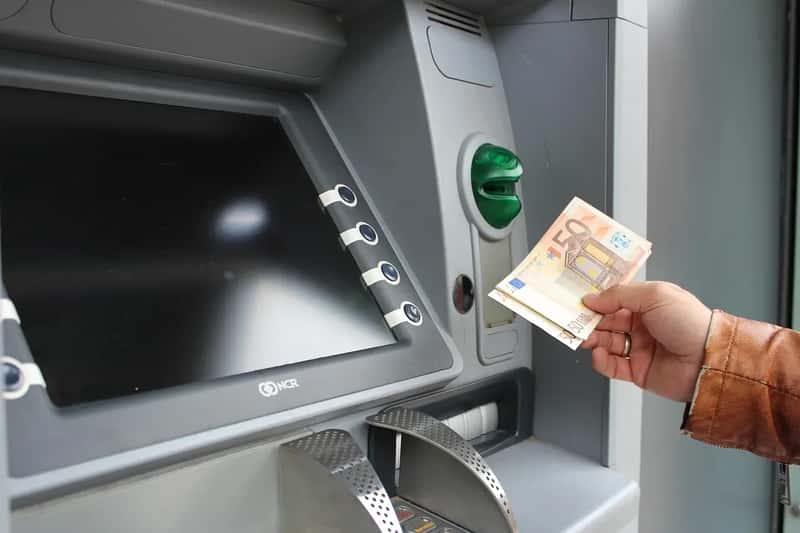
The onboard ATM is one of the most quietly expensive decisions a cruiser can make, and veterans walk right past it every time. ATM fees on cruise ships can run $5 to $7 per transaction on top of your bank’s foreign transaction fees, and the exchange rates offered are rarely competitive. Across a 10-day itinerary with multiple ports, that convenience tax adds up to real money – money that could have bought a genuinely good meal somewhere off the tourist strip.
The smarter play is to get local currency before boarding or use a fee-free travel card at a port-side bank ATM. Veterans know which Caribbean ports accept U.S. dollars freely, which European stops require euros, and roughly how much they’ll spend at each destination – so they’re never desperate enough to use the ship’s machine. They plan cash needs the same way they plan their itinerary: deliberately, before they ever leave home. But the money traps don’t stop at the ATM. #9 is where most people quietly waste the best hours of their port day.
#9: Spend the Whole Port Day Near the Cruise Terminal
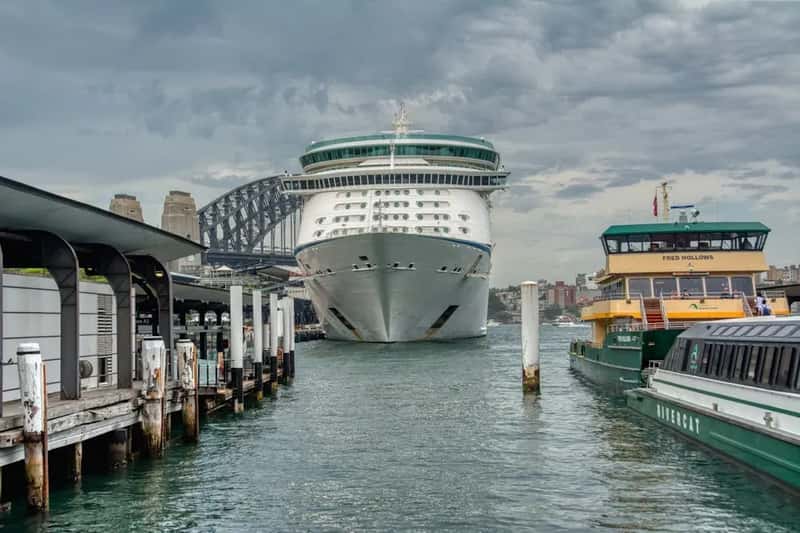
The area immediately surrounding a cruise port terminal is, almost without exception, the most overpriced, tourist-saturated, and least authentic part of any destination. The souvenir shops, chain restaurants, and branded beach bars clustered within walking distance of the gangway exist for one reason: to capture the dollars of passengers who don’t bother going further. Veterans call it the terminal trap, and they escape it every single time. The real food, culture, and value of any port city is almost always a five-minute taxi ride away.
Locals don’t eat near the cruise dock. They don’t shop there either. The vendors who set up right outside the terminal know exactly what they’re doing – and who their customers are. Veterans budget for in-port exploration specifically so they’re not anchored to the ship’s immediate footprint. Even an extra $15 in taxi fare can be the difference between a forgettable port stop and a meal or a market you’ll actually remember a year later. But #8 is a trap that catches even people who think they’ve already avoided this one.
#8: Book a Generic Bus Tour and Call It a Port Day

Talk to any group of veteran cruisers about their worst port experiences and a clear theme emerges: the big group bus tour. It feels safe and sensible – a guide, multiple landmarks, logistics handled. But in reality, most large bus tours mean spending the majority of your port time staring through tinted glass while the guide narrates things you could have read on Wikipedia. Stops are rushed, photo ops are timed to the minute, and you rarely linger anywhere long enough for it to mean something.
Veterans consistently opt for small-group tours, private drivers, or a focused visit to one or two places they actually care about. Depth over breadth, every single time. A private driver who knows the island and takes you somewhere the buses never stop can completely redefine what a port stop feels like. The big bus isn’t always wrong – sometimes it’s the only practical option for a complex destination – but it’s never the default for someone who’s been doing this for years. That same philosophy of quality over quantity shapes what veterans never do in #7.
Worth Knowing: Small-Group vs. Big Bus
- Large cruise bus tours can carry 30 to 60 passengers – expect waits at every stop
- Small-group tours (typically 6–15 people) move faster, linger longer, and reach places buses can’t
- Private drivers give you full control over timing – often surprisingly affordable when split among 2–4 people
- One focused stop done slowly almost always beats four rushed photo ops
#7: Skip Reading the Fine Print on Excursions

Cruise veterans always read the full description of any tour before booking – not just the title and the hero photo. The difference between a tour that “visits” a cathedral and one that actually lets you walk inside it can be buried in a single line of fine print. The same goes for physical activity requirements, whether lunch is included, how much genuine free time you’ll have at each stop, and what the cancellation policy looks like if weather forces a change.
Skipping the fine print is how people end up furious at a port – standing outside a landmark they can’t enter, realizing their “snorkeling tour” is really a boat ride with a 10-minute dip. Veterans also budget for the hidden extras: tipping guides, buying food if meals aren’t included, and entrance fees that somehow weren’t listed in the excursion price. Five extra minutes reading before you book can save hours of frustration on the day. And that discipline connects to something deceptively small in #6 that has stranded real passengers at real docks.
#6: Forget to Set Their Watch to Ship Time

This is the quiet detail that has left real passengers watching a real ship sail away. When a cruise crosses time zones – especially in the Caribbean, the Greek islands, or Alaska – the clock on your smartphone automatically updates to local time. But your ship runs on its own internal clock, and the all-aboard time is always posted in ship time, not the time zone you’re currently standing in. Veterans manually confirm their devices are showing ship time the moment they walk off the gangway, every single port, no exceptions.
It sounds like overkill until you hear the story – and there is always a story on every cruise forum – of the couple who was 20 minutes “early” by their phone and an hour late by the ship. Smartwatches, fitness trackers, and iPhones will all betray you if you let them update automatically. Veterans know this. They also know that this kind of practical vigilance is what separates a great port day from a catastrophic one. And speaking of things that are easy to overlook, #5 is what separates veterans from everyone else before they even step off the ship.
#5: Go Ashore Without a Day Bag Packed for Real Conditions
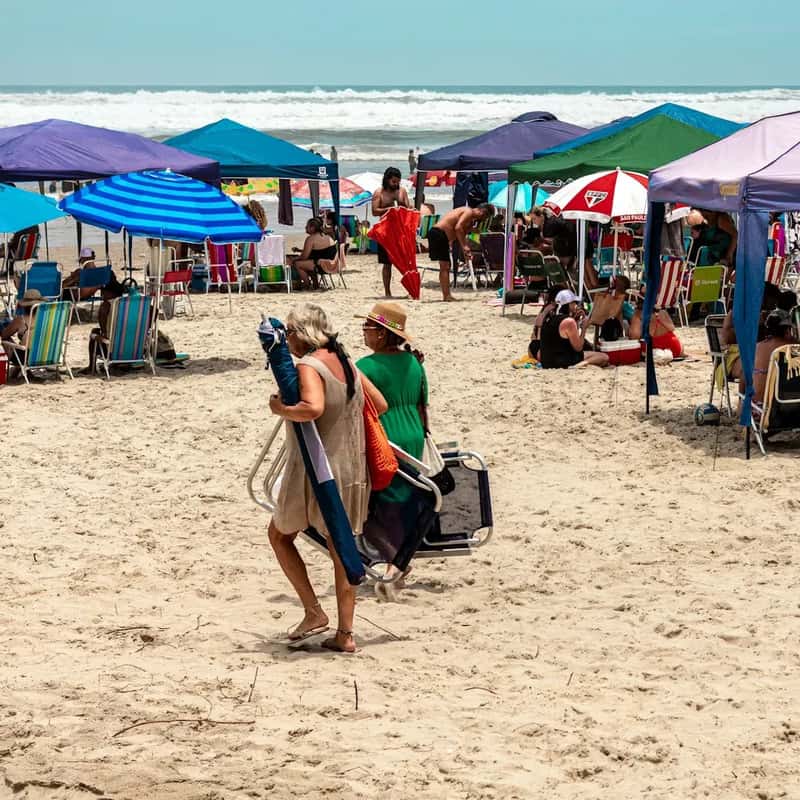
Rookie cruisers step off the ship in flip-flops and a swimsuit with nothing but their phone and a vague plan. Veterans pack a proper day bag every single time, regardless of the port or the forecast. The gap between a great port day and a miserable one often comes down to whether you had sunscreen, a small rain jacket, a dry bag for electronics, a reusable water bottle, and enough local cash for a taxi back if plans change. A single bad sunburn can make three consecutive sea days genuinely uncomfortable – and ruin every formal dinner night you’ve been looking forward to.
Veterans treat port day preparation the same way they’d prepare for a half-day hike: check the weather, pack the basics, and assume conditions might shift. For beach days, that means extra sunscreen, a change of clothes, and something to keep sand and water off electronics. For city days, it means comfortable walking shoes and a crossbody bag that closes properly. It takes about 10 extra minutes the night before and has rescued more port days than any tour guide ever could. But what veterans never do in #4 reveals something even more important about how they think.
#4: Wander Off Independently Without a Return Plan

Independent exploration is one of the genuine pleasures of cruising – no tour guide herding you, no bus schedule boxing you in. Veterans love it. What they never do is head out without a concrete plan for getting back to the ship on time. A taxi that was easy to flag at 10 a.m. can completely evaporate at 3:30 p.m. when hundreds of cruise passengers are all trying to return to the dock simultaneously. Without a backup plan, that situation becomes a full-scale panic with a non-negotiable deadline.
Veterans pre-identify a reliable taxi stand, save the port’s address in their phone, and mentally commit to being back at the dock at least 90 minutes before all-aboard time. They also know which ports have notoriously limited transport options – certain Caribbean ports and smaller Mediterranean stops can have almost no taxis available during the return rush – and they plan around that reality instead of discovering it too late. And the habit that precedes all of this smart planning starts at home, which is exactly what #3 covers.
#3: Ignore State Department Advisories for Their Ports
Veterans research every port on their itinerary before the cruise departs, and that includes checking current U.S. State Department travel advisories. Some of the most popular Caribbean cruise stops carry Level 2 or even Level 3 advisories, and experienced cruisers adjust their behavior accordingly. They don’t skip the port in fear – they know which areas to avoid, whether to stick close to the secured port zone, and how to move safely in destinations with higher risk profiles. Assuming a port is safe simply because a cruise ship docks there is one of the most dangerous assumptions in all of cruising.
Cruise lines continue calling at popular ports even when conditions in the surrounding city have deteriorated, because the port zone itself may be considered manageable. Veterans read recent traveler reports on forums like Cruise Critic, check the State Department advisory page, and make informed decisions based on real information rather than wishful thinking and a brochure. That research discipline also drives the behavior veterans guard most fiercely in #2 – a mistake that doesn’t feel like a mistake until you’re exhausted and running for a taxi.
Fast Facts: Port Safety Basics
- The U.S. State Department issues travel advisories on a Level 1–4 scale; always check before you sail
- Several high-traffic Caribbean cruise ports carry Level 2 (“Exercise Increased Caution”) advisories
- Cruise lines have no obligation to warn passengers about advisories in ports they visit
- Cruise Critic port forums and recent Google reviews from other travelers are the fastest way to get current, ground-level safety intel
#2: Overfill Their Schedule and Try to See Everything in One Stop

One of the most common port-day regrets isn’t missing the ship – it’s sprinting through four attractions in six hours and genuinely enjoying none of them. New cruisers try to cram every museum, viewpoint, beach, and market into a single day ashore. Veterans make a different choice: they pick one or two things they actually want to experience and do those things slowly. A two-hour lunch at a local restaurant a few blocks off the tourist strip often produces a more memorable story than five rushed photo stops at famous landmarks.
Veterans also know that not every port deserves the same approach. Some destinations are worth a deep, focused visit. Others are best as a casual stroll and a good meal. They’ve learned which is which – sometimes from experience, sometimes from research – and they plan the day to match the destination rather than trying to make every port stop justify the entire trip. This discipline is what separates the cruisers who come home exhausted from the ones who come home genuinely restored. And the single biggest thing veterans never do at port? That’s #1, and it’s the one that ends vacations entirely.
#1: Assume the Ship Will Wait for Them
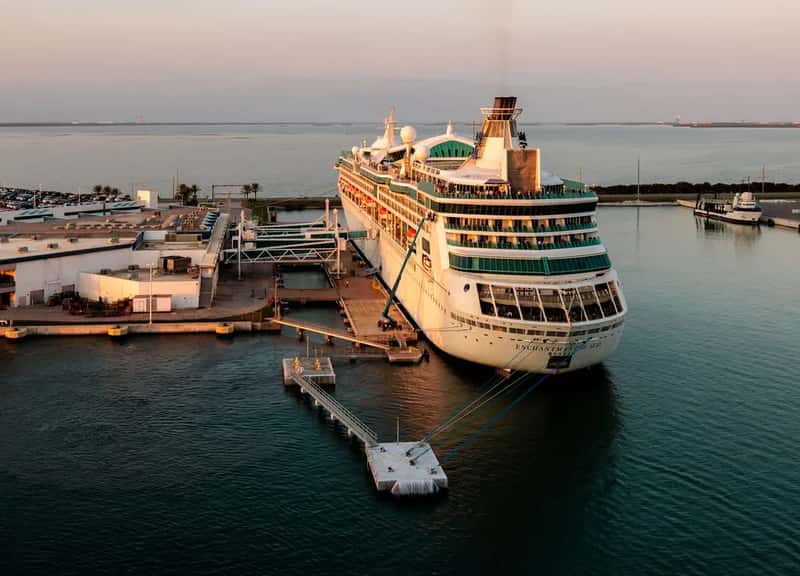
This is the undisputed king of port mistakes, and it’s the one veterans never – under any circumstances – leave to chance. Cruise ships operate on ironclad departure schedules, and they will sail without you. It happens every single cruise season, in ports you’d recognize instantly. In one widely covered 2024 incident, eight passengers on the Norwegian Dawn were left stranded on a remote island off the coast of Africa after their independent excursion ran late – the ship departed exactly as scheduled, no exceptions. One couple ultimately traveled through seven countries in 48 hours trying to catch back up with their sailing.
There is exactly one reliable protection against this outcome: be back at the gangway well before the all-aboard time, every single time, with a buffer big enough to survive a flat tire, a slow taxi, or a crowd that suddenly materializes between you and the dock. Veterans don’t test the ship’s patience. They don’t assume a friendly officer will hold the gangway. They’ve either been there themselves or watched it happen to someone else, and they built a rule around it that never gets broken. The ship’s schedule waits for no one – and the veterans who know that best are the ones who never had to find out the hard way.
“If you aren’t onboard for the all-aboard time, the cruise ship can – and will – leave you behind.”
Cruise.Blog, September 2024
The difference between a seasoned cruise veteran and a first-timer at a port stop isn’t a bigger budget or more exotic destinations – it’s a tighter, battle-tested set of habits built from real experience. Pack a proper day bag. Escape the terminal zone. Respect the all-aboard time like it’s law. Do those three things alone and your port days will look completely different. The gangway goes up for everyone. Veterans just make sure they’re already onboard when it does.