You’ve spent two hours cleaning before company arrives. You wiped down the counters, fluffed the pillows, maybe even lit a candle. And yet the moment your guest steps through the door, they’ve already formed an opinion – and it probably has nothing to do with any of that. Guests take as little as 38 seconds to form an initial judgment when they enter your home. That’s faster than most people can say hello. The details they clock in those first moments are often things you’ve stopped seeing entirely – because you live there.
The real kicker? When people step into your home for the first time, they often make quick judgments based on what they see, feel, and even smell – and while you might think they’re noticing the big-ticket items, it’s often the subtler details that catch their attention. Some of these will make you want to look around your living room right now. Let’s get into it.
#15 – The Smell That Hits Before They Even See Anything
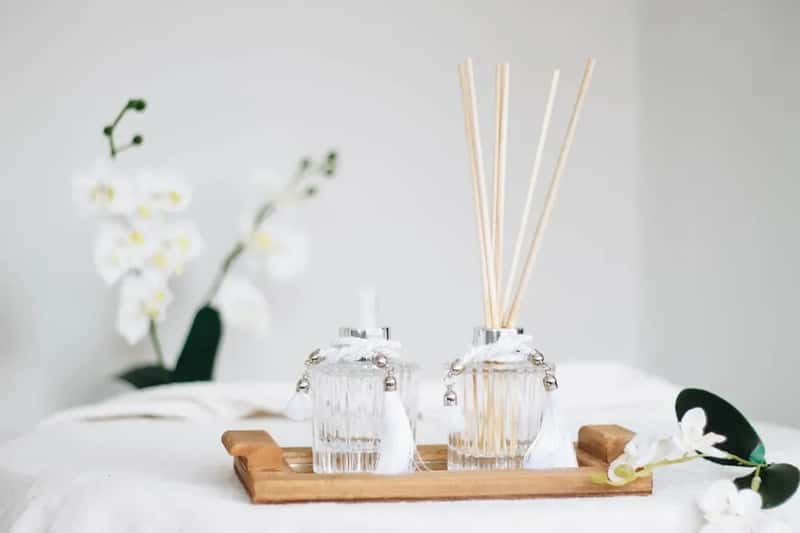
Research reveals that it’s sensory stimuli that captures attention first and foremost, with the majority of people noticing a home’s smell before anything else. This isn’t a close race, either – scent wins by a mile. The problem is you’ve gone completely nose-blind to it. Your nose adapts to your own space, so you stop noticing what it smells like – but guests don’t have that problem.
The usual offenders are sneakier than you’d think. Synthetic fibers in flooring trap dust and moisture over years of use, producing a stale and dusty scent that’s difficult to mask with candles – and the padding underneath carpet often absorbs spills that degrade and smell over time, with visitors perceiving this underlying mustiness as a sign of an aged or poorly ventilated interior. And here’s the part most people get wrong: artificial fragrances can sometimes be overwhelming rather than welcoming, and cheap wax blends often release a chemical undertone that irritates sensitive noses. Covering a problem smell with a strong candle doesn’t fool anyone – it just gives them two smells to think about.
#14 – The Entryway (Your Home’s Opening Line)
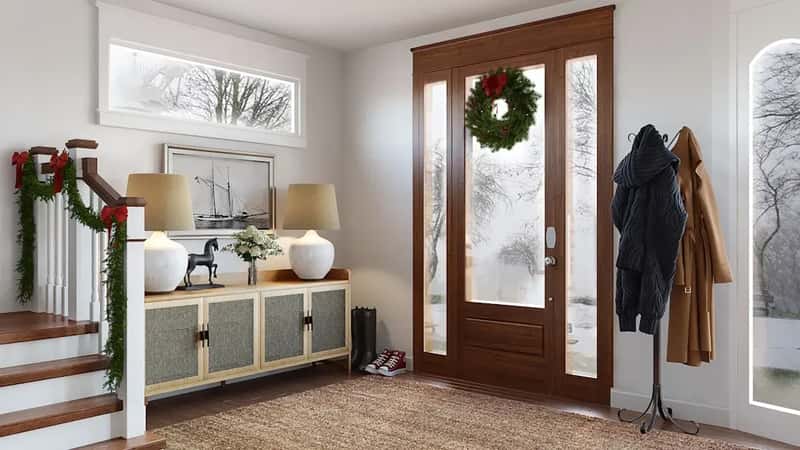
The entryway of your home sets the stage for what guests can expect during their visit – it’s like the cover of a book, giving a hint of what’s inside. Most homeowners pour their decorating energy into the living room and kitchen, and the entry gets nothing but a pile of shoes and yesterday’s mail. That’s a mistake. The entryway is where guests enter and exit – it’s the first and last thing they see, and it makes a big impression. If it’s cluttered, dusty, or messy, it doesn’t sit well with guests even if the rest of your home is cleaner.
Guests immediately notice if they have to navigate around shoes, coats, or random clutter just to get inside. That physical obstacle course sets a mental tone before they’ve even removed their jacket. Your entry sets expectations for the rest of the home – shoes piled up, scattered mail, or overcrowded hooks are immediately visible, and a simple, tidy entry, even just a clear walkway and a mat, feels thoughtful. It signals that you thought about them before they arrived.
#13 – The Overall Level of Clutter
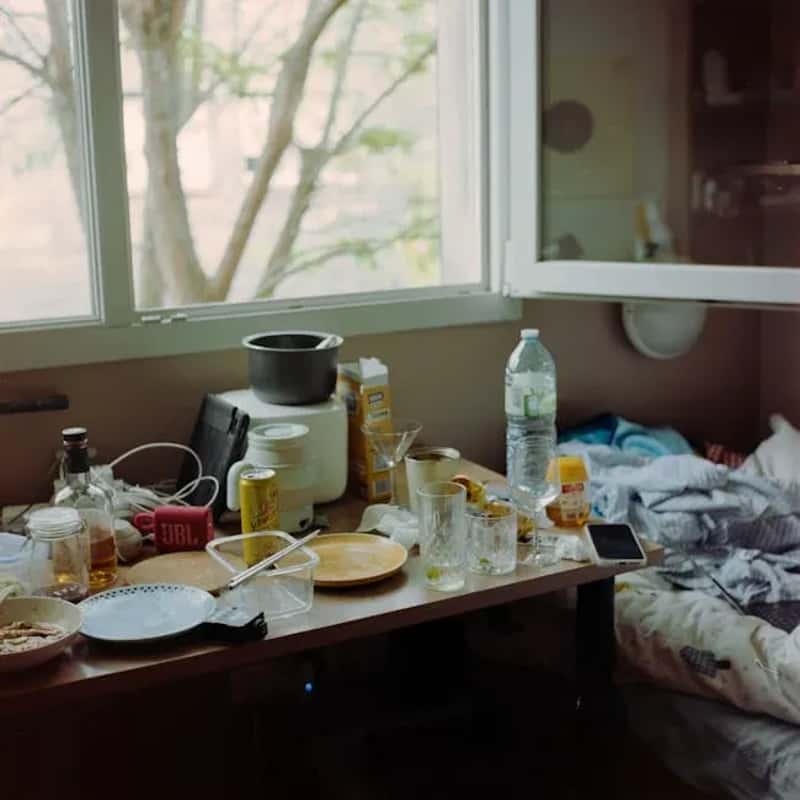
Our brains detect clutter right away, which means your guests notice if your home is cluttered, even just a little bit. It doesn’t matter how beautiful your furniture is or how carefully you chose your paint color – clutter overrides all of it. Stacks of unopened mail, overflowing baskets, or crowded countertops can make a space feel stressful, and even if the rest of the home is clean, clutter in high-traffic areas stands out.
What’s fascinating is what clutter actually communicates beyond just “messy.” Clutter is one of the main causes of visual friction – it reduces visible floor area, interrupts sightlines, and makes rooms feel smaller. Guests don’t consciously think “this room is 200 square feet smaller than it is,” but they feel it. When a cluttered surface catches the eye, guests leave with an impression of your disorganization – heaps of papers, dirty dishes, or random things around make your home look chaotic instead of inviting. The good news: clearing a few key surfaces does most of the heavy lifting.
#12 – The Lighting (And Whether It Feels Like a Dentist’s Office)
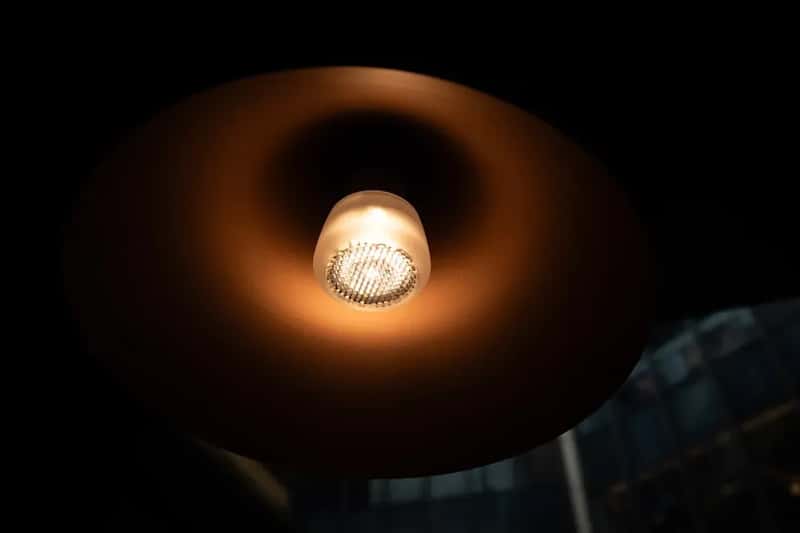
The way you light your home dramatically impacts how people feel in your space – harsh overhead lighting can make a room feel cold and unwelcoming, while thoughtfully placed lamps create warmth and ambiance. Most American homes are catastrophically over-lit with bright overhead fixtures and no layering whatsoever. Harsh overhead lights have their purpose – if you lose a contact lens, they’ll help you find it – but if you’re entertaining and want to set a mood that doesn’t say “you’re in a dentist’s office,” soft lamps in corners make your space feel homey and guests will immediately feel more comfortable.
Guests notice if they have to squint to see or if shadows make conversations uncomfortable, and the color temperature of your bulbs affects everything from how comfortable people feel to how good your decor looks. Warm bulbs (around 2700K) make skin tones look better and rooms feel cozier. Instead of relying solely on overhead lights, try incorporating different light sources if your gathering is during the evening – and if you’re hosting during the day, make sure to draw all window coverings for a bright and inviting vibe. Natural light is almost universally flattering and costs nothing.
#11 – The Floors (Especially Right Inside the Door)
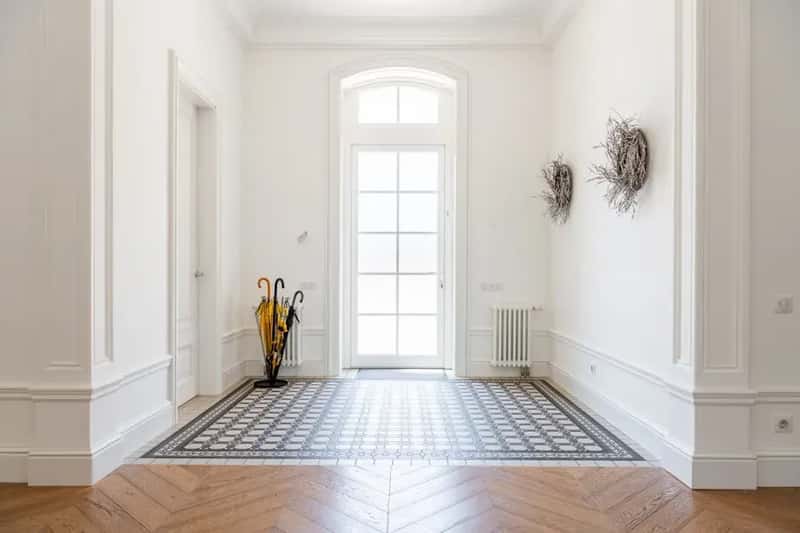
Floors are immediately noticed, especially in entryways and living rooms – dirt, crumbs, or sticky spots are easy to spot and feel, and sweeping or vacuuming high-traffic areas quickly freshens a space. Clean floors instantly make a home feel more cared for. It makes sense when you think about it: the floor is the one surface every single guest physically interacts with the moment they arrive. It’s also the first thing they look down at when they’re doing the awkward “should I take my shoes off?” shuffle.
Guests notice scuffs, stains, and whether the floors appear to be regularly cleaned – the transition between different flooring types and how well they’re maintained catches attention, and the condition of carpets, especially in high-traffic areas, immediately impacts the overall impression of cleanliness. While guests are likely to notice floors with lots of accumulated debris, such as dog hair and food crumbs, as well as mud-streaked surfaces, they are less likely to pay attention to or judge you for regular wear and tear. So it’s not about perfection – it’s about the visible stuff.
#10 – Pet Hair and Pet Odor (Even If You’re Used to It)
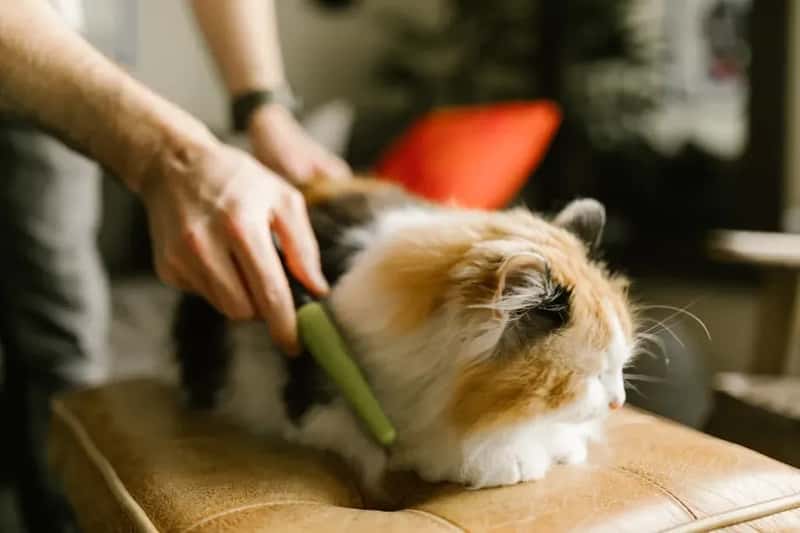
Animal odors often become nose-blind spots for those living with furry companions – the scent settles into carpets and upholstery where it lingers long after cleaning, and visitors can usually distinguish the specific musk of dogs or cats immediately upon entry. This is one of the most common blind spots among pet owners, and it’s not their fault – it’s just pure olfactory adaptation. Guests immediately notice pet hair on furniture, scratched-up woodwork, or toys scattered about, and the presence or absence of pet odors makes a strong impression, especially on non-pet owners – how you manage your furry friends’ stuff says a lot about your overall housekeeping style.
The optics of pet hair on seating furniture deserves special mention. Guests hover uncertainly before choosing the least cluttered spot, or discreetly brush away some pet hair before sitting down. They won’t say a word about it – they’re too polite – but they’ll spend the rest of the visit subtly monitoring their clothes for fur. If you have pets in your home, before guests arrive you shouldn’t just vacuum your floors – you should also vacuum your couches. That one extra step makes a disproportionately big difference.
#9 – The Kitchen Counters and Sink
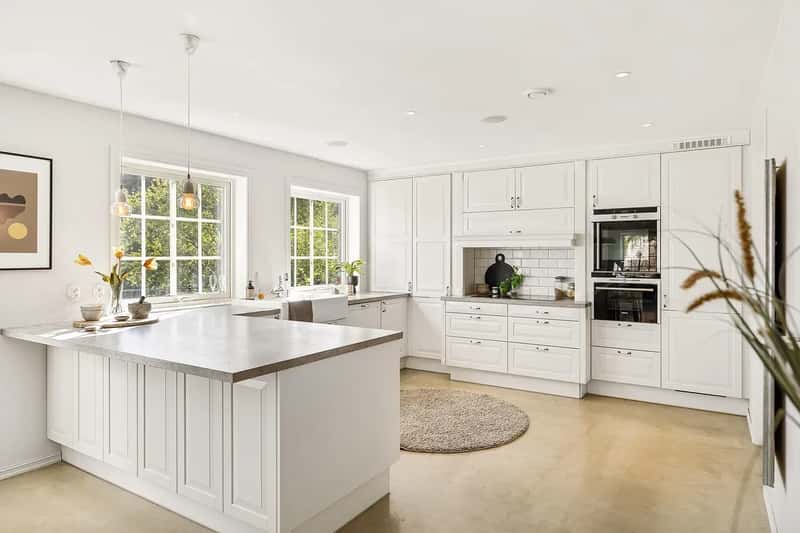
Because guests have a tendency to congregate in the kitchen, you should give it a little extra cleaning love. There’s something almost magnetic about kitchens at gatherings – everyone ends up in there regardless of where you’ve set up the snacks. Your kitchen’s cleanliness level is a major indicator of your overall housekeeping standards – guests notice dirty dishes in the sink, crumbs on counters, or sticky spots on handles and switches, and the state of your appliances, especially visible ones like the microwave or coffee maker, gets immediate attention. How you organize your countertops and what you choose to leave out tells a story about how you live.
Here’s the part that stings a little: the overall tidiness of the kitchen space often determines whether guests feel comfortable accepting offers of food or drinks. That’s right – a grimy kitchen can actually make guests quietly decline your hospitality. Wipe down the exterior of appliances, including your stove where there might be some lingering spills, and wipe down all countertops making sure there isn’t a pile of dishes in the sink. It takes ten minutes and completely changes the room’s energy.
#8 – The Bathroom (The Universal Test)

Bathrooms are the universal test of how much you care about your space – guests will use your bathroom, and they will notice everything. Unlike the rest of your home, the bathroom puts a guest in a small, enclosed space with nowhere else to look. While guests are in your bathroom using your toilet paper and soap, they are going to notice if your toilet has nasty stains in it or if the back of the commode is littered in dust and black hairs. And that’s putting it gently.
The details that really stick? Musty bathroom towels are often overlooked by homeowners accustomed to the scent – this distinctive odor clings to fabric fibers and permeates small spaces like powder rooms, and guests frequently detect this smell the moment they step into a bathroom or wash their hands. It’s not just toilets – the sink is the second place guests spend time in the bathroom, so make sure the handles, countertops, and sink basins are clean and free of clutter. Fresh hand towels and an empty soap dispenser are noticed more than almost any decorative touch you could add.
#7 – The Temperature the Second the Door Opens
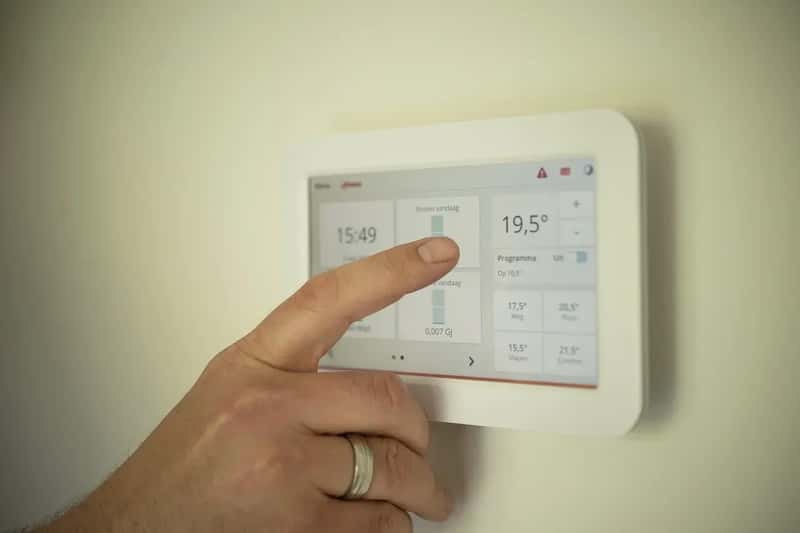
The very second you open the door, your guests can feel the air from your house against their skin – is it too cold? Too warm? Just right? The temperature does a lot when it comes to first impressions. This is one of those things hosts almost never think about because they’re adapted to their own thermostat settings. But a guest walking in from a hot summer day into a sweltering house, or from a cold winter street into a freezing living room, registers the discomfort immediately and subconsciously.
Comfort is physical, and temperature plays a big role – a home that’s too hot or too cold can make guests distracted or uncomfortable, and a moderate temperature, along with a throw blanket or fan if needed, shows attentiveness. Most people set their home temperature for themselves, not for the people coming over – and guests feel that difference in the first 10 seconds. Temperature is one element some hosts forget about, but is quite important to guests’ experience. It’s a small tweak that makes visitors feel genuinely considered.
#6 – The State of the Walls and Art (Or the Lack of It)
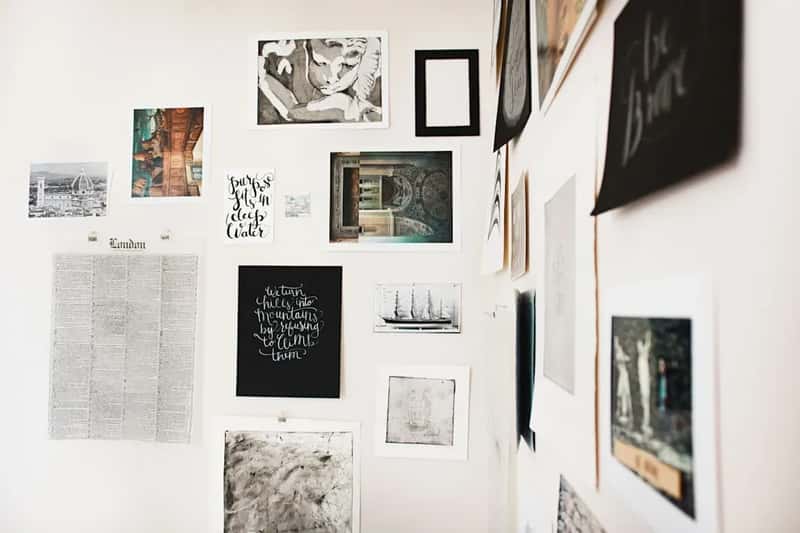
Your walls say a lot about who you are and what you value – guests notice if your art feels thoughtfully curated or randomly slapped up wherever there was already a nail, and the proportion of art to wall space and how pieces are arranged shows your eye for design. Bare walls register surprisingly loudly. According to interior designers, bare walls can be a bit of a downer, and adding some art and framed photos can do wonders for a space – “walking into a home that feels like someone hasn’t finished moving in feels less than welcoming.”
On the flip side, walls that are crammed with mismatched frames at random heights create a different kind of discomfort. A water stain on the ceiling or the peeling paint near the window is something that will catch your guests’ eye, but they probably won’t point it out. They just quietly file it under “things that need fixing” and it colors their overall impression. Beyond layout and light, guests immediately register signs of maintenance – cleanliness is one of the strongest signals, and dust, marks on walls, worn fittings, or neglected surfaces suggest ongoing issues, even if they are minor. Your walls are essentially a silent conversation about how you maintain your space.
#5 – The Personal Touches (Or the Eerie Lack of Them)
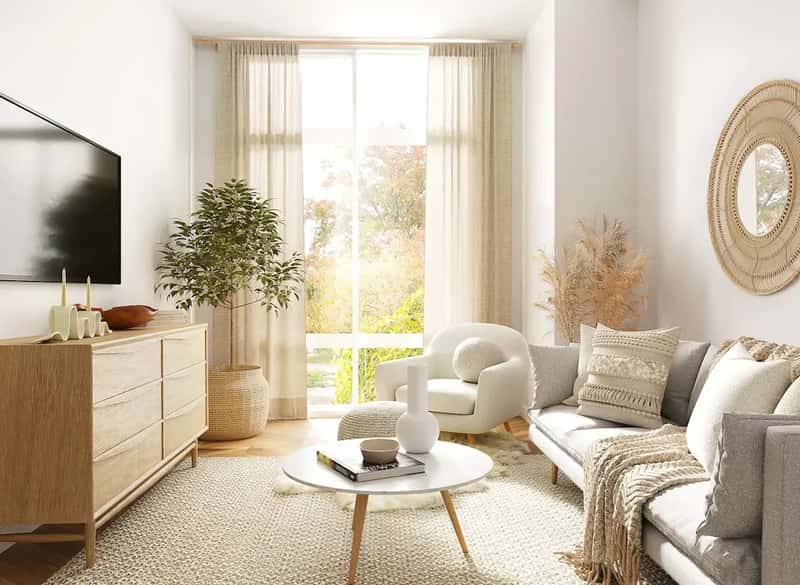
Your walls, shelves, and surfaces tell a story whether you intend them to or not – books you’ve read, photos with people you care about, art or objects that matter to you communicate who you are, and the absence of anything personal communicates that too. Guests scan for signs of life the moment they walk in. A home that looks like a hotel lobby – technically clean, completely impersonal – registers as oddly cold. Personal touches can make a home feel more lived-in and welcoming, as they offer a glimpse into your life – and it’s these little things that often lead to conversations and connections.
That said, more is not always better here. There’s a fine line between personal and overwhelming – too many personal items can make a space feel cluttered and chaotic, so it’s worth selecting a few meaningful pieces to display and rotating them occasionally to keep the space feeling fresh. The homes that feel the most magnetic to guests are the ones that hint at who you are without demanding you look at every single thing. Family photos, a shelf of actual books you’ve read, one interesting object on a table – that’s the formula. It’s edited, not erased.
#4 – The Furniture Layout and Whether You Can Move Through the Space
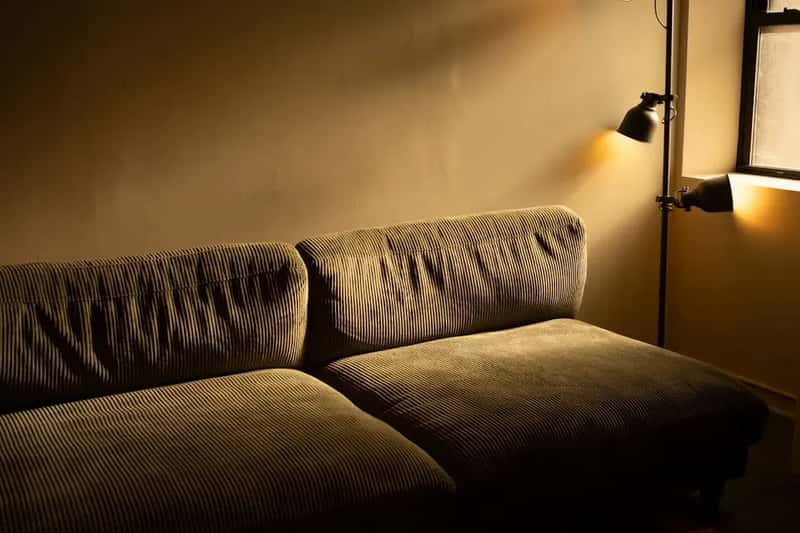
Guests will notice if they have to navigate around furniture to get from one room to another – clunky layouts can make a space feel cramped and uninviting, and the aim should be a layout that makes it easy for people to move around and interact. This is one of the most underrated first impression factors in any home. People don’t consciously think “this furniture flow is awkward” – they just feel vaguely tense and can’t quite relax. Guests notice when you’ve prioritized your own comfort but haven’t thought about theirs – this doesn’t mean you need expensive furniture, it means having seating that doesn’t look like punishment.
If movement through the space feels natural and each room has a clear purpose, the property is easier to understand – but confusing layouts, unclear room functions, or overcrowded spaces slow down interpretation, and when that happens, visitors disengage. Translation: they stop settling in and start thinking about when they can leave. The single fastest furniture fix most homes need is simply pulling the sofa away from the wall – it creates a more intimate conversational zone and instantly makes a room feel more intentional and host-minded.
#3 – The Cleanliness Signal (Even If They Don’t Say a Word)
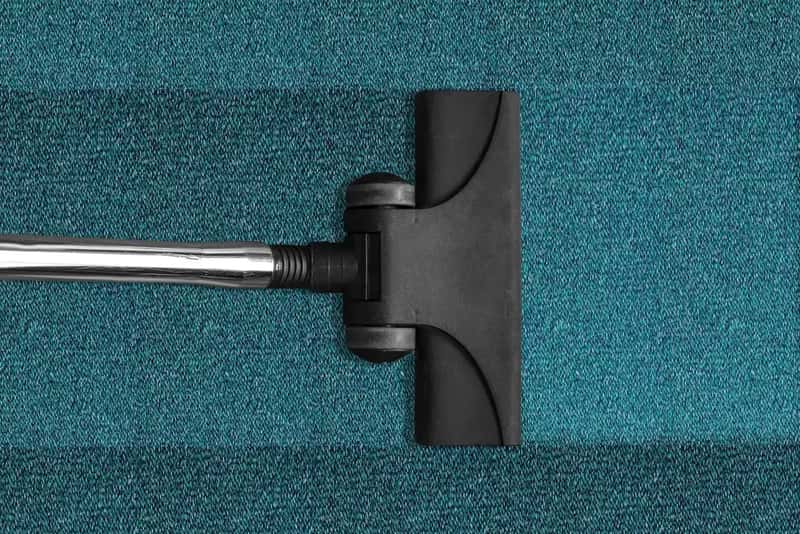
Guests naturally notice how clean your home is as soon as they step through the door – it doesn’t mean your home has to be spotless, but a tidy space speaks volumes about how much you care for your environment. According to a study published in the Personality and Social Psychology Bulletin, people often equate cleanliness with positive personality traits. That’s not a small thing – your kitchen counter is quietly influencing how guests perceive your character as a whole. Nobody’s immune to this, even people who are messy themselves.
Clutter and dirt can make even the most beautifully decorated homes feel chaotic – taking a few moments to organize your space and wipe down surfaces can leave a lasting impression, and it pays to give special attention to high-touch areas like doorknobs and tabletops. The key insight most people miss is that guests aren’t doing a white-glove inspection – they’re responding to an overall emotional impression of care. The idea is to create a welcoming space that feels lived-in yet managed. Lived-in is warm. Neglected is different. Guests know the difference the second they step inside.
#2 – The Overall “Feeling” of the Space Before They Can Name It

The first thing people register isn’t a single object – it’s the feeling. Does your home feel calm, warm, and lived-in, or tense and chaotic? Atmosphere comes from a mix of cleanliness, lighting, scent, and how you greet someone at the door, and more than décor, it’s the emotional tone that lingers. This is the hardest thing to manufacture and the easiest thing to feel. You’ve walked into homes that just felt right without knowing why – and homes that made you want to leave before you’d even sat down.
Before guests even notice décor, they experience the atmosphere – a room that smells clean and feels fresh signals care and professionalism. Beyond what guests see and smell, they feel the emotional tone of the space – a handwritten welcome note, a small local gift, or a carefully selected bedside book create emotional warmth instantly. The atmosphere of your home is the sum of every single other thing on this list working together – or not. Guests don’t remember perfection – they remember emotion, and when they feel personally welcomed, they are far more likely to forgive small imperfections and form a deeper, positive memory of their stay.
#1 – The Scent Story Your Home Is Telling Without You Knowing
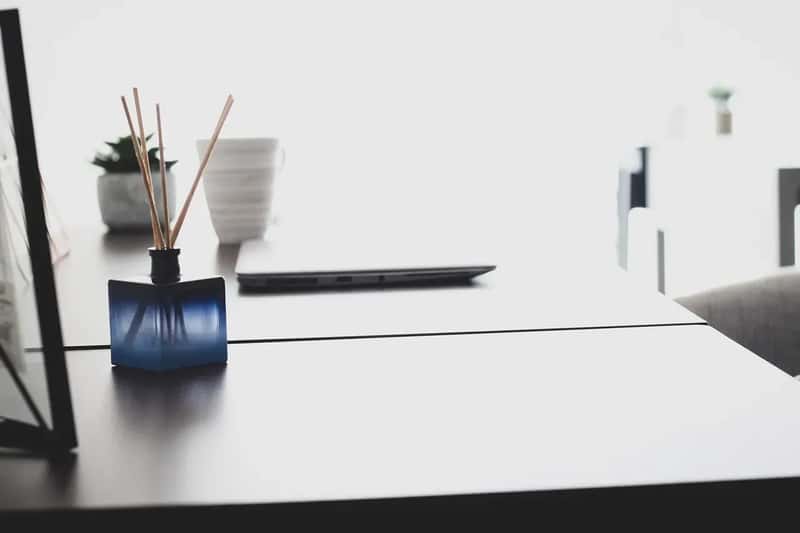
We started with smell and we’re ending with it – because it genuinely deserves the top spot. Every home develops a unique olfactory signature that residents eventually stop noticing due to sensory adaptation – guests entering a new space have fresh senses that pick up on these underlying scents immediately, and the condition of the air tells a story about habits, hygiene, and maintenance. This is the thing that people remember most viscerally about your home, sometimes years later. They may not remember what was on your walls, but they’ll remember how your house smelled.
Before all else, guests will notice the smell of your home – since you live there, you may become accustomed to the smell and may not realize if it needs a little freshening up. Some old homes may smell musty, the homes of smokers smell smoky, and if you cooked recently, your home may smell like food. The single most honest way to know what your home smells like is to leave for a few hours and walk back in with fresh senses. Open a window to let in fresh air – it will work better than any scented candle, and artificial scents can make people feel nauseous and make them wonder what you’re trying to cover up. Clean air with the faintest hint of something good is the gold standard – and it’s more achievable than most people think.
The truth is, guests aren’t walking through your door with a clipboard. They’re not grading you. But they are human, and humans absorb their environment in seconds – the smell, the temperature, the light, the feel of the space. Most of the things on this list cost nothing to fix, just a bit of awareness. Go take a walk around your own home like you’re seeing it for the first time. You might be surprised what you notice. Did one of these catch you off guard? Drop it in the comments – we’d love to know which one hit closest to home.