Most people think a national park trip falls apart on the trail – a wrong turn, a surprise thunderstorm, shoes that were never meant for rocks. Turns out, the real damage happens weeks before you ever leave the driveway. The National Park Service recorded 331.9 million recreation visits in 2024, which means more competition for the same campsites, the same timed-entry windows, and the same stretch of iconic trail. The gap between a magical trip and a completely wasted one almost always comes down to decisions made – or skipped – during planning.
What most first-timers never get isn’t about what to pack. It’s about the invisible system running beneath every popular park: reservation windows that open at exact seconds, permit lotteries that close months out, and fee changes that quietly hit your wallet at the gate. Some of the most avoidable trip failures are also the most common – and they follow a pattern that’s almost painfully predictable once you’ve seen it. Here’s what the people who know these parks best actually warn about.
#17 – Assuming You Can Just Show Up
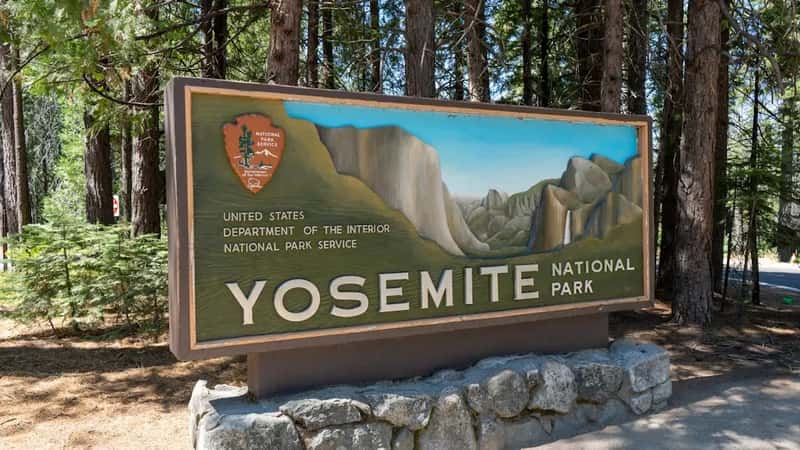
The era of the spontaneous road trip to a famous national park is, for many destinations, effectively over. Yosemite has become ground zero for reservation-based access during peak seasons – what used to be a casual Sunday drive now requires planning weeks or months ahead. During high-demand periods, the park enforces vehicle reservation systems that cap daily entries. Many travelers arrive assuming early entry will guarantee access, only to be turned away at checkpoints. That’s not a traffic jam. That’s a locked gate with your vacation on the other side of it.
There are now eight national parks and one national monument that require some form of advance reservation – timed-entry permits, vehicle reservations for specific roads, or hiking permits for select trails. The system changes year to year, park to park, and even trail to trail. Showing up without checking is the single fastest way to turn a long-anticipated trip into a frustrating afternoon in a parking lot outside a park you never actually entered.
Fast Facts
- Multiple major parks – including Yosemite, Arches, Rocky Mountain, and Glacier – use vehicle reservation or timed-entry systems during peak season.
- Entry systems change annually; what was walk-up last year may require a permit this year.
- Recreation.gov is the central hub for checking current reservation requirements before you go.
- Being turned away at the gate is far more common than most visitors expect – and it’s almost always preventable.
#16 – Missing the Timed-Entry Permit Window

Timed-entry permits don’t just require planning – they require split-second timing. Reservations for the most popular windows can sell out in minutes, especially during peak season. Parks like Rocky Mountain, Arches, and Glacier have all run reservation systems requiring visitors to pre-book specific entry windows, and Rocky Mountain was the first to implement one, back in 2020. What started as a pandemic-era crowd management tool became permanent because it worked – and because the crowds never stopped coming.
#15 – Booking the Wrong Type of Permit
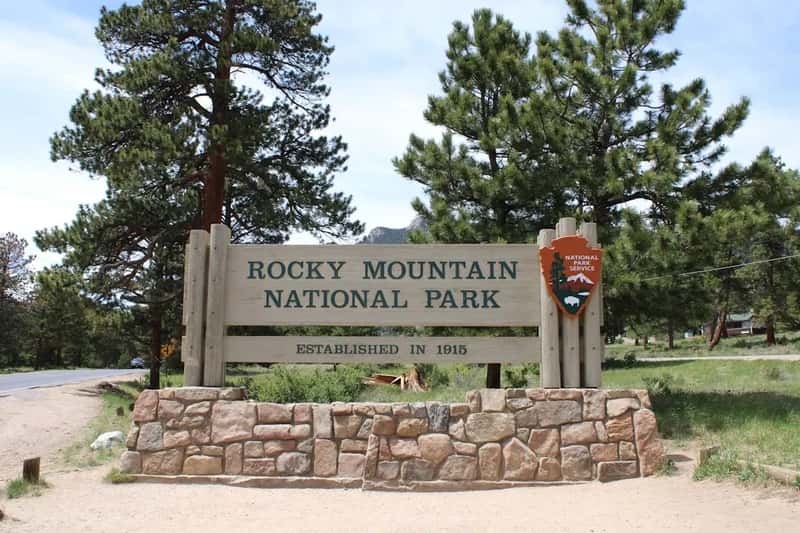
Even visitors who know they need a permit often grab the wrong one – and don’t realize it until they’re standing at the trailhead with nowhere to go. Permits are released in phases and sell out quickly during peak months, which creates pressure to grab anything available. At Rocky Mountain National Park, there are two distinct permit tiers covering different sections of the park, and holding one doesn’t guarantee access to the area you actually planned your whole trip around.
Quick Compare
- Timed Entry (Standard): Access to all park areas except Bear Lake Road Corridor – required 9 a.m. to 2 p.m.
- Timed Entry + Bear Lake Road: Access to Bear Lake Corridor AND the rest of the park – required 5 a.m. to 6 p.m.
- Both permit types: Allow entry within a designated 2-hour window; no set departure time once inside.
- Where to book: Recreation.gov only – not available at park entrance stations or visitor centers.
#14 – Sleeping on Campground Reservations
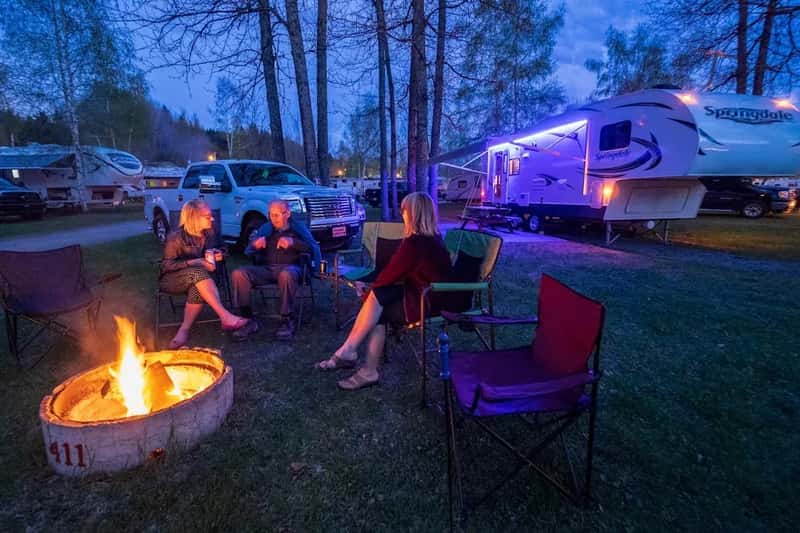
National park campground reservations aren’t just competitive – they’re brutal in a way that catches people completely off guard. Popular campgrounds at Yosemite, Zion, Glacier, Arches, and Kalaloch routinely sell out in under a minute. That’s not a figure of speech. It’s a literal race against thousands of other people sitting at their computers at the exact same moment, all clicking the same button. Many of these campgrounds have fewer than 100 reservable sites, which makes a concentrated release window feel like a flash sale at a store that only stocked a dozen items.
Reservations open in monthly blocks, up to five months in advance, on the 15th of each month at 7 a.m. Pacific time. Nearly all reservations for May through September fill on the first day they become available – usually within seconds of that 7 a.m. window opening. If you’re treating this like a casual hotel booking you’ll get around to eventually, you’ll find yourself priced out of your own trip before you’ve even opened a trail map.
#13 – Not Knowing That Yellowstone Booking Works Differently
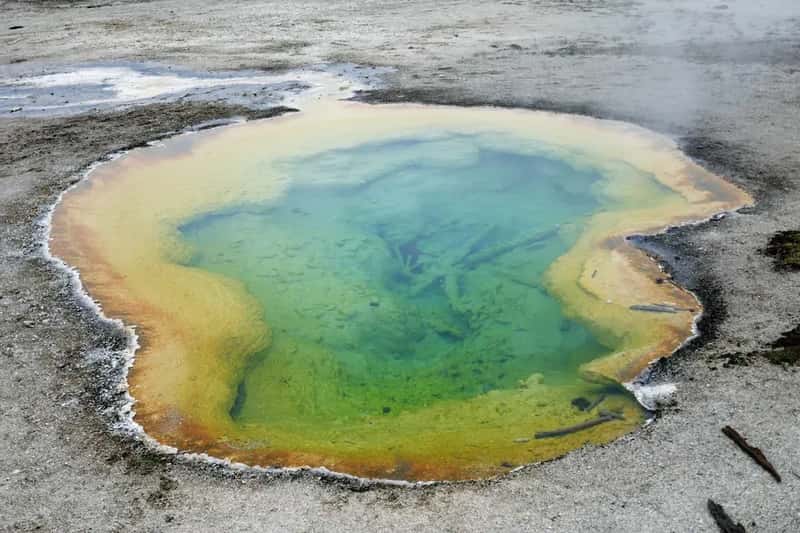
Yellowstone operates on its own timeline that surprises even experienced park visitors. The park allows campsite reservations 13 months in advance, with bookings opening on the fifth of each month – meaning competition for a summer campsite at the country’s most iconic park starts more than a year before you’d be sitting around the fire. Most travelers don’t learn this until they check availability and find the calendar already full of tiny red “unavailable” markers stretching into the distance.
Yellowstone campground reservations are split across two different booking platforms depending on which campground you want, and mixing them up means ending up with no site at all. Check which campgrounds use Recreation.gov and which are handled through the park’s concessionaire site – they are not the same system, and neither one will alert you to the other. That split is exactly the kind of quiet administrative trap that burns even well-intentioned planners who think they’ve done their homework.
#12 – Ignoring the Annual Pass Math
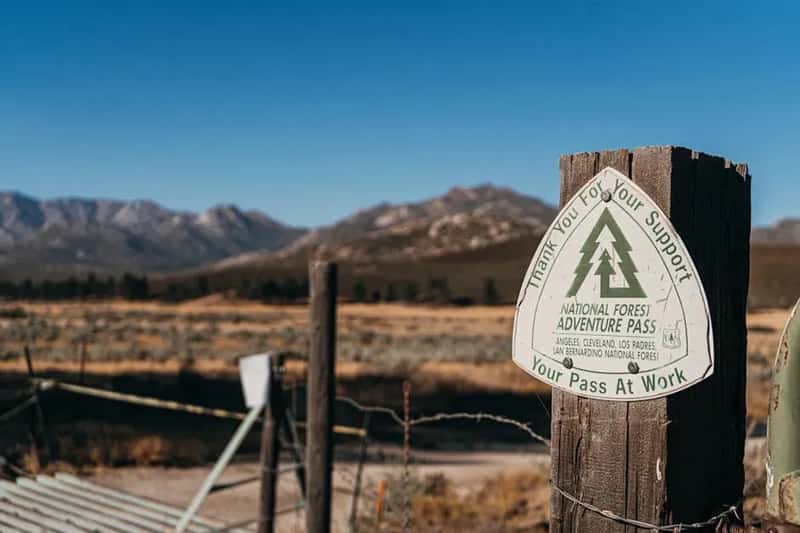
Millions of visitors pay full per-vehicle entrance fees every year – sometimes multiple times on the same road trip – when an $80 annual pass would have covered everything. The America the Beautiful Pass covers all fee-charging national parks and federal recreation sites for a flat $80 for U.S. residents. Standard vehicle entrance fees at individual parks run $20 to $35 per vehicle for a seven-day pass. If you’re hitting two major parks on a single trip, you’re already most of the way to the pass price before you’ve unpacked your first camp chair.
#11 – Getting Blindsided by New Fee Structures
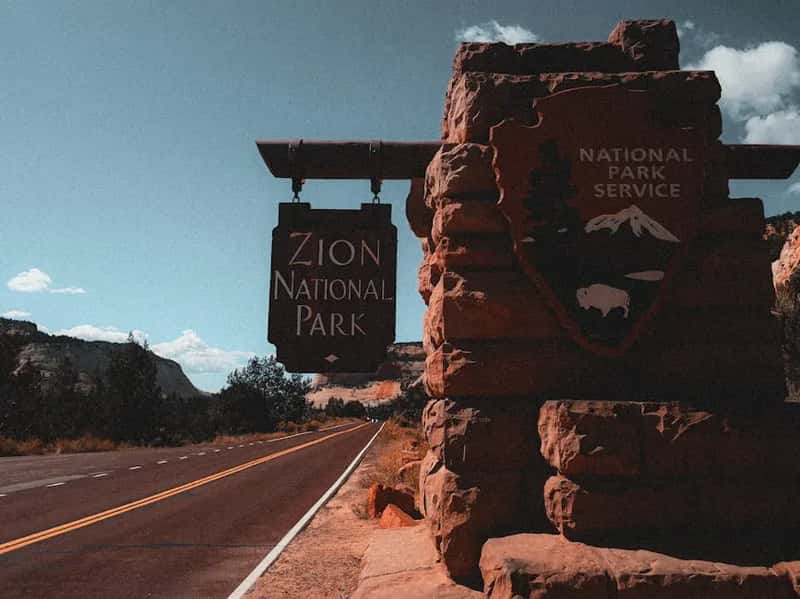
National park fees are not static, and 2026 brought a significant change that many visitors still don’t know about. Starting January 1, 2026, the Department of the Interior introduced a new pricing tier that charges non-U.S. residents substantially more at eleven of the most visited parks – including Acadia, Bryce Canyon, Everglades, Glacier, Grand Canyon, Grand Teton, Rocky Mountain, Sequoia & Kings Canyon, Yellowstone, Yosemite, and Zion. International visitors now face a separate nonresident fee on top of standard entrance fees, while U.S. residents hold steady at $80 for the annual pass – but the confusion at entry stations is already creating delays and unexpected costs for mixed travel groups.
Compounding the issue, many parks are quietly reducing visitor center hours and seasonal operating windows alongside these changes. A park that stayed open until 6 p.m. last summer might close its main visitor center at 4 p.m. this year. Showing up for a ranger-led program that no longer runs is a specific kind of disappointment that a two-minute check on nps.gov could have prevented entirely. Fee pages are updated regularly – the information is there, but only if you look before you go.
#10 – Skipping the Offline Map Download
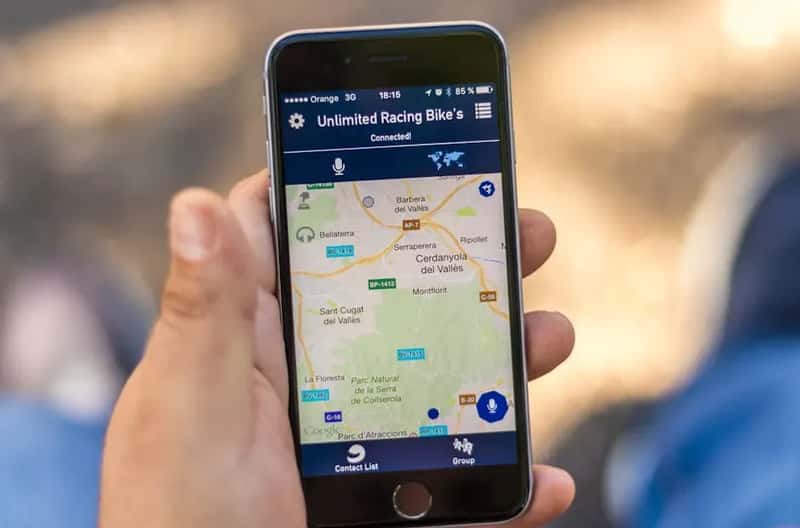
Cell service in national parks is famously unreliable, and treating a live navigation signal as a backup plan in remote terrain is a planning failure, not bad luck. Signal tends to vanish the moment you turn down the road that actually leads to where you’re going – which is exactly when you need it most. Relying on being able to pull up an email, a navigation app, or your reservation confirmation in real time inside a park is a bet that loses more often than people expect.
The official NPS app lets you download park information for offline use before you leave home. It takes under five minutes on Wi-Fi and can be the difference between a confident hike and a confused, disoriented afternoon in the backcountry. Download the trail maps, save your reservation confirmation as a PDF, and print anything critical before you leave. The wilderness does not care that you have unlimited data.
#9 – Not Printing Your Reservation Confirmation
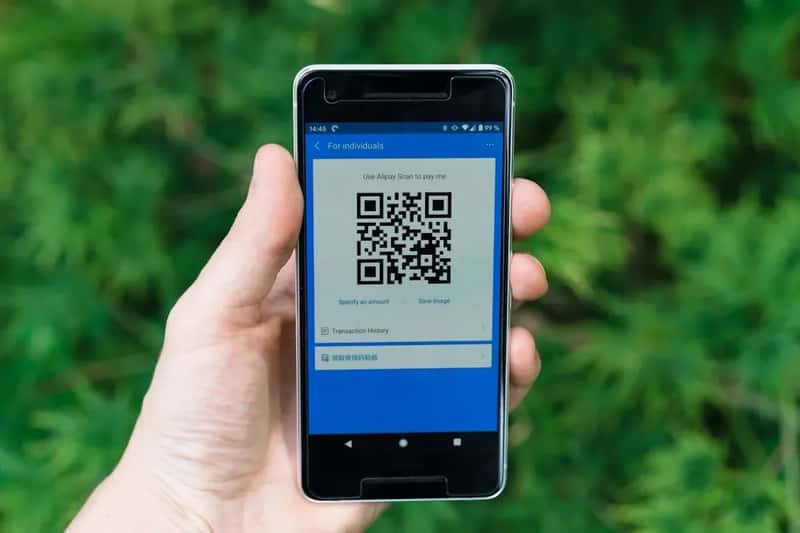
This one feels almost too obvious to include – and that’s exactly why thousands of people skip it every season. Rangers at timed-entry checkpoints need to see your confirmation. If your phone dies, your signal drops, or your email app refuses to load in a dead zone, a paper backup is the only thing standing between you and a very awkward conversation at the gate. Cell service can vanish the moment you enter park boundaries, which is precisely when that confirmation becomes non-negotiable.
At Rocky Mountain National Park, the official guidance is clear: once your timed-entry reservation is complete, you receive an email with an attached confirmation – and you are required to show that document to a ranger at the entrance gate. The NPS recommends printing a copy or taking a full screenshot that includes the reservation QR code before you arrive. Arriving at a checkpoint with a dead phone and no printout is not a technicality – it can mean getting turned away entirely. Keep the confirmation in the glove box. Thirty seconds at home prevents real misery at the gate.
Worth Knowing
- Timed-entry confirmations must include the QR code – a partial screenshot won’t cut it.
- Cell service regularly drops at or before park entrance gates – plan accordingly.
- If visiting an outlying area like Lily Lake or East Inlet Trailhead, a printed copy must be displayed on your dashboard.
- Rangers enforce entry windows strictly; missing your 2-hour slot can mean being turned away until after 2 p.m.
#8 – Choosing a Hotel Without Checking Drive Time to the Park

Gateway town hotel prices look attractive until you realize the one you booked is 90 minutes from the park entrance. Popular parks like Yellowstone, Grand Canyon, and Glacier pull lodging demand across entire regions, and budget accommodations often end up significantly further away than the listing photos suggest. That distance doesn’t just cost time – it can mean missing early-morning timed-entry windows entirely, which defeats the purpose of the reservation you fought hard to secure.
Lodging inside the park itself books out months in advance through concessionaire systems that are often separate from Recreation.gov – some options open 366 days in advance, making them even more competitive than campground reservations. If in-park lodging isn’t available, target the closest gateway town and calculate actual drive time, not map distance, before you confirm. Forty miles on a mountain highway in the dark is not the same as forty miles on the interstate, and arriving stressed and late is its own kind of trip killer.
#7 – Planning Your Itinerary Around a Single Iconic Trail
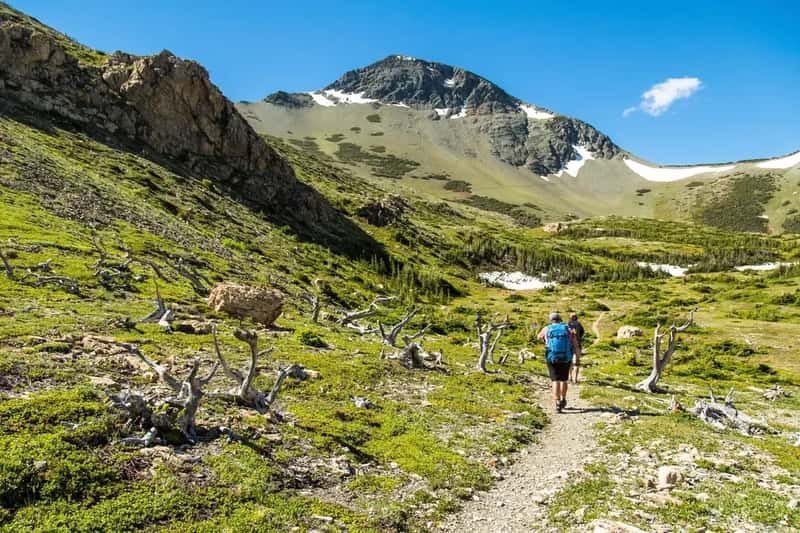
There’s a particular type of trip failure where someone drives 2,000 miles for one specific trail – the Narrows, Angels Landing, Half Dome – only to find the permit gone, the trail closed for safety maintenance, or the weather making the whole thing impossible. Beginning in 2024, wilderness permits have been required for day-long activities including canyoneering the Left Fork Subway at Zion and the top-down route of the Virgin River Narrows. Angels Landing has required a permit lottery since 2022. A single-trail itinerary with no fallback isn’t adventurous – it’s one lottery result away from collapse.
The smarter approach is building a trip around a region, not a single landmark, and identifying two or three permit-required hikes with separate lottery dates. Landing one out of three still makes for a great trip. Researching multiple options gives you a real understanding of the terrain, climate, and gear requirements – and it means the trip survives the moment one piece of the plan falls through. Over-indexing on one trail is the most common reason people leave a national park feeling cheated by a trip that was always fragile by design.
#6 – Visiting Peak Season Without a Concrete Plan B
National park visitation peaked at 331 million in 2024, and the most visited parks absorbed a disproportionate share of that surge. Peak season – Memorial Day through Labor Day – means maxed-out parking lots, shuttle queues that stretch for hours, and trailheads so crowded that the wilderness experience feels closer to a theme park line than a mountain morning. None of that is a secret, and yet millions of families still arrive during those exact weeks without any contingency thinking built in.
Shoulder season – September and October at most Western parks – hits a genuine sweet spot: cooler temperatures, thinning crowds, the same dramatic scenery. Fourth of July, Labor Day weekend, and Memorial Day are the three windows when even backup campsites disappear. Weekdays are meaningfully less crowded than weekends at nearly every major park. If your schedule allows any flexibility at all, that flexibility alone is worth more than any gear upgrade or early alarm clock.
Why It Stands Out: Shoulder Season vs. Peak Season
- Crowds: September and October draw a fraction of summer peak traffic at most Western parks.
- Temperatures: Cooler and more comfortable for strenuous hikes at high elevation.
- Availability: Campsites, trailhead parking, and shuttle seats are dramatically easier to secure.
- Scenery: Fall foliage at parks like Rocky Mountain and Glacier rivals anything summer offers.
- Cost: Gateway town lodging rates typically drop 20-40% after Labor Day.
#5 – Underestimating Altitude and Physical Demands
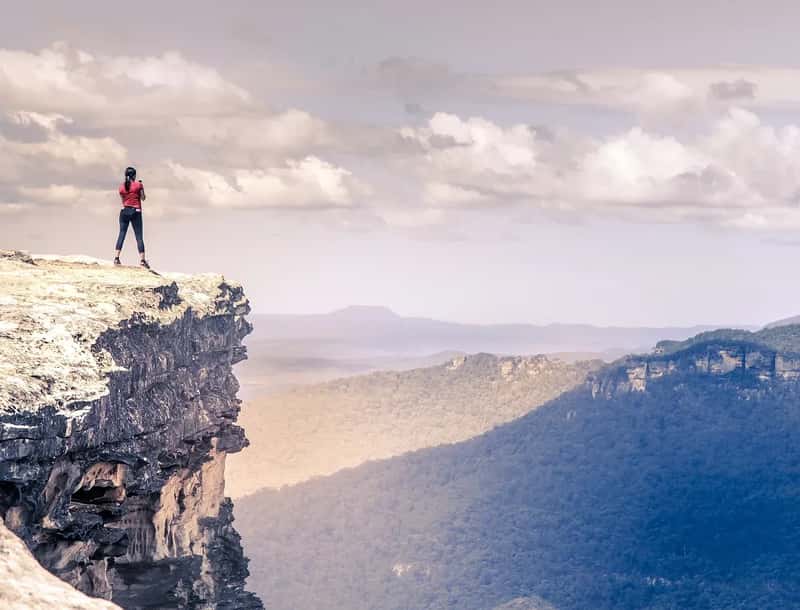
Vacation confidence is a real phenomenon, and it sends hundreds of hikers onto the wrong trail every summer. You feel good, you’re excited, and the description says “moderate” – but moderate by whose standard? A moderate trail in the Rockies would humble most people who walk a few miles a week at sea level. Altitude amplifies everything: fatigue arrives sooner, dehydration hits harder, and what looked like a manageable afternoon can deteriorate into a search-and-rescue situation before sunset.
Zion National Park sits at a deceptively high base elevation, and many canyon-rim trails climb over 1,000 feet in just a couple of miles. The park service regularly responds to calls from visitors who didn’t research trail difficulty or bring adequate water and gear, and end up stranded on a ridge or too exhausted to return on their own. Looking up a trail’s elevation gain – not just its mileage – before you pack is one of the most underrated pieces of trip preparation that actually changes outcomes. The number of miles means almost nothing without the vertical.
#4 – Packing Gear That’s Wrong for That Specific Park’s Climate

National parks span every climate zone in the country, and packing the same bag for the Grand Canyon in July as you would for Glacier in September is a genuine mistake that shows up in thousands of ruined itineraries every year. The Grand Canyon’s South Rim sits at roughly 7,000 feet elevation with freezing overnight temperatures even in late spring, while the canyon floor can hit 110°F that same afternoon. Layers aren’t optional at elevation – they’re the entire strategy.
Desert parks punish cotton, which holds sweat, provides no warmth when wet, and dries slowly when temperatures drop. High-altitude parks demand sun protection at intensities that most people, accustomed to lower elevations, badly underestimate – UV exposure increases roughly 10% for every 1,000 feet of elevation gain. The most common gear mistake isn’t forgetting something critical. It’s packing confidently and completely for the wrong environment, arriving prepared for a park that doesn’t match the one you’re actually standing in.
#3 – Treating the Park Website as Optional Pre-Reading

A surprising number of visitors skip the official park website entirely, relying instead on a three-year-old travel blog or a TripAdvisor thread that hasn’t been updated since before timed-entry systems existed. Entry requirements change annually, sometimes mid-season. Road closures, trail rehabilitation shutdowns, seasonal reservation windows, and fee changes all live on nps.gov – and nowhere else with guaranteed accuracy. What was true last summer may not be true this one, and outdated third-party content won’t tell you that.
Some parks require timed-entry reservations only during certain months, then drop the requirement entirely in the off-season – a detail that can make or break your planning depending on when you’re going. The NPS website isn’t glamorous, but it is authoritative. Fifteen minutes on nps.gov the week before your trip will answer questions that no Instagram caption, Reddit thread, or travel influencer reel ever reliably will.
#2 – Booking the Trip Without Checking for Trail or Road Closures
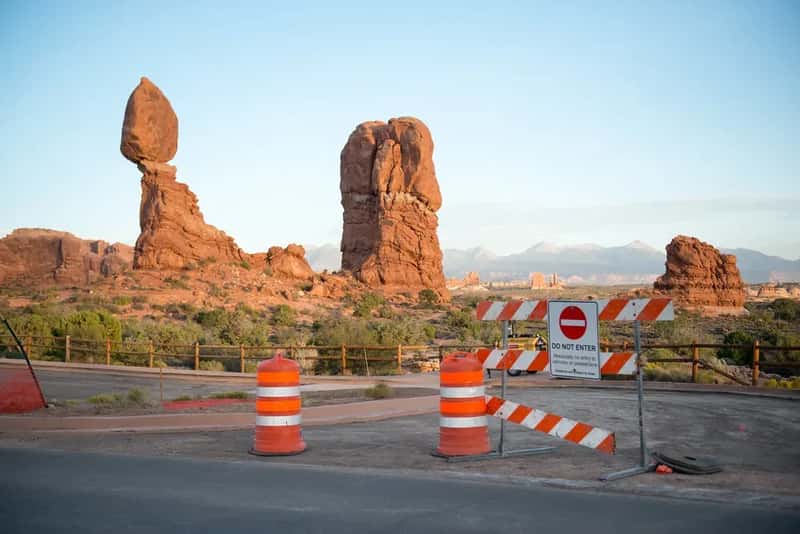
Some of the most famous roads in the national park system close for months – or years – at a time, and visitors regularly build entire itineraries around features that are physically inaccessible when they arrive. Glacier’s Going-to-the-Sun Road doesn’t fully open until late June most years, depending on snowpack. Zion’s Narrows can close entirely after heavy rainfall due to flash flood risk. The Grand Canyon’s North Rim typically shuts down from mid-October through mid-May. These aren’t surprises – they’re part of the parks’ predictable operational calendar.
Beyond road closures, many parks are reducing visitor center hours and seasonal program offerings due to ongoing budget constraints. Families who plan around specific ranger programs or facilities may arrive to find them unavailable with no notice beyond a small sign at the trailhead. Road and trail closure information is posted directly on each park’s NPS page and updated in near real time. This is a two-minute check that has saved – and could have saved – thousands of trips that instead fell apart at the trailhead on day one.
Fast Facts: Common Seasonal Closures to Know
- Glacier’s Going-to-the-Sun Road: Typically doesn’t fully open until late June – exact date depends on snowpack each year.
- Grand Canyon North Rim: Generally closed mid-October through mid-May.
- Zion Narrows: Subject to sudden closure after heavy rain due to flash flood danger.
- Yellowstone roads: Some interior roads remain closed through April or May depending on winter conditions.
- Where to check: Each park’s official page on nps.gov – updated in near real time.
#1 – Misunderstanding What a National Park Actually Is
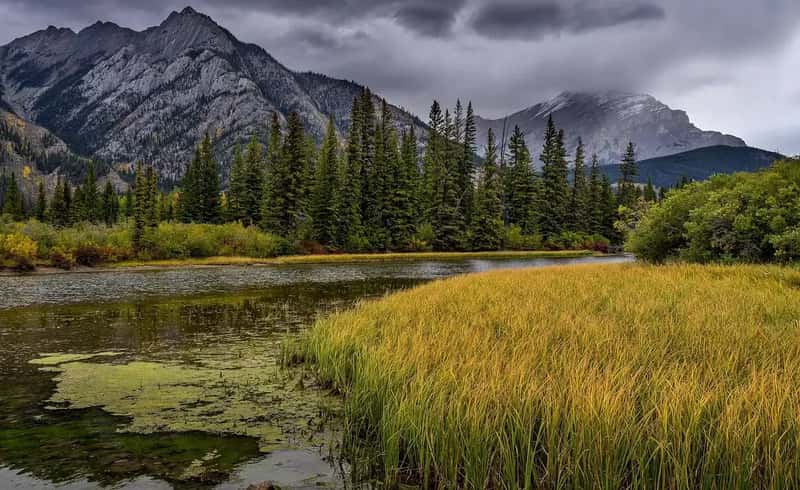
The single most trip-ruining mistake happens before a single reservation is made: treating a national park like a managed attraction rather than a living, indifferent wilderness. The most dangerous mindset, according to rangers speaking candidly, is thinking a national park is just a bigger version of the park down the street. Research has consistently shown that many visitor incidents reflect a fundamental misreading of risk – people treating these spaces as recreational environments similar to city parks or zoos, when the animals are wild, the terrain is unforgiving, and the weather answers to no one’s itinerary.
This one mindset error drives every downstream mistake – the skipped permit research, the wrong shoes, the single-trail itinerary with no backup, the assumption that cell service will save you when it won’t. The parks that feel transformative and the parks that feel like a wasted drive are often the exact same parks, visited by two different kinds of people: those who prepared for a wild place, and those who expected a very large gift shop with better scenery. Every item on this list is fixable before you leave home – and knowing the difference between those two kinds of visitors is where the real preparation starts.
The good news is that every mistake on this list costs nothing to fix except a little time before you pack the car. Check nps.gov. Confirm your permits. Download the offline maps. Print the confirmation. Understand the terrain. Do those things and your trip is already in better shape than the majority of the 331 million people who visited last year – most of whom wished they’d known just a little more before they arrived.