The American coastline is experiencing a remarkable transformation, with certain beach towns emerging as the nation’s fastest-growing destinations. Population growth in U.S. metro areas as a whole was faster between 2023 and 2024 than in the previous year and outpaced that of the nation.
Two beach towns particularly stand out in this coastal renaissance: Fort Myers, Florida, and Myrtle Beach, South Carolina. These destinations aren’t just experiencing temporary tourist booms. They’re becoming permanent homes for hundreds of thousands of new residents who are reshaping these communities fundamentally.
Fort Myers: Florida’s Fastest-Growing Coastal City

Fort Myers is the fastest-growing of the 150 major cities in this year’s Best Places to Live analysis, seeing a population increase of 6.73% between 2021 and 2022 due to net migration. This Gulf Coast city has transformed from a quiet retirement destination into a thriving metropolitan area that attracts people of all ages. The City of Fort Myers’ population has increased 16.7% since 2020, representing one of the most dramatic urban growth stories in America.
The City of Fort Myers has been ranked 8th in “Best Small Cities to Start a Business” in the nation in 2023, and 2nd in “Best Places to Retire in Florida” in 2021 by Wallet Hub. Fort Myers and Lee County have been selected by many Fortune 500 businesses for branches or headquarters relocation, such as Gartner, Chico’s, and Hertz. The economic infrastructure supporting this population boom extends far beyond tourism.
What makes Fort Myers particularly attractive is its strategic location and quality of life. Its proximity to Sanibel Island and Fort Myers Beach makes this city a gateway for shelling, snorkeling, and sunbathing. With year-round warmth, uniquely Floridian flora and waterways, the City of Palms is home to a vibrant downtown and outdoor activities like hiking, paddling, boating, fishing and much more.
Myrtle Beach: South Carolina’s Coastal Growth Champion

Myrtle Beach-Conway-North Myrtle Beach, SC were two of the fastest-growing metro areas whose population gains stemmed largely from net domestic in-migration. Florida’s Panama City-Panama City Beach area and South Carolina’s Myrtle Beach-Conway-North Myrtle Beach area followed with 3.8 percent each in growth between 2023 and 2024. This coastal South Carolina destination has emerged as a national leader in population expansion.
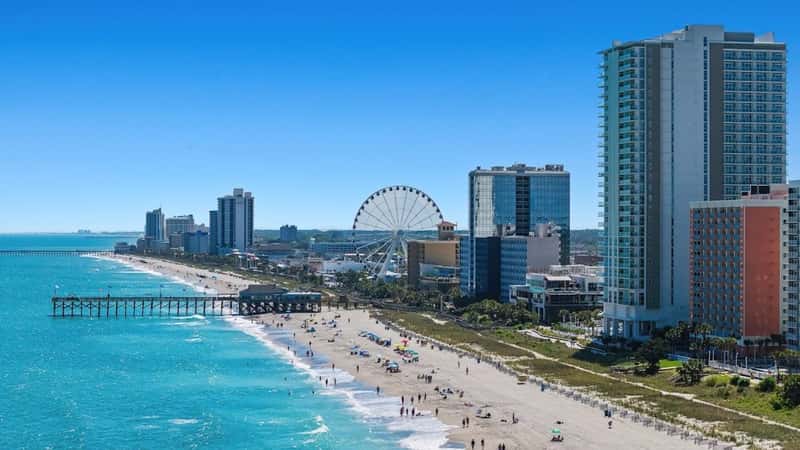
The scale of Myrtle Beach’s transformation is breathtaking. With an estimated 413,391 residents in July 2024, the Myrtle Beach metro area’s population has doubled since 2009. This doubling represents one of the most dramatic demographic shifts in American coastal communities over the past decade and a half.
Myrtle Beach, South Carolina, tops the list as America’s fastest-growing city for residential housing. The city’s population growth (2.93%) and surging job market (4%) are fueling a construction frenzy, with over 13,000 building permits approved in 2023. This building boom reflects not just tourism demand but genuine residential growth.
Economic Engines Driving Coastal Growth

Both cities benefit from diversified economies that extend well beyond traditional beach town industries. In Fort Myers, the total personal income of Lee County residents increased 11.3% from 2021 to 2022. The industries with the highest growth include Manufacturing at 19.3%, Transportation & Warehousing at 17.5%, and Finance, Insurance & Real Estate at 16.8%. This economic diversity provides stability that pure tourism destinations often lack.
Myrtle Beach has similarly evolved its economic base. Affordable living: A cost-effective alternative for new residents. Thriving lifestyle: Vibrant culture, music, arts and local cuisine. Medical hub: Expanding healthcare facilities serve residents and tourists. Remote work haven: Ideal location for those working remotely. The city’s transformation into a comprehensive living destination rather than just a vacation spot has attracted permanent residents.
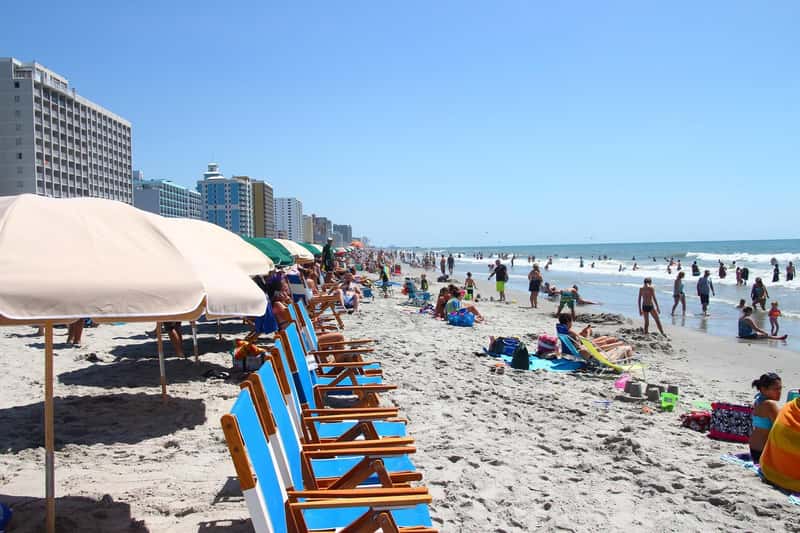
The geographic advantages of both locations cannot be overstated. Myrtle Beach has nearly 60 miles of shoreline that runs along the Grand Strand. In addition to its coveted coastline, the Myrtle Beach area is peppered with golf courses, many of which were designed by golf greats like Jack Nicklaus, Greg Norman and Arnold Palmer. These amenities create lasting appeal for residents seeking recreational opportunities.
Infrastructure Challenges and Solutions

Rapid growth brings significant infrastructure pressures that both communities are actively addressing. “It’s growing too fast,” said Horry County Councilman Bill Howard, whose district includes the Myrtle Beach area. “How can we discourage the big builders from wanting to come here?” he once asked county staff during a presentation on future land use planning. “I think it’s a bad thing when we have 1,500 to 3,000 houses come in on top of us.” These concerns reflect the real challenges of managing unprecedented growth.
The housing market dynamics in both locations reflect healthy but challenging growth patterns. In 2024, the Myrtle Beach housing market has experienced some interesting shifts, with home prices continuing to rise while the pace of sales has slowed down. Overall, the Myrtle Beach housing market is currently considered less competitive, with homes taking longer to sell compared to previous years. This market cooling provides opportunities for newcomers while maintaining growth momentum.
Demographic Transformation and Migration Patterns
The people choosing these coastal destinations represent a diverse cross-section of American society. The area has one of the fastest-growing populations in the nation, partly because so many retirees move there. Yet the demographic picture extends far beyond traditional retiree destinations.
Regional migration patterns show interesting trends in who’s moving to these beach towns. “Increasingly, population growth in metro areas is being shaped by international migration,” said Kristie Wilder, a demographer in the Census Bureau’s Population Division. “While births continue to contribute to overall growth, rising net international migration is offsetting the ongoing net domestic outmigration we see in many of these areas.” All of the nation’s 387 metro areas had positive net international migration between 2023 and 2024, and it accounted for nearly 2.7 million of the total population gain in metro areas.
The rental market in these areas reflects the changing residential patterns. Myrtle Beach has a significant population of renters, with nearly 50% of the population renting rather than owning their homes. This creates a strong demand for rental properties and potential for steady rental income. This rental demand indicates both temporary residents transitioning to permanent status and young professionals establishing careers.
Future Growth Projections and Regional Impact
Looking ahead, both cities face the challenge of managing continued growth while preserving their coastal character. Governments anxiously anticipate a potential increase of one million people in South Carolina by 2042, prompting strategic development planning to sustain community charm amid rapid growth. This long-term planning reflects the serious nature of demographic changes occurring along the coast.
Fort Myers continues to attract business relocations and expansions that will drive further population growth. The exceptional quality of life, educated workforce, and business-friendly community make it ideal for companies and their employees alike. Florida has been ranked second in “Best States for Business” by Chief Executive Magazine for 2023 as a result of its low taxes and a steady influx of new employers/employees to the state. This business-friendly environment suggests sustained economic growth supporting population expansion.
These two beach towns represent the new American dream of coastal living combined with economic opportunity. Their growth trajectories suggest they’ll continue attracting residents throughout this decade, fundamentally reshaping what it means to live by the ocean in America. The challenge now becomes managing this success while preserving the coastal charm that makes these destinations so appealing in the first place.