Eco-conscious travel has never been more relevant. In a world where climate change headlines compete with passport stamps, the destination you choose says something real about the kind of traveler you are. Some countries have turned sustainability into a national identity. Others are, frankly, struggling to keep up. This guide ranks 11 countries from the greenest to the most environmentally challenged, using verified data from the Yale Environmental Performance Index (EPI) 2024 and other credible global sources. So pack your reusable water bottle and let’s dive in.
#1 Estonia: The Surprise Champion at the Top

Honestly, most people don’t think of Estonia when they picture eco-friendly travel. Yet here we are. Estonia tops the 2024 Environmental Performance Index, the first Eastern European country to do so, achieving a remarkable 40% drop in greenhouse gas emissions thanks to a move away from oil shale toward renewables and smart energy technology.
Estonia ranks 7th in Ecosystem Vitality and stands out in biodiversity protection, with well-placed protected areas and high marks for species conservation. Lahemaa National Park, one of Europe’s largest, is a living example of the country’s deep conservation roots.
The nation’s digital-first approach extends to environmental monitoring, using advanced technology to track air quality and manage natural resources efficiently. However, Estonia faces some tension between renewable energy goals and forest conservation, particularly around deforestation linked to biomass energy production.
Based on all 58 EPI indicators, Estonia ranks number one globally, having decreased greenhouse gas emissions by 59% compared to 1990 levels. Another reason it pulled ahead is its high-performing biodiversity and habitat indicator, with roughly a fifth of its lands and seas designated as protected areas.
#2 Finland: The World’s Sustainable Development Leader
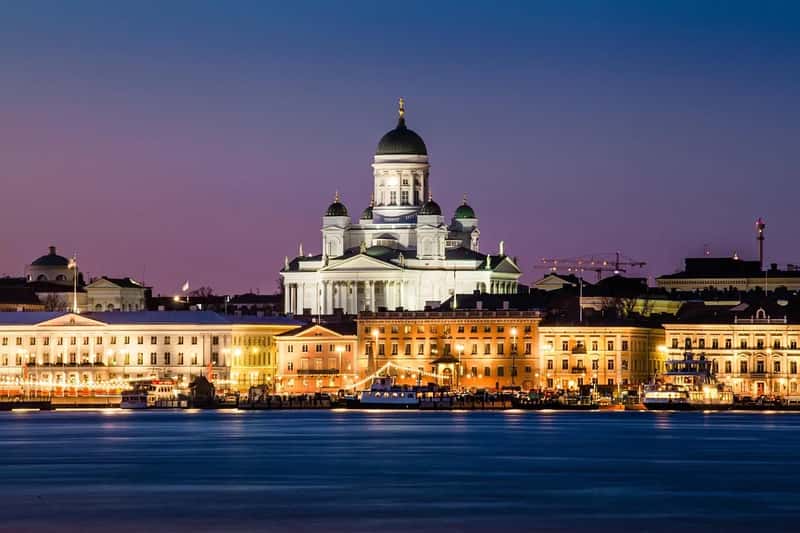
Finland is the kind of country that makes you feel bad about your recycling habits. In a very inspiring way. Finland combines excellent environmental health with a number 2 position globally for climate change mitigation, plus perfect scores on sanitation, drinking water, and lead exposure. It is also ranked first for projected 2050 emissions compatibility, and on top of that, Finland ranks first on the 2025 SDG Index for progress toward the UN’s 17 Sustainable Development Goals.
Over ninety percent of Finland’s electricity comes from low-carbon sources like wind, water, and biofuels. The country is navigating some bumps, especially with forests and peatlands struggling to absorb carbon as efficiently as before, but it remains focused on protecting nature and using its land wisely.
Finland’s environmental excellence stems from its deep connection to nature and a comprehensive approach to sustainability. Over 70% of its territory is covered by sustainably managed forests that serve as significant carbon sinks, while circular economy initiatives have revolutionized waste management with ambitious recycling targets.
#3 Denmark: A Cycling, Wind-Powered Powerhouse
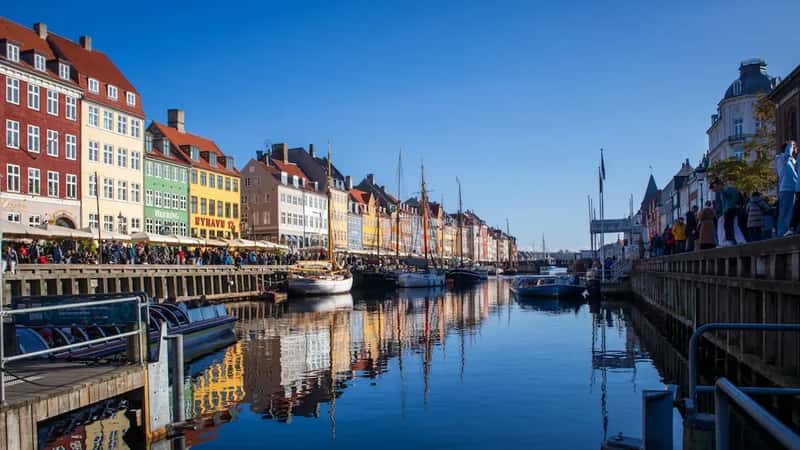
Denmark doesn’t just talk about green living. It builds it into the streets, the energy grid, and even the commute. Copenhagen aims to become the world’s first carbon-neutral capital, and the city has already reduced carbon emissions by 42% since 2005 through initiatives like district heating systems and cycling promotion. More than nearly half of all commutes in Copenhagen are now done by bicycle.
Denmark is considered a pioneer in promoting sustainability, which is reflected in its impressive ranking on both the EPI and the MIT Green Future Index, placing first and second respectively across the two indices. One of Denmark’s highlights is that it leads the EPI for the wastewater treatment indicator, meaning 100% of its population is connected to a sewer system and all household wastewater is treated.
Denmark scored 67.9 in the 2024 EPI, and while that represents a drop from previous years, the country is still widely seen as a global leader in sustainability. It has made considerable strides in cutting emissions, especially by phasing out coal, and continues to lead in wind power and clean technology.
#4 Sweden: Green Cities, Wild Forests, and Fossil-Free Steel

Sweden is the country that makes eco-friendliness look effortless. Think spotless cities, endless forests, and a public that genuinely cares. Sweden tops the Travel and Tourism Development Index thanks to its strong environmental regulations and widespread commitment to nature preservation. Its approach to sustainable infrastructure and low emissions makes it a global leader in green tourism.
Sweden’s innovative Hybrit project aims to produce fossil-free steel using hydrogen instead of coal, potentially reducing Sweden’s total carbon emissions by 10% if implemented at scale. The first fossil-free steel was delivered to Volvo in 2021, with commercial production planned for 2026. Sweden also operates the world’s first electrified road, which charges electric vehicles while driving.
Stockholm, Gothenburg, and Malmö are consistently ranked among the world’s most sustainable cities. Public transportation runs on renewable energy, recycling is deeply embedded in daily culture, and plant-based food options are widespread. You can even drink the tap water straight from the tap. Sweden’s Right of Public Access law also allows visitors to camp and hike almost anywhere responsibly.
#5 Costa Rica: The Eco-Tourism Blueprint

Here’s the thing about Costa Rica: a country the size of West Virginia somehow hosts more than six percent of the world’s entire biodiversity. That’s not a typo. Costa Rica boasts 98% of its electricity derived from renewable sources in recent years, and the country’s commitment to sustainability is evident in its efforts to preserve over 25% of its land as national parks and protected reserves. Costa Rica aims to achieve full carbon neutrality by 2050.
Costa Rica’s tourism industry has embraced eco-friendly practices on a wide scale. As of 2023, over 400 tourism businesses have been awarded the Certificate for Sustainable Tourism (CST) by the Costa Rican Tourism Board, evaluated on environmental policies, water and energy conservation, waste management, and positive impact on local communities.
Ecotourism has become a pillar of the economy, but success comes with real pressure. Popular destinations can suffer from overcrowding, waste management problems, and strain on local communities. Balancing the demands of millions of tourists with conservation remains an ongoing challenge. I think this is one of the most honest sustainability stories in travel: genuine ambition, real achievements, and challenges that haven’t been swept under the rug.
#6 Norway: Fjords, Hydropower, and a Carbon-Neutral Ambition
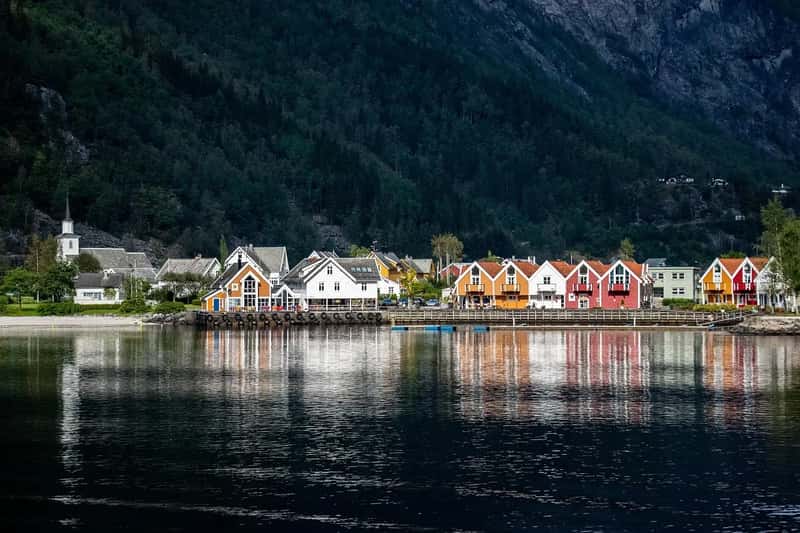
Norway is one of those places where nature almost feels too perfect to be real. Towering fjords, crystal-clear air, salmon-filled rivers. The country protects these landscapes fiercely, and the data backs it up. Norway is a global leader in sustainability with ambitious goals and innovative approaches. The country aims to achieve carbon neutrality by 2030, two decades ahead of its original schedule, and hydropower accounts for approximately 95% of its energy generation.
Norway earns seventh place in the 2024 EPI thanks to clean air, excellent sanitation, and top-tier drinking water. Nearly all of its electricity comes from low-carbon sources, mostly hydropower, making it one of the greenest energy producers in the world. The country also stands out for protecting marine biodiversity and is pushing forward on climate technology including the Northern Lights carbon capture project.
Norway combines abundant natural resources with responsible environmental stewardship, creating a unique model for sustainable development. The country’s hydroelectric power generation provides nearly all domestic electricity needs while maintaining pristine fjord ecosystems. Norway’s sovereign wealth fund, built on oil revenues, is increasingly focused on sustainable investments and divesting from fossil fuel companies.
#7 New Zealand: 150 Million Trees and Counting

New Zealand’s green credentials go deeper than its impossibly scenic landscapes. The government has turned sustainability into national policy in ways that are genuinely measurable. New Zealand’s environmental policy is driving investment in eco-friendly technologies, particularly in transport and energy. The government has planted more than 150 million trees since 2018 as part of its One Billion Trees Programme, which aims to absorb 38 million tonnes of CO₂ by 2050. Significant water infrastructure reforms are also underway, and the tourism industry is targeting full sustainability commitment across every tourism business by 2025.
New Zealand is a recognized leader in sustainable tourism, having implemented a range of environmentally friendly policies, including protecting wildlife habitats, promoting sustainable farming practices, and encouraging eco-friendly transportation.
New Zealand continues to lead in sustainable travel, with the government pledging to be carbon-neutral by 2050 and actively supporting eco-tourism businesses. Visitors can explore Milford Sound’s fjords, hike in Tongariro National Park, and stay at sustainable lodges that prioritize conservation and indigenous Māori heritage.
#8 Germany: Europe’s Biggest Economy Going Green

Germany is proof that a major industrial powerhouse can still take environmental responsibility seriously. The Energiewende, meaning energy transition, is not just a policy slogan. It’s a genuine restructuring of how the country produces and uses power. Germany’s Energiewende policy shows outstanding commitment toward achieving long-term sustainability, replacing fossil fuels and expanding renewables including wind and solar, while also phasing out nuclear power. Germany’s environmental policies also address waste reduction, water conservation, and biodiversity protection.
Germany ranks third in the 2024 EPI, standing out as the top-scoring large economy globally. One of the country’s biggest achievements is its swift shift toward renewable energy, which helped cut greenhouse gas emissions by nearly 20% over the past decade.
Despite these achievements, Germany still faces real challenges in its energy transition. The country needs to expand and upgrade its transmission infrastructure to integrate larger amounts of variable renewable electricity effectively. Sustainability efforts also need to extend well beyond the electricity sector into transport and heating.
#9 India: Massive Potential, Massive Challenges
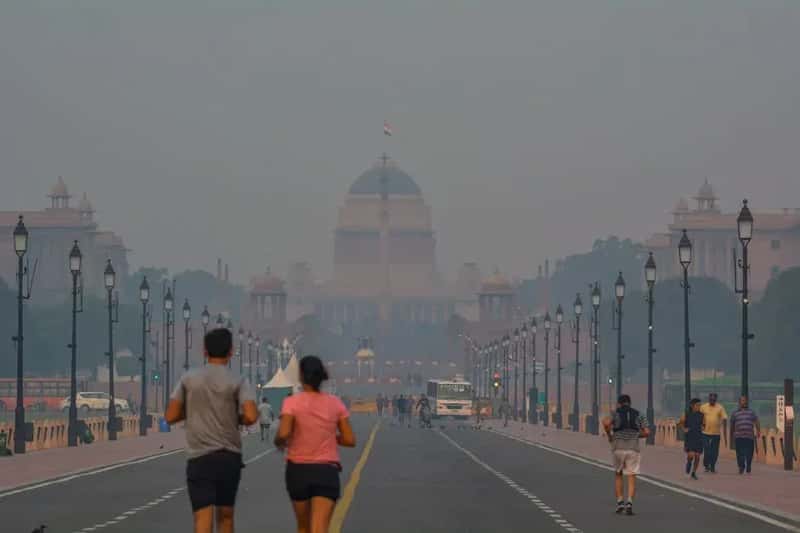
India is a traveler’s dream. Ancient temples, chaotic markets, spice-heavy air, a billion stories happening simultaneously. The environmental picture, though, is deeply complicated, and it’s important to be honest about that. India ranks 176th out of 180 countries in the 2024 EPI with a score of 27.6 points. It performs poorly in air quality, emissions, and biodiversity conservation, largely due to its heavy reliance on coal, which drives significant greenhouse gas emissions and air pollution. Specifically, India ranks 177th in air quality and 172nd in projected emissions by 2025.
In South Asia, India is identified as the largest emitter of transboundary pollution, impacting neighboring Bangladesh and affecting the well-being of residents across the region. India has disputed its low ranking, with the Ministry of Environment, Forests and Climate Change claiming that several indicators used in the calculation were based on unfounded assumptions and unscientific methods.
It’s hard to say for sure where India’s environmental story goes from here. Despite its low overall ranking, India performs better in the climate change category, attributed to growing investments in renewable energy and a stated commitment to achieving net zero. The country holds staggering biodiversity, natural landscapes of rare beauty, and a tourism sector that, if managed well, could reward both visitor and ecosystem alike.
#10 Laos: A Sharp Decline in Environmental Performance

Laos is a stunning destination. Sleepy river towns, ancient temples draped in mist, forested highlands that feel completely untouched. Yet the environmental data tells a troubling story beneath that idyllic surface. Laos ranked 178th in the 2024 EPI, dropping dramatically from 149th place in 2022. The stark drop is largely attributed to a staggering near 444% increase in carbon dioxide emissions over the last decade.
The drop is heavily tied to dramatic energy policy shifts, as coal-generated electricity in the country increased by over 400% between 2015 and 2021, despite Laos historically relying on hydroelectric power for its energy needs.
The irony here is almost painful. Laos was once held up as a model of hydro-based clean energy in Southeast Asia. Then came the coal expansion, driven largely by energy export agreements. For eco-conscious travelers, Laos still offers extraordinary natural beauty, but the infrastructure underpinning that beauty is increasingly carbon-heavy. Visiting thoughtfully, supporting local guides, and choosing small-scale eco-lodges matters more here than almost anywhere.
#11 Vietnam: Last Place in the 2024 EPI

Vietnam is wildly popular, and it’s easy to understand why. Ha Long Bay, Hội An’s lantern-lit streets, misty rice terraces in Sapa. Millions of travelers adore it. The environmental reality, however, is stark. Vietnam came in last place in the 2024 EPI, ranking 180th out of 180, dropping from 178th in 2022. Vietnam ranked as the lowest of the 180 nations evaluated, with an EPI score of 24.5.
The EPI report notes that Vietnam faces a broad range of environmental challenges, and its increasing reliance on coal power generation has led to rapidly growing emissions of air pollutants and greenhouse gases.
None of this means Vietnam should be avoided entirely. It means traveling there demands more conscious choices: picking accommodations with genuine sustainability certifications, avoiding single-use plastics, and refusing tourism activities that exploit wildlife. In the Americas, and similarly across much of Southeast Asia, countries are not doing enough to ensure that tourism protects key areas of biodiversity, and the number of endangered species continues to grow. Vietnam is a vivid illustration of exactly that tension between an economy hungry for growth and ecosystems that cannot keep pace.
Conclusion: Your Passport Is Also a Vote

Rankings like the Yale EPI are not about shaming destinations. The Environmental Performance Index was developed by Yale University to rank which countries are best addressing environmental challenges, using 40 performance indicators relating to climate change performance, environmental health, and ecosystem vitality, covering 180 countries in what is considered one of the most extensive bodies of research on the topic.
The gap between Estonia’s score and Vietnam’s is not just a number on a spreadsheet. It represents decades of policy choices, infrastructure investment, and political will, or the lack of it. Traveling to a country with a low EPI score isn’t automatically wrong. Traveling there without awareness, though, is a missed opportunity.
Every booking decision adds up. Choosing a certified eco-lodge over a mass-market resort, hiring a local guide, taking the train instead of flying domestically: these micro-decisions are what push destinations up those rankings over time. The most sustainable journey you’ll ever take is the one where you leave a place slightly better than you found it. What kind of traveler do you want to be in 2026?