There is something almost magical about turning on a tap and trusting the water that flows out. For many travelers, it’s a thought that never even crosses the mind. For others, it’s the first thing they research before booking a flight. The quality of tap water around the world is shockingly unequal, and in 2026, the gap between the best and worst is as wide as ever.
While over 2 billion people globally lack access to safe water, others enjoy tap water that’s fresh, safe, and even delicious. Whether you’re a backpacker on a budget or a luxury traveler who simply wants to know if you can brush your teeth without worry, this guide is for you. Let’s dive in.
1. Switzerland – The Gold Standard in a Glass
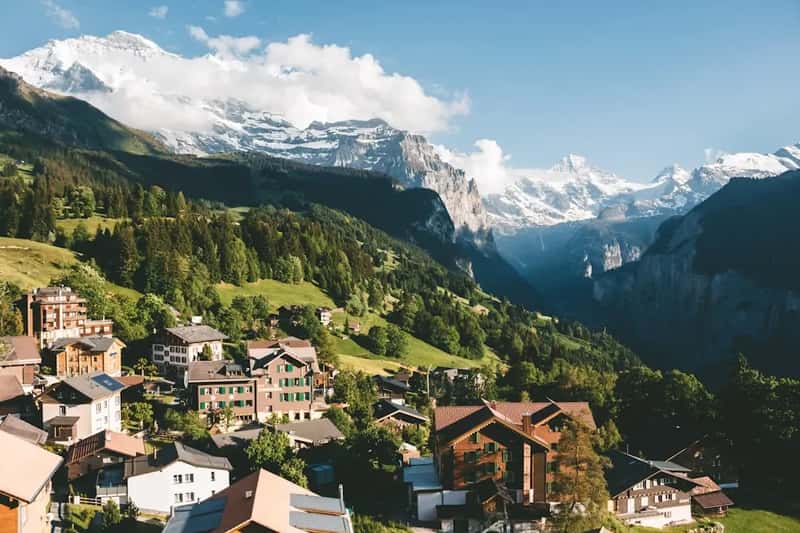
Honestly, Switzerland is the country that makes every other nation look like it’s not even trying. Switzerland consistently ranks at the absolute top when it comes to tap water quality. According to the Environmental Performance Index (EPI) 2024, Switzerland scored a perfect 100 out of 100 in the categories of water quality and sanitation. That is not a typo. A perfect score.
The country’s water comes directly from underground springs and pristine alpine lakes, filtered naturally through layers of rock and sand. Roughly 80% of Swiss tap water requires zero chemical treatment before reaching your glass, as reported by the Swiss Federal Office for the Environment in their 2023 water quality report.
With strict treatment standards and superior natural resources, Switzerland ranks number one for best EPI. In fact, Swiss tap water is as pure as its bottled water, but 500 times cheaper. Think about that the next time you’re tempted to buy a bottle of mineral water in Zurich.
2. Finland – Where Nature Does the Heavy Lifting
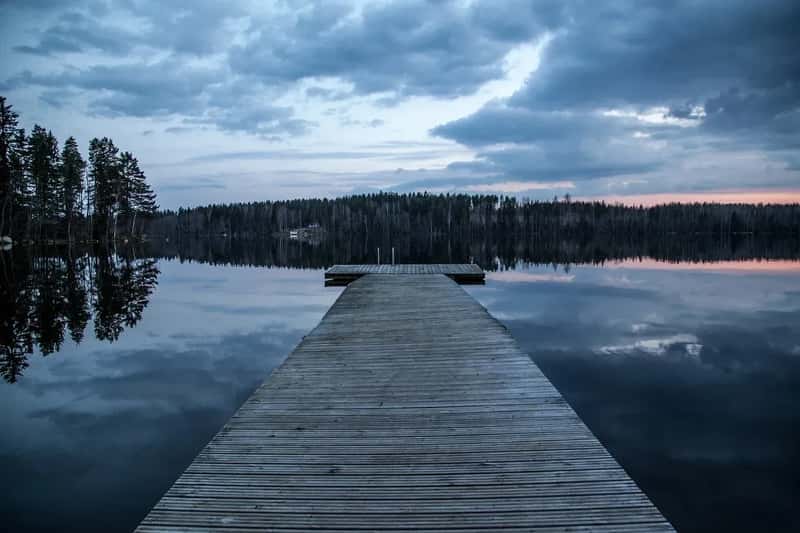
Finland takes fourth place on the 2024 Environmental Performance Index with an EPI score of 73.8, thanks to its long-standing commitment to environmental quality. The country earns a perfect 100.0 in both Sanitation and Drinking Water and Heavy Metals, showing top-tier performance in public health and pollution control. Finland boasts some of the cleanest tap water in the world, sourced from natural lakes and rivers.
Northern European countries dominate the EPI thanks to a combination of pristine water sources and strict regulations governing water sanitation practices. Finland’s water infrastructure is backed by a deeply ingrained national environmental ethic. In a country where forests cover roughly three quarters of the land and clean air is just a fact of life, it makes sense that the water follows suit.
Soft water, common in Nordic countries, also helps reduce limescale and leaves a smoother taste. If you’ve ever noticed how good a glass of water tastes in Helsinki, now you know why.
3. Iceland – Straight From Ancient Glaciers to Your Glass
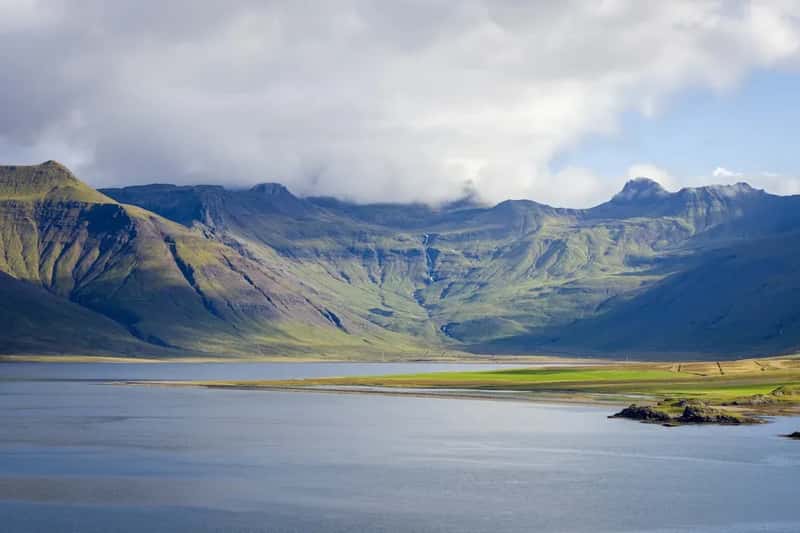
Iceland is one of those places where the tap water feels almost theatrical in its purity. Most of Iceland’s drinking water, about 95%, comes from underground aquifers, natural reservoirs of water stored in permeable rock. These aquifers are constantly refilled by rainfall and glacial melt that filters through layers of volcanic rock.
The Icelandic Food and Veterinary Authority confirmed in their 2024 assessment that 99.2% of all tap water samples exceeded European Union safety standards, with many surpassing them by significant margins. Exceeded, not just met. That distinction matters.
The 2024 research from the Icelandic Glaciological Society found that glacial meltwater in Iceland contains some of the lowest concentrations of dissolved solids and contaminants in the world. Locals will laugh if they see you buying bottled water there. Rightfully so.
4. Estonia – The Quiet Overachiever You Never Expected
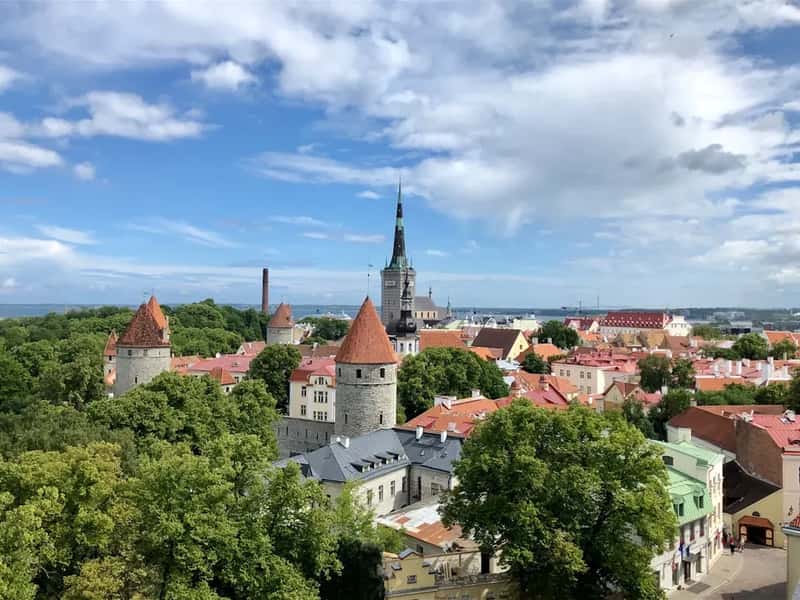
Most people don’t immediately think of Estonia when they think of world-class tap water. They should. Estonia tops the 2024 Environmental Performance Index, excelling in environmental health and ecosystem vitality. The country’s tap water is sourced from pristine ground and surface water, including Lake Ülemiste, which supplies the capital, Tallinn. Estonia’s extensive water treatment processes ensure that the drinking water is of high quality.
Estonia tops the list of nations with the best tap water, with its capital city, Tallinn, taking its supply from Lake Ülemiste. Estonia’s water treatment processes mean that the supply remains among the purest in the world, despite a plane crashing into the lake in 2010 and leaking over a ton of fuel. That last part should genuinely impress you. The system kept working flawlessly.
The nation’s commitment to sustainable practices and strict regulations has led to significant improvements in air quality and waste management. Its protected areas and biodiversity conservation efforts have further helped to enhance the purity of its water sources. Estonia is proof that you don’t need to be a large, wealthy country to get this right.
5. Norway – 98% Pure Mountain Goodness
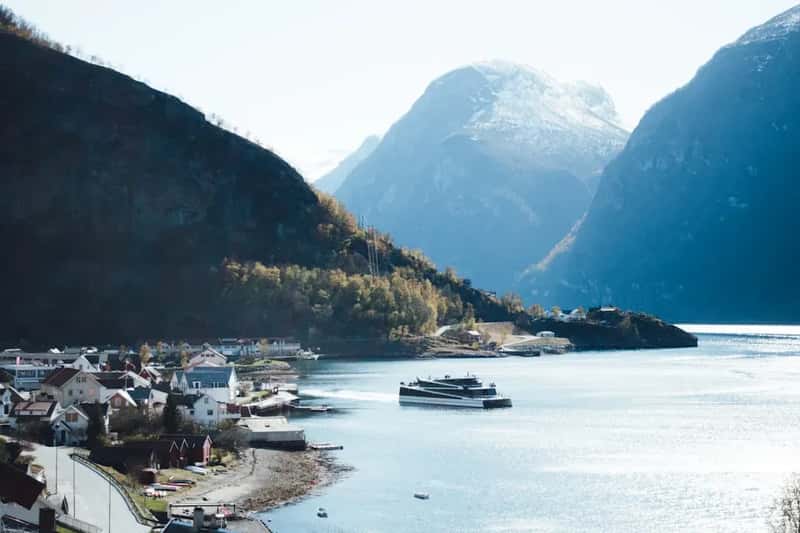
Norway’s tap water quality is legendary throughout Europe, primarily because roughly 98% comes from protected surface water sources like mountain lakes and rivers. Let that number sink in for a second. Nearly all of it, protected. It’s the kind of infrastructure commitment that most countries can only dream of.
The Norwegian Institute of Public Health released findings in 2023 showing that Norwegian tap water contains virtually no contaminants, with bacteria levels consistently at zero in 99.7% of tested samples. That’s not marketing material. That’s verified science.
With regular quality checks and special programs that safeguard its water systems, Norway’s citizens consume some of the world’s purest drinking water. Drinking from a mountain stream in Norway and drinking from your hotel tap are honestly not that different an experience.
6. Singapore – The Engineering Marvel of Clean Water
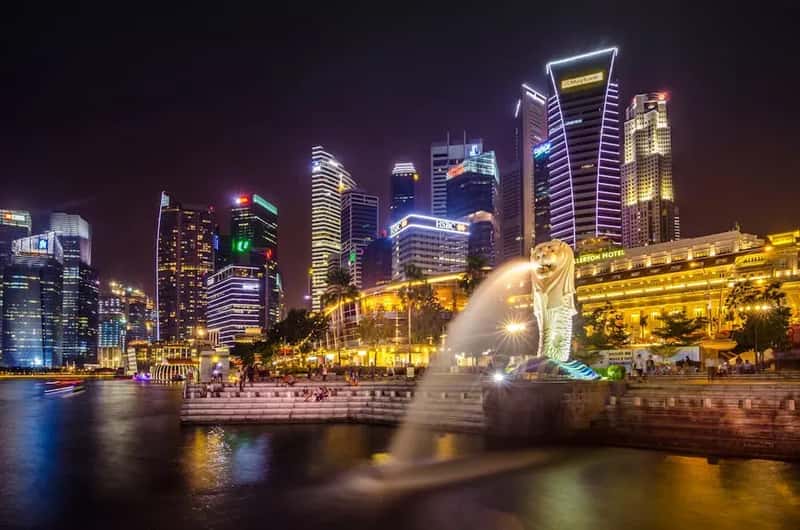
Here’s the thing about Singapore. It has almost no natural freshwater resources of its own, a tiny island city-state completely surrounded by sea. Yet it has somehow built one of the most remarkable water systems on Earth. Singapore’s tap water supply comes from a diversified and resilient strategy known as the “Four National Taps”: local catchment water, imported water, NEWater (reclaimed water), and desalinated water. This multi-source approach ensures a secure and sustainable water supply for the island nation.
Singapore’s tap water quality is well within the Food Safety and Security (Non-Packaged Drinking Water) Regulations 2025 and World Health Organisation (WHO) Guidelines for Drinking-water Quality. The tap water is suitable for drinking directly from the tap without any further filtration.
To ensure that the water supply is clean and safe, PUB has established a comprehensive and robust sampling and monitoring programme to ensure water quality from source to tap. Water samples are collected from reservoirs, waterworks and desalination plants and distribution systems and tested at PUB’s Water Quality Laboratory. Over 500,000 tests are conducted annually on physical, organic, inorganic, radiological and microbiological parameters. Half a million tests, every year. The dedication is genuinely staggering.
7. Hungary – Safe on Paper, Complicated in Practice
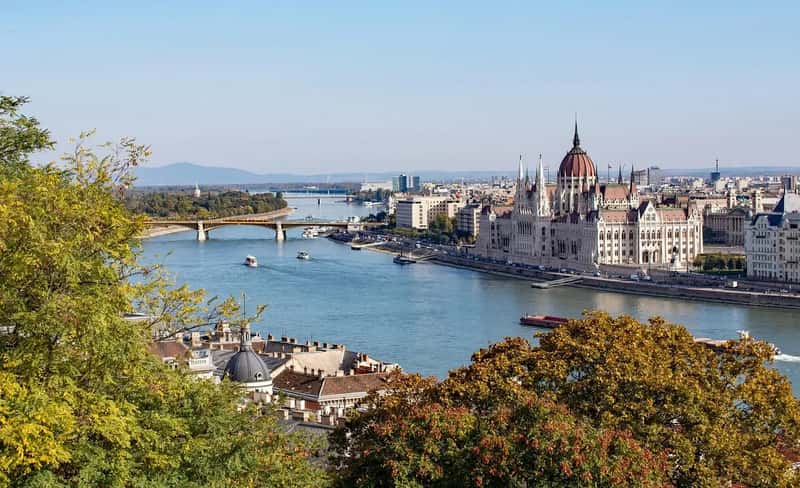
Hungary is a fascinating and slightly uncomfortable entry on this list, because it illustrates that being an EU member doesn’t automatically guarantee tap water perfection. I think it’s one of the most telling examples of how politics and infrastructure can undermine what should otherwise be a simple system.
The central European country of Hungary also gets a thumbs-down from the CDC, despite being an EU member. The European Commission has taken formal steps to push Hungary to comply with EU safety directives since tap water in 13 supply zones is contaminated with arsenic and/or boron. That’s a remarkable situation. An EU country, held to some of the world’s strictest regulations, still failing compliance in more than a dozen zones.
Common chemical contaminants include lead, mercury, pesticides, pharmaceuticals and microplastics. These are the kinds of contaminants that don’t necessarily change the color or smell of water, making them especially tricky. For travelers in Hungary, sticking to bottled water outside of Budapest’s central districts is the sensible call until full compliance is achieved.
8. Pakistan – A Crisis That Keeps Deepening
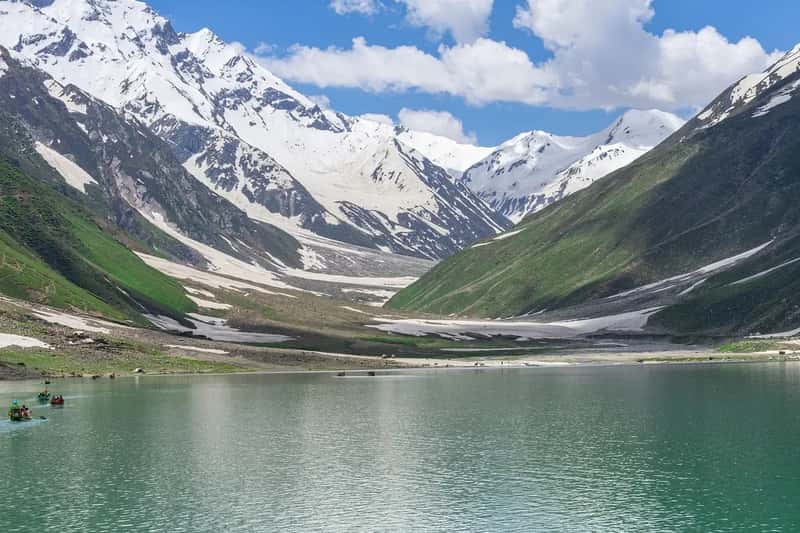
Pakistan’s water situation is, at this point, one of the most alarming in the world. It’s not just about taste or quality. It’s a genuine public health emergency. Pakistan faces one of the world’s most severe water safety crises, with an estimated 20 million people lacking access to clean drinking water, according to UNICEF’s 2024 Pakistan report. The Pakistan Council of Research in Water Resources found that roughly 60% of the country’s groundwater is contaminated with bacteria, heavy metals, or industrial pollutants.
Major cities like Karachi and Lahore struggle with aging infrastructure that allows sewage to mix with drinking water supplies, creating serious health risks. The situation has deteriorated significantly since 2022, with the World Bank warning that Pakistan is approaching “absolute water scarcity” by 2025, meaning demand far exceeds the safe, clean supply available to its population.
A recent report placed Pakistan near the bottom of regional water security rankings, underscoring that the country’s water crisis stems less from absolute scarcity and more from persistent governance failure. Assessing 50 economies, the document showed that Pakistan’s National Water Security Index improved by only 6.4 points between 2013 and 2025, below the regional average and far behind neighbors such as India, Bangladesh, Nepal, and Sri Lanka. As a traveler, you should never drink tap water in Pakistan under any circumstances.
9. Afghanistan – The Most Urgent Water Crisis in the World Right Now
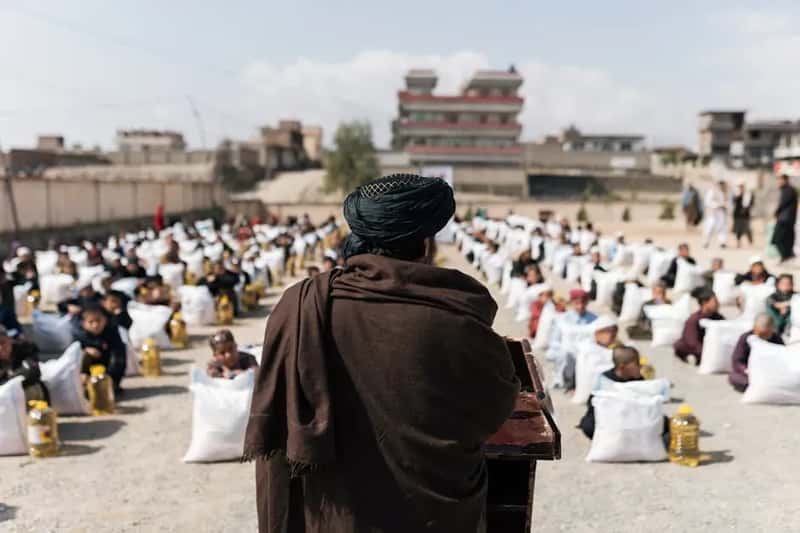
If any country represents the absolute worst end of the tap water spectrum in 2026, it is Afghanistan. The situation there is not just poor. It is catastrophic, and it keeps getting worse. Water contamination is a major challenge that has plagued Afghanistan, where nearly 80 percent of people have no access to safe drinking water, according to the United Nations. Most of Kabul’s groundwater is contaminated with sewage, toxins, and high levels of arsenic, experts say.
Kabul could become the world’s first capital to run out of water completely, experts say, blaming the crisis on rapid population growth, climate change, and mismanagement. The Afghan capital’s groundwater levels have plummeted by up to 30 meters in the past decade, while almost half of the city’s boreholes have dried out, according to a recent study by the Mercy Corps NGO.
Deprived of clean water in their homes, hospitals and schools, children in Afghanistan are now more vulnerable to the consequences of climate change than children in most every other country. Surging rates of malnutrition and unparalleled outbreaks of water-borne disease are keeping them from school and other essential services, at the time they need these services most. This is a country where the tap water crisis is inseparable from every other dimension of the humanitarian situation.
The Bigger Picture: What This Means for Travelers in 2026
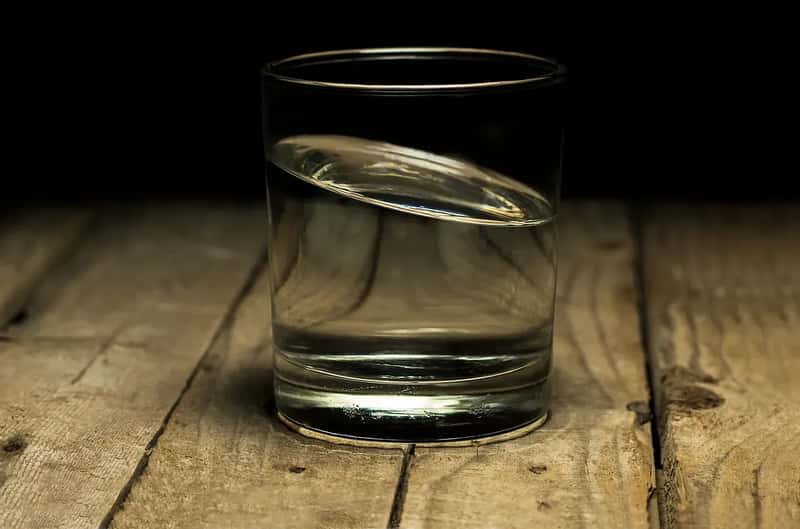
Looking at this spectrum from Switzerland to Afghanistan, the sheer disparity is hard to wrap your head around. The WHO’s 2024 Global Water Quality Report revealed that roughly 2 billion people worldwide still consume water contaminated with feces, contributing to more than 485,000 diarrheal deaths each year. High-income countries with robust infrastructure see waterborne disease rates near zero, while low-income nations report rates up to 1,000 times higher.
Unfortunately, national wealth can be a deciding factor in whether a person can pour a safe glass of water to drink. According to the Environmental Performance Index, good environmental health policy results are associated with wealth, meaning that economic prosperity matters. It’s a sobering reality that tap water is essentially a privilege distributed along economic lines.
As a traveler, the single most important habit you can develop is to research your destination’s water quality before you leave. It’s not just about avoiding an upset stomach on your holiday. In some places on this list, it’s about avoiding serious, life-altering illness. Drinking tap water in unsafe destinations can lead to gastrointestinal infections caused by bacteria like E. coli and Salmonella, parasitic infections such as Giardia that lead to long-term digestive problems, and chemical contaminants like heavy metals and other pollutants that can result in chronic health issues affecting the liver, kidneys, and nervous system.
The world has the knowledge and the technology to give every person on Earth safe drinking water. The fact that it hasn’t happened yet is one of the defining failures of our time. Next time you fill a glass from the tap without a second thought, consider just how remarkable and rare that simple luxury really is. What would it take, in your view, for every country to reach the standard of Switzerland or Finland? Tell us your thoughts in the comments below.