Some corners of this planet are sealed off so completely that even knowing they exist feels like a small act of rebellion. Military complexes buried under mountains. Islands that will kill you before you reach the shore. Ancient caves that can never be touched again. Sacred temples where even a glance inside is forbidden. The world is full of places that whisper “come closer” – but coming closer might cost you everything.
Whether the barrier is a government decree, a lethal swarm of venomous snakes, radioactive soil, or a tribe that has survived in total isolation for fifty thousand years, these places share one thing: you simply cannot go there. Some of them you wouldn’t want to. Others? Honestly, it’s hard not to be tempted. Let’s dive in.
1. Ilha da Queimada Grande (Snake Island), Brazil
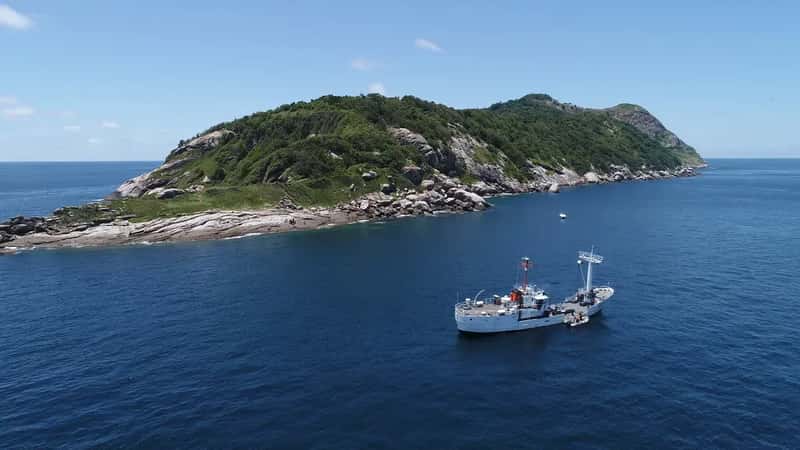
Let’s be real – this one sounds like something out of a nightmare. With a nickname like “Snake Island,” you can probably hazard a guess why no one is allowed to, or should want to, step foot on Brazil’s Ilha da Queimada Grande, which sits just off the South American country’s southeast coastline. The island’s main residents are golden lancehead pit vipers, one of the deadliest snakes on Earth. It’s said that their venom can melt human flesh and even kill you within an hour.
The Brazilian government has declared the island off-limits to protect both the fragile ecosystem and the safety of potential visitors. With estimates of one snake per square meter, this dangerous environment has led to its classification as one of the deadliest places on Earth. Only qualified researchers authorized by ICMBio (Chico Mendes Institute of Biodiversity Conservation), who know how to deal with snakes, can enter – and only under the condition that they have a doctor in their team.
2. North Sentinel Island, India
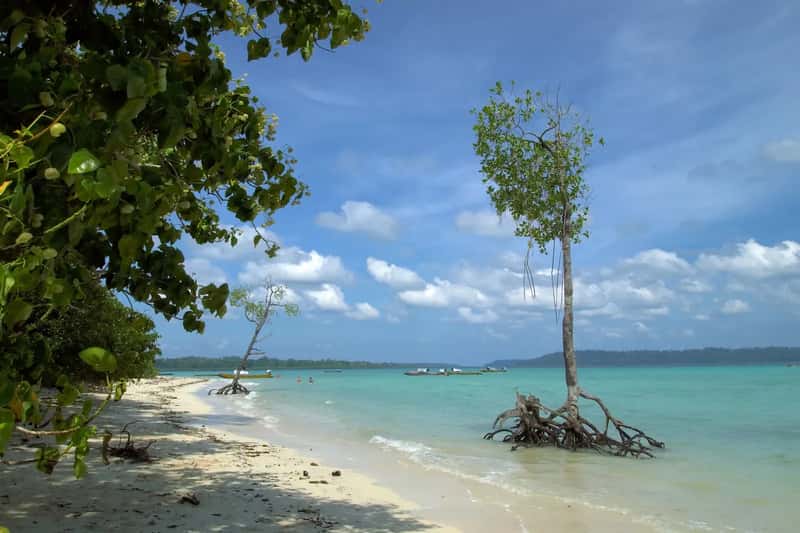
Here is a place that does not want you. At all. Located in the Andaman Islands, North Sentinel Island is home to the indigenous Sentinelese people, who have lived in isolation for thousands of years. Access is strictly forbidden to protect both the tribe from outside diseases and visitors from potential hostility. The Sentinelese have a history of resisting contact with outsiders, often responding aggressively to boats that approach their shores.
The Sentinelese tribe have lived on the island for over 50,000 years under the protection of the Indian Government. In 2018, American missionary John Allen Chau was killed after attempting to make contact with the tribe. No visitors are permitted by the Indian government, which claims de jure sovereignty over the island, to ensure the islanders’ privacy and to keep them from the risk of getting infected with a disease they may not have developed immunity to.
3. Area 51, Nevada, USA
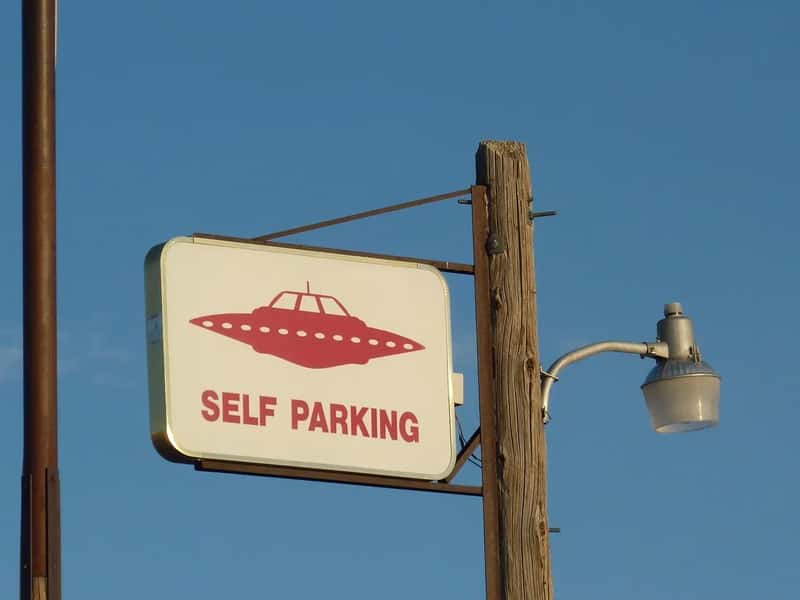
Area 51 is a highly classified United States Air Force facility located in the Nevada desert. The base’s existence was only acknowledged by the US government in 2013, and its purpose remains shrouded in secrecy. Think about that for a moment – the government denied its own base existed for decades. The facility, also known as Groom Lake, is located approximately 83 miles northwest of Las Vegas. It was established in the 1950s as a testing site for the U-2 spy plane and other classified aircraft.
The site has been at the center of countless conspiracy theories, with many believing it is a location for extraterrestrial technology and research. Despite the base’s highly restricted access, there have been numerous attempts by conspiracy theorists to breach its security. In September 2019, more than two million people RSVP’d to a “Storm Area 51” Facebook event – though only a few dozen actually showed up at the gate and were turned away. The truth, as they say, is still out there.
4. The Chernobyl Exclusion Zone, Ukraine
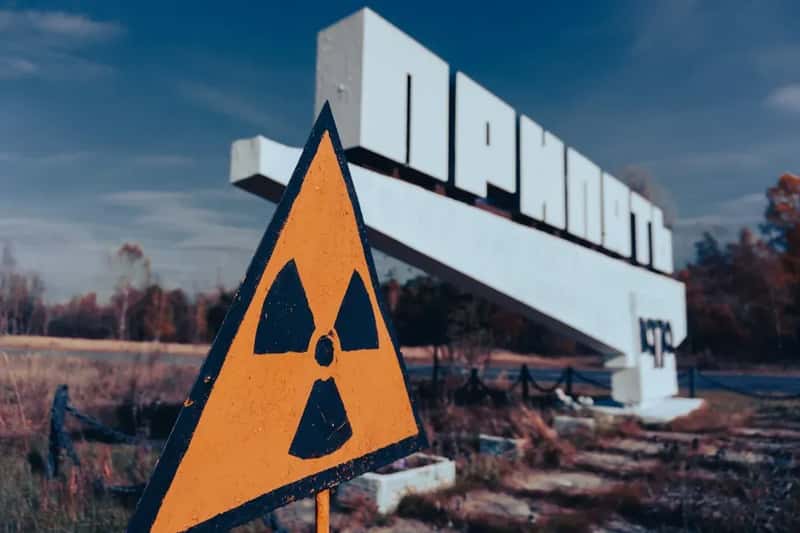
Even before the Russian invasion of Ukraine, Chernobyl was a place you needed serious permits to enter. Following the 1986 disaster, the Soviet Union placed a circle-shaped exclusion zone with an 18-mile radius around the plant. The total area of the zone was about 1,017 square miles, which was later expanded to 1,600 square miles to include additional areas that were found to be heavily radiated. Now it’s entirely off-limits for a new reason altogether.
As of March 2023, Chernobyl’s Exclusion Zone is closed to visitors due to the ongoing war between Ukraine and Russia. Gamma radiation can be detected in the area some 1,000 times above the background level, and birth defects and deformities have been detected in local wildlife. Astonishingly, in May 2025, it was reported that around 100 hectares of land in the Chernobyl exclusion zone had contamination drop to a level safe enough to allow farming to commence in those areas – a tiny sliver of progress in a still deeply dangerous landscape.
5. The Vatican Apostolic Archive, Vatican City
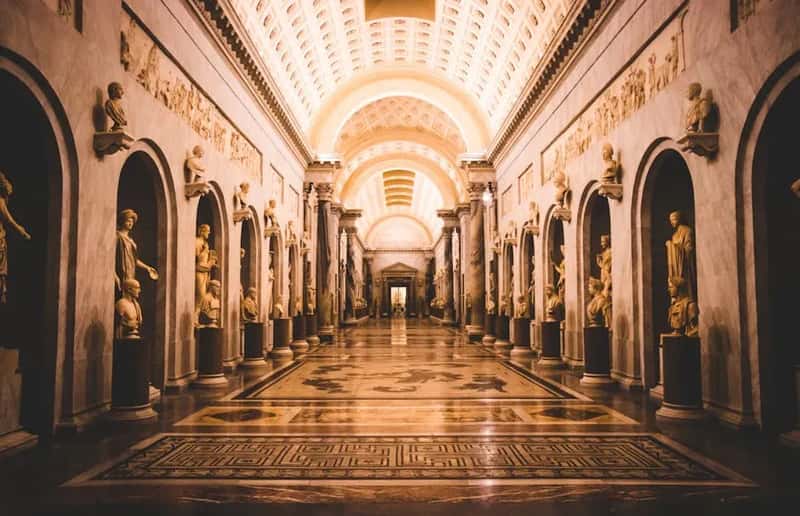
Millions of tourists visit the Vatican each year, but there is one section of that tiny sovereign state that remains absolutely closed to the public. Established in 1612, the Vatican Apostolic Archive (formerly the Vatican’s Secret Archives) contains the personal documents of all the popes. Housed in a heavily protected area of the Vatican are 53 miles of shelves containing 35,000 volumes of catalogues and documents relating to the Catholic Church, dating as far back as the eighth century.
Some artifacts include a letter from Mary Queen of Scots begging Pope Sixtus V to save her from beheading and documents of Martin Luther’s excommunication. The archive is closed to the public, but it opened to researchers in 1881. These days, only highly qualified scholars may apply for entry. Even then, you don’t get the full run of the place – just carefully supervised access to selected documents.
6. Lascaux Caves, France
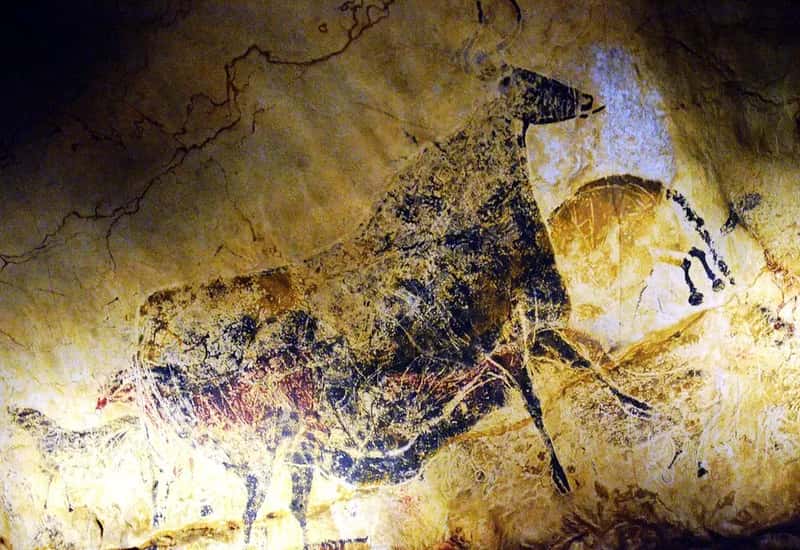
Deep within the Dordogne region of France lie the Lascaux Caves, a UNESCO World Heritage Site renowned for its breathtaking display of prehistoric cave paintings. Discovered in 1940, these remarkable artworks, estimated to be up to 17,000 years old, offer a captivating window into the lives and artistic expression of Paleolithic humankind. Imagine paintings that old, still hanging on a cave wall. Staggering, really.
The cave opened to the public in 1948 and closed permanently after just 15 years. The artificial lights installed there had been promoting algae growth on the cave walls and causing the paintings’ colors to fade. The microbes humans brought in with them apparently weren’t helping either. Fungal outbreaks caused by human breath and light exposure triggered the ban. Today, a near-perfect replica called Lascaux IV exists nearby so visitors can still experience the wonder – just not the real thing.
7. Svalbard Global Seed Vault, Norway
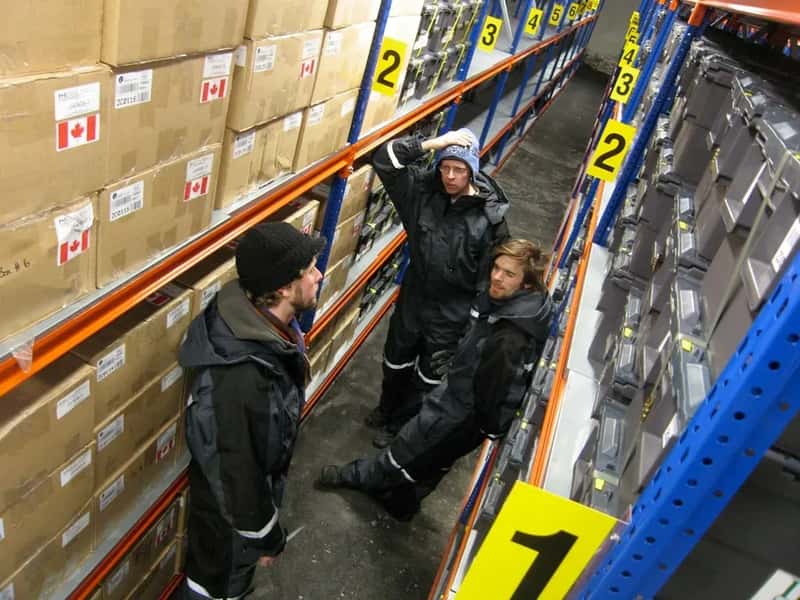
Think of this place as humanity’s emergency backup drive – except instead of files, it stores the future of global food. Situated on a remote island in the Svalbard archipelago, the Svalbard Global Seed Vault is a crucial resource for global food security. This underground bunker stores over 1.2 million seed samples from around the world, designed to protect against global disasters that threaten food supplies. Access is limited to a select group of scientists and researchers.
The facility is built to protect its contents from unwanted visitors along with everything else. It’s deep enough underground and high enough above sea level to withstand earthquakes, ocean rise, and nuclear attacks. In 2015, Syria was the first country to withdraw seeds after seed samples were destroyed during the Syrian civil war. That real-world activation of the vault proved just how critically important this frozen fortress actually is.
8. Mezhgorye, Russia
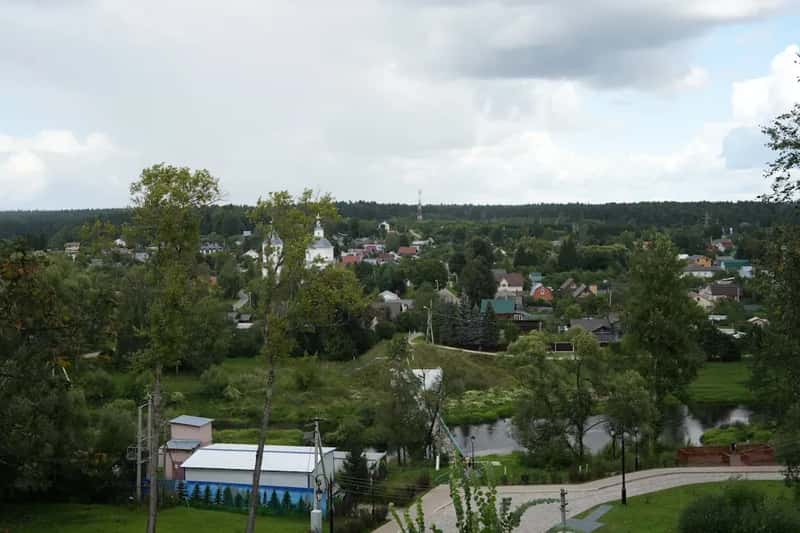
Honestly, even talking about this place feels strange because so little about it is officially confirmed. Located in the Republic of Bashkortostan, Mezhgorye is what’s called a “closed town” – a secret military or research settlement that may or may not officially “exist.” Many of them aren’t marked on maps, and those who live in them aren’t allowed to tell anyone outside where they reside. Imagine living somewhere you can’t tell people about.
Sometimes referred to as “Russia’s Area 51,” Mezhgorye was founded in 1979. It’s not currently known what exactly goes on there, though rumors have circulated that it plays host to a nuclear missile base, several military battalions, and some kind of massive underground complex. Mezhgorye is quite near Mount Yamantau, which the Russian government has stated is merely a mine – but which the U.S. government has long believed houses a complex not unlike the Cheyenne Mountain or the Raven Rock Mountain Complexes. Russia, predictably, says nothing.
9. The Tomb of Qin Shi Huang, China
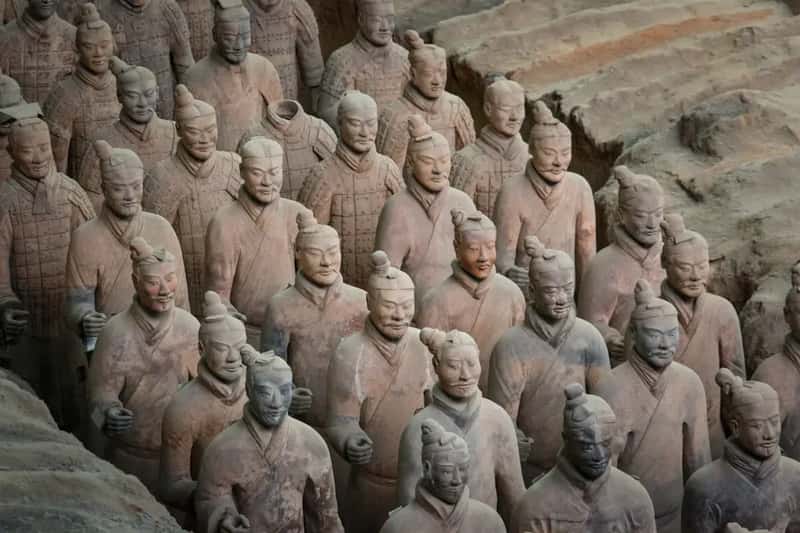
One of the greatest archaeological mysteries on Earth sits sealed underground in China, and experts say it should stay that way – at least for now. As unified China’s first emperor, Qin Shi Huang made a big impact both in life and death. His enormous mausoleum took over 38 years to construct and is home to the world-famous Terracotta Warriors. However, his actual tomb, which contains his coffin and burial artifacts, remains unopened and will remain so for the indefinite future.
Located in Shaanxi province, the Qin Shi Huang Mausoleum houses the Terracotta Army, an extraordinary collection of over 8,000 life-sized soldiers created to accompany China’s first emperor in the afterlife. There are many reasons why this tomb will remain a mystery. Not only are there concerns about preserving the material once it’s excavated, but the tomb’s location 36 yards underground has sparked fears of a landslide if digging occurs. It is a riddle wrapped in clay soldiers, buried under a mountain.
10. North Brother Island, New York, USA
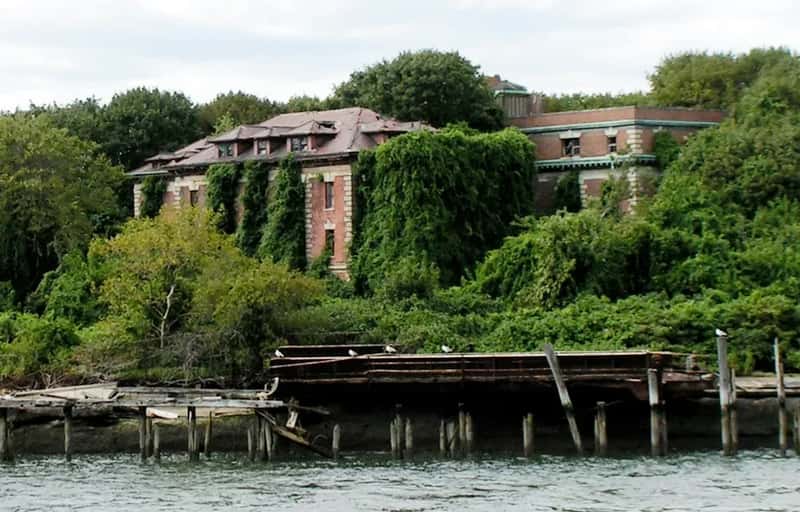
Right in the middle of New York City, there is an island that almost nobody knows about and absolutely nobody is allowed to visit. Once a quarantine hospital for smallpox patients and later a drug rehabilitation center, this island has been abandoned for decades. Access is restricted to protect its wildlife. Nature has absolutely reclaimed it – vines swallow old buildings, trees crack through floors, and seabirds nest in collapsed rooftops.
North Brother Island was once home to the Riverside Hospital. During those days, the hospital served the purpose of being a quarantine location for New Yorkers who had TB, smallpox, and other deadly illnesses. An infamous patient named Mary Mallon, known as “Typhoid Mary,” was believed to infect and kill about 53 people due to typhoid fever. Today the island belongs to the birds – and that’s probably for the best.
11. Surtsey Island, Iceland
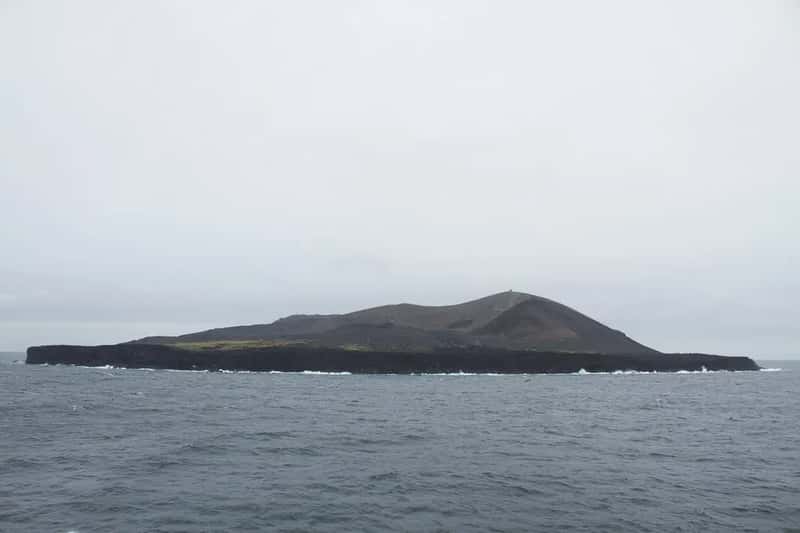
This is genuinely one of the most fascinating places on Earth, and we simply cannot go there. Surtsey is a little island located in an archipelago off the southern coast of Iceland. It was formed as a result of a volcanic eruption that lasted four years. Surtsey also has the reputation of being the newest island on the planet. It literally rose from the ocean between 1963 and 1967 and has been watched by scientists ever since.
Surtsey is a place where scientists study how plants and animals colonize newly formed land, and a limited number of scientists are the only people allowed to set foot on Surtsey. This forbidden island is off-limits for tourists as it is believed that human interference will disrupt the ecological succession taking place on the island. Even the seeds on a visitor’s shoe sole could contaminate years of pristine scientific data. It’s a living science experiment, sealed behind ocean walls.
12. Ise Grand Shrine, Japan
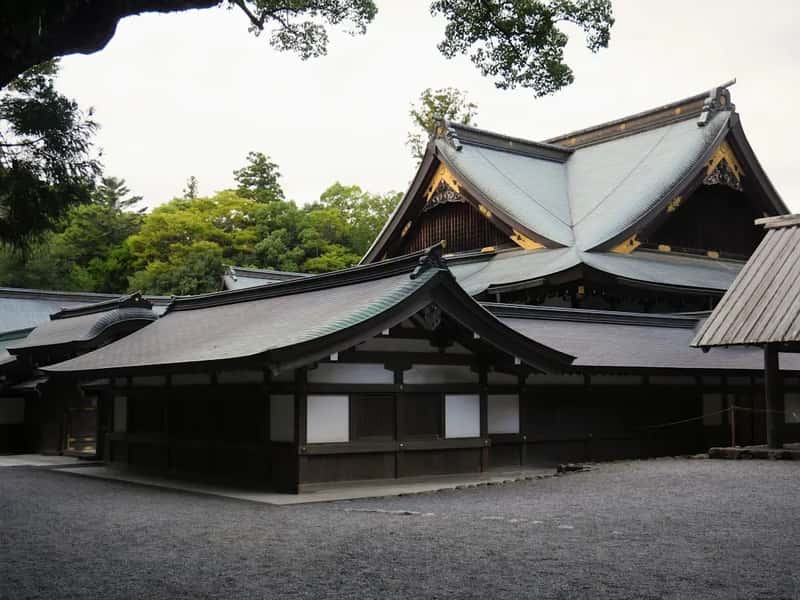
Japan’s most sacred Shinto site welcomes millions of visitors to its outer grounds every year, but the actual inner sanctum? That is a completely different story. The Ise Grand Shrine, located in Mie Prefecture, is the most important Shinto shrine in Japan. It consists of two main shrines: the Naikū, dedicated to the sun goddess Amaterasu, and the Gekū, dedicated to the rice deity Toyouke. Access to the inner sanctum of the shrine is restricted to the Japanese imperial family and Shinto priests.
Visitors can admire the traditional architecture from outside, but the spiritual significance of the shrine remains reserved for those chosen by tradition. What makes it even more extraordinary is that the first iteration of this Shinto shrine was constructed around 2,000 years ago, and since the late 7th century, it’s been torn down and rebuilt every two decades. Every twenty years, an entirely new shrine is constructed on the neighboring plot – continuity through renewal. Ancient, living, and absolutely off-limits.
13. Fort Knox Gold Vault, Kentucky, USA
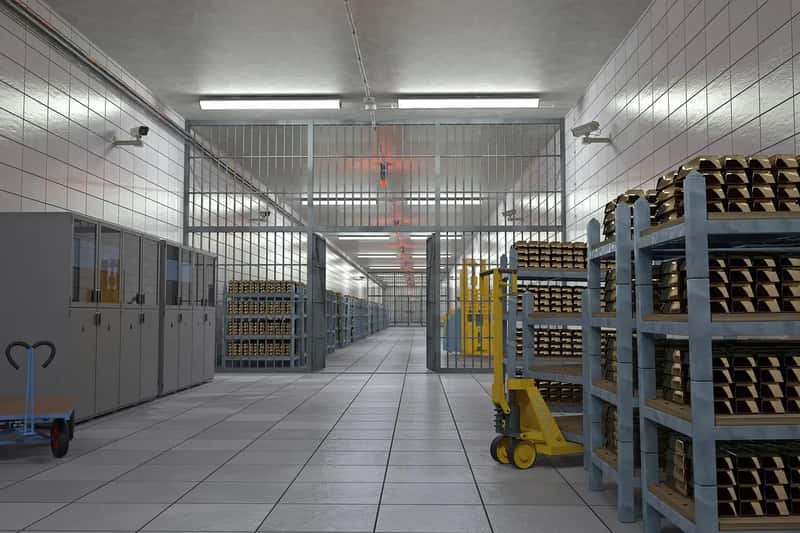
There is something almost mythological about Fort Knox. Everyone has heard of it, almost nobody has been inside it, and that’s very much intentional. Located in Fort Knox, the United States Bullion Depository keeps a large portion of the country’s gold reserves. Though the vault is real and heavily secured, public entry is forbidden. With reinforced steel doors and security layered in secrecy, its interior remains one of America’s most protected mysteries.
In June 1935, the U.S. Treasury announced its intention to quickly build a gold depository on the grounds of Fort Knox, Kentucky. Its purpose was to store gold then kept in the New York City Assay Office and the Philadelphia Mint. This intent was in keeping with a policy to move gold reserves away from coastal cities to areas less vulnerable to foreign military invasion. Over the decades, conspiracy theories have swirled claiming the gold is long gone. Nobody outside the government can prove otherwise.
14. Niihau Island, Hawaii, USA
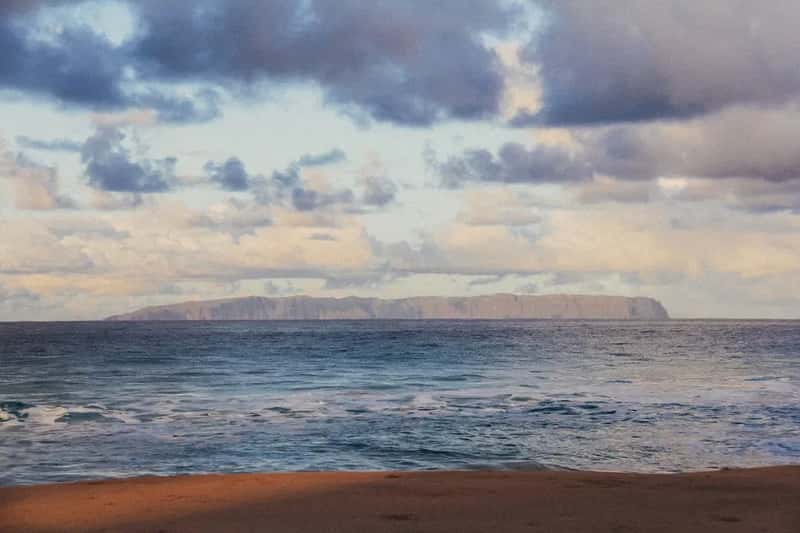
Hawaii is one of the most visited places in the world – but one of its own islands remains almost entirely closed to outsiders. Ni’ihau, a remote location northwest of Kauai, is Hawaii’s forbidden island. Far from the bustling tourist scene, it’s a place where time seems to slow down. Unlike the other Hawaiian islands, Ni’ihau isn’t a state-owned public destination. This captivating island has been privately owned by the Robinson family since 1864.
The Robinson family has meticulously preserved the traditional Hawaiian way of life on Ni’ihau. This dedication to cultural heritage is evident in the limited access granted to the island. Public tourism has been virtually nonexistent since 1952. While helicopter tours offer a glimpse of Ni’ihau, interaction between visitors and the island’s residents is strictly prohibited. Similarly, fishermen and sailors can approach the island by sea, but landing is prohibited. It is a living piece of old Hawaii – quietly, firmly shut to the rest of the world.
15. Poveglia Island, Italy
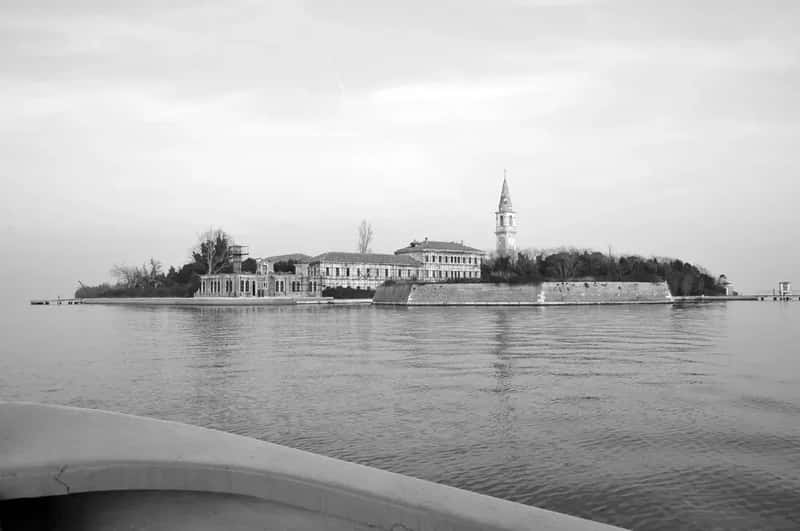
If you enjoy ghost stories and darkly fascinating history, Poveglia Island off the coast of Venice will certainly capture your imagination. Off the coast of Venice, Italy, lies Poveglia Island, a place shrouded in history and legend. Its past is woven with tales of disease, suffering, and rumored hauntings. For centuries, Poveglia served as a desolate quarantine station. Plague victims were brought here to die, and it is estimated that tens of thousands of bodies were buried or burned on the island over the centuries.
The island later housed a psychiatric hospital, which closed in 1968 and has sat abandoned ever since. It is considered one of the most haunted places in Europe, and the Italian government keeps it firmly off-limits to the general public. Unauthorized boats attempting to land have been turned away by authorities. The entire island sits in Venice’s lagoon like a scar nobody wants to look at directly.
16. The DMZ Between North and South Korea
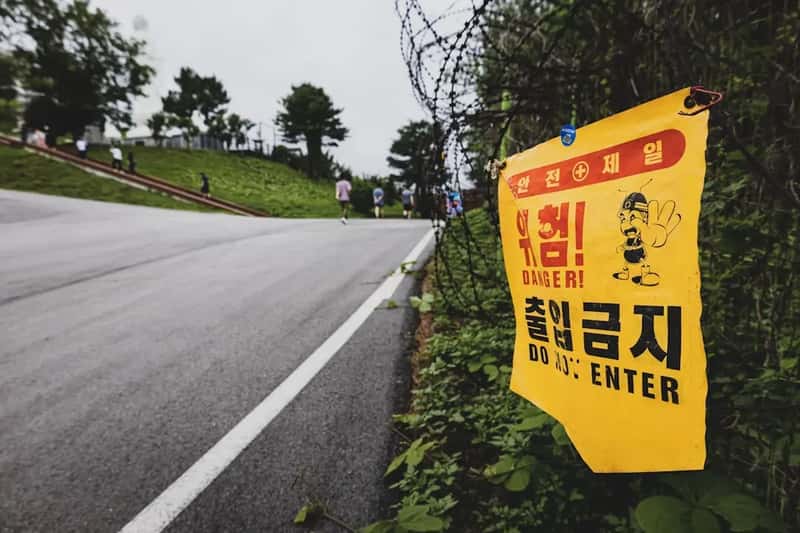
The Korean Demilitarized Zone is one of the most heavily fortified borders on the planet. North Korea (DPRK) operates with tightly controlled entry, guided travel only, and many areas completely off-limits, including military zones. The DMZ itself stretches roughly 250 kilometers across the peninsula and is around four kilometers wide. It is laced with landmines, surveillance systems, and armed patrols on both sides.
Like the Chernobyl Exclusion Zone, the Korean Demilitarized Zone has become a de facto biological reserve. Ironic, isn’t it? Decades of military tension accidentally created one of Asia’s most undisturbed natural habitats, home to species rarely found elsewhere on the continent. Visitors can view the border from designated observation points in South Korea, but entering the actual zone without military authorization is an act of international incident waiting to happen.
17. Room 39, North Korea
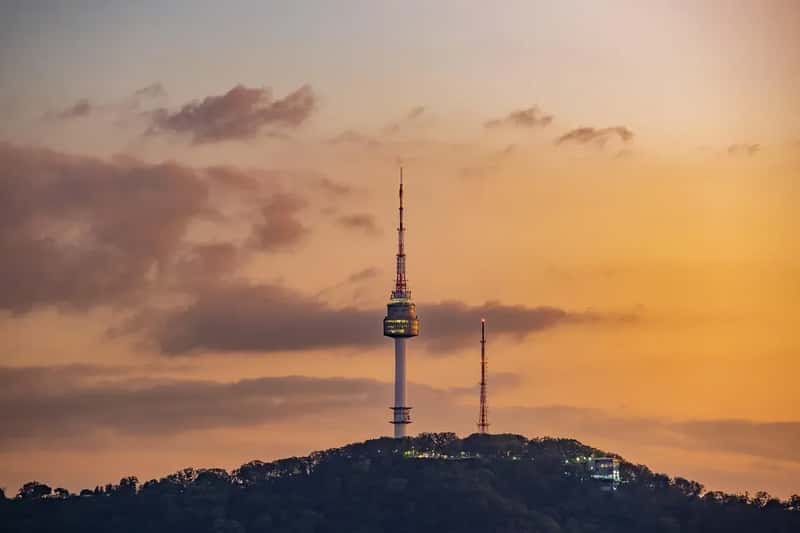
If Area 51 is America’s great government secret, then Room 39 is North Korea’s shadowy equivalent – only arguably far stranger. North Korea’s version of Area 51 is Room 39, but instead of military secrets, it’s said to hide things like black market operations. The name refers to the secret department as a whole, but it’s also believed to be the name of a real office in the Workers’ Party building in the North Korean capital of Pyongyang.
Operating from a high-security building in Pyongyang, Room 39 is tied to North Korea’s clandestine economic operations. It’s suspected of managing foreign currency through legal and illicit means. Access is limited to the regime’s elite inner circle, though western intelligence agencies have monitored it for decades. It’s hard to say for sure exactly what happens inside, given North Korea’s extreme secrecy – but what western intelligence has pieced together is unsettling enough on its own.
18. Pravcicka Brana (Pravčická Brána), Czech Republic
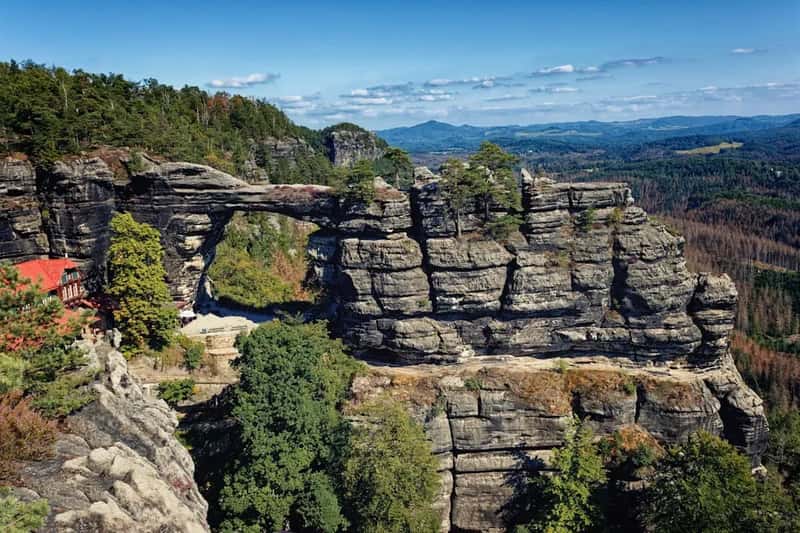
Not every forbidden place is dangerous. Some are simply too precious – too fragile – to survive human footfall. One of the most spectacular landmarks of the Czech Republic, Pravčická Brána is the biggest sandstone arch in Europe. Until 1982, this landmark attracted tourists from far and near. Later, to minimize erosion, people were restricted from visiting the arch directly. You can still see it from a short distance, and it’s breathtaking from afar.
The arch stretches roughly 26 meters wide and rises about 16 meters high, making it the largest natural sandstone arch on the European continent. Each passing visitor contributed to microscopic damage. Multiply that by thousands of feet over decades, and the math becomes terrifying. The decision to close it was unpopular at first but is now widely considered the only responsible choice. Some things are more important than a selfie.
19. Heard Island, Australia
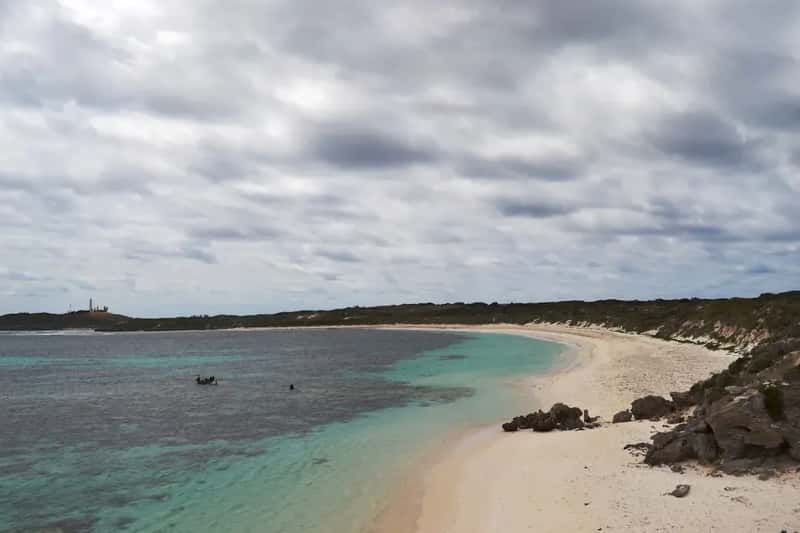
I think most people have never heard of Heard Island, and that’s precisely the point. One of the most unexplored places on Earth, Heard Island lies between Antarctica and Madagascar. Politically, it is part of Australia. There are two active volcanoes on the island, and it is completely barren. A 9,000-foot-tall volcano named Mawson Peak has been active since at least 2000, and wind speeds there average around 20 mph.
To preserve the fragile natural surroundings, the Australian Government restricted entry to the forbidden island. While you could apply for a permit to visit the island, getting there wouldn’t be easy: Heard Island is at least a two-week journey by boat from Australia. It is one of the most remote places on Earth. Even if you somehow got permission, the volcanoes, wild seas, and near-permanent storms would probably convince you to turn back.
20. Nicosia Buffer Zone (Green Line), Cyprus
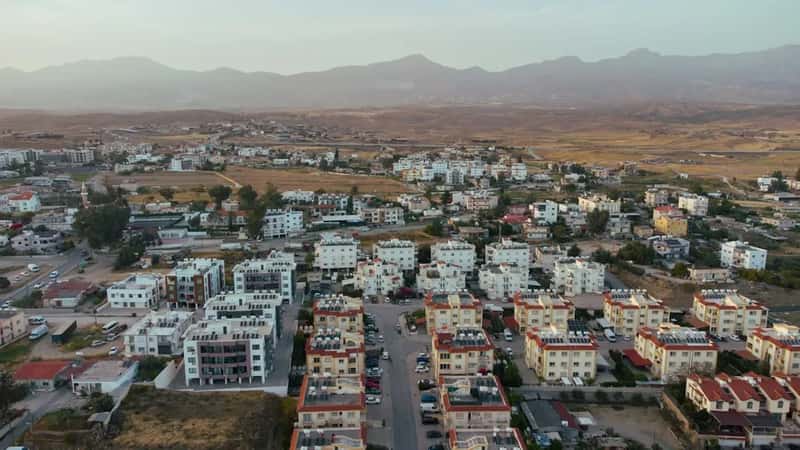
Right in the heart of a European capital city, there is a ghost town that has been frozen in time since 1974. Turkish troops invaded Cyprus in 1974, sparking a civil war between the Greek and Turkish inhabitants. When the fighting ended in a ceasefire, the United Nations took control of a no-man’s land “buffer zone” in the country’s capital, Nicosia. Also called the “Green Line,” the area features heavy restrictions for public entry across 180 kilometers.
Walls separate the Turkish community in the north from the Greek community in the south. Behind the walls are abandoned homes and businesses. Some storefronts still have price tags on items from over fifty years ago, mannequins in outdated clothes, calendars open to months long past. In May 2025, leaders from the two factions met to discuss policy initiatives, including the opening of border gates, but whether that will happen remains to be seen.
21. The Coca-Cola Vault, Atlanta, USA
This one might feel a little less dramatic than radioactive exclusion zones or hostile islands, but make no mistake – it’s guarded with deadly seriousness. What secrets hide inside the forbidden Coca-Cola Vault? As you may have guessed, this is where the company keeps its secret formula. The formula, which has remained a closely guarded secret for over 100 years, is located in Atlanta, Georgia, and is heavily guarded by security.
The recipe for Coca-Cola is considered one of the most valuable trade secrets in corporate history. The original formula was allegedly written by hand by pharmacist John Pemberton in the 1880s. Today it sits in a specially designed vault at the World of Coca-Cola museum, accessible only to a tiny number of company insiders. Visitors can walk up to the vault’s door – but not a single step further.
22. Woomera Prohibited Area, Australia
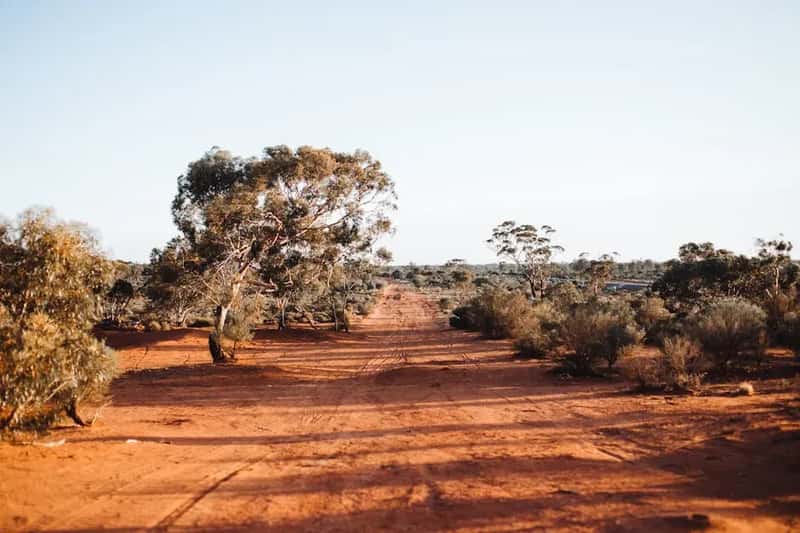
Australia’s Woomera Prohibited Area is one of the largest restricted zones of its kind anywhere in the world. Covering roughly 122,000 square kilometers in the South Australian outback, it has been used since 1947 as a weapons testing and aerospace research facility. The land is largely desert, and getting close without authorization triggers a serious legal response from Australian defence authorities.
Places such as secret military bases, forbidden islands, and fragile natural landmarks are off-limits to regular people. Woomera checks all the military secrecy boxes. Some sections of the zone have been opened for limited pastoral activity over the years, but the core testing areas remain completely inaccessible. Defence scientists and approved contractors are essentially the only people who ever set foot there.
23. Bohemian Grove, California, USA
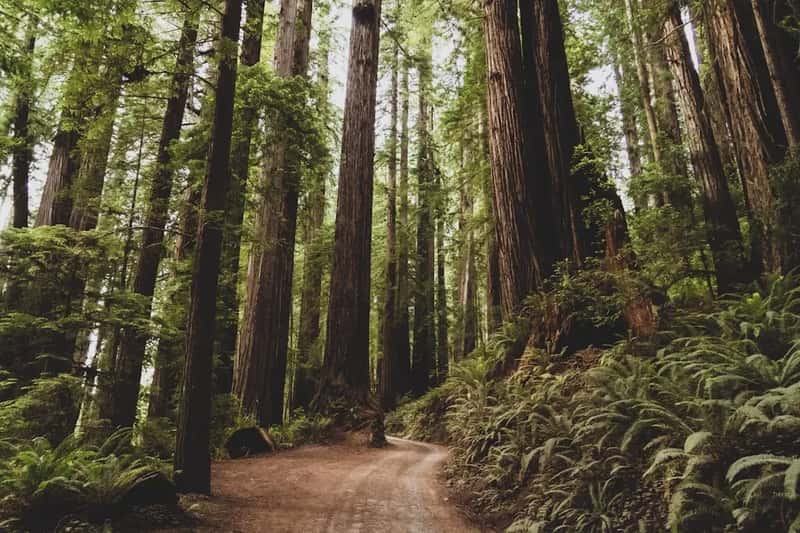
Here is a place that exists in plain sight on the map – a vast redwood forest in Monte Rio, California – yet operates with the secrecy of a classified military facility. In the heart of California’s redwoods, Bohemian Grove plays host to a clandestine gathering of the world’s elite. Every summer, influential men convene here for private discussions and rituals. The secrecy surrounding these meetings fuels speculation and conspiracy theories.
This private, all-male club has hosted many of the world’s most powerful people. Only members and invited guests are allowed inside during the annual summer encampment. Past attendees have reportedly included multiple U.S. presidents, corporate titans, and global policymakers. Journalists have been barred, recordings are forbidden, and the camp’s official motto is “Weaving Spiders Come Not Here” – meaning, no business deals inside. Whether that rule is actually followed is, naturally, impossible to verify.
24. Uluru (Ayers Rock) Summit, Australia
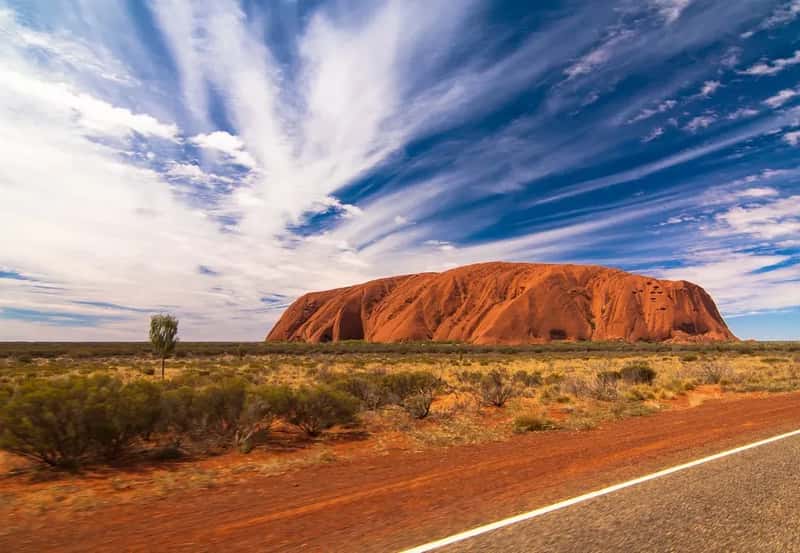
The base of Uluru is open, the viewing areas are spectacular, and tourists are absolutely welcome in the surrounding national park. The summit, however, is another matter entirely. In October 2019, Uluru, the Australian landmark formerly known as Ayers Rock, was closed to climbers. Visitors had been trekking to the outback for decades just to scale the iconic rock formation. Long before it was a tourist attraction, Uluru was a sacred place to Indigenous groups. Following petitions from the Anangu people, the board of the Uluru-Kata Tjuta National Park announced plans in 2017 to ban hikers from the site for good.
There are also rumors of a curse that targets disrespectful tourists. Visitors who have collected rocks from Uluru have reported streaks of bad luck, and enough of the cursed keepsakes have been mailed back to park rangers to earn them the nickname “sorry rocks.” The climbing ban is now permanent and carries legal weight. For the Anangu people, the rock is not a tourist attraction – it is a living cultural and spiritual ancestor. That alone should be reason enough.
The World Still Has Its Secrets
What ties all 24 of these places together is a simple truth: some barriers exist for very good reasons. Whether to protect a tribe that has never wanted contact, to keep a nuclear wasteland from claiming more lives, to preserve art painted by human hands 17,000 years ago, or simply to guard a vault of seeds that might one day feed a starving planet – these restrictions are not arbitrary.
Restrictions are in place to keep travelers safe from grave danger, avoid encroaching on an environmentally sensitive zone, protect the religious and cultural sanctity of local indigenous people, or comply with security restrictions. Sometimes the forbidden sign is the most honest, responsible thing a place can say to you.
The world’s most off-limits places remind us that not everything is ours to claim, visit, or consume. Some things are better left exactly where they are. Which of these 24 places surprised you most – and which one are you most tempted by? Tell us in the comments.