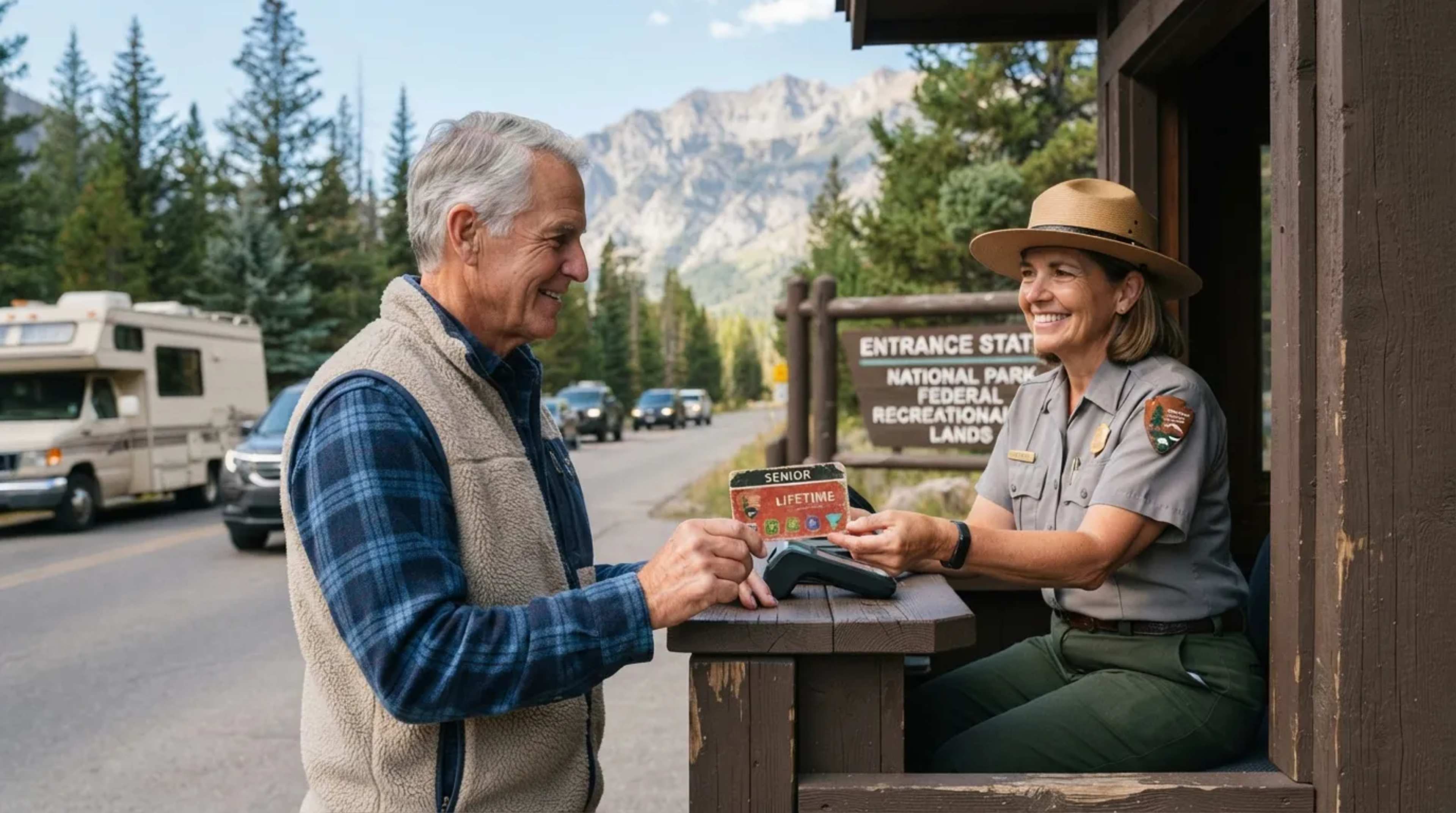
Most people think the Senior Pass is just a cheap ticket through the gate at Yellowstone or the Grand Canyon. That’s the smallest thing it does. One card can work at national parks, wildlife refuges, national forests, and Army Corps lakes. It can also cut camping bills in places most holders never think to look.
But the benefits aren’t spelled out in one place, and a few of them stop exactly where you’d least expect. Some will save real money on your next road trip. Others come with fine print that catches people at the campground office. Here’s the full countdown, ending with the one almost every holder forgets to appreciate.
#25 – The $10 Card That Quietly Became an $80 One
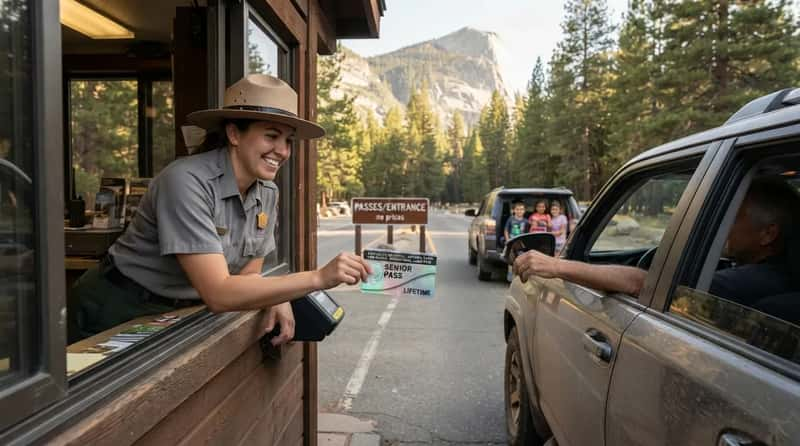
Older travelers remember when the Senior Pass was a famously cheap $10 card. The lifetime price is now $80, and plenty of long-time fans still wince at the jump. But it’s a fraction of what single-visit entry fees add up to over a season.
Do the math and even two or three big-park visits can recoup the cost. Some holders call $80 a bargain. Others say the leap from $10 is the program’s biggest quiet price hike. Either way, the next item trips people up before they even apply.
#24 – The Age Rule Is 62, Not 65
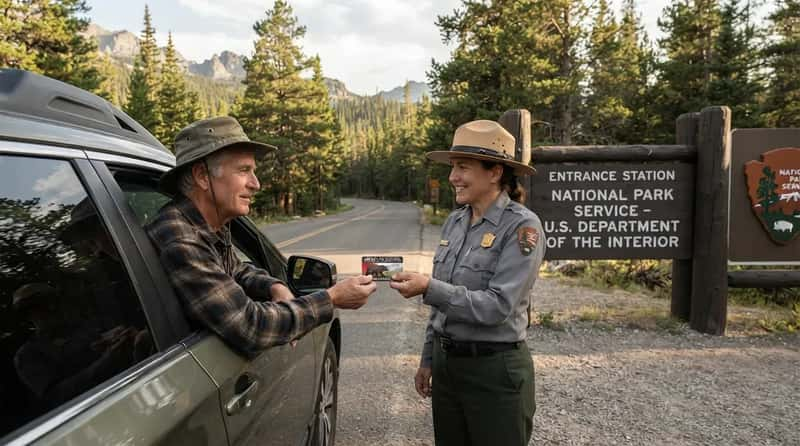
Plenty of people assume senior perks start at 65. The Senior Pass is open to U.S. citizens and permanent residents aged 62 or older. Some travelers wait three extra years simply because they assumed the wrong number.
That gap can mean three seasons of full-price entry fees and full-price campsites. Eligibility depends on citizenship or permanent residency, so bring your documents if you buy in person. Now for the sneaky route to the lifetime card.
#23 – Four $20 Passes Can Add Up to a Lifetime One
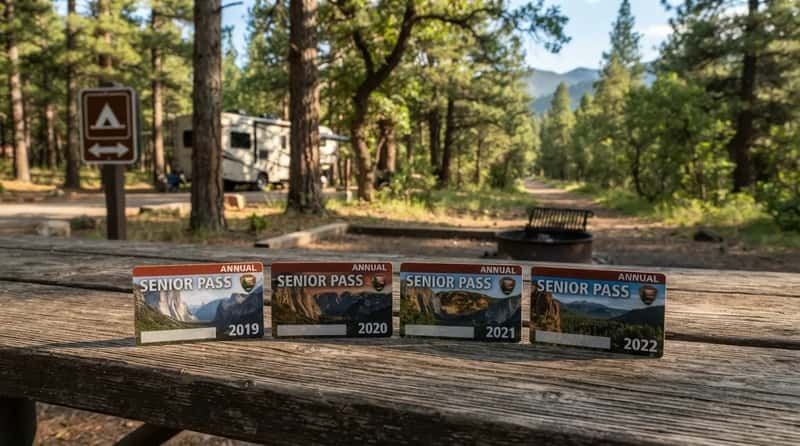
If $80 at once feels steep, there’s a payment-plan workaround. Guides describe buying annual senior passes at $20 each and trading four of them in for a lifetime pass. That spreads the cost over four years.
One guide says the swap is free. Another says you pay an additional $20 at a participating site. The details seem to vary by source, so check with the site before you hand over your cards.
#22 – Your Pass Can Now Live on Your Phone
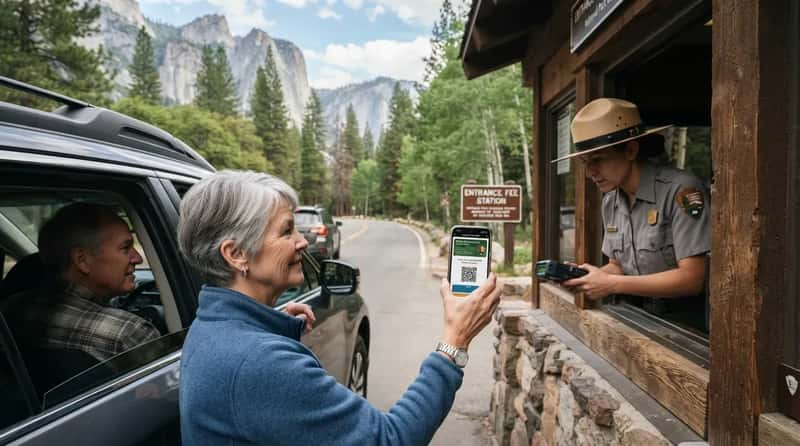
Pass holders used to wait for a card to arrive by mail. Now you can get a digital America the Beautiful Pass through Recreation.gov. The NPS says it can be saved to a mobile device and used right away.
This matters most when you decide on a trip at the last minute. Holders on one camping forum describe the phone version as a handy backup, not a full replacement, because some locations still want to see a physical pass.
#21 – The $10 Fee You Skip by Showing Up in Person
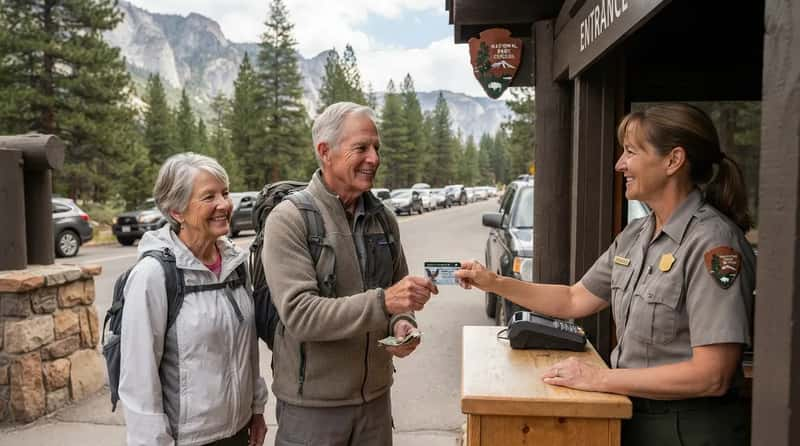
Buying online adds a cost. Passes ordered online or by mail carry a $10 processing fee, which disappears if you pick one up in person. That means paying exactly $80 instead of about $90.
The NPS says physical passes can be bought or picked up at over 1,000 federal recreation sites. Online orders also come with a wait of up to three weeks, so a mailed card is a poor choice for a trip next week.
Quick Compare
- In person: $80 flat, and the card is in your hand that day.
- Online or by mail: About $90 with the $10 processing fee, plus a wait of up to three weeks.
- Digital pass: Saved to your phone through Recreation.gov and usable right away.
#20 – That Faded Golden Age Passport in the Drawer Still Works
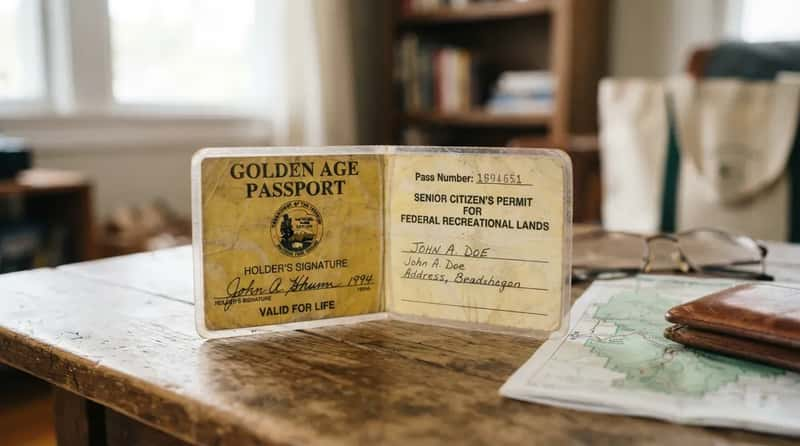
Some people still have an old card tucked away from before the current program began. The Senior Pass replaced the Golden Age Passport, and the old passport is still valid for people who hold one. It’s easy to forget you already own the benefit.
If you find one, check the name and signature on the card. Older holders sometimes assume a vintage pass has expired, but the program says otherwise.
#19 – One Pass, the Whole Carload
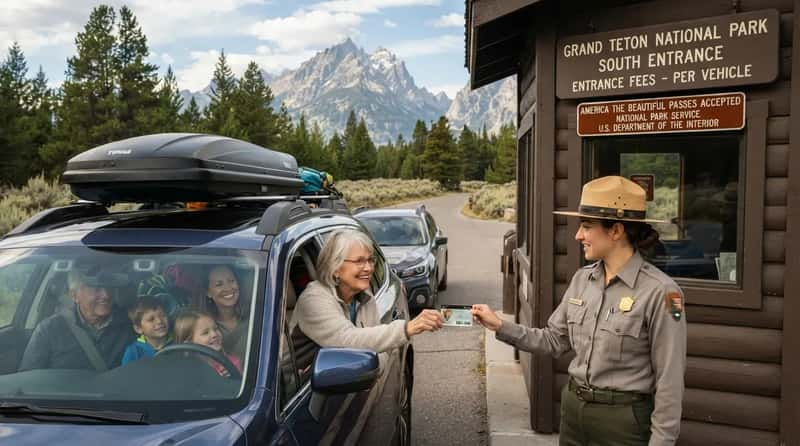
At parks that charge by the vehicle, the pass covers far more than just you. Everyone in your non-commercial vehicle gets in on a single pass, including a spouse, adult children, and grandchildren. That’s a lot of value packed into one small card.
Picture a family of five paying separately versus one card on the dashboard. The catch is that the pass is non-transferable, so only the holder can use it. Per-person sites work differently, as the next entry shows.
#18 – The “Plus Three Adults” Rule at Walk-In Sites
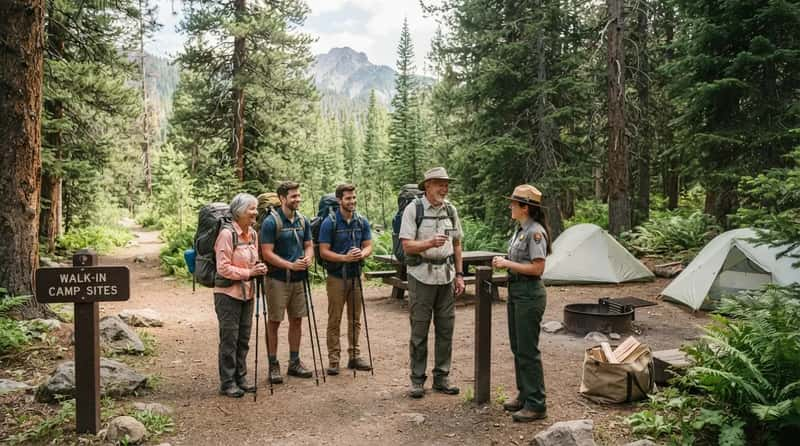
Some sites charge by the person instead of by the car. At those sites, the pass covers the holder plus three adults. The NPS puts the cap at four adults in total.
That’s a big deal for hiking groups and extended-family trips. Many holders don’t realize a fifth adult in the group pays their own way.
#17 – Grandkids Under 16 Get In Free, Pass or No Pass
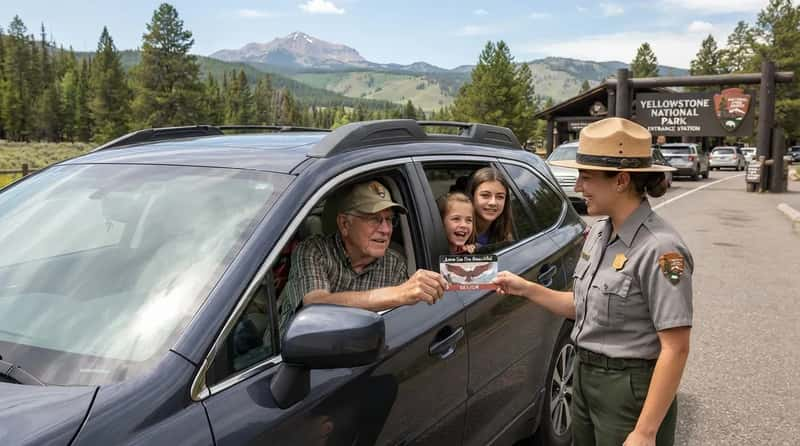
Grandkids are the most common reason seniors ask about the pass in the first place. Children under 16 are admitted free to these federal sites. That holds whether or not anyone in the car has a pass.
The pass still earns its keep on those trips, because it covers the adults and the vehicle. At per-person sites, though, a 16-year-old counts as an adult, so the teen in the back seat can change your math.
#16 – Two Motorcycles Under One Card
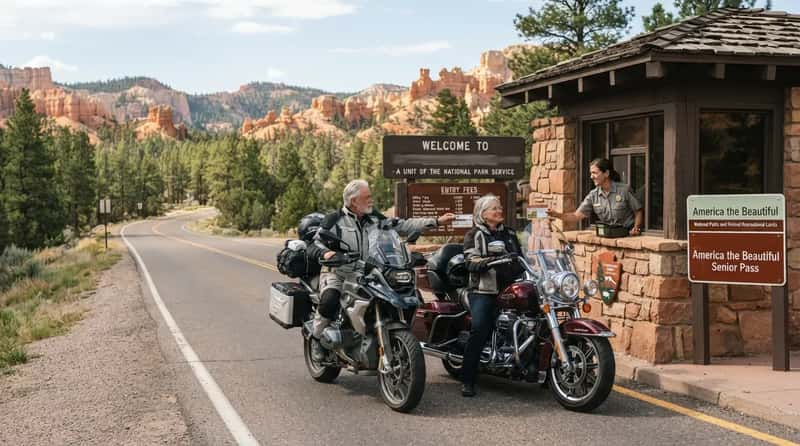
Riders over 62 got an upgrade this year. All America the Beautiful passes now cover two motorcycles per pass. One 2026 guide says that restores a policy that had been cut to one bike in 2024.
For couples who tour on separate bikes, that can mean real savings at every gate. Not every holder rides, but it shows the program keeps changing.
#15 – Six Federal Agencies Honor the Same Card
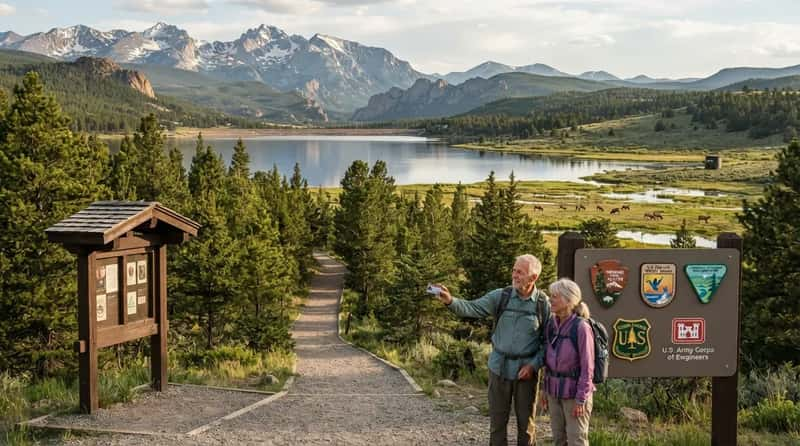
Most holders say “national parks” and stop there. The pass works across six federal agencies, including the National Park Service, the U.S. Fish and Wildlife Service, the Bureau of Land Management, and the Bureau of Reclamation. The Forest Service and the Army Corps of Engineers round out the list.
That’s why one card can cover a Rocky Mountain trailhead, a wildlife refuge, and a reservoir in the same week. Guides put the total at over 2,000 federal recreation sites. Most people never realize how big that map really is.
Fast Facts
- National Park Service: the famous gates, from Yellowstone to the Grand Canyon.
- Fish and Wildlife Service: wildlife refuges that many holders never visit.
- Bureau of Land Management and Bureau of Reclamation: remote public lands and reservoir recreation areas.
- Forest Service and Army Corps of Engineers: national forest campgrounds and Corps lakes.
#14 – The Remote Land Agencies Almost No One Tries
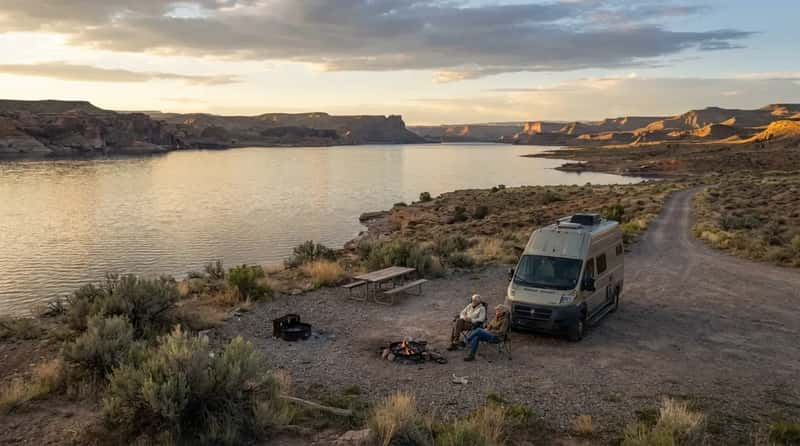
Ask a holder where the pass works, and you’ll hear “national parks” every time. The pass also covers recreation sites managed by the Bureau of Land Management and the Bureau of Reclamation. The Bureau of Reclamation runs recreation areas around reservoirs.
Some of the farthest-out campsites in the country sit on those lands. A holder who only plans around famous parks never sees them. Many who do try them say these places feel quieter and less picked over.
#13 – Half-Price Campsites in National Forests
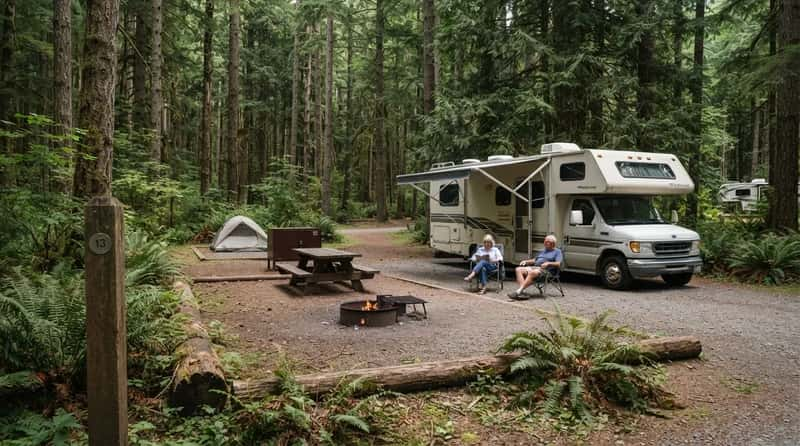
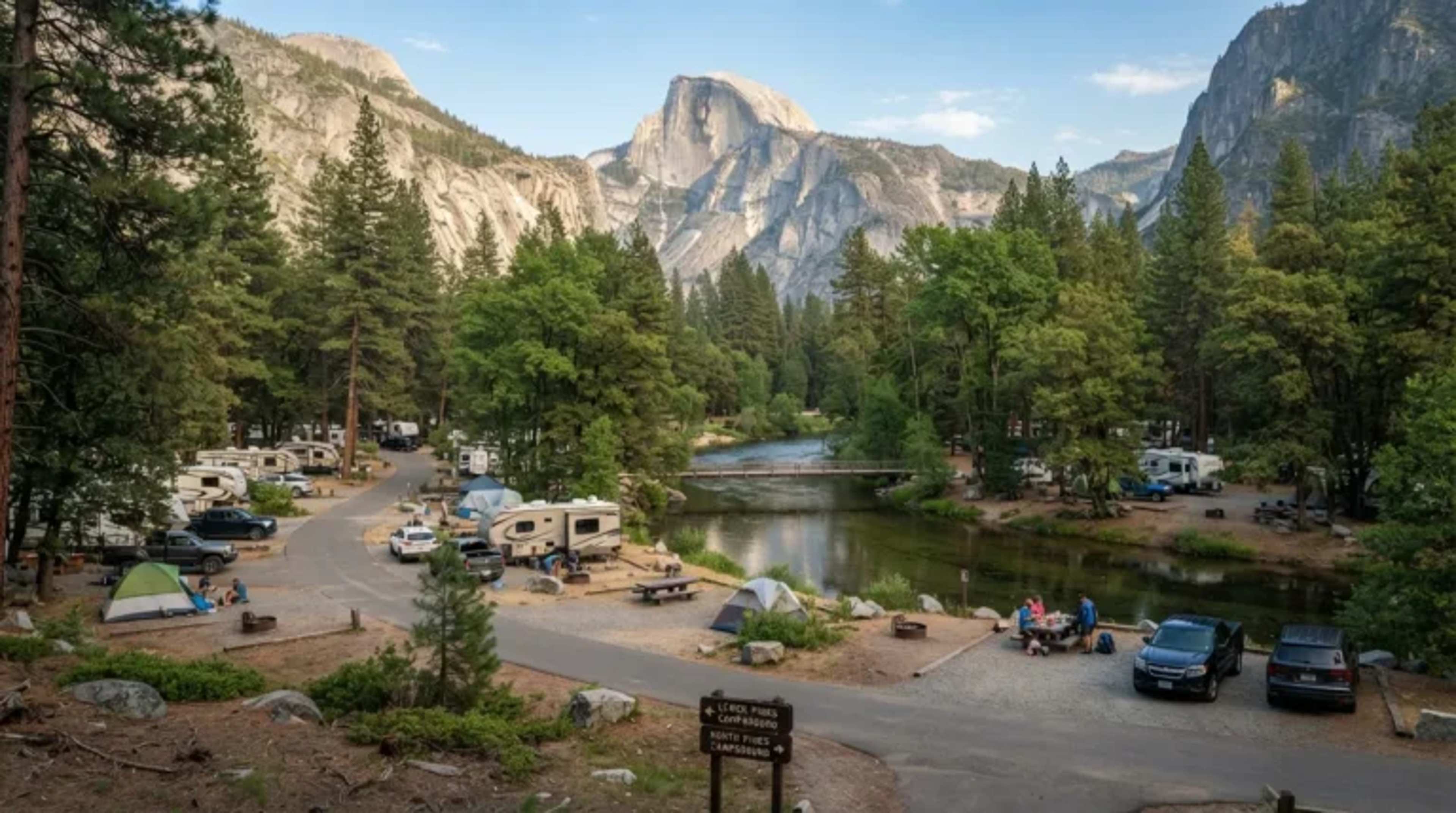
National Forests are where the camping discount does its quiet work. Senior and Access Pass holders get 50% off single-family campsites. One RV site says most National Forest campgrounds honor the discount.
Forest campgrounds often cost less to begin with than park campgrounds. A half-price rate on top of that makes them a favorite for long road trips. It sounds simple, but the next entry shows where “half off” has limits.
#12 – Where “50% Off” Quietly Stops at the Power Pedestal
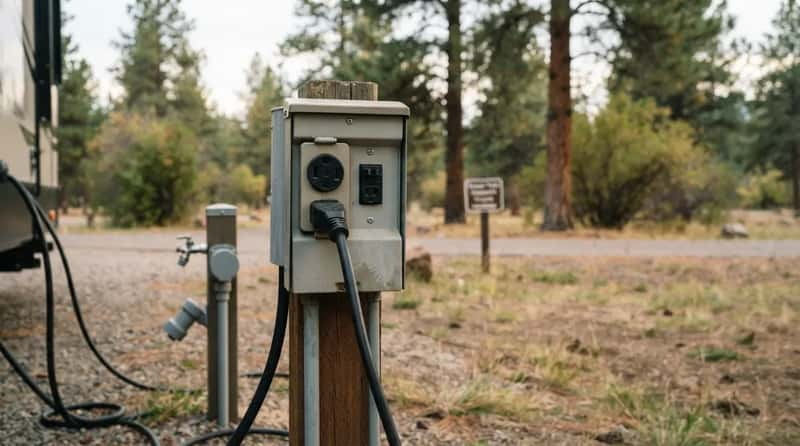
Everyone loves the “half-price camping” headline. The Forest Service lists hookups, dump stations, special tours, transportation systems, and reservation services as expanded amenities, and those aren’t fully covered. The base campsite gets the discount, and the extras get billed on their own.
That stings for RVers who pay extra for electricity. The fine print can differ by campground, so ask at the office before you settle in.
#11 – The Army Corps Lakes Nobody Thinks Of
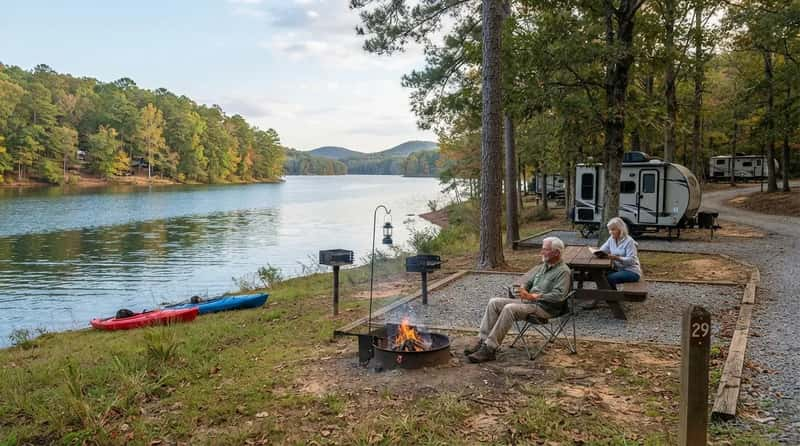
Most travelers don’t see the Army Corps of Engineers as a recreation agency. But it runs lakes and reservoirs on the pass’s list, and Corps-managed campgrounds give Senior Pass holders 50% off camping fees. Lakeside spots are scattered across the country in this system.
Discounts can depend on the district and the site. Still, a lakeside campsite at half price is arguably the most overlooked part of the whole card.
#10 – Half-Price Swim Beaches and Boat Ramps
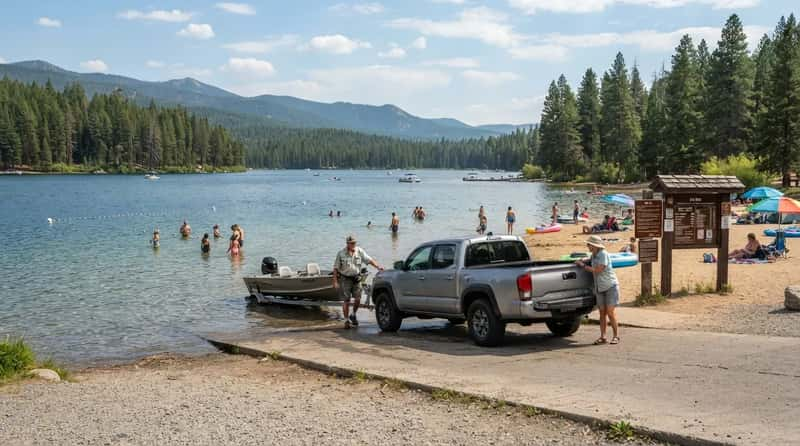
Most holders think of the pass for camping or the entrance gate. The National Park Service says the pass may give 50 percent off some amenity fees, including swimming and boat launches. Notice the word “some.”
That matters for anyone who hauls a boat or likes to cool off at a lake beach. Day-use fees at those spots add up over a long summer. Whether you save depends on the site, so check the posted fee board before you pay.
#9 – Cave Tours and Ranger Programs, Sometimes Half Off
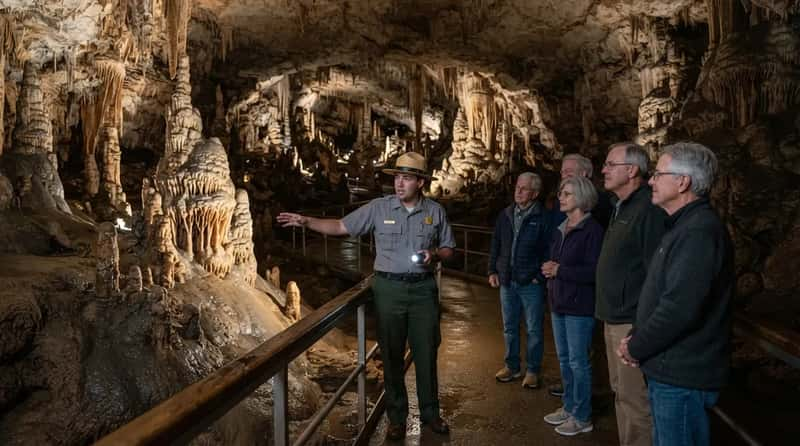
Few holders know the pass can reach into guided experiences. The NPS lists specialized interpretive services among the fees that may be discounted by half. Some guides name select cave tours as an example.
Ask at the visitor center before you buy a ticket. The discount may not appear on the posted price, and the only way to find out is to ask.
#8 – One Week of Half-Price Camping Can Pay for the Whole Pass
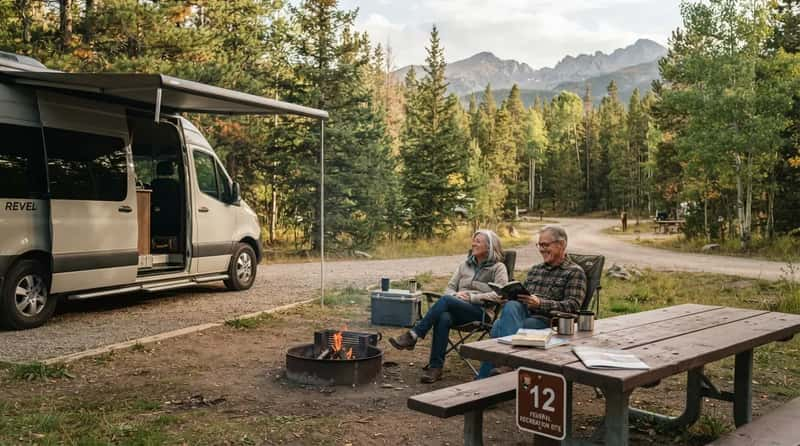
Here’s the quick math. Federal campgrounds frequently charge $20 to $35 per night, which comes to roughly $10 to $18 a night at half off. Stretch that over a long trip and the gap gets big fast.
One guide works out an example: a week at a $28-per-night federal campground saves $98, more than the cost of the lifetime pass. That’s one illustration, not a promise. Your savings depend on the campground and the number of nights.
At a Glance
- Typical nightly rate: $20 to $35 at many federal campgrounds.
- At 50% off: roughly $10 to $18 a night.
- Seven nights at $28: about $98 saved, which is more than the $80 pass.
- Your results: they change with the site, the season, and the length of your stay.
#7 – The Road-Trip Combo That Stacks Everything
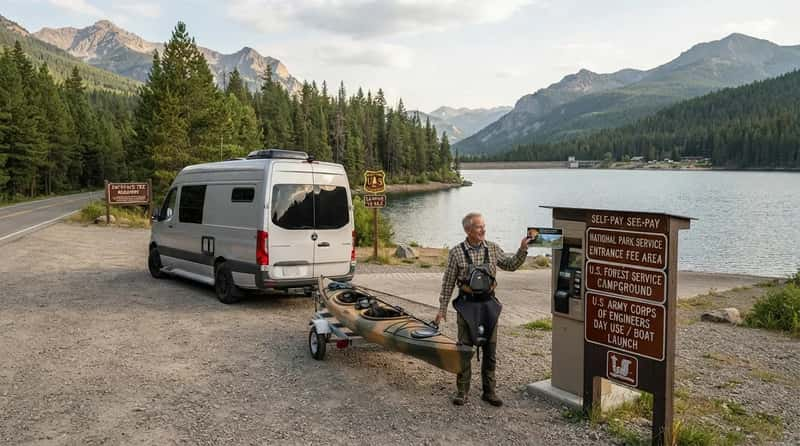
This is where the pass really shines. On a single route, you might enter a national park, camp at a Forest Service site, and launch a boat at a Corps lake. All of those agencies honor the card for entrance fees and standard day-use fees.
Many holders plan around parks only. Lining up one stop from each agency can turn a long drive into a string of discounts. But the next entry is where the magic hits a wall.
#6 – Park Lodges and Restaurants Still Charge Full Price
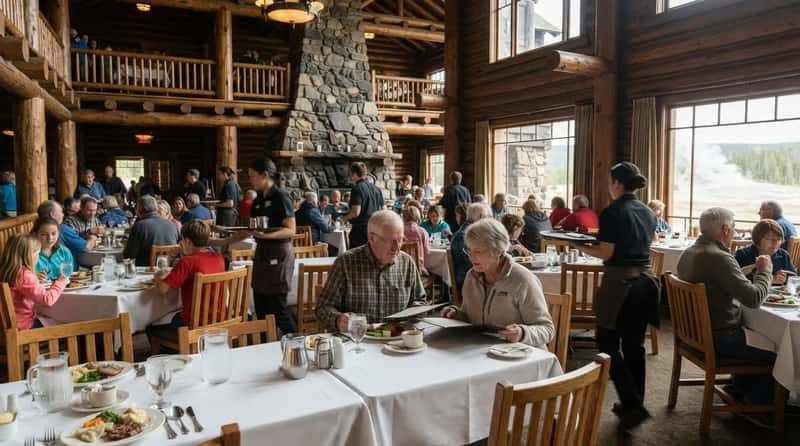
Here’s the part that frustrates holders. The pass doesn’t reduce fees charged by concessionaires, the private businesses operating inside national parks, so lodge and restaurant prices stay the same. The South Rim restaurant and Yellowstone lodges are two cited examples.
It applies to some campgrounds too. The 50% discount does not cover concession-operated campgrounds run by companies like Delaware North or Aramark. Check who operates your campground before you assume half price.
#5 – State Parks Play by Their Own Rules
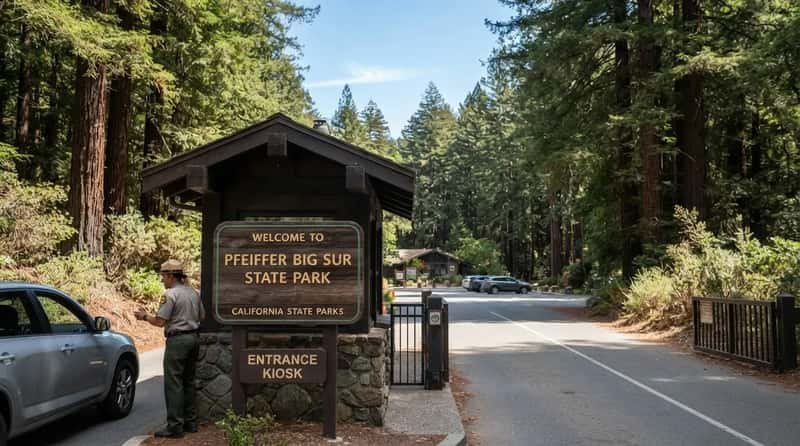
The most common letdown at the gate is the state park. California, New York, and Texas state parks run separate programs with their own senior discount structures, and the federal pass covers only sites run by six federal agencies. A federal card won’t open those gates.
That makes the pass a federal tool, not a universal one. If your route crosses state boundaries, carry both federal and state info.
#4 – The Discount That Doesn’t Always Show Up Online
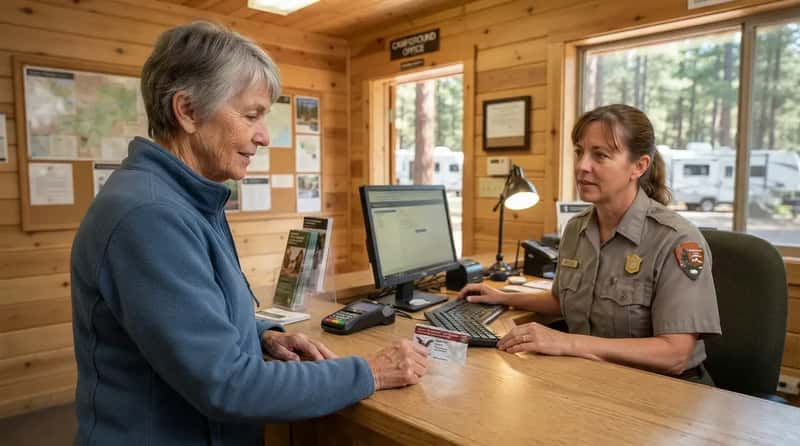
The camping discount doesn’t always apply automatically when you book. One summary of the program says the exact discount and which fees qualify can vary by specific site and activity. That’s why many campers carry their card to the check-in desk.
The same source advises that you ask the entrance station or campground office to confirm what’s covered before booking. It’s a two-minute call that can save a long-stay camper real money.
#3 – You Skipped the Foreign-Visitor Price Hike
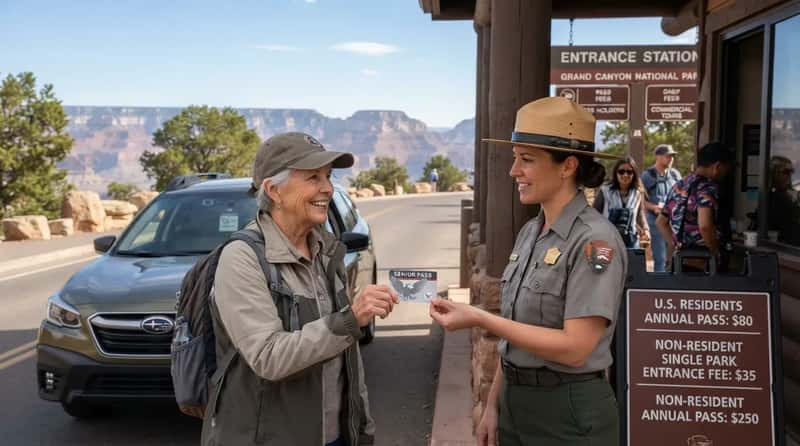
Since January 1, 2026, the rules changed for international visitors. U.S. residents kept the $80 annual pass, while nonresidents pay more, including a $250 pass and added entry fees at popular parks. A Senior Pass holder isn’t affected.
That’s a real contrast for anyone who has watched park costs climb. One guide puts the added nonresident charge at $100 per person at the eleven most popular parks. Your lifetime pass price is untouched, and your existing card still works.
Why It Stands Out
- The date: the nonresident changes began January 1, 2026.
- The nonresident pass: $250, according to 2026 guides.
- The park surcharge: one guide cites $100 per person at the eleven most popular parks.
- Your side of it: a Senior Pass holder isn’t affected, and the card keeps working.
#2 – Your Old Pass Needs No Upgrade
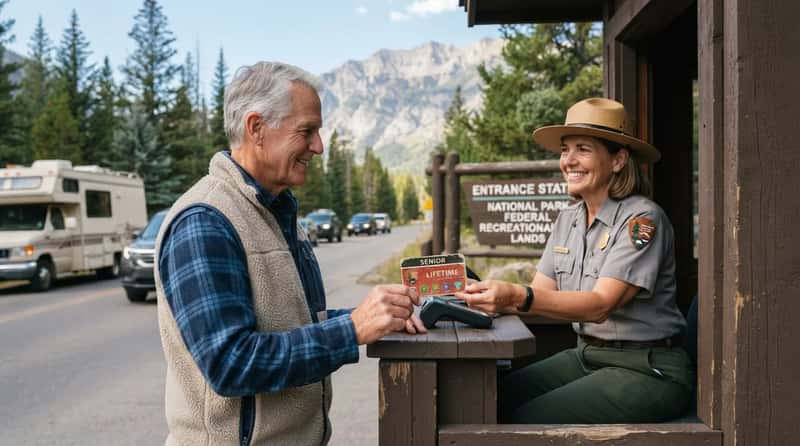
With all the 2026 changes, you may wonder if your card is outdated. One 2026 guide says a Senior Pass you already own works exactly the same. There’s no replacement or re-verification.
That means a pass bought years ago still earns its keep today. Plenty of holders worry that a rule change will take away a perk. So far, the 2026 updates have added options instead.
#1 – Pay Once, and It Never Expires
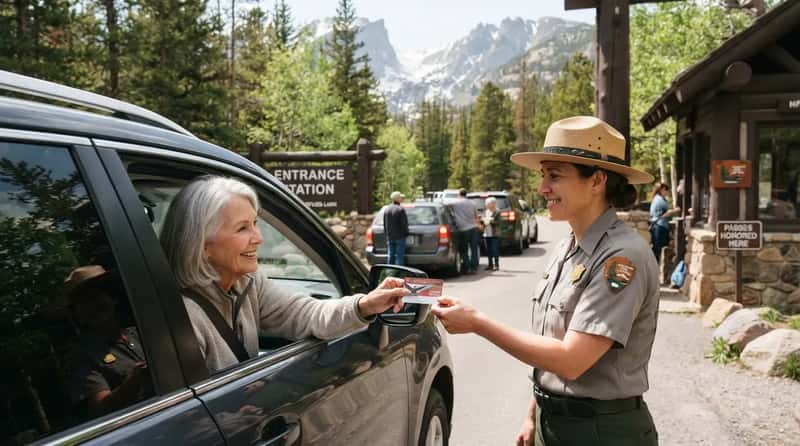
This is the big one. The Senior Lifetime Pass costs $80 and never expires. You never face a renewal reminder or a price hike on that card.
There is one risk to know about. Lost or stolen passes currently can’t be replaced, and you’d need to buy a new one. The pass is also non-transferable, so it’s yours alone. Guard it like the bargain it is.
The Senior Pass is no magic key, but it comes close for the places it covers. Federal parks, forests, refuges, and Corps lakes all honor the same card, with state parks, concession lodges, and paid extras as the big exceptions.
Check each site’s rules before you go, and that little card will keep paying you back for as long as you keep traveling.