Most travelers walk off the plane convinced they’re the exception – the polite one, the respectful one, the tourist who “gets it.” Locals watching from the sidewalk know a different truth. In almost every country on earth, someone is about to do something so strange it stops traffic, and the person doing it has absolutely no idea.
Some of these moments are harmless and almost sweet. Others have ended in arrests, viral shaming, or a very quiet flight home. Here’s what locals actually see when they think no one’s watching – and why some of it still leaves them speechless.
#27 – They Ignore Dress Codes at the Holiest Places on Earth

Tourists show up to sacred temples, mosques, and cathedrals in tank tops and short shorts like it’s just another beach day. The rules are posted, sometimes in three languages, and visitors walk past them anyway.
What actually stuns locals isn’t the ignorance – it’s the confidence. Visitors argue with staff at the entrance rather than simply covering up with the shawl sitting right there. Many sacred sites now station guards specifically to turn away underdressed tourists, a job that didn’t exist a generation ago.
#26 – They Pose Nude for Photos at Sacred Monuments

It sounds too absurd to be real until locals describe how often it happens. A tourist doesn’t need deep cultural training to know they shouldn’t strip down at a centuries-old temple, yet one traveler was arrested in Indonesia for doing exactly that.
Residents describe watching visitors treat ancient religious sites like a private photo studio. The consequences are real – arrests, deportations, public shaming – and none of it seems to slow the trend down.
#25 – They Expect the Whole World to Speak English
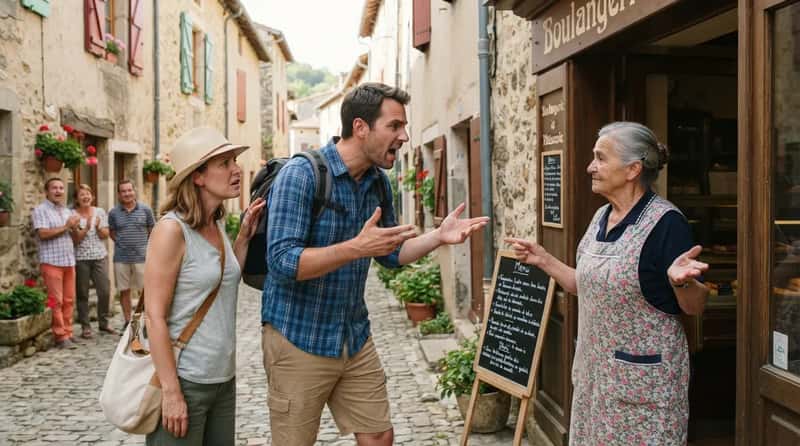
Some tourists never learn a single local phrase and get visibly frustrated when that becomes a problem. They travel inside a bubble where English is assumed everywhere, and it’s almost comical watching that bubble pop the moment they get lost in rural Europe.
Locals aren’t bothered by bad grammar – they’re baffled by the entitlement. A simple “hello” or “thank you” in the local language completely changes an interaction, yet many visitors skip it entirely and just talk louder instead.
#24 – They Strike Up Conversations With Total Strangers
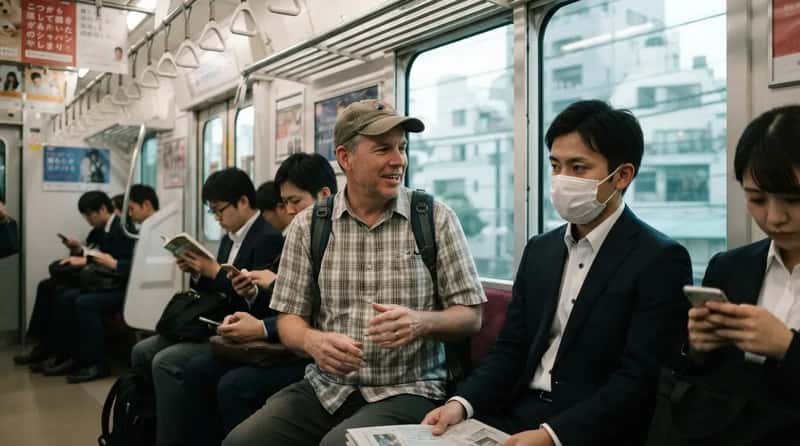
American tourists abroad have one habit that raises eyebrows fast: chatting with anyone nearby, anywhere, for any reason. In countries where public small talk is rare, this reads as bizarre – not rude, just wildly unexpected.
Locals in more reserved cultures describe feeling cornered by friendly small talk in places where silence is the polite default. It isn’t malicious. It’s just a cultural reflex that doesn’t survive the trip across the ocean.
Quick Compare
- United States: small talk with strangers is common and often expected in checkout lines or elevators.
- Japan and Germany: silence in public is the polite default, so unsolicited chat can feel intrusive.
- Nordic countries: personal space and quiet are prized, even on a packed train.
- Latin America and parts of Southern Europe: friendly banter with strangers feels far more natural, closer to the American style.
#23 – They Answer “How Are You?” Like It’s a Real Question

Americans say “how are you” the way other cultures say hello, tossing it off without expecting an actual answer. Travelers abroad often try to respond honestly and in full detail, which makes the whole exchange feel strangely heavy for people used to it being pure autopilot.
The mix-up runs both directions. Locals abroad get asked the question by an American, give a real answer, and then watch the American have no idea what to do with it.
#22 – They Turn Spring Break Into a Full-Blown Property Disaster
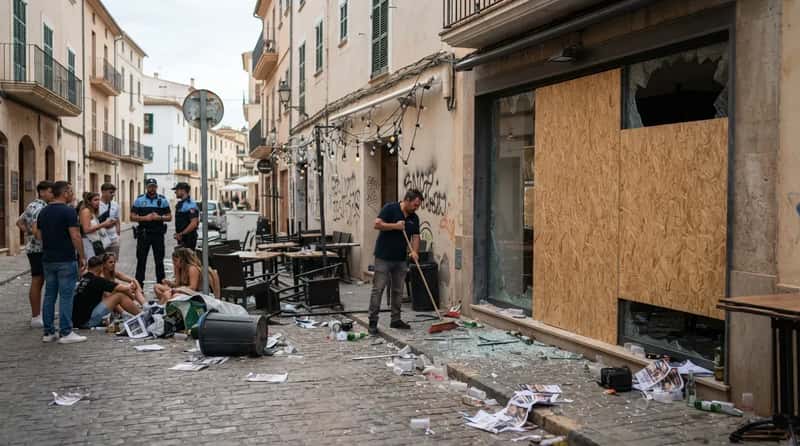
Party tourism has a reputation, and locals say it’s fully earned. The drinking alone would raise alarms back home, and destroying hotel property is treated almost like a rite of passage instead of a crime.
Entire towns brace for certain weeks of the year like a natural disaster is coming. Business owners board up windows, police departments add extra patrols, and locals joke they could set their calendars by it.
#21 – They Hunt Down a McDonald’s Instead of Trying Local Food
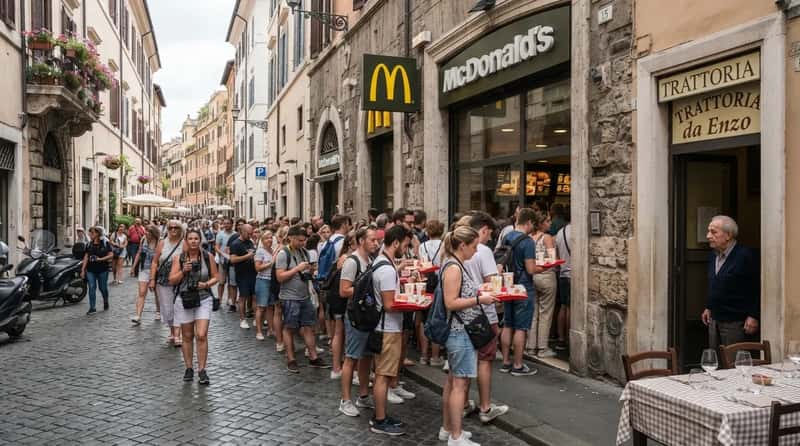
Traveling thousands of miles just to eat something identical to home genuinely confuses locals. Restaurant owners in tourist-heavy cities watch lines form outside familiar fast-food chains while family-run spots down the street sit half empty.
It’s not that locals mind a comfort-food craving. It’s the sheer volume of people who fly across the planet and order the exact same burger they could’ve had in their own driveway.
#20 – They Demand a Glass Full of Ice Like It’s a Human Right
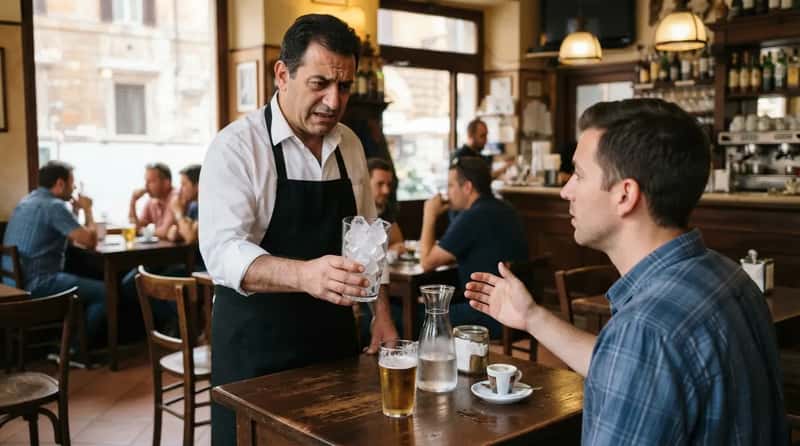
Ice is not a universal expectation, and tourists find that out the hard way. Visitors used to a tower of ice cubes with every drink assume it’s the global standard – it isn’t, and plenty of countries never adopted the habit.
Servers across Europe and Asia describe repeated requests for extra ice on a drink that already arrived cold. Locals find it genuinely baffling that so many tourists treat a full glass of cubes as a baseline requirement instead of an American quirk.
#19 – They Expect Free Refills That Don’t Exist Anywhere Else
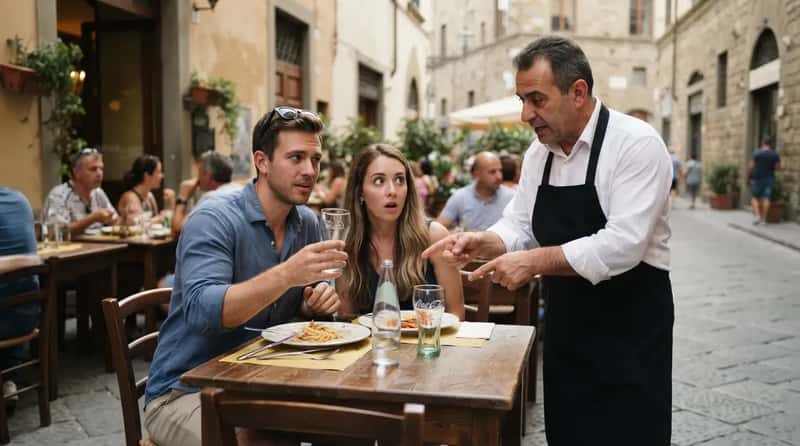
Free soda refills feel automatic to American tourists and nowhere near automatic to anyone else. In most countries, one drink means one glass, full stop – no bottomless anything.
Locals watch tourists flag down servers asking for a top-up, only to get a polite but firm explanation: a second drink means a second bill. It happens at nearly every restaurant with international visitors.
#18 – They Leave Cash in a Tip Jar That Wasn’t There a Decade Ago
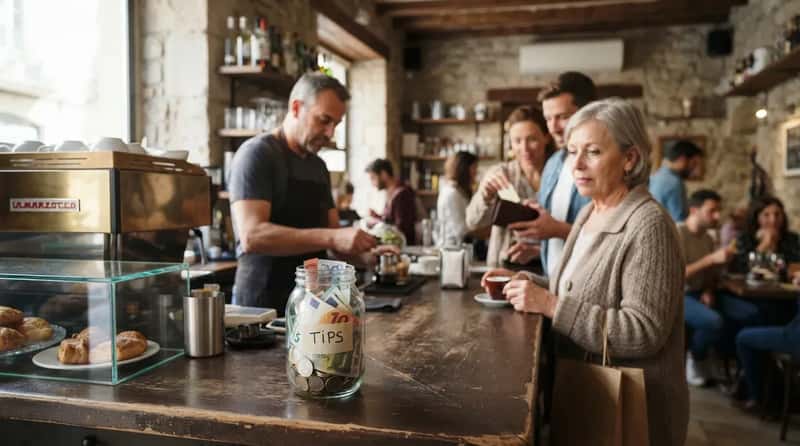
Tipping culture has quietly spread to places that never used it, purely because tourists kept doing it anyway. Businesses noticed, and a tip jar that didn’t exist ten years ago now sits on the counter, changing the norm for everyone.
What baffles longtime residents isn’t the generosity – it’s the ripple effect. Regulars now feel subtly judged for not tipping in cafés that never expected it a few years back, all because visitors imported a habit that didn’t belong there.
#17 – They Try to Tip Where It’s Actually Considered Insulting
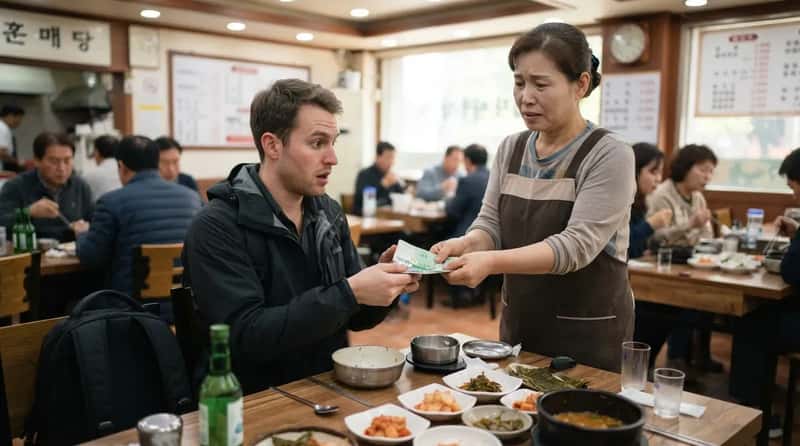
In some places, tipping doesn’t come across as generous – it comes across as rude. In South Korea, tipping is not customary and can even be seen as awkward or embarrassing, since service is already included in the price.
Servers describe chasing tourists down the street to return money left on the table. It’s the exact opposite reaction most visitors expect, and it leaves both sides equally confused.
#16 – They Keep Their Shoes On Where Locals Never Would

Few habits announce a tourist faster than walking into a home with shoes still on. In Japan, entering homes, traditional inns, and even certain restaurants with shoes on is considered flatly rude, since it tracks outside dirt into a space meant to stay clean.
Locals say the mistake is almost never malicious – it’s just an oversight. But it’s also one of the fastest ways to mark yourself as someone who skipped even ten minutes of research before landing.
Fast Facts
- Japanese homes use a genkan, a sunken entryway built specifically for removing shoes before stepping up.
- Many traditional ryokan inns provide indoor slippers, plus a separate pair reserved only for the bathroom.
- Some restaurants with tatami-mat seating enforce the exact same no-shoes rule as a private home.
#15 – They Point With a Finger Where a Nod Would Do
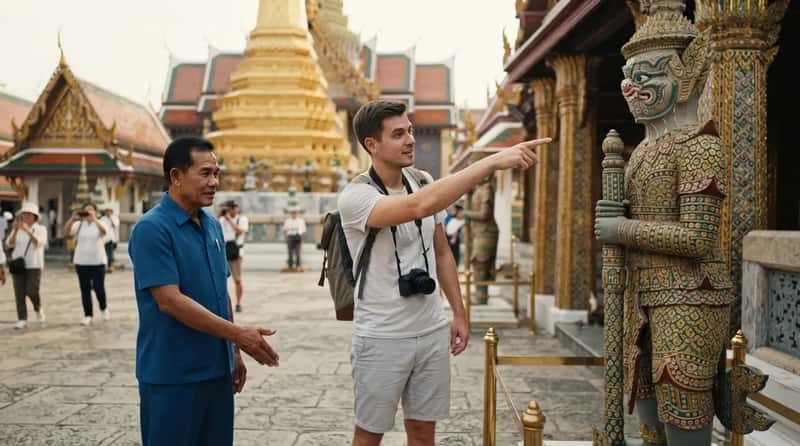
A gesture that feels completely harmless at home lands very differently overseas. In Thailand, pointing with your index finger is considered impolite, especially toward people or sacred objects, so locals gesture with an open hand or a slight chin nod instead.
Tourists rarely notice they’re doing it. Locals notice every single time, especially at temples, where a casually pointed finger toward a statue reads as outright disrespect rather than simple curiosity.
#14 – They Pat a Stranger’s Head Without a Second Thought

This one shocks locals every time because the intent is almost always affectionate. In several Buddhist countries, including Thailand, the head is considered sacred and reserved for close friends or family – not strangers, and definitely not tourists.
Visitors do it to children constantly, thinking it reads as friendly. Locals describe an internal wince every time it happens, watching a well-meaning tourist unknowingly cross one of the culture’s most sensitive lines.
#13 – They Hold Hands Somewhere That Embarrasses Their Hosts
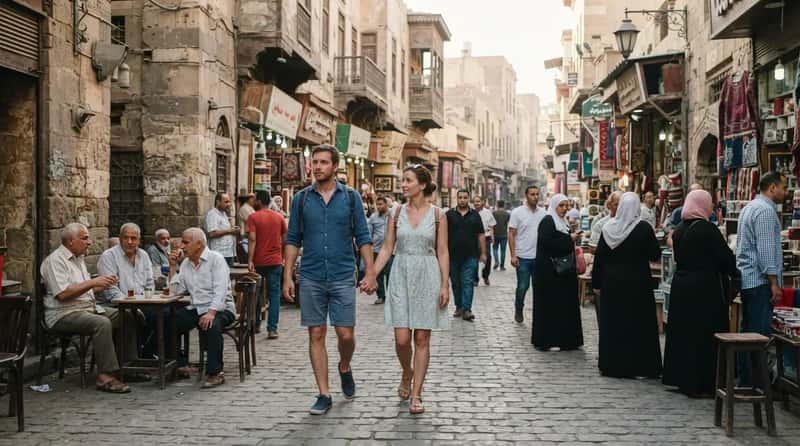
Public affection that barely registers back home can genuinely unsettle hosts elsewhere. Even something as mild as holding hands while walking can embarrass a host family in Egypt or Cambodia.
Couples rarely realize they’re doing anything wrong. Locals in more conservative regions describe the quiet discomfort of watching visitors treat public streets like a private living room.
#12 – They Kiss in Public Somewhere It’s Actually Illegal
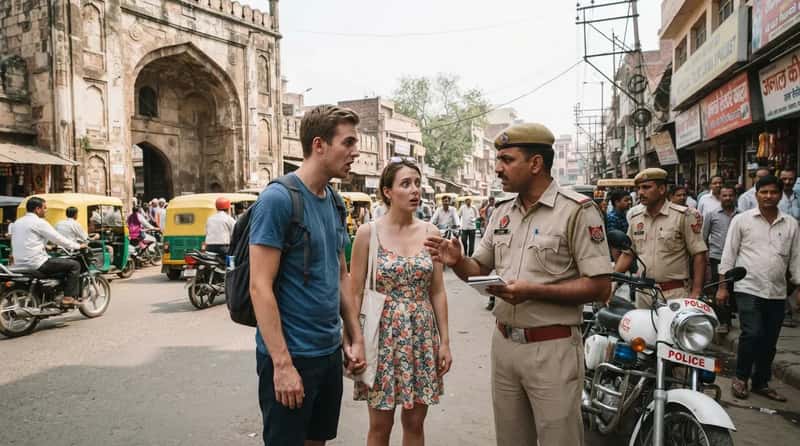
This is the one that can turn a vacation into a legal nightmare fast. In countries like India, kissing in public falls under public obscenity laws and can carry real jail time – a shock to anyone used to seeing couples kiss on any American street corner.
Locals describe watching tourists genuinely stunned that a peck on the cheek escalated into a conversation with police. It’s not a rumor. It’s an enforced law, and plenty of visitors have learned that the hard way.
#11 – They Blow Their Nose at the Dinner Table

Something completely normal in one culture can trigger open disgust in another. In China, blowing your nose at the table is a genuine etiquette violation, drawing visibly disgusted looks even when it’s done quietly with a tissue.
Locals say the reaction isn’t about hygiene logic – it’s about generations of ingrained table manners. Tourists who’d never think twice about it at home are often mystified by the stares they get mid-meal.
#10 – They Raise a Fist in Brazil Without Knowing What It Means
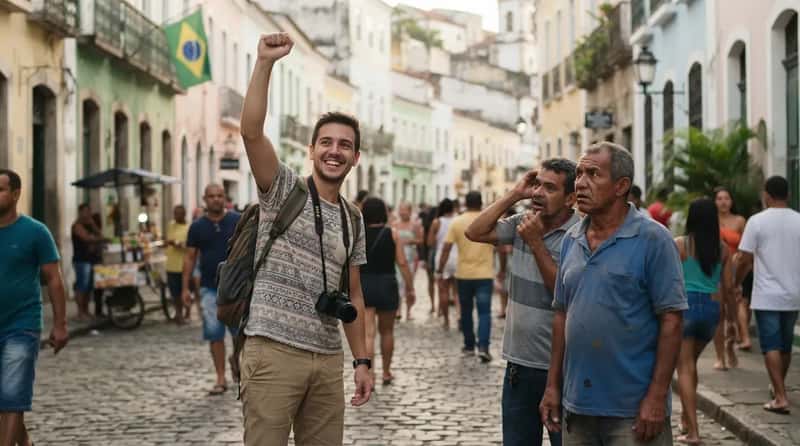
A gesture meant as playful enthusiasm can carry a wildly different meaning abroad. In Brazil, raising a fist can signal that a man’s wife is cheating on him, and touching a fist to the forehead signals that someone is stupid.
Tourists throw up these gestures for photos with zero idea they’re insulting strangers on the street. Locals say the confusion is almost comedic – right up until someone actually takes it personally.
#9 – They Flash a Peace Sign That Reads as an Insult in the UK
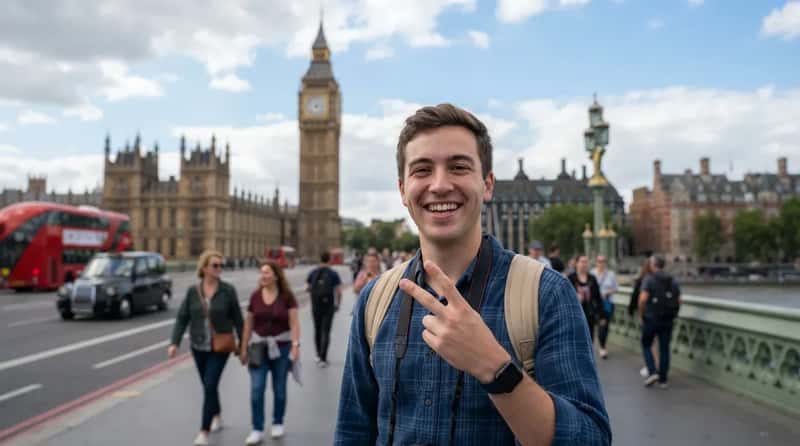
A gesture as American as apple pie carries an entirely different meaning across the Atlantic. Two raised fingers mean peace in the U.S., but reversed, the same sign carries the same weight as a middle finger in the U.K.
Locals describe watching tourists throw it up for photos with zero awareness. It’s such a common mix-up that etiquette guides now specifically warn Americans before they even board the plane.
#8 – They Stroll City Streets Still in Swimsuits and Flip-Flops
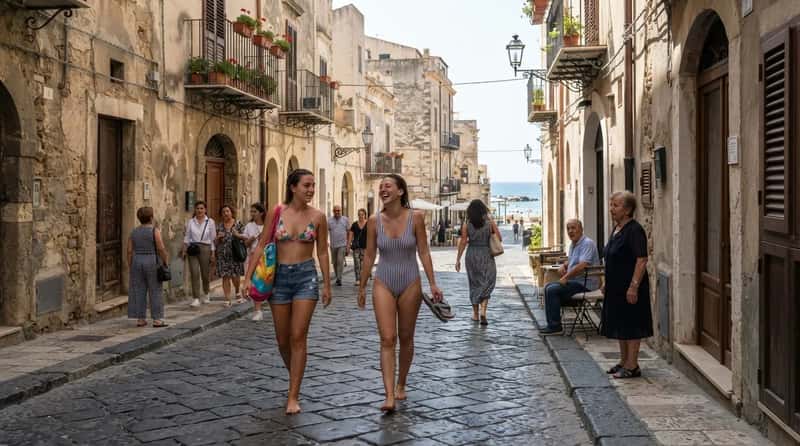
Beach mode doesn’t always switch off once tourists leave the sand. Visitors have been seen walking straight from a city beach to their hotel in swimsuits, treating a stroll through a historic center like an extension of the shoreline.
To locals living among centuries-old architecture, it feels jarringly out of place. What tourists see as convenience, residents see as a lack of basic respect for the streets they actually call home.
#7 – They Ask Irish Locals If Leprechauns Are Real
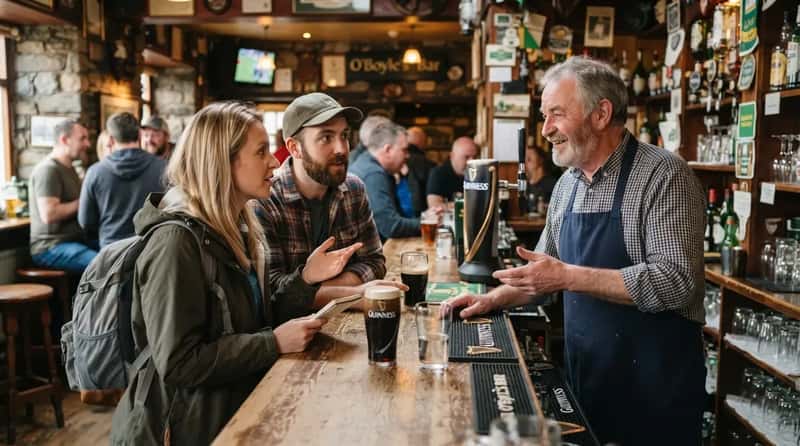
This sounds like an exaggeration until you hear how often it actually comes up. Locals in Ireland report fielding sincere leprechaun questions on a regular basis – one Irish resident even convinced two American tourists they lived in a commune in Donegal, just to see how far it would go.
It’s become a running joke among Irish hospitality workers. The questions are earnest enough that locals have learned to play along rather than explain, because the follow-up questions are somehow even harder to answer.
#6 – They Ask Torontonians for Directions to Whistler
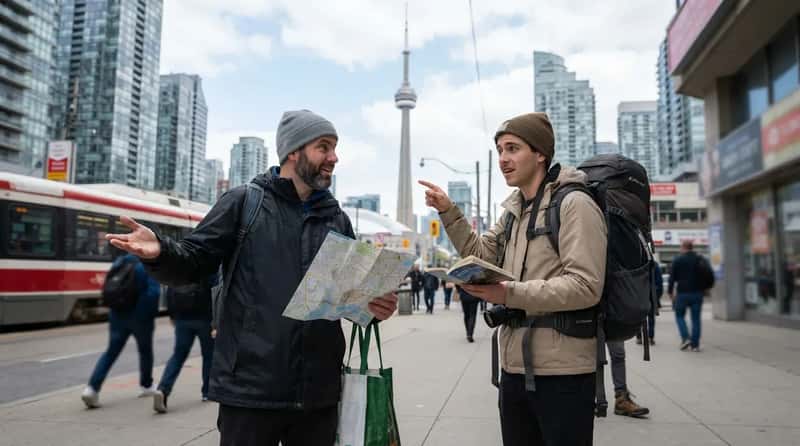
Canada’s sheer size breaks a lot of brains, and locals feel it constantly. Europeans standing in Niagara Falls or downtown Toronto have genuinely asked for walking directions to Whistler, unaware they’re separated by an entire continent.
What baffles Canadians most isn’t the confusion – it’s the casual tone, as if Whistler were a short bus ride rather than a multi-day drive west. It happens often enough that locals now brace for the question before it’s even finished.
#5 – They Swim Outside the Flags on Australian Beaches
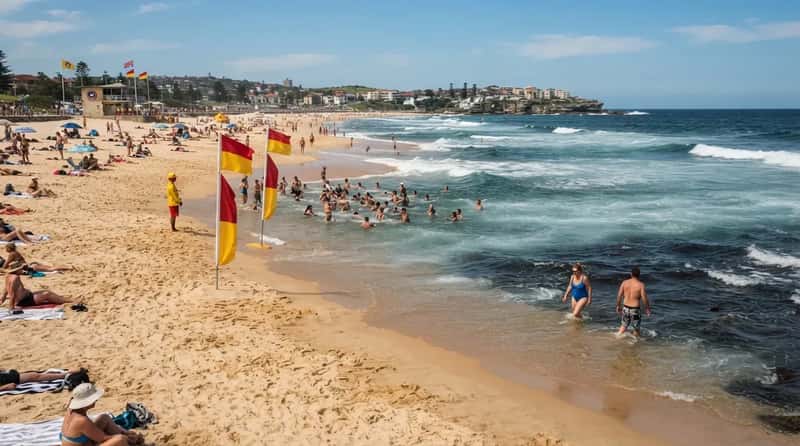
Australians take beach safety seriously, and tourists routinely ignore it in ways that genuinely scare locals. Swimmers stay between the flags because of dangerous rips, not because it’s a suggestion – yet visitors treat the boundary like the beginner slope of a ski hill.
The sun makes it worse. Locals note that sunblock and a hat are non-negotiable, since it isn’t Europe and anyone can burn within fifteen minutes regardless of skin tone. Rescue crews say the same scene repeats every single summer.
#4 – They Walk Up to Wild Bison for a Selfie
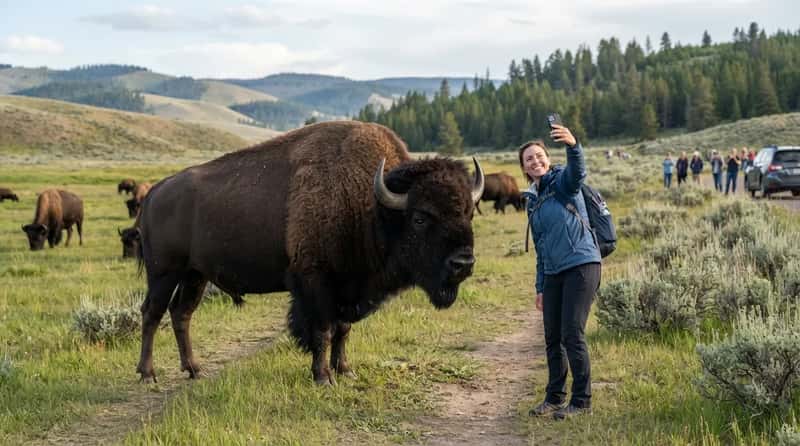
Some tourist behavior isn’t just baffling – it’s actively dangerous, and rangers watch it play out constantly. In Yellowstone, visitors walk up to wild bison for a close-up selfie, then act shocked when a two-thousand-pound animal reacts exactly as you’d expect.
Park staff have repeated the same warnings for years, and the pattern hasn’t changed. Locals near the park describe watching people treat a wild animal like a photo prop, with predictably painful results almost every season.
At a Glance
- Bison can run up to 35 mph, roughly three times faster than the average human.
- Adult males can weigh up to 2,000 pounds, about the weight of a small car.
- Bison have injured more Yellowstone visitors than any other wild animal in the park.
- Park rules require staying at least 25 yards away from bison at all times.
#3 – They Get Out of the Car to Cuddle Lion Cubs

This one still stuns wildlife guides who’ve spent careers around Africa’s most dangerous animals. One local recalled overhearing tourists proudly showing off safari photos of themselves holding lion cubs found without their mother – after deciding to get out of the vehicle and pick the cubs up for the shot.
Guides describe the instant panic of realizing a mother lion is almost always nearby, watching. Tourists rarely grasp the danger until it’s explained afterward, by which point the photo already exists, cubs included.
#2 – They Pose for Cheerful Photos at Ground Zero
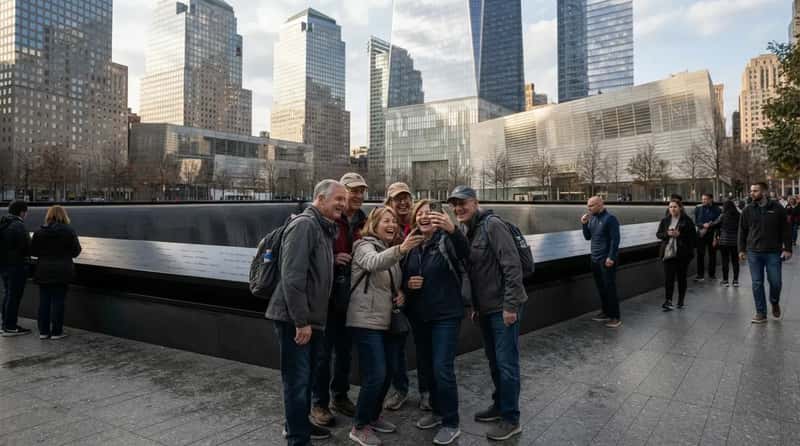
Some locations demand quiet, and not every visitor gets the memo. One local recalled walking past the ruins of the World Trade Center after 9/11 and seeing middle-aged tourists laughing and posing for a group photo with the wreckage behind them – despite having worked in that same building and narrowly avoided being inside when it fell.
Locals who lived through the tragedy describe a very specific kind of disbelief watching this unfold. The site still holds real grief for an entire city, and the gap between tourist enthusiasm and local memory is impossible to ignore.
#1 – They Treat Memorial Sites Like Theme Parks
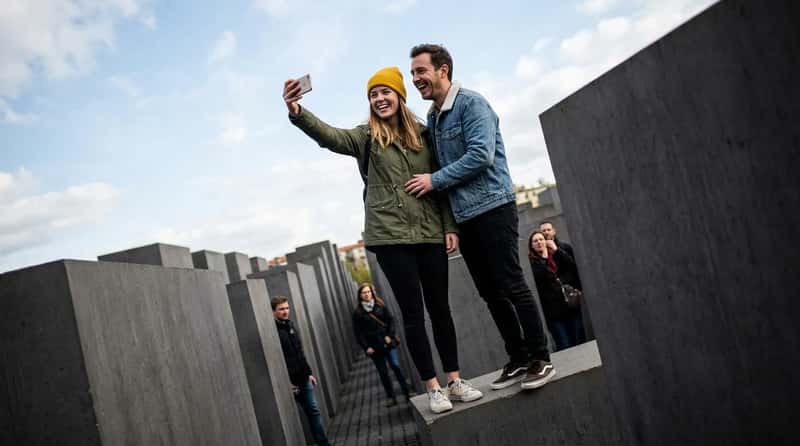
This is the one locals say they simply can’t get used to, no matter how many times they see it. Visitors have been documented treating sites like Auschwitz, Buchenwald, Dachau, and Neuengamme as backdrops for cheerful group photos rather than places built to honor mass tragedy.
Guides at these sites describe confiscating props, halting staged photoshoots, and repeating the same line over and over: this isn’t content, it’s history. Locals who live near these memorials say the disrespect isn’t rare – it’s routine, and it’s the single hardest thing to explain to a first-time visitor who just wants a good photo.
Respect their memory. There are better places to learn how to walk on a balance beam than the site which symbolizes deportation of hundreds of thousands to their deaths.
Auschwitz Memorial
Every one of these moments shares the same root: a visitor assuming their home-country habits are universal, when locals know exactly how untrue that is. Some of these mistakes are harmless, born from jet lag and good intentions. Others – posing at a memorial, grabbing a wild animal, stripping down at a temple – cross a line that no amount of “I didn’t know” can undo.
Locals aren’t asking tourists to be perfect. They’re just asking them to notice where they actually are. What’s the strangest thing you’ve ever seen a tourist do abroad? Drop it in the comments – we want to hear it.