Every single year, millions of Americans pack up their cars, load the kids into the back seat, and head toward one of the most breathtaking places on the planet. The idea is simple: fresh air, great views, maybe a few wildlife photos. What often gets skipped, though, is the planning. The preparation. The basic common sense.
From 2007 to 2024, there were a total of 4,213 deaths at U.S. National Park sites. That’s not a scare tactic. That’s a reality check. Most of those tragedies were avoidable, the result of small, preventable mistakes made by people who simply didn’t know better. Let’s dive in.
1. Getting Too Close to Bison at Yellowstone
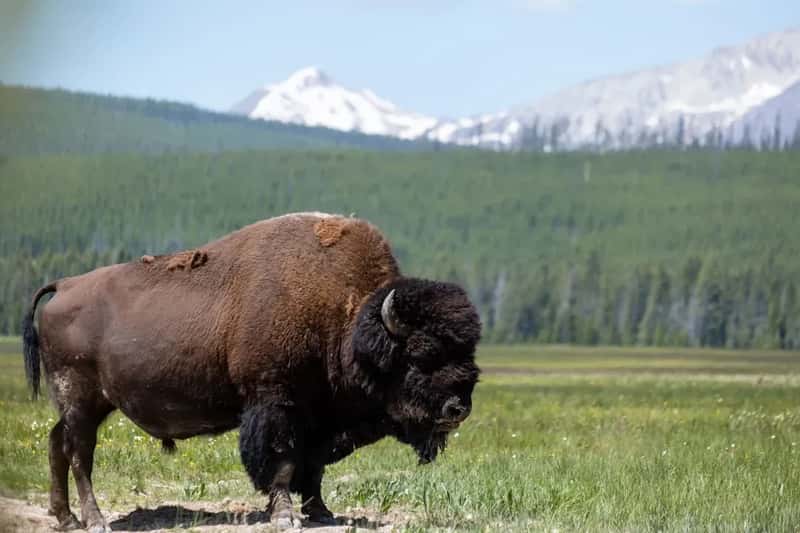
Here’s the thing: bison look slow. They’re big, they’re fluffy, and standing next to one for a photo seems like the obvious choice for a jaw-dropping Instagram post. That logic has sent more than a few visitors to the hospital.
The National Park Service confirmed the first reported bison goring incident of 2025 in Yellowstone, noting there were two reported incidents in 2024 and one in 2023. Park regulations require visitors to stay at least 25 yards from all wildlife, including bison, elk, and deer, and at least 100 yards away from bears and wolves.
In 2024, an 83-year-old woman was severely injured after being gored by a bison in Yellowstone National Park. She was just trying to get close. The bison had other ideas.
2. Walking Off Boardwalks Near Geothermal Features
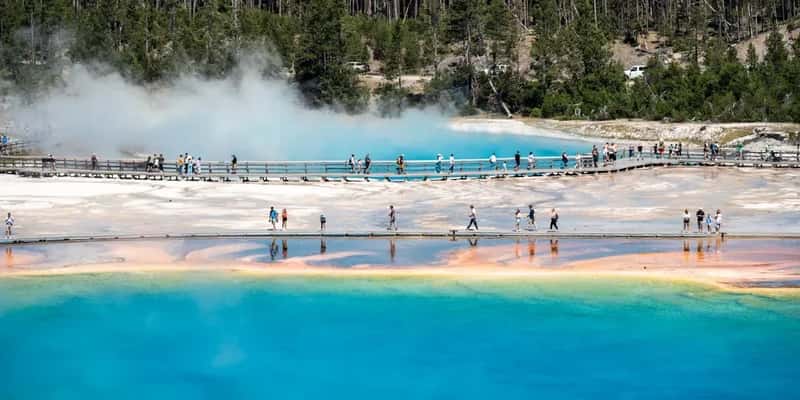
Yellowstone’s hot springs are stunningly beautiful. They’re also capable of killing you in seconds. Almost all of Yellowstone’s geothermal features are surrounded by a thin crust that looks like solid ground, but is not. The same extremely hot water that gushes through geysers bubbles just under the surface, and stepping off the boardwalk onto the crust can cause serious or fatal injury.
In 2025, a 17-year-old visitor suffered significant burns after stepping through thermal crust near Lone Star Geyser. Similar incidents involving serious second and third-degree burns from thermal area visits have occurred in previous years.
More than 20 people have died from burns suffered after they entered or fell into one of Yellowstone’s hot springs. This one isn’t a gray area. Stay. On. The. Boardwalk.
3. Ignoring the Rules and Facing Jail Time

Some visitors think park rules are suggestions. They are not. In November 2024, a 64-year-old Colorado Springs resident was sentenced to seven days in jail after entering the protected area of Mammoth Hot Springs with his wife and two children. His sentence included a $3,000 fine, five years of probation, and a lifetime ban from Yellowstone.
In April 2025, a Seattle tourist was sentenced to a week in prison for violating rules at Yellowstone National Park and getting too close to Old Faithful. The photo opportunity isn’t worth a felony record and a lifetime park ban, honestly. Think about that next time.
4. Climbing Over Safety Rails at Scenic Overlooks
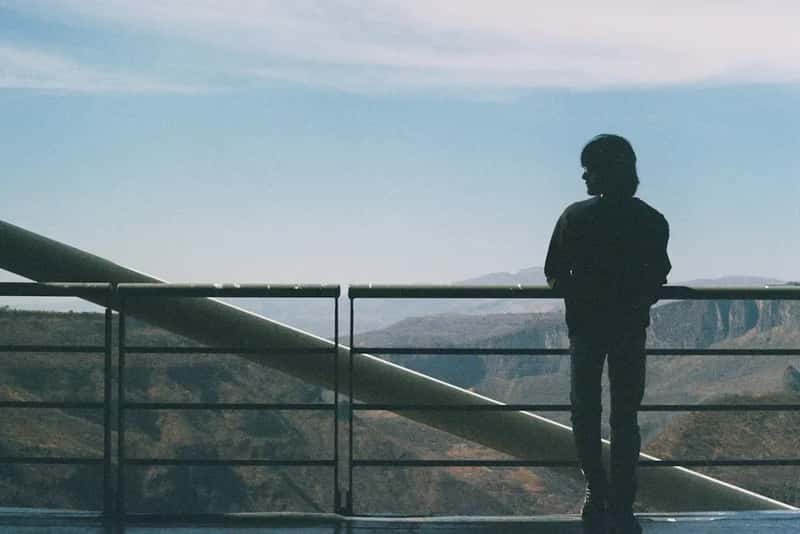
Scenic overlooks are designed to give you a breathtaking view. They’re also designed to keep you alive. On April 29, 2025, two people died after falling from a viewing area at Bryce Canyon National Park in southern Utah. They had climbed over the rail. The view from the other side cost them everything.
The incident underscored how slipping past safety barriers at scenic overlooks dramatically increases risk. No photo is worth a fatal fall into a canyon. The rail is there for a reason, and that reason is physics, not aesthetics.
5. Underestimating Dehydration on the Trail
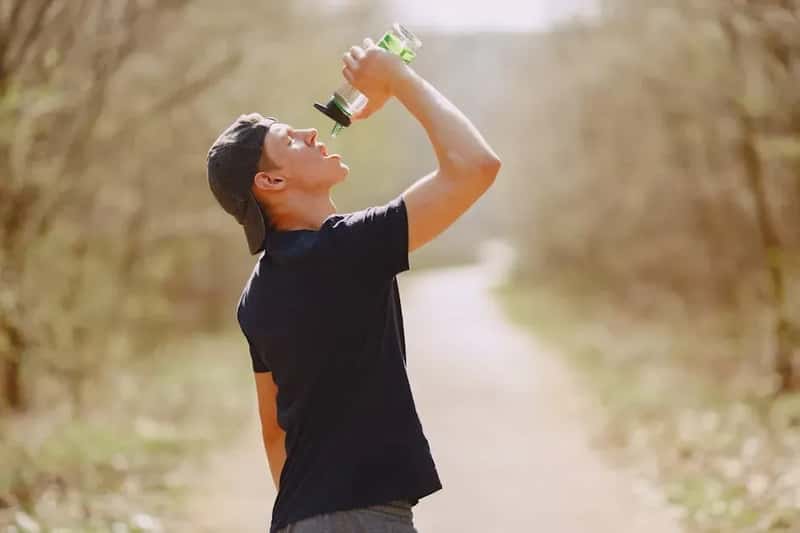
Hikers often underestimate the impact of high temperatures, leading to dehydration, heat exhaustion, and heat stroke. It sneaks up on you. You feel fine, then suddenly you don’t. By the time most people realize they’re dehydrated, they’ve already been losing fluids for hours.
The combination of physical exertion, dry air, and intense sunlight in many parks can quickly lead to dehydration. Hikers often underestimate how much water they need, which can cause exhaustion, dizziness, and heat-related illnesses. Bring more water than you think you need. Then add another bottle.
6. Ignoring Altitude Sickness Symptoms
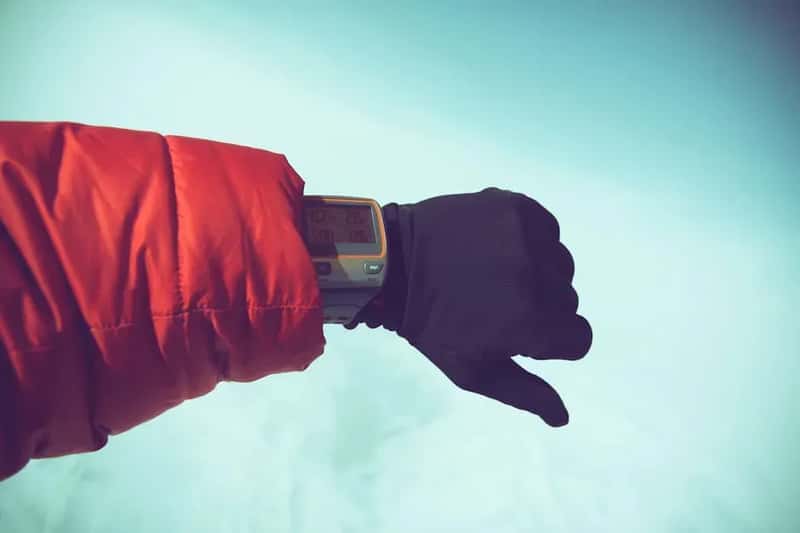
Altitude sickness is one of the most significant risks in parks like Rocky Mountain National Park and can strike anyone, regardless of fitness level. The park’s elevations range from 7,500 feet to over 14,000 feet, and high altitude means thinner air, which causes symptoms like headaches, dizziness, nausea, and shortness of breath.
Acute Mountain Sickness occurs in roughly a quarter of people above 8,000 feet, with symptoms including confusion, fever, rapid heartbeat, and shortness of breath. These symptoms also contribute to disorientation, which can increase the risk of falling, getting lost, dehydration, and hypothermia.
I think the most dangerous part is that fit, healthy people often dismiss these symptoms. Your cardiovascular fitness level from sea level means nothing at 13,000 feet. Altitude does not care how many marathons you’ve run.
7. Hiking Without Telling Anyone Your Plans
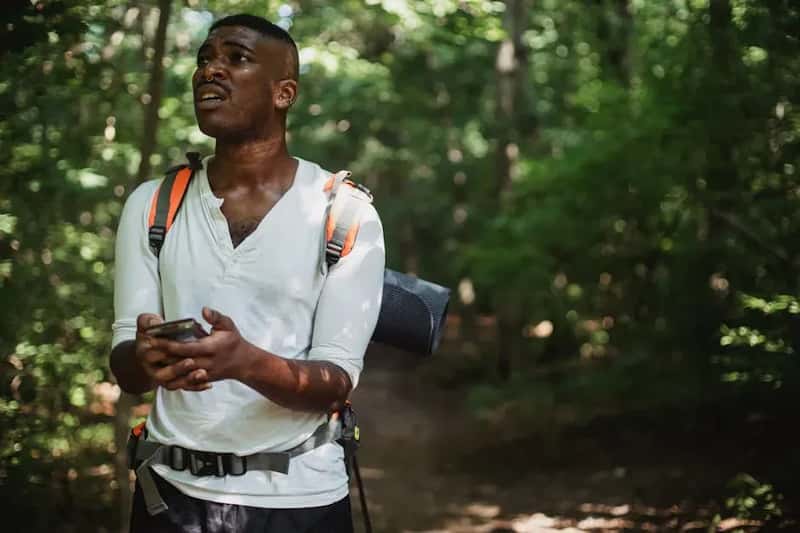
It sounds overly cautious until you’re stranded on a trail at dusk with a twisted ankle and no cell signal. This is especially common with people who think they are just taking a “short hike” and consider it unnecessary to tell someone where they’re going. That simple omission turns a minor inconvenience into a search-and-rescue nightmare.
It pays to have an emergency plan, not rely on cell phone reception, check gear thoroughly, stay together as a group, stay on designated trails, and keep your distance from wildlife. Tell a friend, a ranger, or the front desk where you’re going and when you expect to return. Simple as that.
8. Thinking You’re More Prepared Than You Are
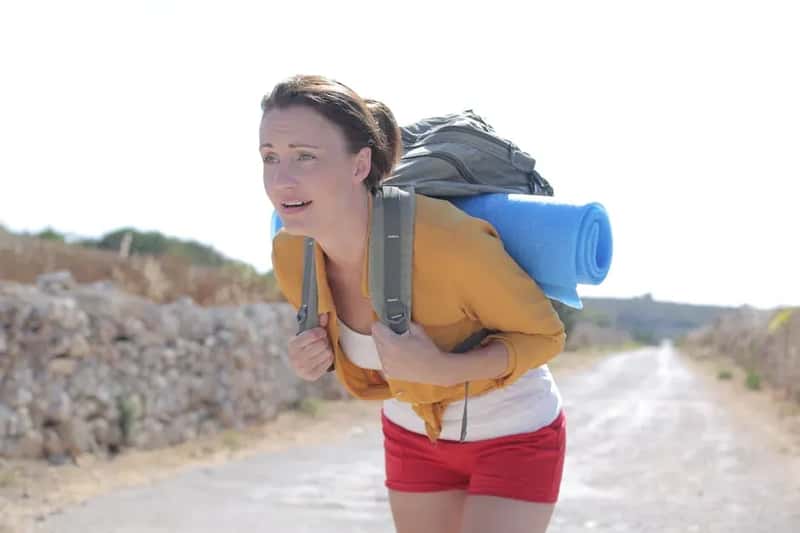
Here’s a genuinely shocking finding. Nearly all day hikers surveyed at Rocky Mountain National Park in summer 2024 categorized themselves as “adequately prepared” or higher. However, only a minority of day hikers were actually classified as wilderness prepared using an objective measure.
Self-confidence and actual preparedness are two wildly different things. Many common mishaps in wilderness settings are easily preventable. Acute mountain sickness, dehydration, and respiratory distress can be prevented with acclimatization, proper hydration, and appropriate medication. Most people just don’t bother.
9. Feeding Wildlife
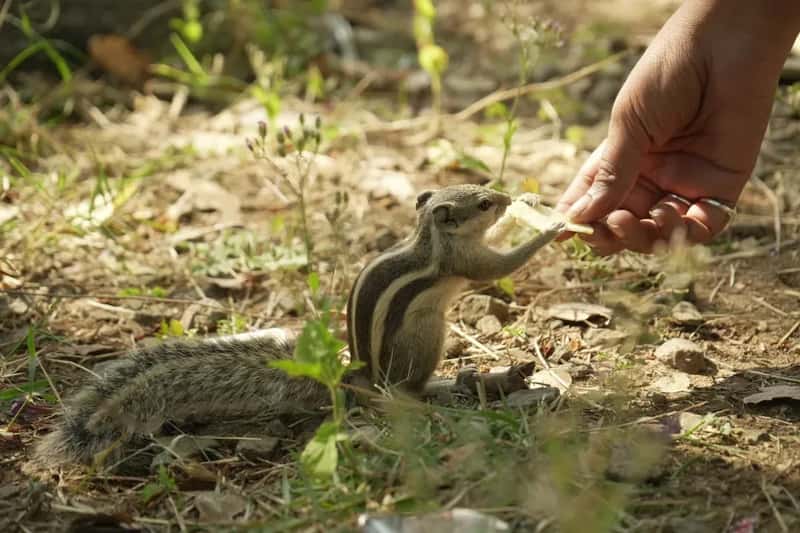
Feeding a squirrel feels harmless. It is not. Feeding animals may seem harmless, but it causes wildlife to become aggressive or dependent on humans, often resulting in injury or death to both animals and visitors. Once an animal associates humans with food, it loses its natural wariness and becomes a danger to every visitor after you.
Some actions by visitors have led to the endangerment of people and wildlife and resulted in the death of wildlife. The park urges visitors to protect wildlife by understanding how their actions can negatively impact them, as approaching wild animals can drastically affect their well-being and, in some cases, their survival.
10. Skipping Sunscreen at Higher Elevations
The higher you go, the thinner the atmosphere above you, which means less protection from ultraviolet radiation. High elevation increases the chance of dehydration, severe sunburn, altitude sickness, and the aggravation of pre-existing medical conditions. Sunburn at altitude isn’t just uncomfortable, it can set off a cascade of heat-related problems very quickly.
Especially above treeline, there’s a skin-scorching combination of sun and snow, requiring sunglasses to prevent snow blindness and sunscreen to prevent severe sunburn. Pack a high-SPF sunscreen and apply it before you even lace up your boots. Yes, even on cloudy days.
11. Not Planning for the Return Hike
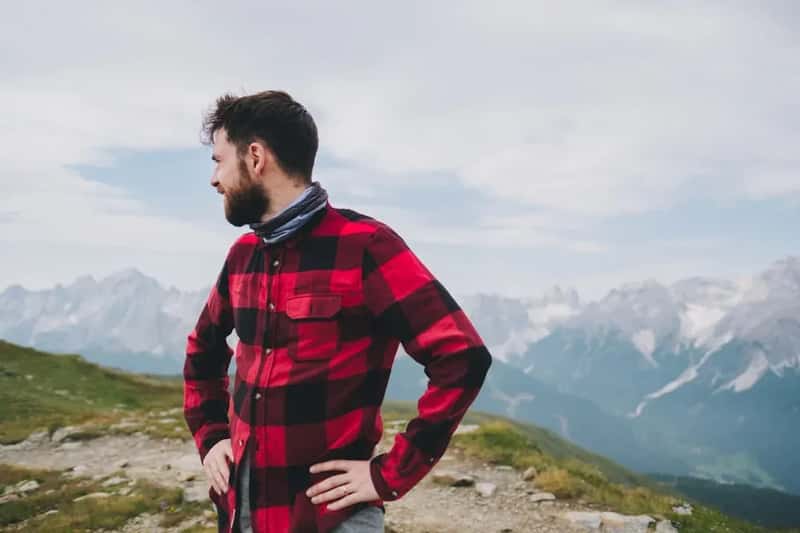
The most common trail mistake is something almost embarrassingly simple. The biggest mistake is often not planning adequately for a hike. Hikers regularly anticipate the outbound portion without fully accounting for the return journey, even if it’s mostly downhill. Going down is not as easy as it sounds. Your knees know.
A trail that takes two hours out takes two hours back. Not preparing for changing weather can be uncomfortable or life-threatening, along with miscalculating daylight and hiking in the dark. The greatest enemies of a tired, underprepared hiker are panic, confusion, and lack of action.
12. Getting Too Close to Elk During Calving Season
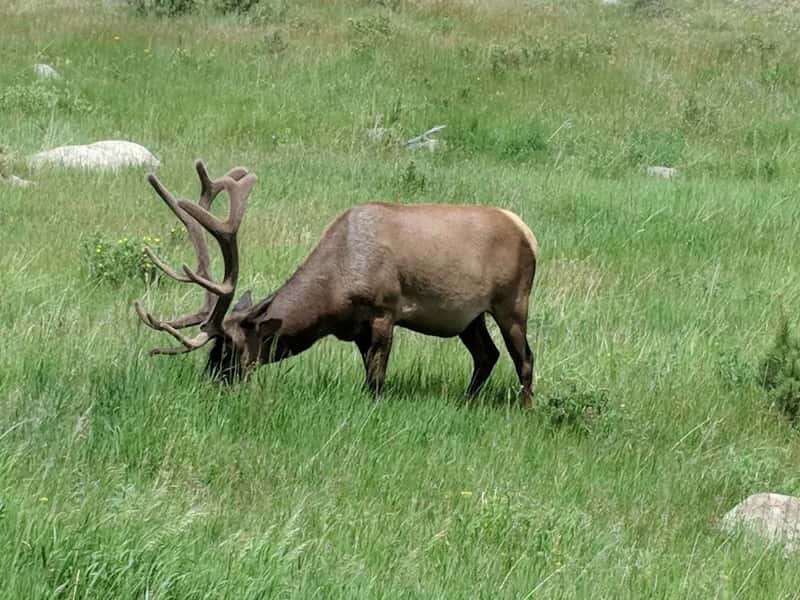
Elk attacks aren’t just a Yellowstone story. In June 2024, an elk stomped a human and caused injuries for the third time in just two weeks in Estes Park, Colorado, prompting warnings of unprecedented elk behavior during calving season near Rocky Mountain National Park.
The rapid succession of elk attacks was described as “unprecedented” by officials. It was the likely result of calving season, during which cow elk are more likely to charge and chase perceived threats to their newborns. This period typically lasts from late spring through early summer. A mother elk defending her calf is not a photo opportunity. She’s a 700-pound problem moving at 35 miles per hour.
13. Hiking in the Middle of the Day During Summer
A common mistake people make is thinking they can beat the heat. By 2 p.m., the temperature often peaks, and it takes a long time for the ground to cool down. At 95 degrees, the number of hikers requiring search and rescue increases by nearly 62 percent.
If hiking in any of the nation’s hottest parks, it is recommended to get out at sunrise and only plan on hiking for a couple of hours before temperatures start climbing dangerously. The desert doesn’t negotiate. Get out early, get back to shade, and save the afternoon for hydrating in camp.
14. Wearing the Wrong Footwear
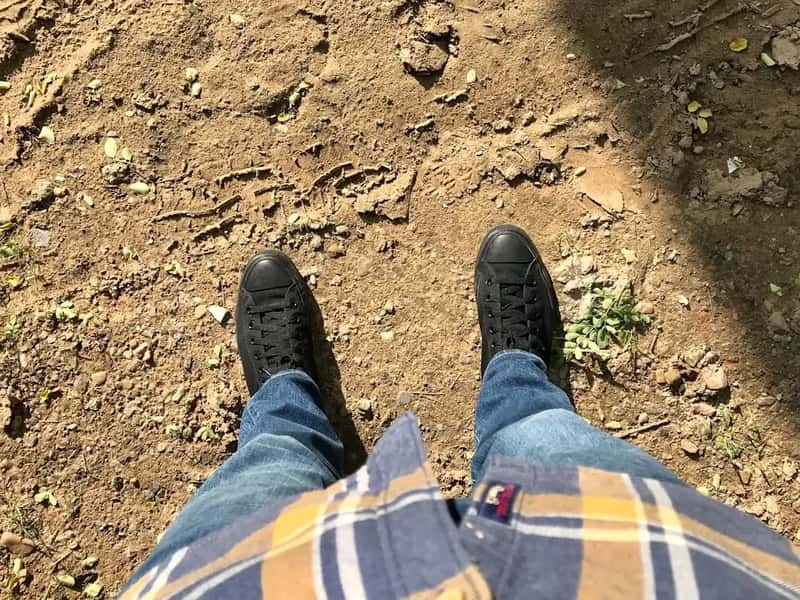
Let’s be real: people show up to national park trails in flip-flops more often than you’d think. It’s one of the most grimace-worthy sights a park ranger can witness. Falls and slips were the most common cause of fatal trail injuries in the top ten most visited national parks, accounting for nearly half of all incidents.
The most common injuries reported in a 2024 field survey of Rocky Mountain National Park hikers were ankle injuries. Ankle injuries are closely linked to inappropriate footwear on uneven terrain. Solid, well-fitted hiking boots aren’t optional gear, they’re your first line of defense against a nasty fall miles from the trailhead.
15. Not Checking the Weather Before You Go
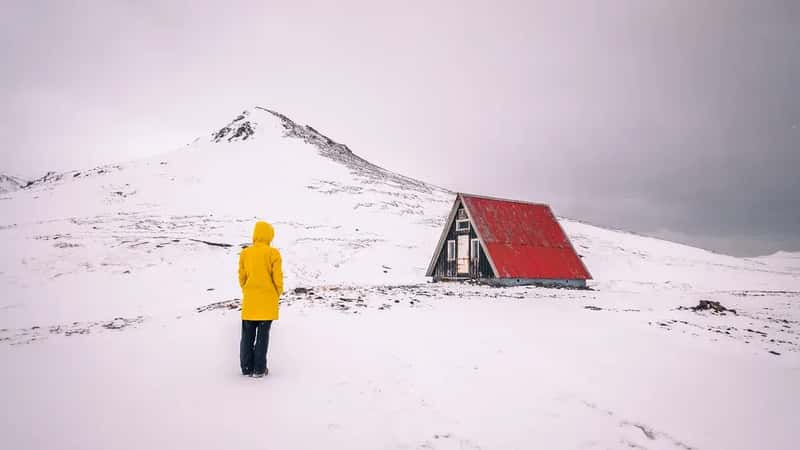
Mountain weather doesn’t behave like city weather. A bright, sunny morning can turn into a violent thunderstorm by early afternoon, and if you’re above the treeline when that happens, there is nowhere to hide. Weather can change quickly while hiking, and it is important to be prepared for all conditions. Check the weather forecast before you go and bring appropriate clothing and gear.
The most common close calls reported in a 2024 survey of Rocky Mountain National Park visitors were weather related, specifically being above tree line in a thunderstorm, followed by falls and near falls. Check the forecast, watch the sky, and if clouds start building over the summit, turn around. The mountain will still be there tomorrow.
16. Ignoring Hypothermia Risk in Summer
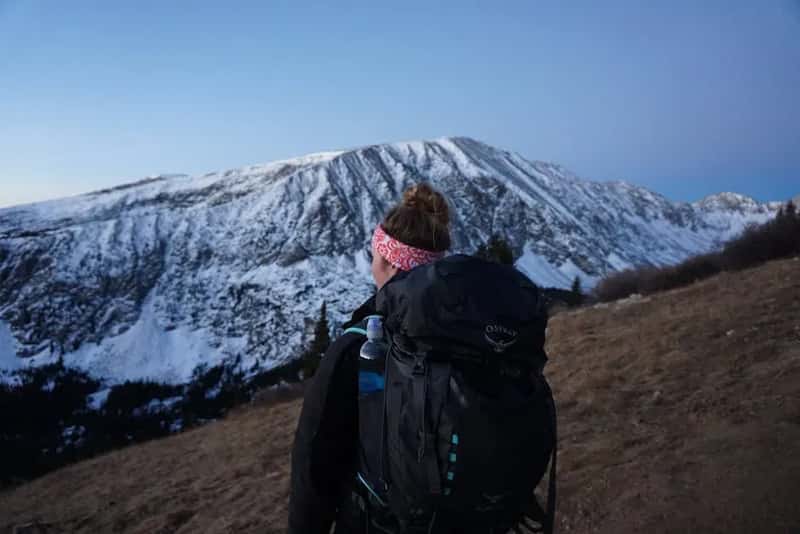
This one shocks people every year. Hypothermia in summer sounds absurd until you’re standing soaking wet at 11,000 feet with the wind picking up. Rocky Mountain National Park’s lowest point is 7,630 feet while the highest sits at 14,259 feet. That means while it might be a hot, sunny day at the trailhead, you could end up shivering at the summit even on a summer hike.
Hiking in cold conditions can lead to hypothermia and frostbite. Hypothermia occurs when the body loses heat faster than it can produce it, leading to a dangerously low body temperature. Symptoms include shivering, confusion, and loss of coordination. Layer up. Always carry a waterproof shell. Your cotton t-shirt is working against you.
17. Trusting Your Phone as a Navigation Device
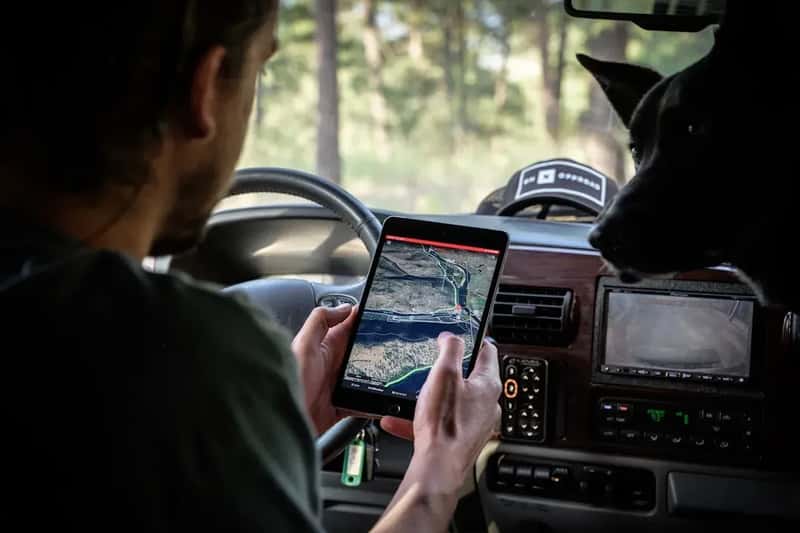
Cell service in national parks is notoriously unreliable. GPS-only apps drain battery at an alarming rate, and if your phone dies three miles deep in the backcountry, you’re navigating by guesswork. It is strongly advised not to rely on cell phone reception, and to have an emergency plan in place before entering a park.
Be aware that cell phone service may be limited in many parks, and use traditional navigation methods such as a printed map and compass when necessary. A waterproof paper map weighs almost nothing and never loses battery. It’s old technology that still saves lives.
18. Swimming in Undesignated Water Areas
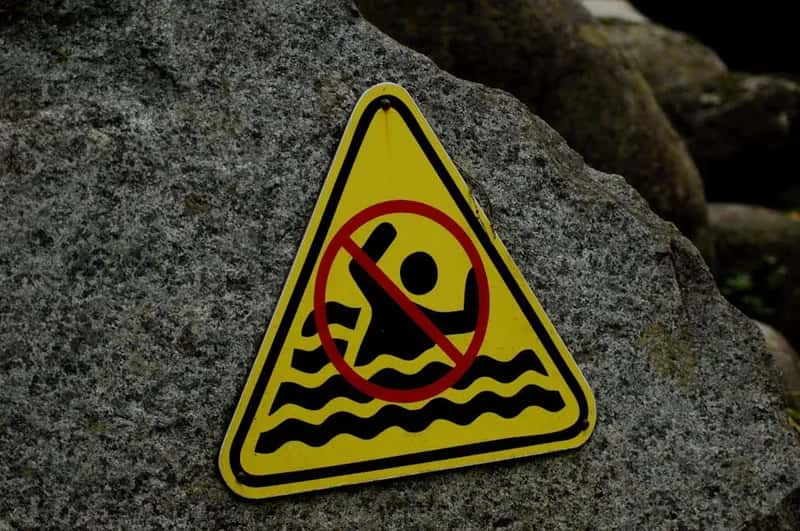
Water in national parks can look inviting and harmless. It frequently isn’t. Lake Mead National Recreation Area led the nation in drowning deaths. Drowning was the leading cause of death there, with 110 drowning deaths over the study period, more than double that of the next highest park, Cape Hatteras National Seashore with 51.
Virgin Islands National Park sees six deaths per million visitors, with the leading cause being drowning. Cold mountain water creates a shock response that can incapacitate even strong swimmers within seconds. Even in warm water, submerged rocks, unexpected currents, and undertow make casual swimming a serious gamble.
19. Ignoring the Danger of Falling Rocks and Unstable Terrain
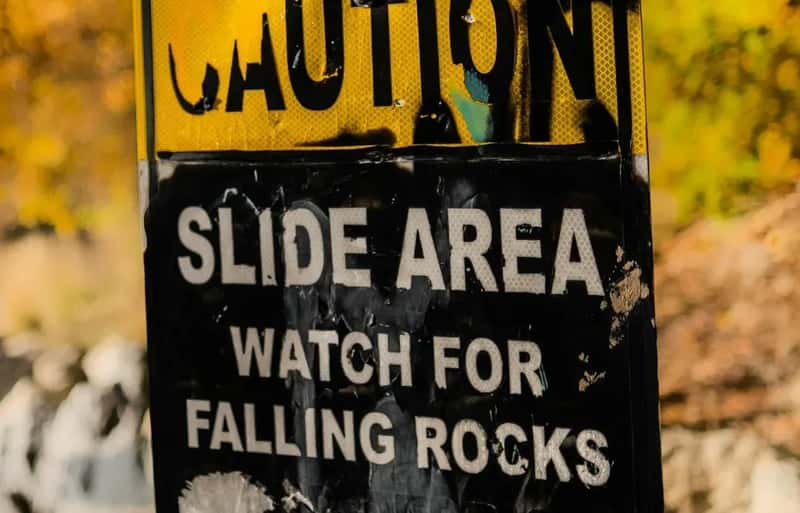
It’s not just falling off cliffs that gets visitors in trouble. Falling from height is one of the most common causes of death in national parks, and a smaller but significant number of visitors die when vegetation or loose rocks fall and crush them. You don’t always have to go off the edge. Sometimes the mountain comes to you.
Waterfall areas in many parks are rugged and slippery, and park visitors are regularly warned to stay on designated paths, away from unstable rock surfaces near the falls. The problem is that people see others standing on those rocks and assume it must be safe. It only takes one moment for that assumption to go catastrophically wrong.
20. Flying Drones Without Permission
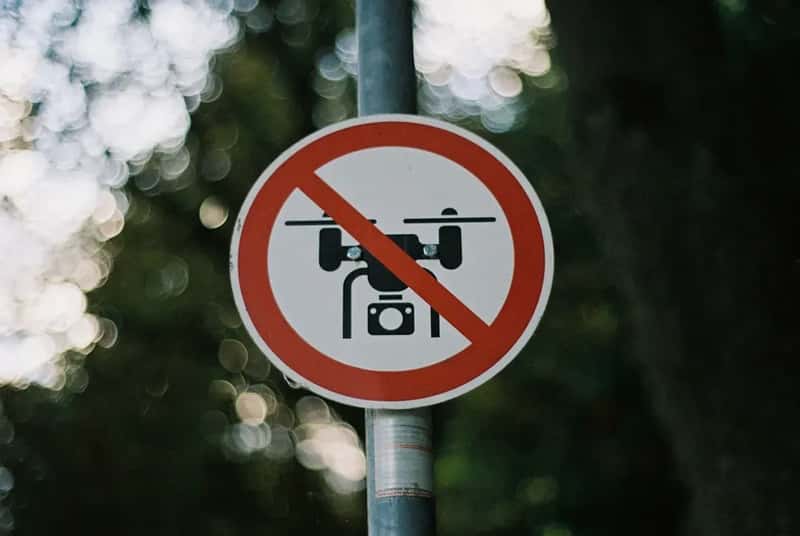
Drones have become a surprisingly common source of trouble in national parks. Operating, launching, or landing unmanned aircraft such as drones is prohibited anywhere in Yellowstone under federal regulation. This rule exists because drones disturb wildlife, threaten visitor safety, and interfere with emergency operations including wildfire response and medical airlifts.
The same rule applies across most of the national park system. Drone violations can lead to significant fines and even criminal charges. Think about the moment you buzz a nesting raptor with a quadcopter and trigger a wildlife incident. Not exactly the story you wanted to bring home from vacation.
21. Taking Natural Objects as Souvenirs
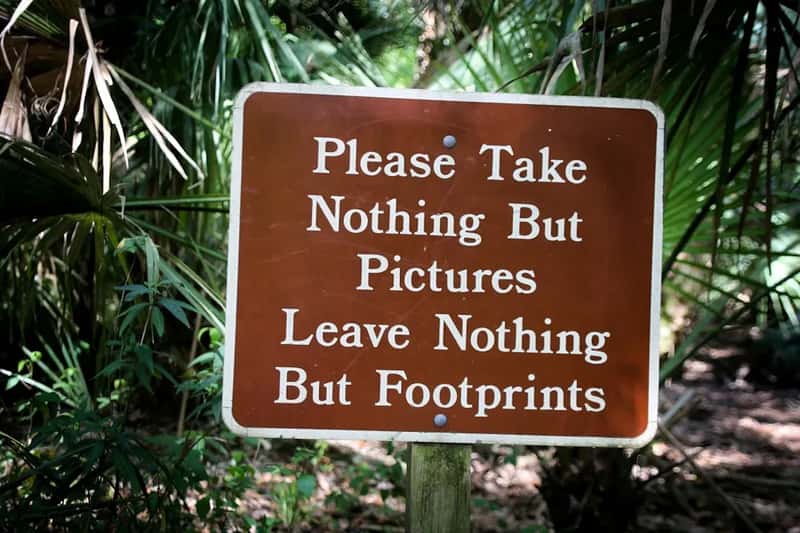
A rock from the Grand Canyon. A wildflower from Glacier. A piece of petrified wood from Petrified Forest. These small acts of collection happen thousands of times every year, and every single one is a federal violation. It is illegal to remove or possess natural or cultural resources from national parks. Items such as rocks, wildflowers, bones, antlers, and archaeological artifacts must remain untouched. Even small disturbances can disrupt wildlife habitats and degrade scientific and cultural research. The park is a protected museum of natural history, not a place to collect souvenirs.
The fines can be steep and the damage is cumulative. If every visitor took just one small rock, the landscape would change irreversibly within a generation. That’s not hypothetical, it’s mathematics.
22. Misjudging the Grand Canyon’s Heat
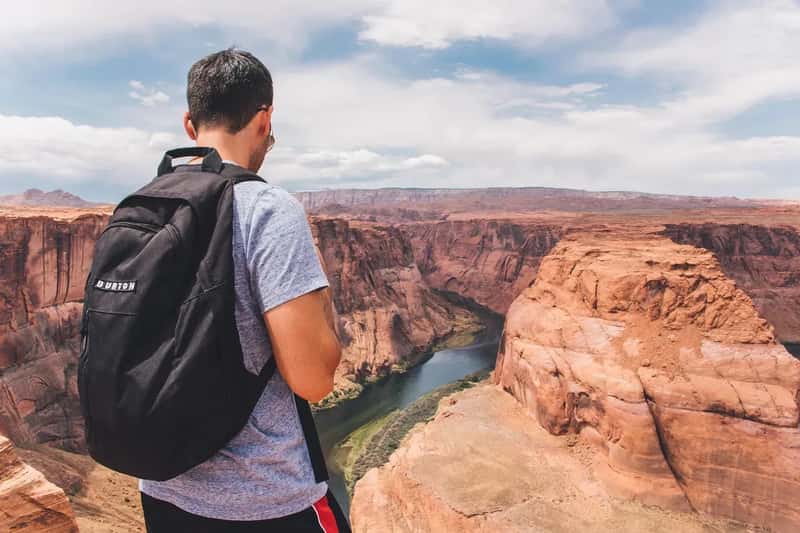
The Grand Canyon is one of the most uniquely dangerous places in the park system, not because of dramatic falls, but because of heat. Surprisingly, falls are not the leading cause of death at the Grand Canyon. Most deaths there are due to medical or natural causes, as temperatures soaring during peak summer visitation season often exacerbate pre-existing medical conditions through heat, dehydration, and sun exposure.
The Grand Canyon sees an average of 12 deaths per year, caused by falls, medical problems, heat, traffic accidents, and drowning. The canyon creates its own brutal microclimate. The descent is deceptively easy, and by the time you realize you’ve been fooled, you’re miles below the rim with an empty water bottle.
23. Men Taking Disproportionate Risks
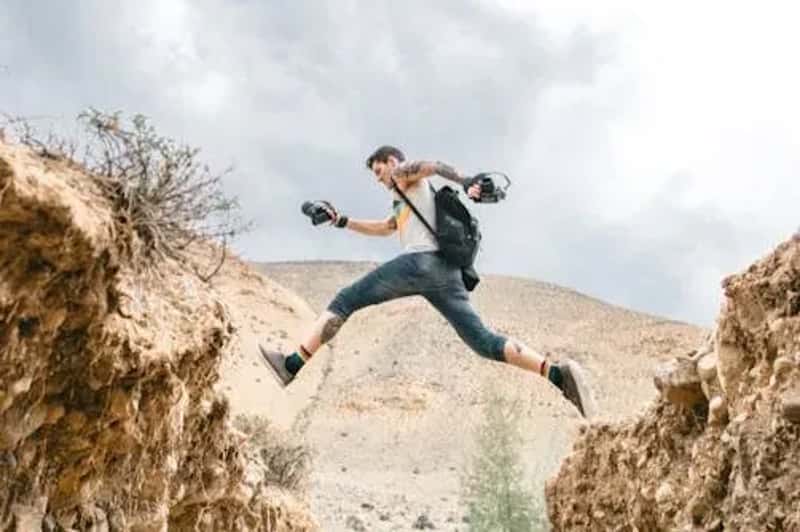
This is a pattern backed by consistent data, not a generalization. Men make up a disproportionate number of national park deaths, accounting for 83 percent of total fatalities across the national park system from 2007 to 2024. That is a staggering imbalance.
In a detailed study of the top ten most visited national parks, males accounted for roughly 71 percent of fatal injuries. Risk tolerance, overconfidence, and the tendency to push through warning signs rather than retreat appear to be consistently contributing factors. There’s no shame in turning back. The best hikers know exactly when to do it.
24. Visiting in Winter Without Knowing the Added Risks
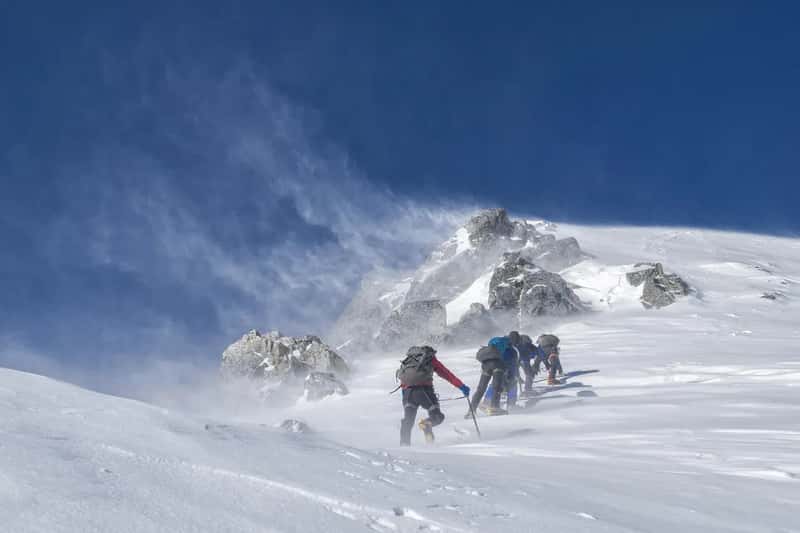
Winter in a national park looks magical in photographs. In person, it’s a completely different environment requiring specialized gear, knowledge, and respect. While summer had the highest total number of fatal injuries in major national parks, when adjusted for the number of visitors, the risk of fatal injuries was significantly higher during the winter season.
Exercise caution around all snowfields and glaciers, which present serious hazards. Snow bridges may conceal deep crevasses on glaciers or large hidden cavities under snowfields. People who try to slide on snow banks often lose control and slide into rocks or trees. The scenery is spectacular. The margin for error is not.
25. Speeding Through Wildlife Zones on Park Roads
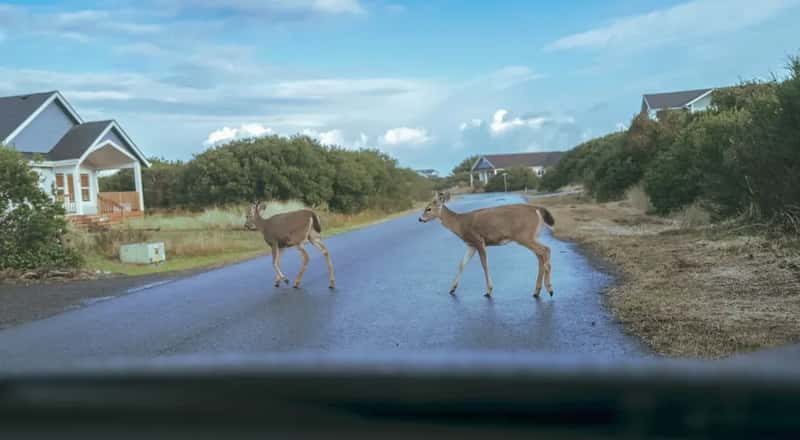
National park roads are not highways. Wildlife crossing is constant, unexpected, and completely unpredictable. In one widely cited incident, an adult male black bear was struck and killed by a vehicle near a highway in Yellowstone’s northwestern section. Later that same evening, a second adult male black bear was struck and killed by another vehicle on the same highway.
These aren’t isolated events. In the same reporting period, one elk and one bison were hit by separate vehicles in the same park. Speeding doesn’t just threaten the driver. It destroys irreplaceable wildlife, endangers fellow travelers, and can easily send a vehicle off a mountain road curve.
26. Camping in Undesignated Areas
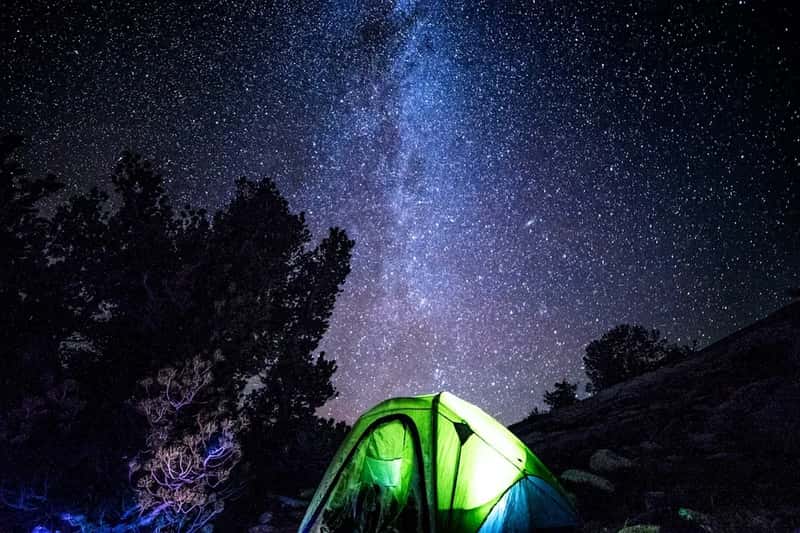
Backcountry camping has exploded in popularity, which has come with a flood of people setting up tents wherever looks scenic, ignoring permit systems and designated sites entirely. Camping is restricted to designated campgrounds and backcountry permit sites under federal regulation. This protects vegetation, prevents overcrowding, limits human impact on wildlife habitat, and ensures that proper waste and food-storage protocols are maintained to prevent bear conflicts.
Campers in Yellowstone must use designated camping areas and store food and trash properly to avoid attracting bears and other wildlife. Leaving food accessible near a campsite is an invitation to a bear encounter that can turn dangerous very quickly, and it conditions the animal to seek out human camps in the future.
27. Overconfidence on Summit Trails
There is a specific type of visitor who arrives at a national park in excellent physical condition and assumes that translates directly into trail competence. It does not. Hiking trails can be longer and more difficult than they appear. Always research the trail and make sure you are physically and mentally prepared for the specific hike.
Most hikers, even experienced ones, spend too much time worrying about low-probability threats like bears and mountain lions, and not enough time on the dull but genuinely common dangers like germs, blisters, and hypothermia. A 14er summit attempt by someone who’s only trained on flat terrain is a recipe for an emergency helicopter call. Know what you’re getting into before you start climbing.
28. Treating a National Park Like a City Park
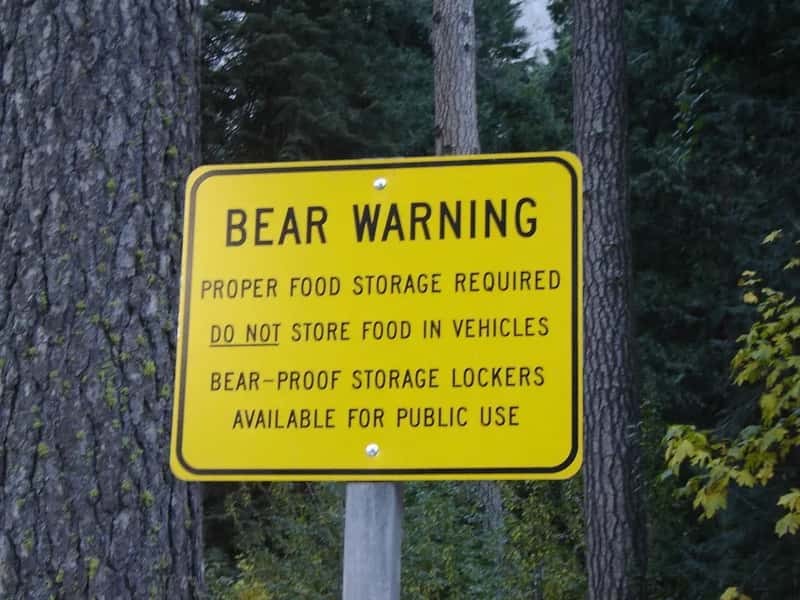
This is perhaps the root cause underneath nearly every other mistake on this list. Some visitors treat national parks as recreational spaces similar to city parks or zoos, when in reality they are dynamic and sometimes hazardous natural environments. The consequences of that mindset mismatch show up in the data year after year.
Visitation to U.S. national parks has increased substantially in recent years, and with more visitors comes a greater likelihood of incidents. The National Park Foundation strongly suggests researching a park before heading out, checking conditions and alerts, and assessing your physical limits realistically, as well as those of your group. The wilderness operates by its own rules, not yours. The sooner visitors internalize that, the safer everyone becomes.
What’s most surprising isn’t the danger itself. It’s how consistently preventable these tragedies are. Did any of these mistakes catch you off guard? Tell us in the comments below.