The world has never been more connected, yet some borders remain stubbornly closed while others swing wide open. Moving abroad used to be a privilege reserved for diplomats and adventurers, but today millions of people are packing up their lives and relocating across continents. There were approximately 281 million international migrants worldwide in 2023, representing about 3.6% of the global population. That number keeps climbing year after year. Still, not every country welcomes newcomers with the same enthusiasm, and some places make it nearly impossible to settle permanently, no matter how determined you are. So let’s explore where expats are thriving in huge numbers and where they face walls that might as well be made of steel.
United Arab Emirates: A Magnet for Global Talent

The UAE, particularly Dubai and Abu Dhabi, has built its entire modern identity around attracting foreign workers and residents. Roughly 88% of the UAE’s population consists of expatriates, according to the Gulf Labour Markets, Migration and Population Programme’s 2024 report. That’s one of the highest percentages anywhere on Earth. The country offers tax-free salaries, world-class infrastructure, and a lifestyle that blends luxury with opportunity, making it irresistible for professionals from India, Pakistan, the Philippines, the United Kingdom, and beyond. The visa process is relatively straightforward if you have a job offer, and the government has introduced long-term residence visas for investors, entrepreneurs, and skilled workers. Of course, permanent residency remains elusive for most people since citizenship is nearly impossible to obtain unless you’re born Emirati, but that hasn’t stopped millions from calling it home.
Saudi Arabia: Opening Doors Under Vision 2030

Saudi Arabia historically kept tight control over who could enter and stay, but things have shifted dramatically in recent years. The kingdom now hosts around 13.5 million expatriates, making up roughly 38% of its total population. Crown Prince Mohammed bin Salman’s Vision 2030 initiative aims to diversify the economy away from oil, and that means importing talent from across the globe. Expats from India, Egypt, Pakistan, Bangladesh, and the Philippines dominate the workforce, especially in construction, healthcare, and hospitality. Saudi Arabia introduced the Premium Residency program in 2019, allowing foreigners to live and work in the country without a Saudi sponsor for the first time. It’s still not easy to become a Saudi citizen, but the barriers to living there long-term have dropped significantly.
Australia: The Land of Opportunity Down Under

Australia has long been a favorite destination for English-speaking expats seeking sunshine, high wages, and a laid-back lifestyle. As of mid-2024, roughly 30% of Australia’s population was born overseas, totaling about 8 million people. The United Kingdom, India, China, New Zealand, and the Philippines are the top source countries. Australia’s points-based immigration system rewards youth, education, work experience, and English proficiency, making it accessible for skilled workers in fields like healthcare, engineering, IT, and trades. The country also offers pathways to permanent residency and eventually citizenship, which sets it apart from many other expat hotspots. It’s not exactly a walk in the park to get approved, and processing times can stretch on, but Australia remains one of the few wealthy nations actively encouraging immigration.
North Korea: A Fortress Nation

Let’s be real, North Korea isn’t on anyone’s list of dream destinations, and the government wants to keep it that way. The Hermit Kingdom operates under one of the most restrictive immigration policies on the planet, with virtually no foreigners allowed to live there permanently. The only expats you’ll find are diplomats, a handful of aid workers, and some Chinese businesspeople operating under strict supervision. According to estimates from various international organizations, fewer than 1,000 non-diplomatic foreign residents live in the entire country. Even tourists face intense scrutiny, are only allowed on guided tours, and must follow rules that would seem absurd anywhere else. The idea of moving to North Korea voluntarily is almost laughable unless you happen to be fleeing something worse, and even then, you’d probably be better off elsewhere.
Bhutan: Paradise With a Price Tag

Bhutan is famous for measuring Gross National Happiness instead of GDP, but that philosophy doesn’t extend to welcoming foreigners with open arms. The small Himalayan kingdom maintains extremely strict immigration policies to preserve its culture and environment. Tourists must pay a daily fee of $200 during peak season just to visit, as mandated by the Tourism Council of Bhutan in 2023. Actually living there is nearly impossible unless you marry a Bhutanese citizen, and even then, naturalization can take decades. The country had fewer than 500 foreign residents outside of diplomats and aid workers as of 2024. Bhutan’s government prioritizes protecting its unique Buddhist culture and preventing the kind of rapid development that has transformed other nations, which means keeping the population small and homogeneous.
Eritrea: Isolation By Design
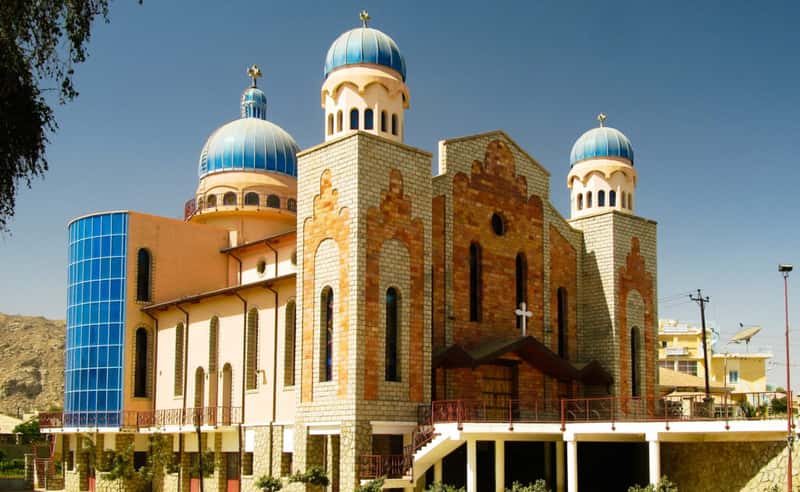
Eritrea, located in the Horn of Africa, operates as one of the world’s most closed societies. The government tightly controls who enters and leaves, and foreigners are rarely granted permission to live there permanently. The country has a mandatory, indefinite national service program that essentially traps its own people, so why would it welcome outsiders? Estimates suggest fewer than a few hundred non-African Union diplomats and humanitarian workers reside in the country at any given time. The political climate is authoritarian, information is heavily censored, and the economy is struggling, making Eritrea an unlikely choice for anyone seeking a new home abroad.
Turkmenistan: The Forgotten Dictatorship

Turkmenistan rarely makes headlines, but it operates under one of the most bizarre and restrictive governments in the world. The Central Asian nation’s authoritarian regime tightly controls all aspects of life, including who can enter and stay. Foreign nationals can visit on tightly controlled tourist visas, but long-term residence is limited almost exclusively to diplomats and employees of foreign energy companies working in the natural gas sector. The government requires foreign workers to obtain special permits that are difficult to secure and can be revoked without explanation. Estimates suggest only a few thousand expats live in the capital, Ashgabat, most of them connected to the oil and gas industry or diplomatic missions.
Equatorial Guinea: Oil Wealth, Zero Immigration

Equatorial Guinea might have oil money, but it’s not exactly rolling out the welcome mat for foreigners hoping to settle down. The tiny West African nation has one of the highest GDPs per capita on the continent thanks to petroleum reserves, yet its immigration policies remain among the most restrictive. The country’s population of about 1.7 million includes only a small fraction of foreign residents, mostly oil workers from China, the United States, and Europe who are there temporarily. Getting a work visa requires sponsorship from an employer with government connections, and permanent residency is essentially unheard of for non-citizens. The authoritarian government maintains tight control over who enters the country, and corruption is rampant, making any legal process unpredictable. Unless you’re drilling for oil or working for an international organization, Equatorial Guinea isn’t likely to approve your application.
Vatican City: The Ultimate Exclusive Club

Vatican City is technically the smallest country in the world, and it’s also one of the hardest places to call home. The entire population of this city-state inside Rome is around 800 people, and almost all of them are clergy, Swiss Guards, or Vatican employees. Citizenship is granted based on employment and revoked once your job ends, making it purely functional rather than something you can pursue independently. There are no pathways to naturalization, no immigration lottery, and definitely no property you can buy to gain residency. You’d have to be appointed to a position within the Catholic Church hierarchy or join the Swiss Guard, which requires being a Catholic male from Switzerland with military training. It’s hard to say for sure, but Vatican City might be the most exclusive address on Earth.
So there you have it: four countries where expats are thriving in massive numbers and six places where the door is practically welded shut. Some nations have built their success on attracting global talent, while others cling to isolation, whether for cultural preservation, political control, or just plain old suspicion of outsiders. What would you choose: a tax-free life in Dubai or the impossible challenge of breaking into North Korea?