Booking a trip used to mean comparing a flight price and a hotel rate, then calling it done. These days, the real cost of a vacation often hides behind a maze of extra charges that only show up after you’ve already committed, sometimes not until you’re standing at checkout with your card in hand. Between rising local levies, mandatory hotel add-ons, and a growing list of entry fees, the gap between the advertised price and the actual bill has widened noticeably over the past two years.
The good news is that these patterns are predictable once you know what to look for. Below are three clear warning signs that a destination is going to cost more than the sticker price suggests, along with the real numbers behind each one.
1. The City Has Stacked Multiple Local Taxes on Top of Your Room Rate

Accommodation taxes used to be a minor line item, a few dollars per night at most. That’s no longer the case in many of the world’s most visited cities. Dutch hotel bills are rising through a different route, with lodging VAT increasing from 9% to 21% for short-stay accommodation in 2026.[1] On top of that, Amsterdam also charges a local tourist tax of 12.5% of the overnight price, excluding VAT, plus a day tourist tax of about eighteen dollars for cruise passengers.[1] That combination alone can add well over thirty percent to a hotel bill before you’ve spent a cent on food or activities.
Italy offers another example of how quickly these charges can climb. Milan has nearly tripled its tourist tax for the 2026 Winter Olympics year, with five-star and four-star hotels charging ten euros a night, a 317% increase from two years ago.[2] Scotland is joining the trend too, since Edinburgh will add a 5% visitor levy to paid overnight accommodation before VAT starting July 24, 2026, applying to hotels, short-term rentals, hostels, guest houses, bed-and-breakfasts, and caravan or campsites.[1] When a city rolls out a brand-new levy or dramatically raises an existing one within a short window, it’s a strong signal that the advertised nightly rate is only part of the story.
2. Hotels Advertise a Low Rate but Tack on Mandatory Resort or Destination Fees

Even with new transparency rules in the United States, mandatory hotel fees haven’t gone away, they’ve simply become easier to spot rather than disappearing. A NerdWallet analysis of more than 400 hotels found an average resort fee of thirty-five dollars per night in 2024, with fees of forty to fifty-five dollars per night common at destinations like Las Vegas and Hawaii.[3] These charges are billed as covering pool access, gym use, or WiFi, yet they’re not limited to actual resorts, as urban hotels and properties with no resort amenities at all have adopted them too.[3]
The Federal Trade Commission’s junk fees rule, which went live on May 12, 2025, doesn’t ban resort fees, destination fees, or any of the other surcharges travelers have come to dread, it simply requires hotels to include them in the advertised price.[4] Transparency hasn’t translated into lower costs, either. Transparency and reduction are not the same thing, and in Las Vegas, half the hotels on the Strip raised their resort fees in recent months.[4] If a hotel’s marketed rate seems unusually low for a major tourist hub like Las Vegas, Orlando, Miami, or Honolulu, that’s often the clearest sign a mandatory nightly fee is waiting to be added at checkout or, now, folded quietly into a higher total than expected.
3. Getting In Requires a Growing Stack of Entry, Access, or Authorization Fees
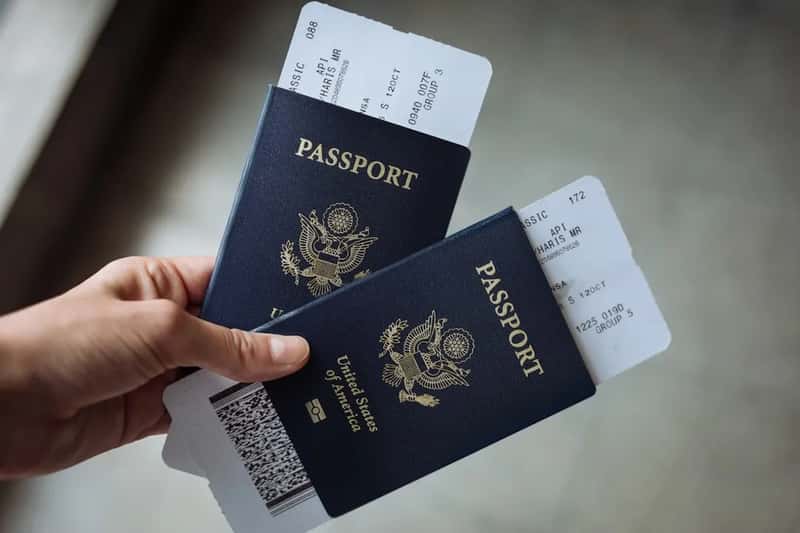
The cost of simply arriving somewhere has climbed sharply, and it’s easy to miss because these charges are often processed separately from flights and hotels. The US ESTA fee doubled to forty dollars in late September 2025, while the UK ETA rose to sixteen pounds after climbing from ten pounds earlier in the year.[5] The EU’s ETIAS system, expected to launch in late 2026, will add another seven to twenty euros per traveler for short-term visits to the Schengen zone.[4] None of these show up when you’re pricing out a flight, yet they’re mandatory for entry.
Popular sites are adding their own charges on top of national entry fees. The Venice Access Fee is a five euro charge applied to day-trippers entering the historic center during peak periods, costing five euros per person when booked in advance or ten euros for last-minute payments.[6] In Santorini and Mykonos, cruise passengers pay up to twenty euros in peak summer as part of broader seasonal levies to manage crowds.[5] Even land border crossings aren’t exempt, as the I-94 form for US land border entries jumped from six dollars to thirty dollars.[4] When a destination requires an electronic authorization, a day-tripper fee, and a separate attraction surcharge just to walk through the gates, expect the true cost of “getting there” to run noticeably higher than a flight search ever suggests.
None of this means these destinations should be crossed off a travel list. Venice is still Venice, and Amsterdam’s canals aren’t going anywhere. What’s changed is that the headline price on a booking site increasingly represents a starting point rather than a final number, and the gap between the two has grown wider and more common across both Europe and North America over the past two years.
The practical takeaway is simple: before booking, check whether a city has recently introduced or raised a lodging tax, search the specific hotel for resort or destination fees rather than assuming the listed rate is final, and factor in entry authorizations or local attraction fees tied to the actual dates of travel. A little research at the booking stage still beats an unpleasant surprise at checkout.