

Pull up a vintage menu from a 1960s resort hotel or roadside motor lodge, and you’ll find a lineup that reads less like dinner and more like a dare. Americans on vacation in that era ate things that were canned, jellied, flambéed, and wrapped in bacon – and considered them the height of sophisticated travel dining. These weren’t home-cooked oddities smuggled from the kitchen. They were proudly listed on laminated menus, served on linen tablecloths, and eaten without a single complaint.
The distance between what thrilled a 1960s vacationer and what a modern diner will actually order is wider than most people expect – and some of the gaps are genuinely hard to believe. It’s not just a matter of changing tastes. It’s a completely different theory of what “impressive” food even means. These 35 dishes ruled the vacation table back then. Today, they’d never make it off the kitchen pass.
#35 – Tomato Aspic Ring
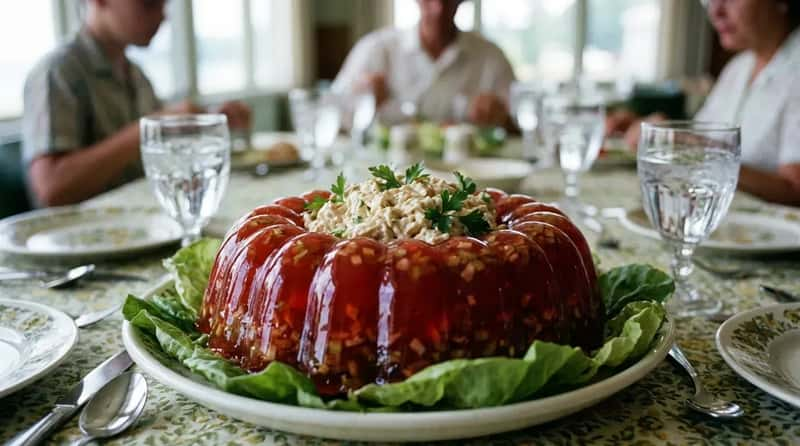
Gleaming on its lettuce-lined platter like a ruby crown jewel, tomato aspic was the pinnacle of sophistication at the 1960s vacation dining table. Hostesses held their breath as they unmolded it, hoping the jiggly, tomato-juice gelatin kept its shape long enough to impress. It was savory. It was cold. It wobbled. And somehow, it was considered elegant.
The tangy tomato base was sharpened with celery, onion, and Worcestershire sauce, and the hollow center was often filled with chicken or tuna salad – a complete meal in one dramatic presentation. People who remember these rings still light up talking about them. Today’s diner would not light up. They would quietly flag down the server and ask if there was pasta.
#34 – Salmon Mousse
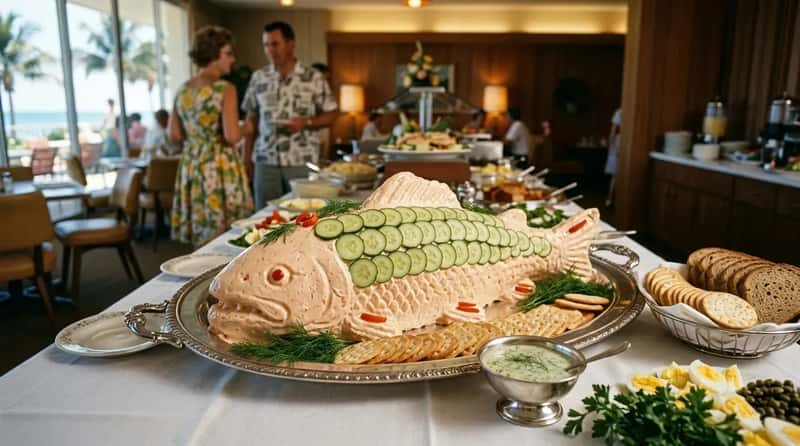
Fine dining in the 1960s was the era of beef Wellington and beef bourguignon – and right alongside those classics sat salmon mousse on resort buffet menus coast to coast. Blended from canned or poached salmon, whipped with cream cheese and gelatin, then pressed into a fish-shaped mold, it was meant to look impressive. It looked like a fish made of salmon paste. The gap between intention and reality was considerable.
Salmon mousse is one of those dishes that, by almost any honest account, deserves to stay on the culinary scrapheap of history. The combination of canned fish and wobbly gelatin is a genuinely difficult sell to anyone born after 1975. Today’s vacation buffet has ceviche, poke bowls, and crudo. The fish-shaped mousse has been firmly, mercifully retired.
#33 – Prune Whip
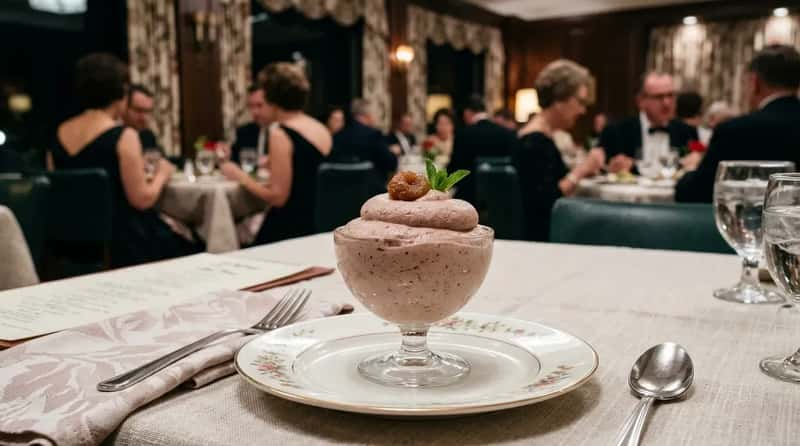
Prune whip was a dessert served at mid-century resort dining rooms that sounds exactly as uninviting as it is. Stewed prunes were pureed smooth and folded into whipped egg whites to create a light, airy mousse. Hotels at beach and mountain destinations listed it on dessert menus as a sophisticated finish to a meal. Guests ordered it without irony.
The problem isn’t just the prune – it’s the clinical, medicinal associations that follow it into the room. Tell a table of modern diners the dessert special is prune whip and the room goes noticeably quiet. It was a genuinely different era of what “dessert” was supposed to make you feel, and that era is not coming back.
#32 – Chicken à la King
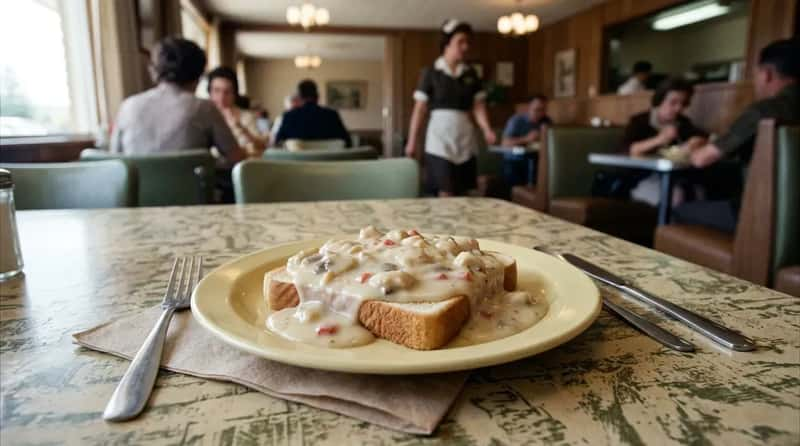
Chicken à la King had a fancy name, yes – but half the time it came from a can, scooped over toast, rice, or noodles, giving diners the comfortable illusion of class. It was a staple of resort dining rooms, motor lodge restaurants, and hotel coffee shops from coast to coast throughout the decade. The name did a lot of heavy lifting for what was essentially creamed chicken on a starch.
The dish was filling, beige, and aggressively cream-sauced. In an era that loved anything creamy and vaguely mysterious, that was enough to win. Today’s restaurant diner expects actual seasoning, vegetables with texture, and some kind of acid to cut through the richness. A bowl of lukewarm creamed chicken over white toast is not what anyone is scanning a menu for in 2025. The definition of comfort has evolved considerably.
#31 – Lime Gelatin Salad
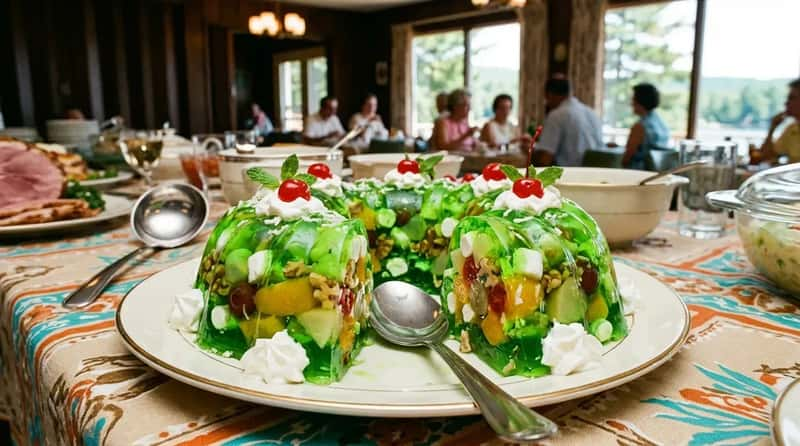
This fluorescent green lime gelatin salad was praised more for its appearance than its taste – packed with canned fruit, marshmallows, or even vegetables, and served as something festive and modern. The sweet artificial lime flavor paired with unpredictable textures left most guests taking politely small portions. Nobody complained. Nobody needed seconds.
It stands now as one of the clearest examples of how mid-century vacation food prioritized novelty over actual enjoyment. Jell-O actually introduced a line of savory flavors in the ’60s – celery, Italian salad, tomato – which tells you everything you need to know about the decade’s working theory of what gelatin was and was not supposed to do. The fluorescent green color alone would get this rejected on sight at any modern dining room.
#30 – Tuna Noodle Casserole
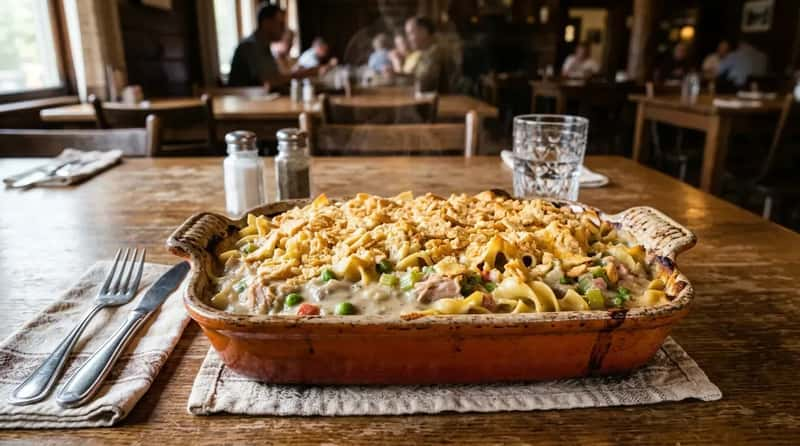
Tuna noodle casserole was a vacation-era staple at family resort restaurants and lodge dining halls – a bubbling pan of egg noodles, canned tuna, condensed cream of mushroom soup, and a crushed cracker topping. It was economical, filling, and deeply familiar to most American families of the era. Resort kitchens served it as a Friday dinner option, and nobody sent it back.
The core problem, viewed from any modern angle, is canned tuna suspended in condensed soup – a texture that today’s diners actively describe as wrong. Current menus have seared ahi, tuna tartare, and niçoise salads. A gray, cream-sauced casserole from a can cannot compete with any of those things. It’s not nostalgia at this point. It’s a hard no.
#29 – Liver and Onions
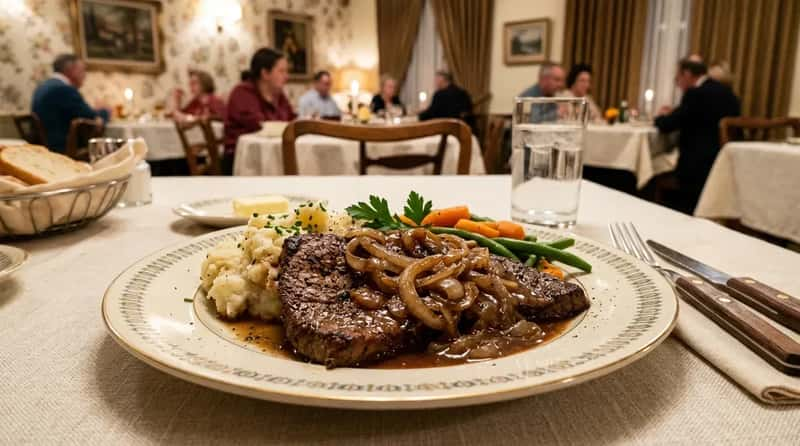
Liver and onions was considered a sophisticated, nutritious entrée at mid-century resort dining rooms – ordered by adults who genuinely liked it or by families following their doctor’s iron-intake advice. It appeared on genuine 1960s menus right alongside chicken gizzards and Spam plates without anyone raising an eyebrow. That was simply the landscape of acceptable dinner options.
Even at throwback establishments today, liver and onions is rarely ordered – and the regulars who do request it tend to have a fierce lifelong affinity for it born from childhood repetition. The gamey, iron-heavy flavor and grainy texture is a dealbreaker for most diners under 60. Vacation menus in 2025 are not featuring liver. That particular experiment reached its natural conclusion decades ago.
#28 – Creamed Chipped Beef on Toast
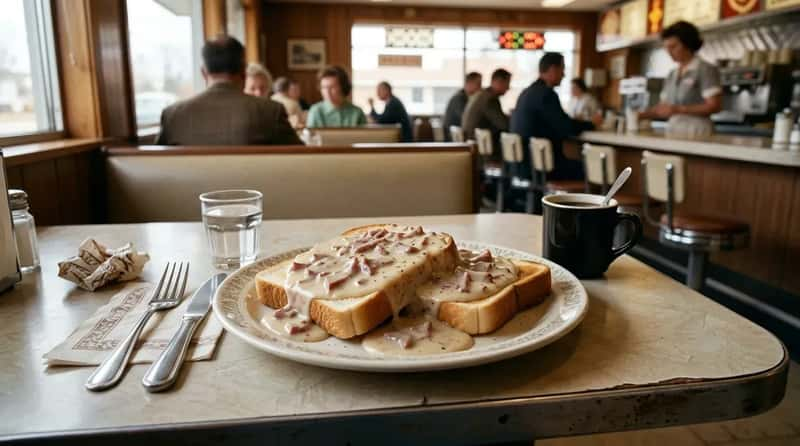
Creamed chipped beef on toast – known by its colorful military nickname – was a legitimate vacation breakfast and brunch offering at motor lodges and resort hotels throughout the 1960s. Thin slices of dried, salted beef were folded into a thick white cream sauce and ladled over white toast. It was cheap, salty, and filling. Hotels sold it as hearty American fare, and it delivered on exactly that promise.
The combination of dried meat, white sauce, and white bread produces a monochrome plate that has zero visual appeal by modern standards. Today’s hotel breakfast buffet competes with avocado toast, eggs Benedict, and smoothie bowls. Creamed chipped beef survives only in veteran diners and the memories of people who grew up eating it on road trips. It has no comeback path, and it isn’t really looking for one.
#27 – Stuffed Celery
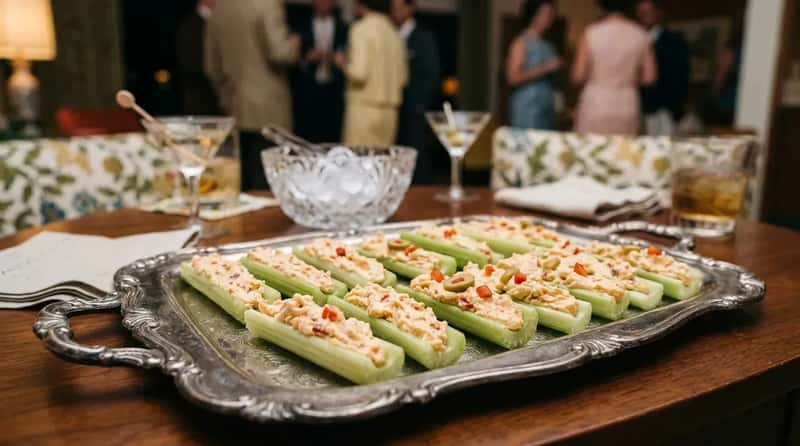
In the 1960s, celery wasn’t consumed as a health food – it was a vessel. Stuffed celery was a classic cocktail hour appetizer built around cream cheese and pimentos or olives, arranged on a serving tray with deliberate care and presented as something that required actual skill. It showed up at resort social hours and vacation dinners as a proper starter. Guests ate it standing up and called it sophisticated.
The problem with stuffed celery as a 2025 appetizer is that it is, stripped of all pretense, a stick of raw celery with cream cheese in it. Modern appetizer menus feature burrata, charcuterie, tuna crudo, and smashed cucumber salads. A celery log filled with pimento cream cheese does not belong at the same table as any of those things. The 1960s held a genuinely different definition of the word “appetizer.”
#26 – Molded Cottage Cheese Salad
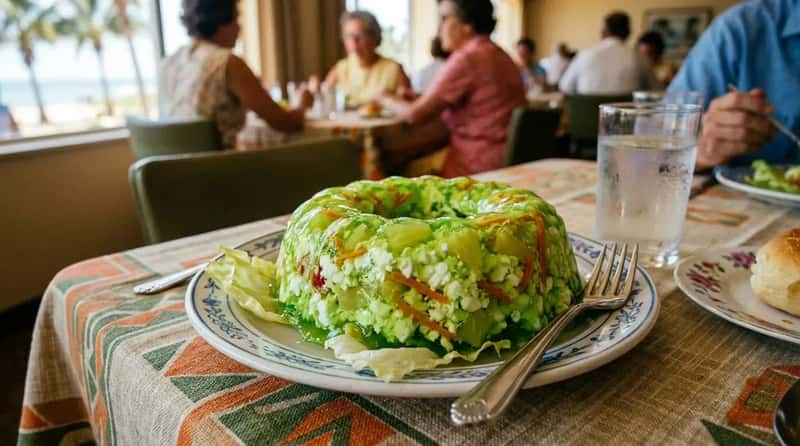
Imagine cottage cheese trapped in lime Jell-O, surrounded by pineapple chunks, shredded carrots, and something approaching despair. Molded cottage cheese salad was a textural experiment and a flavor puzzle – and yet it appeared regularly on vacation resort menus as a legitimate salad course. The cottage cheese provided protein, the gelatin provided structure, and the carrots provided absolutely nothing.
The “salad” label on dishes like this is part of what makes the 1960s food era so genuinely disorienting. There was no lettuce. There was no dressing. There was gelatin and dairy and canned fruit, chilled in a ring mold and unmolded onto a plate. Today’s diners have a clear working definition of what a salad is – and this isn’t anywhere near it. This would be sent back to the kitchen with a politely confused look and no further discussion.
#25 – Ham Encased in Lime Gelatin
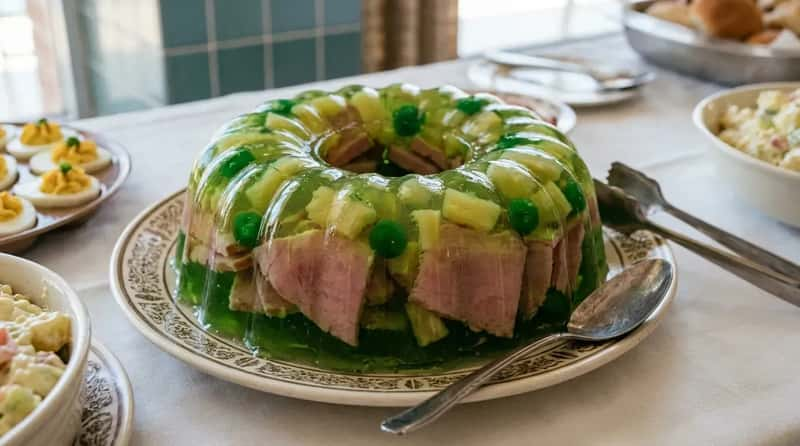
The 1960s was a time when canned soup was considered haute couture, and nobody blinked twice at glazed ham suspended in a savory lime gelatin mold. Resort chefs actually prepared this as a buffet centerpiece – something genuinely meant to impress guests. The ham was real. The lime gelatin was real. Together, they created something that is nearly impossible to explain to a modern audience without photographic evidence.
The four effective food groups of the 1950s and ’60s were meat, gelatin, dairy, and mayonnaise – and ham-in-gelatin checks two of those boxes in one impressive motion. Today’s diners would photograph it, post it in bewilderment, and then quietly eat somewhere else. It is the purest expression of mid-century culinary surrealism, and it belongs in a museum rather than under warming lights at a buffet.
#24 – Vichyssoise
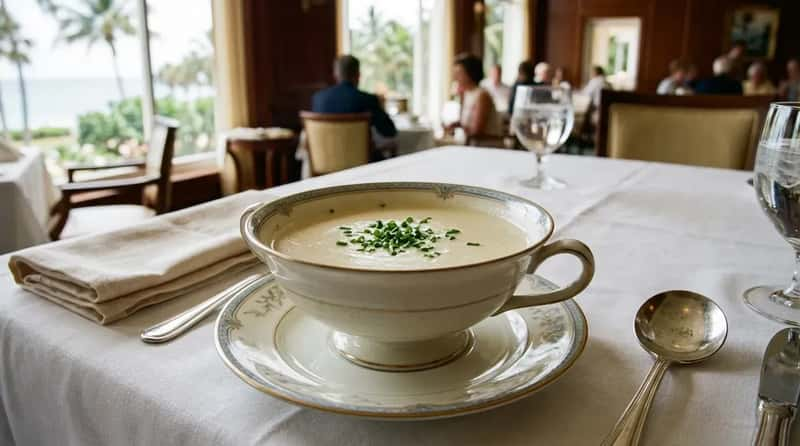
One of the most fashionable dishes of the 1960s was vichyssoise – a chilled soup of leeks, onions, and potatoes, blended into a purée with chicken stock and cream. Despite its French name, it’s believed to be an American invention from the kitchen at the Ritz Carlton New York. It graced vacation resort menus across the country as a first-course showpiece – cold, cream-colored, and served in a chilled bowl as a marker of refinement.
By the 1970s it was being sold in tins – but its popularity nosedived following a botulism outbreak in which one person died from a batch produced by Bon Vivant. That single food safety scandal effectively ended the vichyssoise era in America. The cold potato soup never recovered its prestige. Today’s diners who encounter it on a menu tend to assume it arrived by accident from a different century – which, technically, it did.
#23 – Beef Stroganoff
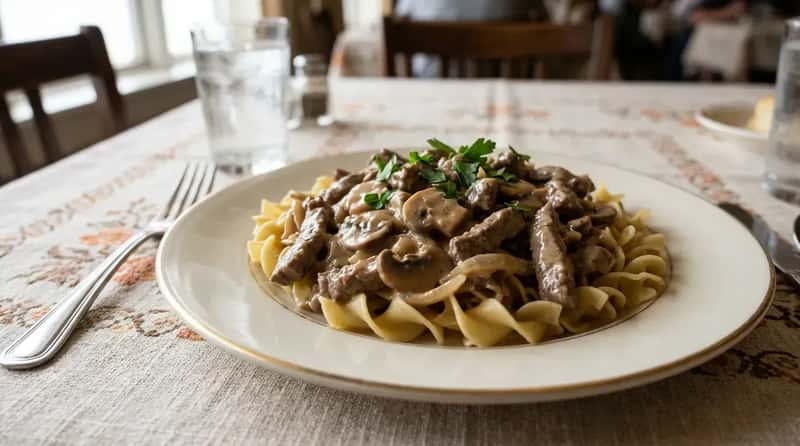
Beef rationing during World War II may be part of why stroganoff felt like an elevated dish when it appeared on 1960s resort menus – actual beef strips in cream sauce was still a genuine treat in living memory. Home cooks made it en masse, and vacation dining rooms listed it as the entrée of distinction. The thing you ordered when you wanted to feel like you were spending money wisely and eating well at the same time.
The issue with stroganoff in a modern dining context isn’t really the flavor – it’s the presentation. A beige pile of beef strips over egg noodles in sour cream sauce doesn’t photograph, doesn’t feel adventurous, and doesn’t suggest anyone in the kitchen had strong opinions about anything. Modern diners want bold, visible flavors and some evidence of intention. Stroganoff quietly moved from vacation resort menus to the home kitchen, where it still belongs.
#22 – Cherries Jubilee
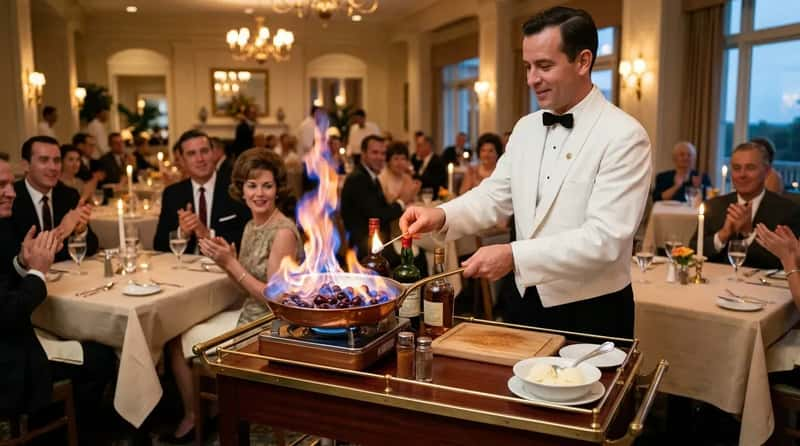
At one point in the 1960s, you couldn’t sit down at a resort dining room without seeing Cherries Jubilee on the dessert menu. Resort dining rooms loved the tableside drama – a server rolling a cart over to ignite brandy-soaked cherries over vanilla ice cream was pure theater, and guests leaned in for it. The flambé cart was a genuine event. People watched. People clapped.
The showy, tableside productions of the 1960s never vanished entirely, but the flambé cart has been largely replaced by tableside guacamole – which is safer, more practical, and frankly more satisfying. Cherries Jubilee isn’t offensive. It’s just deeply theatrical in a way that reads as dated the moment you encounter it. Most modern diners want their dessert to arrive quietly and taste remarkable. The fire show is no longer the point.
#21 – Bologna Cake
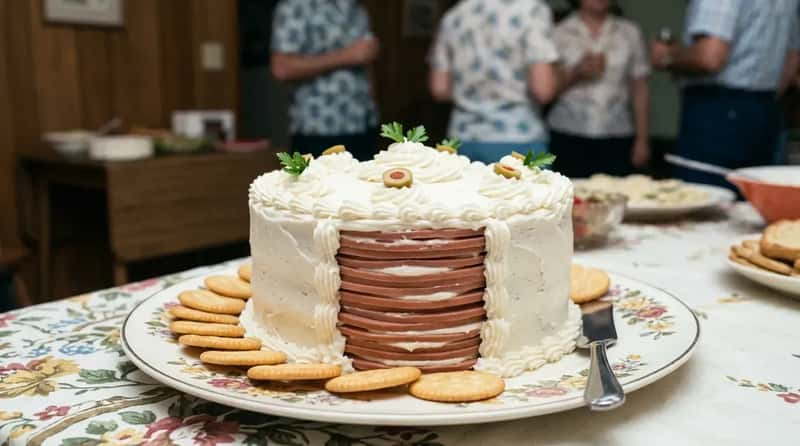
It looks like a dessert. It was served as an appetizer. Bologna Cake – a tower of bologna slices stacked and glued together with cream cheese, enrobed on the outside and piped to look like frosting, then served with crackers – was a real thing that appeared at 1960s vacation-era social hours and potlucks. It was presented with genuine pride. People considered it a conversation piece, and they were right, though not always for the intended reasons.
The combination of stacked processed meat and cream cheese piped to mimic cake frosting is the kind of culinary decision that only makes sense inside the 1960s American relationship with convenience foods. Show this to a modern brunch table and the response will land somewhere between laughter and genuine alarm. It belongs in a time capsule. Not on a menu. Not anywhere near a menu.
#20 – Chicken Tetrazzini
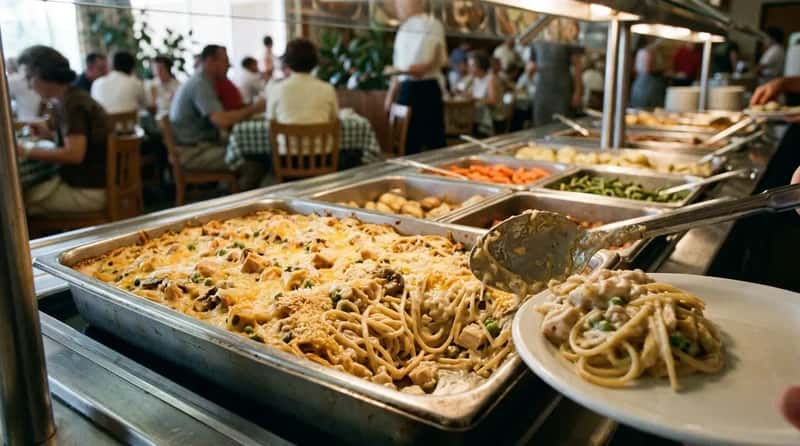
This creamy chicken pasta bake sounded fancier than it was – mostly because of the “Tetrazzini” part, which nobody could fully explain but everyone trusted. Named after opera singer Luisa Tetrazzini, the dish was essentially what happened when you had leftover chicken, a generous supply of condensed soup, and a love of casseroles. Vacation resort restaurants served it as a pasta course that felt vaguely Italian and was unmistakably, defiantly beige.
Today’s diners expect pasta dishes with fresh ingredients, visible technique, and some brightness to cut through the richness. A cream-sauced pasta bake served from a steam tray doesn’t meet any of those expectations. Chicken Tetrazzini was a firm product of mid-century American casserole culture, and it’s stayed there. It was a very specific era of what the word “Italian” meant to Americans, and that era closed without a forwarding address.
#19 – Ambrosia Salad
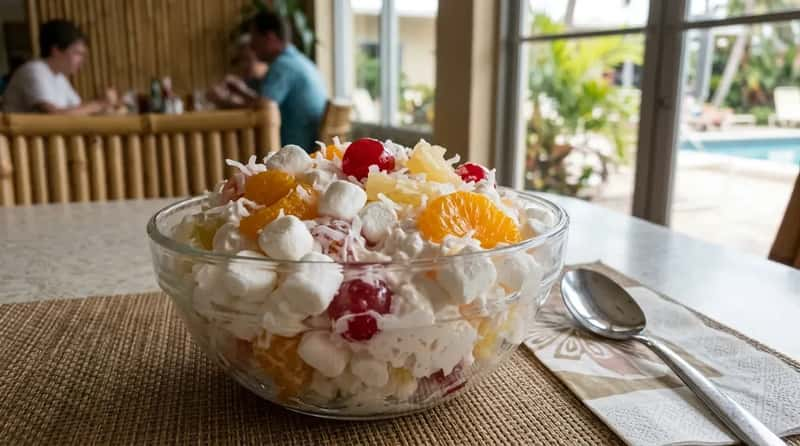
Ambrosia salad brought a tropical optimism to 1960s vacation dining tables. Canned mandarin oranges, canned pineapple chunks, shredded coconut, and miniature marshmallows folded into sweetened Cool Whip – resort dining rooms in Florida, Hawaii, and coastal destinations served it as both a side dish and a dessert simultaneously. The flexibility of the category was considered a feature, not a confusion.
Modern chefs have made genuine attempts to revitalize ambrosia using fresh fruit and real whipped cream, and some Southern restaurants have elevated it into something credible. But the original – canned fruit and a mountain of marshmallows in Cool Whip – would not survive a modern restaurant menu. It reads as dessert pretending to be a vegetable, and today’s diner, after one look at the ingredient list, is not going to be fooled.
#18 – Deviled Eggs with Sweet Pickle Relish
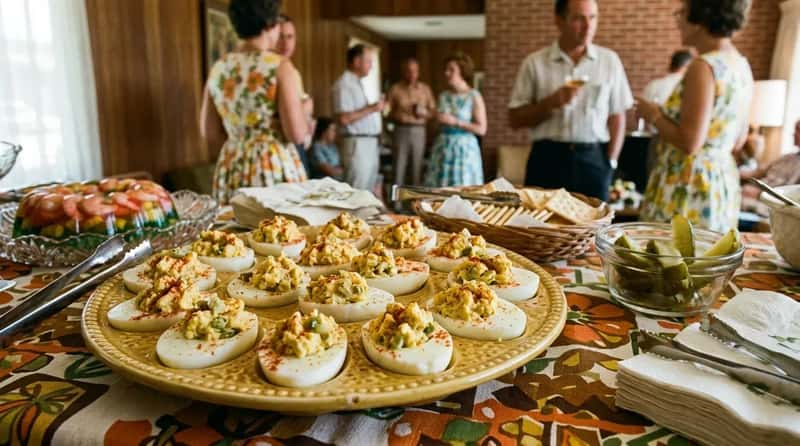
During the Mad Men era, Americans consumed nearly 600 million eggs at parties annually, mostly in deviled form. Deviled eggs were the anchor of every 1960s resort social hour and buffet spread. The classic vacation version loaded the yolk filling with sweet pickle relish, yellow mustard, and a hard dusting of paprika – a flavor profile that leaned aggressively sweet and tangy at the exact same moment.
The deviled egg itself has never really left – modern menus still serve them. But the 1960s vacation version, with its jarred relish sweetness and yellow mustard punch, is a very specific style that today’s chefs have moved far beyond. Current versions feature sriracha, crispy capers, smoked salmon, or truffle oil. The sweet-relish original feels like a different dish now. It was the era’s gateway appetizer, and it defined that gateway completely.
#17 – Pineapple Upside-Down Cake
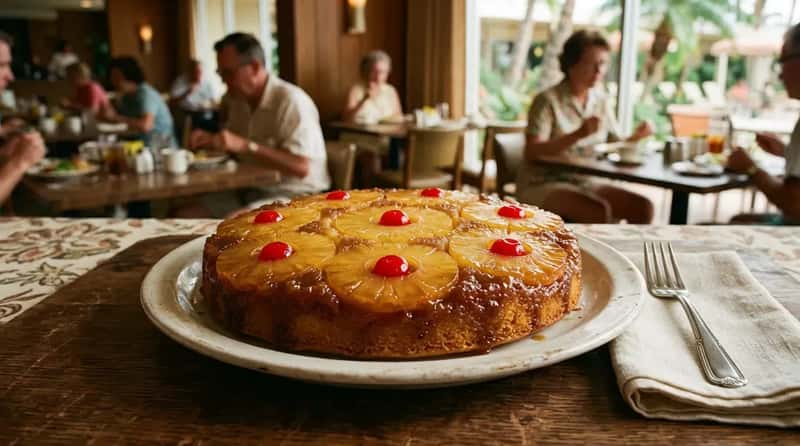
Those perfect rings of canned pineapple, each centered with a bright maraschino cherry, nestled into brown sugar glaze on top of buttery cake – it was pure kitchen theater. Resort restaurants baked these in cast iron and served them warm as the dinner dessert, and the dramatic flip from pan to platter was part of the experience. Guests genuinely looked forward to it. The caramelized edges alone were worth the wait.
Pineapple upside-down cake isn’t revolting by any stretch – but it has an unmistakably retro identity problem. The maraschino cherry alone, chemically bright and aggressively sweet, signals a very specific era of American baking. The canned pineapple rings are a second flag. Today’s dessert menus have moved toward fresh fruit, pastry cream, and plated elegance. This cake lives now in nostalgia and church potlucks, not in resort kitchens with any serious ambitions.
#16 – Fondue
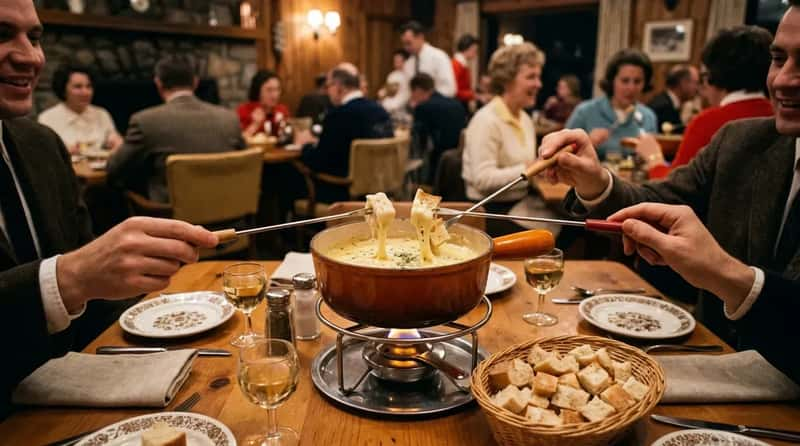
The 1964 New York World’s Fair featured fondue in the Swiss Pavilion, and America collectively lost its mind for it. Suddenly, vacation resort restaurants were rolling out fondue sets and charging premium prices for the experience of dunking bread cubes into melted cheese with long forks. It was the interactive dining experience of its era – communal, theatrical, and slightly dangerous in a way that felt exciting rather than concerning.
Fondue has made a genuine comeback as a home cooking trend, and fondue restaurants still exist as a novelty experience. But as a vacation resort staple representing the height of fine dining, it has aged awkwardly. The pot, the forks, the open flame, the table participation – it requires a level of social engagement that modern restaurant dining doesn’t typically accommodate or want. It went from fine dining anchor to theme night, and that’s a long fall.
#15 – Swedish Meatballs in Cream Sauce
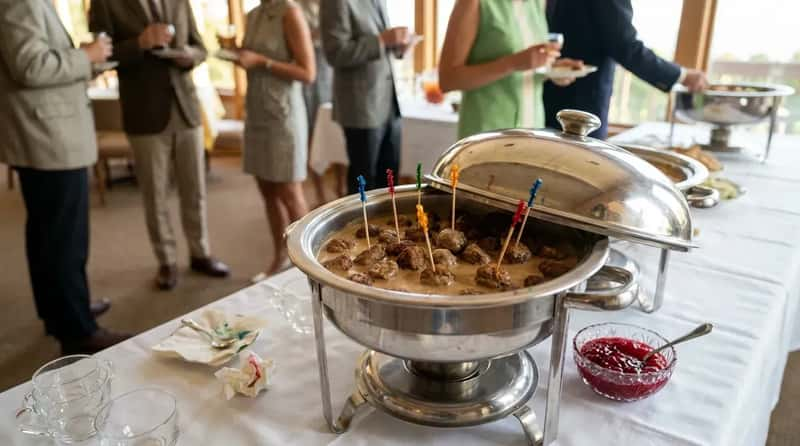
Swedish meatballs were the cocktail party hero of the 1960s – bite-sized, warm, skewered with toothpicks, and ladled from a chafing dish at every resort social hour imaginable. Usually beef or pork in a rich cream gravy with a side of lingonberry jam, they represented the era’s genuine excitement about international cuisine. A Scandinavian touch on an American buffet table felt genuinely cosmopolitan in 1965.
The version served in 1960s resort dining rooms was a heavy cream-sauce affair that reads as rich to the point of overwhelming by today’s standards. There’s also the cultural problem: IKEA has essentially owned Swedish meatballs’ identity in America for the past 30 years, and it’s nearly impossible to serve them at a vacation resort now without that association arriving at the table first. That’s a specific kind of culinary fate that no amount of lingonberry jam can reverse.
#14 – Steak Diane
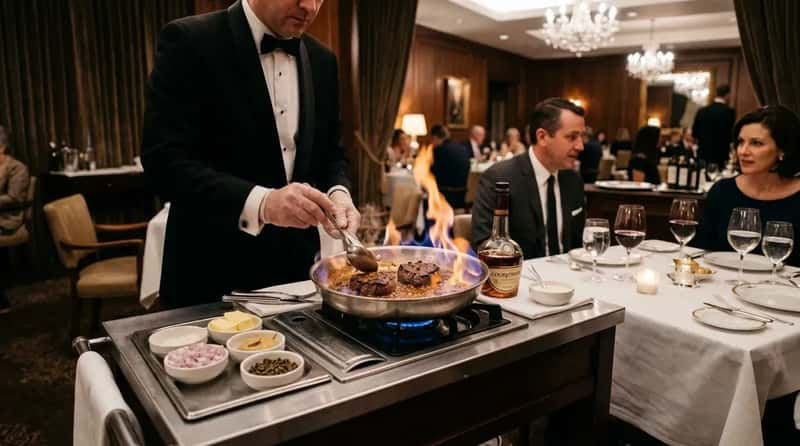
Throughout the 1950s and 1960s, Steak Diane epitomized Continental glamour – pan-seared steak finished tableside in butter, cognac, and mustard sauce, sometimes flambéed for maximum effect. Vacation resort steakhouses and hotel dining rooms used it as a signature dish. Ordering it meant you had taste, you had money, and you understood what a Continental dining room was supposed to feel like. It was that loaded with meaning.
Thanks to renewed interest in the classic recipes of Julia Child and Jacques Pépin, Steak Diane has started to reappear at a handful of ambitious restaurants – and the dish itself holds up when executed well. But in its original vacation resort form – the tableside cart, the dramatic flame, the heavy cream sauce pooling on a plate – it belongs to a very specific decade. The dish survived. The presentation ritual has not aged with anything approaching grace.
#13 – Waldorf Salad
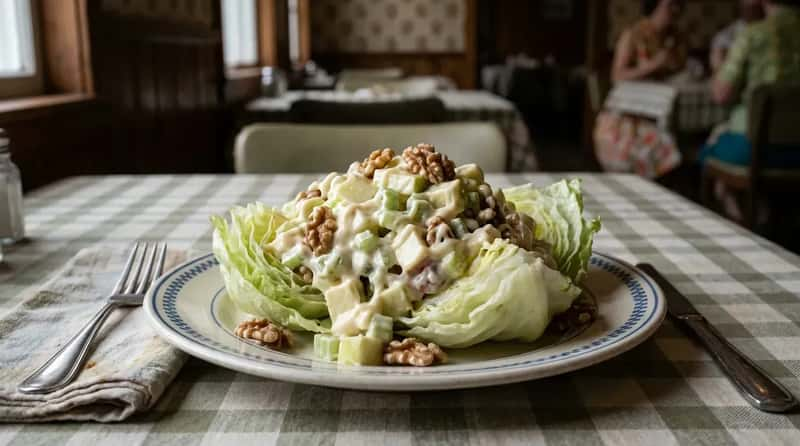
Invented at New York’s Waldorf-Astoria Hotel, the Waldorf salad – apple, celery, and walnuts in mayonnaise – had migrated from its luxury origins into every vacation resort dining room and hotel coffee shop in America by the 1960s. Usually served heavily dressed on a bed of iceberg lettuce, it was considered a sophisticated lunch choice: the kind of thing you ordered when you wanted to appear discerning without taking any real culinary risks.
The mayonnaise-forward dressing is the core problem that modern diners have with the classic Waldorf. It’s rich, it’s sweet, and nothing about it feels contemporary. Today’s fruit-and-nut salads use grain bases, vinaigrette, arugula, and toasted seeds. Ambitious chefs occasionally reimagine the Waldorf, but the original – mayo-dressed apple chunks on iceberg – is a genuinely hard sell to anyone who has eaten a salad in the past 20 years.
#12 – Jell-O Mold with Savory Fillings
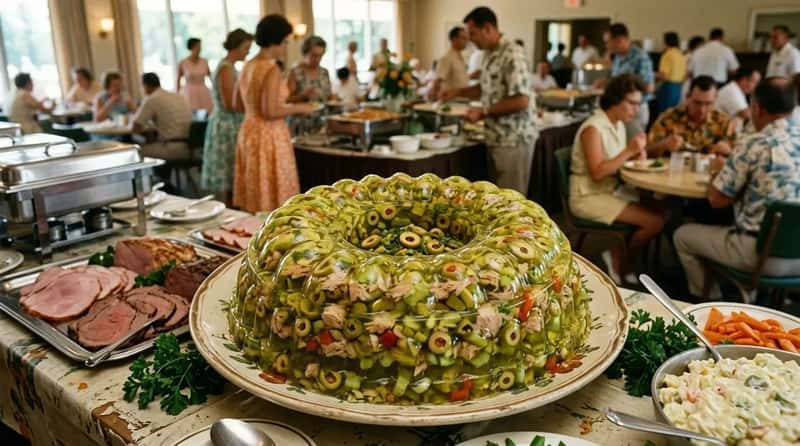
The 1960s saw the rise of elaborate Jell-O molds built on clever marketing campaigns and cookbooks promoting gelatin’s supposed versatility. Savory versions – filled with vegetables, olives, meat, or seafood – appeared regularly at vacation resort buffets as visually stunning centerpieces. 1960s cookbooks document recipes like Molded Avocado and Tuna with genuine enthusiasm. One 1967 recipe called for lemon Jell-O mixed with drained canned sauerkraut and pimentos.
The fact that someone wrote that recipe down, published it in a cookbook, and people made it for guests at vacation dinners is a genuinely staggering piece of American food history. Today’s diners would not touch a savory Jell-O mold with any utensil available to them. It occupies a special category of rejected food that exists entirely beyond rehabilitation – a category that has exactly one resident, and this dish is its permanent address.
#11 – Grape Jelly Cocktail Meatballs
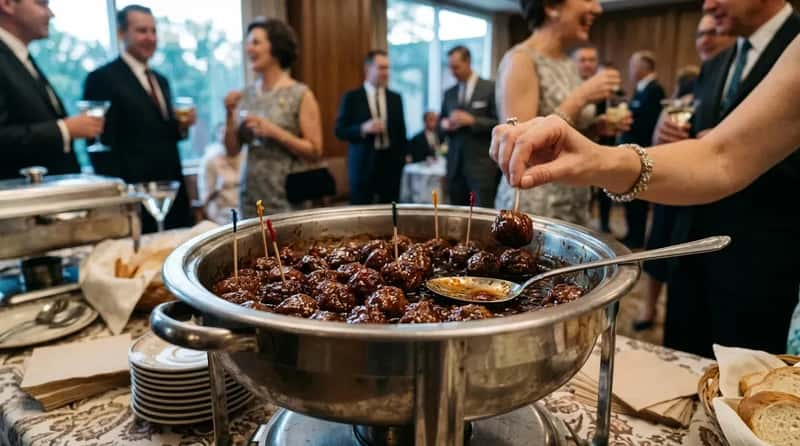
You would never imagine pairing cocktail meatballs with grape jelly – and yet this retro 1960s appetizer took the decade completely by storm. Beef meatballs tossed in grape jelly and either barbecue sauce or tomato-based chili, simmered together until glossy – resort cocktail hours served these from chafing dishes at every social event imaginable. The sweet-savory combination was unexpected, it was sticky, and somehow it worked well enough to be everywhere.
This combination has seen a minor comeback mostly as an ironic slow cooker recipe shared on social media – the kind of thing made for a Super Bowl party with a winking acknowledgment of its own absurdity. But as a legitimate vacation resort appetizer listed on a printed menu? That era is firmly closed. The grape jelly detail stops modern diners cold, signaling a time when sweetness was applied to meat without any of the nuance that current barbecue culture expects. Nostalgia is one thing. Ordering it sincerely is another entirely.
#10 – Fish Sticks with Tartar Sauce
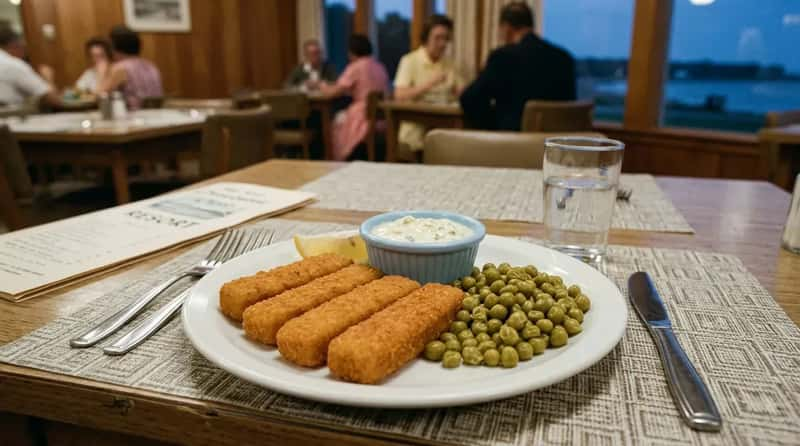
Fish sticks were genuine vacation resort menu items in the 1960s – breaded, oven-cooked, and served as a legitimate dinner entrée at coastal resort dining rooms and lakeside lodges alongside steak and roast chicken. Paired with tartar sauce and a pile of canned peas, this was a real dinner choice that real adults made on vacation. They chose it from a menu. They ate it without embarrassment. This actually happened.
The fish stick’s current cultural home is the school cafeteria and the frozen food aisle. Serving them to adults at a vacation resort in 2025 as a dinner entrée would be treated as either an elaborate joke or a serious kitchen failure. Today’s coastal resort menus feature blackened redfish, cedar-plank salmon, and whole roasted branzino. The distance between that and a fish stick from a box is essentially the entire recorded history of American food culture since 1969.
#9 – Chicken Kiev
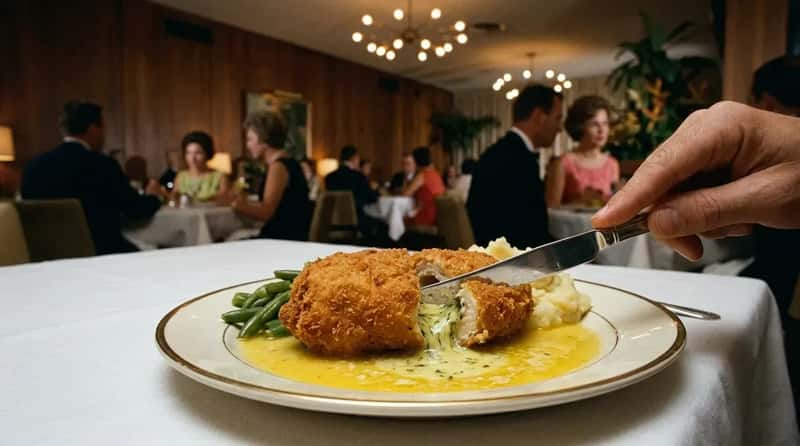
Despite its name, Chicken Kiev is largely considered a French-influenced dish that caught fire in America when French cooking became fashionable in the early 1960s. Vacation resort restaurants served it as a signature Continental entrée – a breaded chicken breast stuffed with herb butter that spurted dramatically when cut open. That spurt was considered a feature. Guests watched for it. It was considered the height of the dining experience.
Chicken Kiev isn’t a bad idea as a dish – the herb butter core is genuinely satisfying when done well. But the 1960s resort version arrived in a pool of clarified butter with no competing flavors, no acid, and no vegetable that hadn’t been boiled into submission. Modern diners expect balance on the plate. The mid-century Chicken Kiev was essentially a maximalist butter delivery system, which is a specific kind of excess that hasn’t aged well in any context.
#8 – Beef Wellington
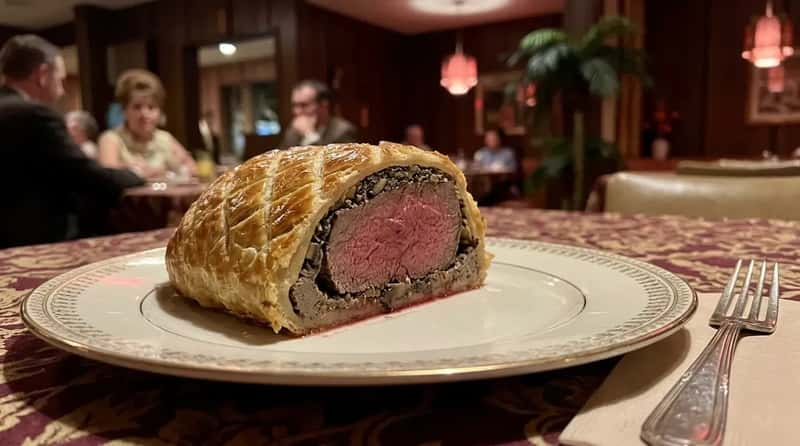
Beef Wellington sat at the very top of 1960s resort dining prestige. Ordering it was an event – vacation steakhouses charged a premium for it, and the dish arrived at the table carrying the full weight of Continental sophistication. Tenderloin wrapped in mushroom duxelles and encased in golden pastry. On paper, this was the pinnacle. On the table, results varied dramatically depending on who was actually in the kitchen that evening.
Here’s the honest truth: Beef Wellington is still genuinely delicious when made well – Gordon Ramsay has made it aspirational again for a new generation. But the 1960s resort version frequently featured liverwurst from a can in place of proper pâté, thick underbaked pastry, and beef that arrived gray and slightly steamed from a cart. That version – the steam-cart Beef Wellington – would not survive a single bite of honest criticism today, and it never really deserved to.
#7 – Spam and Egg Breakfast Plates
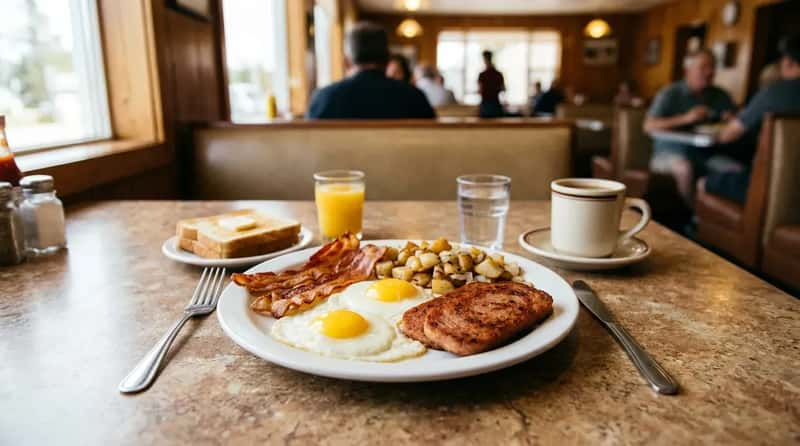
Spam was not a budget item or a punchline in the 1960s – it was a legitimate protein that appeared on vacation resort breakfast menus right next to bacon and sausage. A Spam and egg plate was a real breakfast choice that real adults made on real vacations. One restaurant owner from the era called Spam “the staple to any 1960s dinner table” without a trace of irony, and he wasn’t wrong about what it meant to that generation.
Spam has experienced a genuine cultural rehabilitation in Hawaii, where it remains deeply embedded in local food culture and is served at McDonald’s. On the mainland U.S., however, a Spam and egg breakfast plate at a resort would be met with visible confusion. The canned, processed meat has a specific cultural identity now that makes it impossible to present unironically at a resort breakfast buffet. It belongs to a very particular moment in American food history, and that moment passed quietly sometime around 1978.
#6 – Liver Pâté on Toast Points
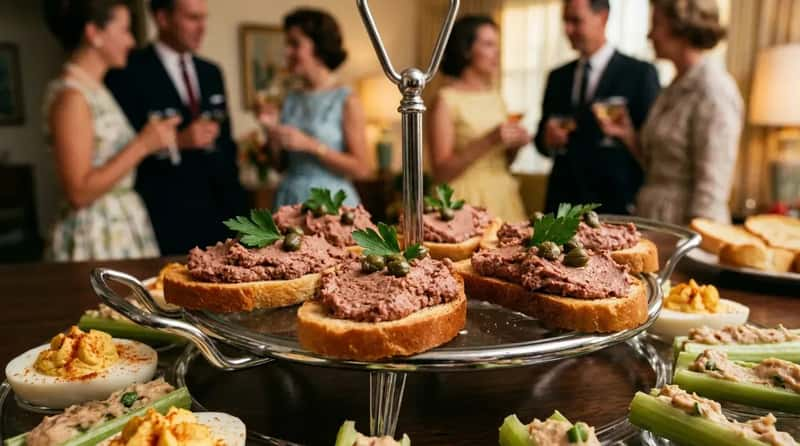
Liver pâté was meant to be elegant – spreadable meat served on Melba toast at a cocktail hour felt genuinely worldly in 1965. Vacation resort social hours featured it on tiered trays alongside stuffed celery and deviled eggs, and guests spread it confidently and called themselves sophisticated. The French name helped. The flavor was an acquired taste that many guests were still in the process of acquiring.
The problem is that fewer and fewer Americans have bothered to acquire that taste in the decades since. The iron-heavy, gamey richness of chicken or beef liver blended into a paste is a commitment, and today’s cocktail hour crowd is committing instead to whipped ricotta, smoked salmon, and artisanal cheese boards. Liver pâté on toast points feels like something from a 1960s embassy party. Which is exactly where it belongs, and only there.
#5 – Celery Victor
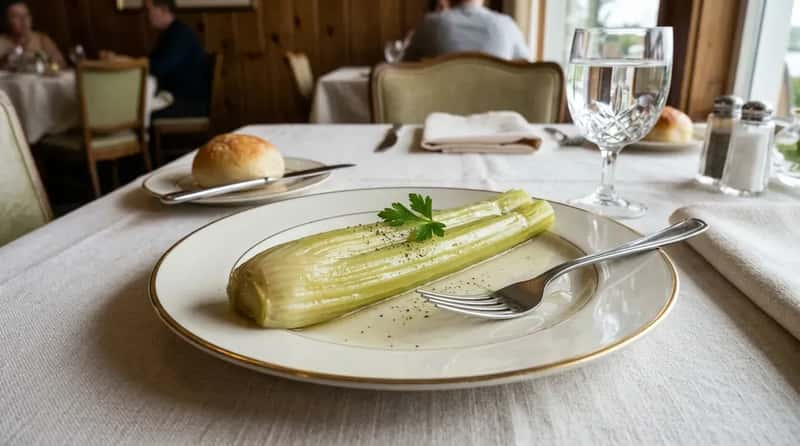
Celery Victor was cooked celery. That’s it. Someone boiled celery, chilled it, marinated it in broth and vinegar, and called it a plated salad course. Named after chef Victor Hirtzler of San Francisco’s St. Francis Hotel, it was a legitimate first-course offering at upscale vacation resort dining rooms along the California and Pacific Coast throughout the 1960s. It was served on a plate. With a fork. As a real course. People ate it and said thank you.
Serving a chilled, marinated celery stalk as a plated salad course at a modern resort dining room would generate more confused TripAdvisor reviews than anything else on this entire list. The gap between “a boiled celery stalk in broth” and what any current diner considers a salad is so wide it’s almost philosophical. Celery Victor is the most accidentally surreal dish on any 1960s vacation menu, and it is an absolutely perfect artifact of its era for exactly that reason.
#4 – Baked Alaska
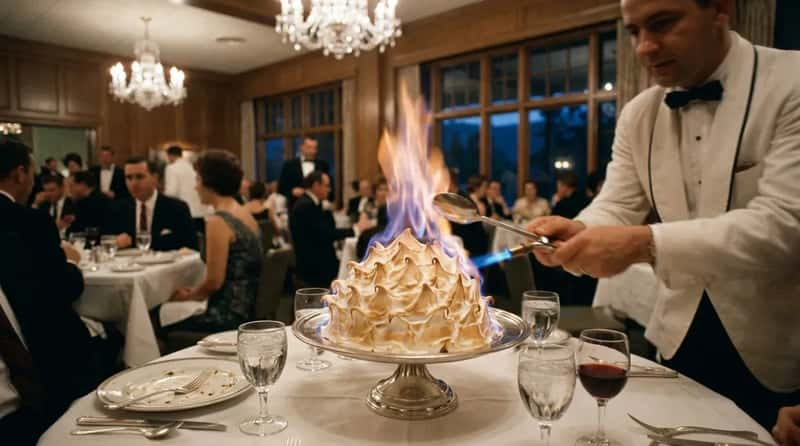
The Baked Alaska entered the American culinary mainstream in the 1950s and hit its peak on vacation resort menus throughout the ’60s. A dome of towering meringue encasing ice cream, briefly torched or flambéed tableside – it was the grand finale of any resort dinner worth the price of admission. Guests at resort dining rooms genuinely applauded when it arrived. Not politely. Genuinely. The fire and the drama earned it.
The Baked Alaska still appears occasionally on ambitious modern dessert menus, but the 1960s resort version was a very specific production – towering meringue, basic vanilla ice cream, and a tableside flame trailing across the dining room. Today’s version, when it appears, is deconstructed, individually portioned, and built around artisan flavors. The original – a massive shared meringue dome wheeled to the table on fire while the dining room watched – is a museum piece of American vacation dining that is not returning to any serious restaurant program.
#3 – Pineapple Ham with Maraschino Cherries
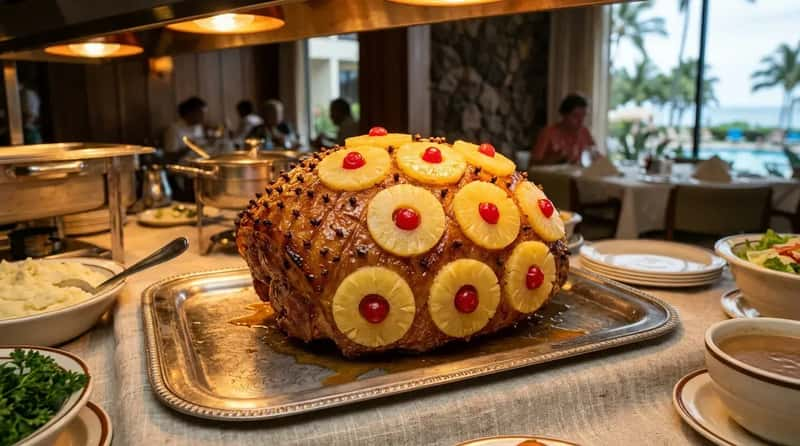
The glazed ham centerpiece – studded with whole cloves, ringed with canned pineapple slices, dotted with bright red maraschino cherries – was the undisputed king of the 1960s vacation resort buffet table. It sat on a silver tray under warming lights at every hotel holiday spread and family resort Sunday brunch in America. It looked festive. It smelled like a cooking magazine from 1964. It was absolutely everywhere, and everyone ate it.
The clove-studded, pineapple-crowned ham is now visual shorthand for retro mid-century food culture. It appears in Halloween costumes, vintage cookbooks, and ironic Instagram posts – but almost never on a serious 2025 restaurant menu. The sweetness of the canned pineapple glaze combined with the chemical brightness of maraschino cherries is a flavor profile that modern chefs have decisively walked away from. This dish had a solid 20-year run. That run ended decisively around 1979, and nothing since has suggested it wants to come back.
#2 – Shrimp Cocktail with Fluorescent Pink Sauce
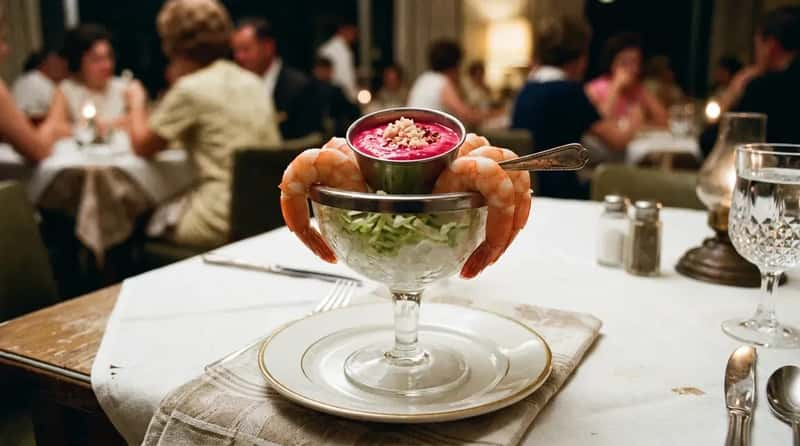
Shrimp cocktail was the glamour appetizer of 1960s vacation dining – served in a footed glass with a bright red sweet-and-horseradish sauce, it was the ultimate signal that you were on a real vacation, at a real resort, spending real money. Back then, premium seafood dishes were among the most expensive items on resort menus, and ordering shrimp cocktail announced something about who you were and what this trip meant to you.
The shrimp cocktail still exists today, but the 1960s vacation version was a very different creature. The sauce was aggressively sweet, candy-red, and made almost entirely from bottled ketchup and jarred horseradish with zero balance or nuance. The shrimp were frequently overcooked, rubbery, and ice-cold in a way that read as “from a bag” rather than “from the sea.” Modern seafood starters have moved to chilled oysters, crudo, and ceviche. The footed glass with the fluorescent sauce is a nostalgia piece now, not a destination dish, and the distance between the two says everything about how far American seafood dining has traveled.
#1 – The Full Relish Tray
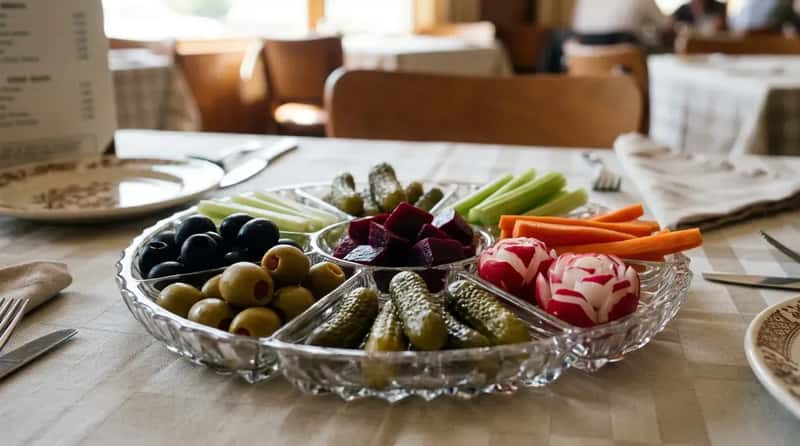
Nothing captures the genuine strangeness of 1960s vacation dining quite like the relish tray – and it was the very first thing placed on the table at virtually every resort dining room, motor lodge restaurant, and family vacation dinner spot in the country. A divided tray arrived bearing black olives, green olives, sweet gherkins, pickled beets, raw celery sticks, carrot sticks, and radish roses, all arranged with visible care before a single word about the actual menu had been spoken. It wasn’t ordered. It wasn’t requested. It simply appeared.
The relish tray was so universal that no 1960s vacationer thought to question it. You ate from it, you ignored it, or you filled up on olives and couldn’t finish your entrée. Today’s restaurants open with bread service, amuse-bouches, or a curated snack plate – all of which require a deliberate decision to order. The idea of a random assortment of pickles and raw vegetables materializing at your table, unbidden, as a standard opening move, would be genuinely disorienting to any diner under 50. It was the 1960s in a divided tray: well-intentioned, oddly cheerful, and completely unlike anything that came after it.
The 1960s vacation dining table tells you everything about what that era valued – novelty, Continental ambition, the exciting promise of convenience foods, and an almost total absence of skepticism about what gelatin could and could not reasonably be asked to do. These dishes weren’t failures at the time. They were achievements. They just didn’t survive contact with everything food culture became in the decades that followed. If you grew up eating any of these on a family road trip or at a lakeside lodge, that memory is worth holding onto – even if the dish itself will never, under any circumstances, be ordered again.