If checking a bag feels noticeably pricier this year, it’s not your imagination. In the span of a few weeks during spring 2026, several of the biggest names in American aviation quietly rewrote their baggage pricing, pushing first and second bag fees up by around ten dollars apiece. The driving force behind the wave was a sharp spike in jet fuel costs tied to geopolitical turmoil in the Middle East, which sent oil and jet fuel prices soaring and gave airlines a convenient justification for passing costs onto travelers.
What makes this round of changes stand out isn’t just the dollar amount. It’s how coordinated the timing was, and how each carrier layered in its own twist, whether that’s a stricter Basic Economy penalty, a new dynamic pricing model, or the permanent end of a decades-old perk. Here’s a closer look at four airlines that have reshaped how much flyers pay to check a bag in 2026.
1. American Airlines
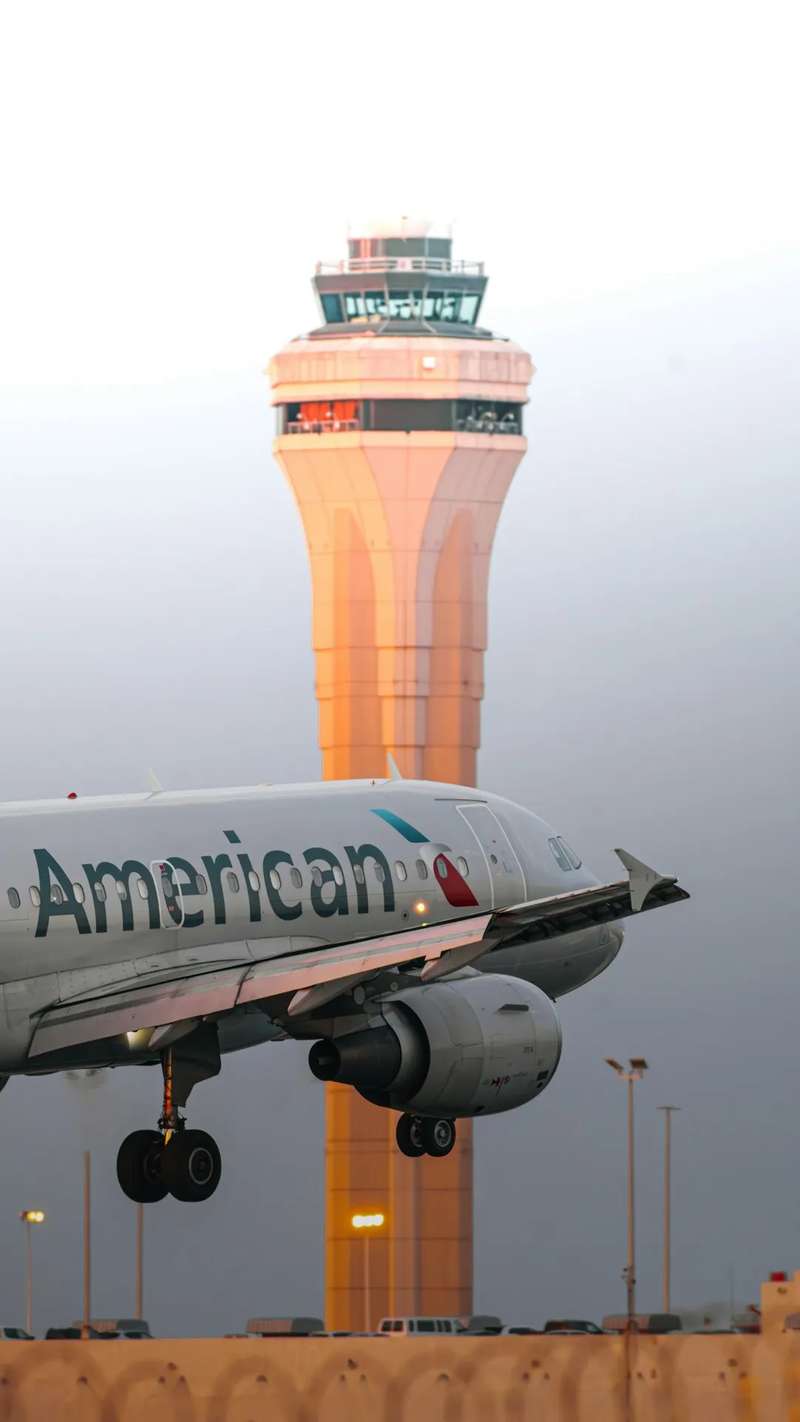
American Airlines raised its checked bag fees for tickets booked on or after April 9, 2026, joining the rest of the industry in a coordinated fee hike. Beginning with tickets booked on Thursday, April 9, American hiked its baseline baggage price by $10 for customers’ first and second checked bags, applying to all domestic U.S. and select short-haul international flights.[1] That pushed the first checked bag to fifty dollars at the airport, or forty five dollars with online prepayment, while the third bag now costs $200[1].
American also added a wrinkle no other legacy carrier had tried yet. Going forward, basic economy ticket holders pay $5 extra, meaning the discounted fare costs $55 for the first bag ($50 if prepaid online) and $65 for the second piece of luggage, with American becoming the first U.S. carrier to specifically charge basic flyers a higher fee for checked baggage.[1] That basic economy surcharge took effect for tickets purchased on May 18 and later. Elite AAdvantage status members and eligible cardholders still avoid the fees entirely, since all AAdvantage status members will continue to receive complimentary bags on American Airlines flights.[2]
2. United Airlines
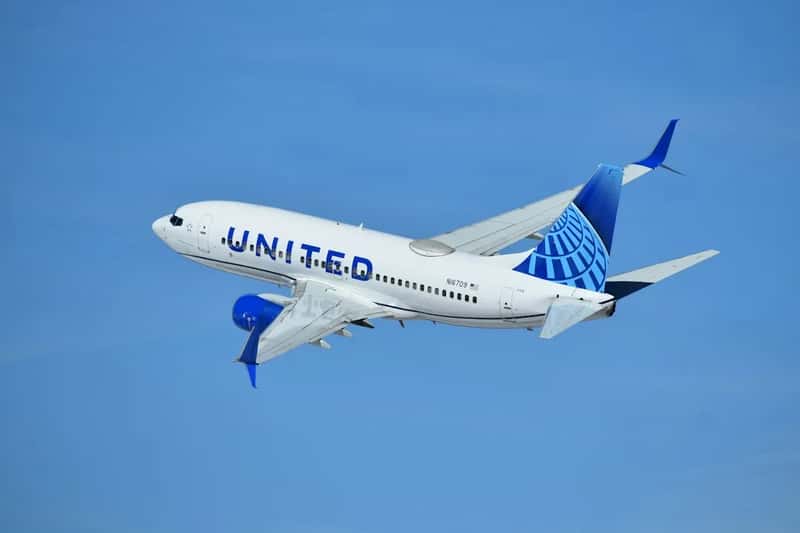
United was among the first legacy carriers to move, raising fees for tickets purchased on or after April 3, 2026. United hiked fees by $10 for tickets purchased on or after April 3, 2026, covering flights within the US, Mexico, Canada, and Latin America.[3] The new structure follows the same prepay-versus-airport gap that’s become standard across the industry, with United charging $50 for a first checked bag, or $45 for passengers who prepay.[4]
United’s changes also drew a sharper line between fare classes. Passengers on Basic, Choice, and Choice Preferred fares now pay for checked bags, with only Choice Extra fare holders, A-List Preferred members, and a few other loyalty tiers still receiving two free bags.[3] That effectively narrows the group of travelers who can still fly with free luggage, pushing more mid-tier fare buyers into paying for every bag they check, a shift that mirrors similar tightening happening across the legacy carriers this year.
3. Delta Air Lines
Delta’s move came just a day after United’s, and it marked a notable milestone for the carrier. Delta confirmed its latest baggage fee adjustments would take effect for tickets purchased on or after April 8, 2026, marking the airline’s first domestic baggage fee increase in two years.[5] The new pricing brought Delta in line with its rivals, since most Delta flyers now pay $45 instead of $35 for their first bag, a jump of $10, or roughly 28%.[6]
The increases didn’t stop at the first bag. Delta also raised the fee for customers’ second checked bag by $10, bringing it to $55, and hiked the fee for flyers’ third checked bag by a whopping $50, bringing the total to $200.[6] Importantly, checked bag prices on long-haul international routes did not change, and long-haul international flights typically still allow a free first checked bag for all passengers except those with basic economy tickets.[4] Medallion elite members and Delta SkyMiles American Express cardholders continue to check bags for free, keeping loyalty status valuable even as base fees climb.
4. Southwest Airlines
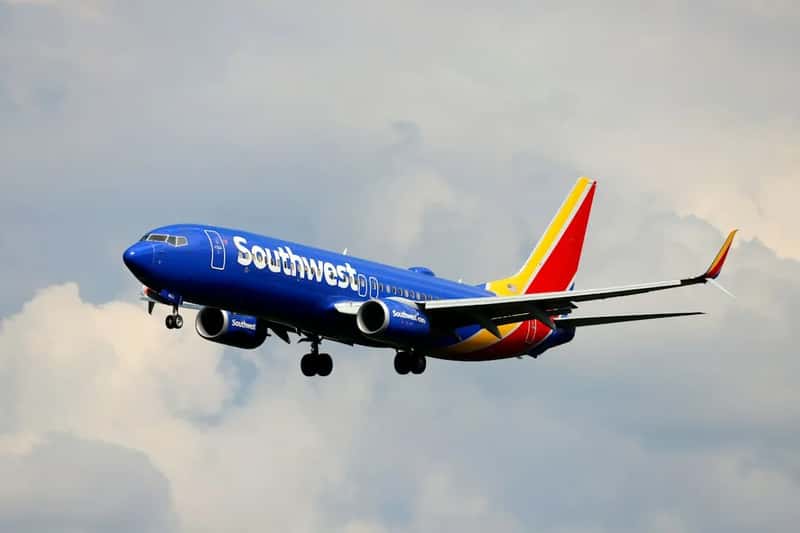
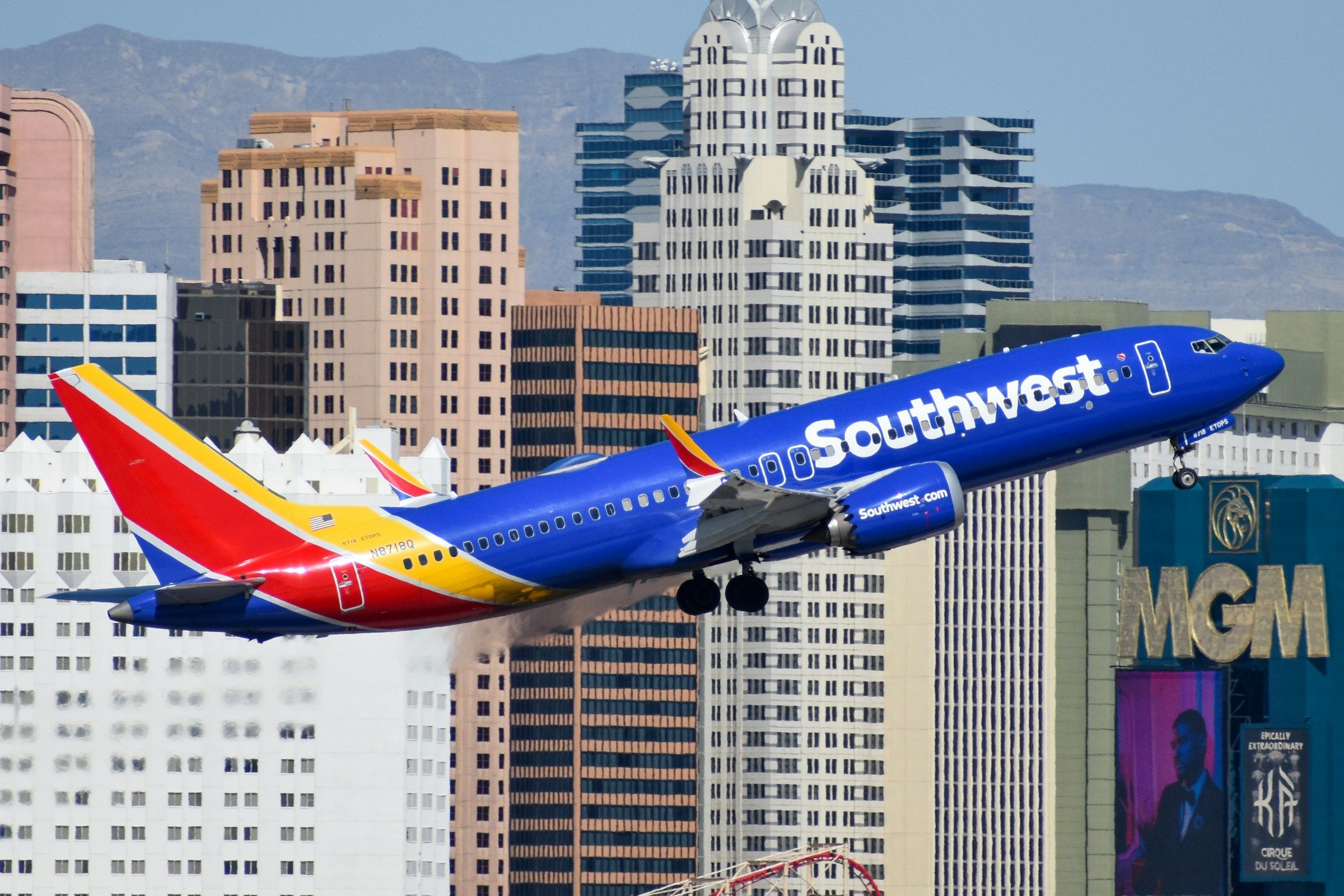
Perhaps no airline’s baggage story in 2026 carries more symbolic weight than Southwest’s. After ending its legendary “Bags Fly Free” policy in 2025, the carrier raised fees again just months later. Southwest’s fees jumped $10 each on April 9, 2026, meaning Southwest has already raised bag fees twice within a year of introducing them.[7] The current pricing stands at $45 for the first bag, $55 for the second[7], putting Southwest squarely in line with the other majors after decades of being the industry’s outlier.
Southwest hasn’t abandoned every perk from its old model. Its Rapid Rewards credit card still offers one free bag for the primary cardholder, plus up to eight companions on the same reservation, while active-duty military members receive two free checked bags with valid ID.[7] Still, for the average leisure traveler without a cobranded card or military status, the free-bag era at Southwest is definitively over, closing out what was long considered the most generous baggage policy among major U.S. carriers.
Taken together, these four rounds of changes tell a consistent story. Airlines are leaning harder on ancillary fees rather than base fares, partly because baggage charges sidestep certain federal taxes that apply to ticket prices, and partly because fuel costs have made every seat and every pound of cargo more expensive to fly. For travelers, the practical takeaway is simple: prepay for bags online whenever possible, watch fare class restrictions closely, and consider whether a cobranded credit card or elite status might pay for itself faster than expected. Baggage fees rarely trend downward once they’ve climbed, so budgeting for these new rates now will likely save headaches at the airport later.