You reach for your wallet after a lovely meal abroad, ready to leave a generous tip as a thank-you. The server looks uncomfortable. Then they chase you down the street to hand your money back. Sound mortifying? It actually happens. Tipping etiquette is one of the most confusing, most culturally loaded topics in travel, and getting it wrong cuts both ways. Leave too little in the wrong place, and you’re rude. Leave too much in another, and you’re somehow insulting the person you intended to compliment.
The world of gratuity is stranger and more fascinating than most people realize. Some countries have laws built around it. Others consider the entire concept almost offensive. And then there is the United States, where the whole thing has become its own kind of pressure-filled ritual. So before your next trip, let’s untangle this together. Let’s dive in.
Japan: Where Giving Extra Money Can Actually Offend

Tipping in Japan is seen as an insult rather than an act of gratitude. The culture values integrity and excellence, and workers believe accepting extra money undermines their commitment to providing the best service. Think of it like a master sushi chef being handed a dollar coin after crafting something extraordinary. It would feel diminishing, not celebratory.
Unlike in many Western countries, tipping is rarely expected in Japan. According to the Japan National Tourism Organization, adding a gratuity is quite uncommon at restaurants and hotels, or when taking a taxi. Restaurant staff may go so far as to refuse any extra cash customers leave behind.
In general, the belief is that the customer already pays for good service, and Japanese culture prides itself on delivering it, so there is no need to add an extra tip. Doing so can even be considered rude in some situations. There is, however, one rare exception worth knowing: a special type of gratuity known as kokorozuke, meaning “coming from the heart,” which is done as a gesture of overall gratitude rather than thanks for any specific service. Still, as a visitor, it is simply best to skip the tip entirely.
South Korea: Where Seven Out of Ten Locals Say No

South Korea has long been a tip-free society. One reason is that service workers are usually paid a livable wage by their employers. Tipping is sometimes viewed as insulting in South Korea, as it implies the worker is in need of charity from the customer.
Tipping is not customary in South Korea because service employees are paid adequate wages. Many restaurant and hotel workers see tipping as a foreign practice that disrupts the existing wage system. If you try to give a tip, it will likely be declined. Honestly, that tells you everything you need to know.
According to the Korea Times, seven out of ten Koreans view tipping as “unacceptable,” and only five percent of local survey respondents say they’re okay with the practice. That is not a marginal cultural preference. That is an overwhelming national consensus, and travelers should respect it fully.
Denmark: Where the Law Does the Tipping For You
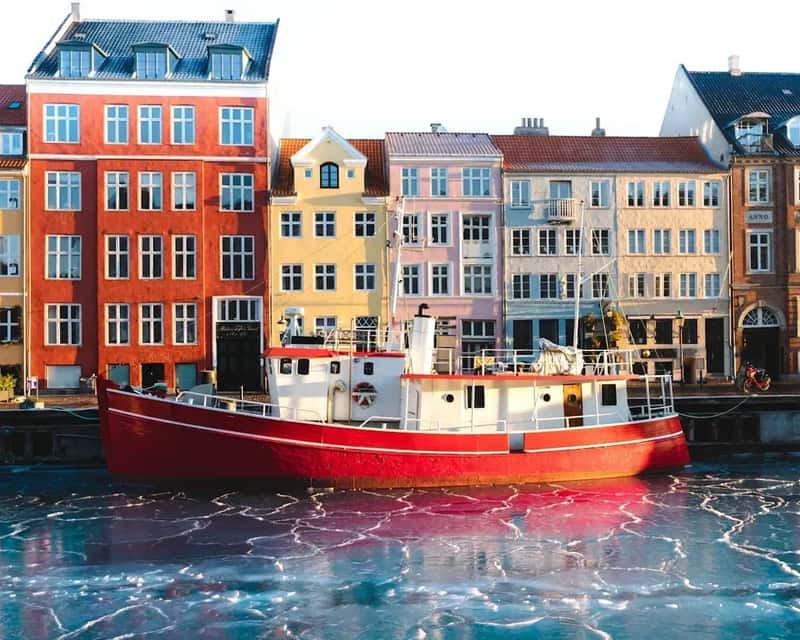
Danish law requires that all service charges and mandatory gratuities be included in the listed price, whether on a restaurant menu or in a taxicab. You’re also not expected to tip tour guides, as the cost of tours includes a built-in gratuity. This is not a cultural preference. It is literally the law.
Danish culture emphasizes equality, and that includes how people are paid. Restaurant and hospitality staff are paid fair wages, and service charges are typically included in the bill. Leave extra money, and they’ll probably just think you’re American. That last part is said with warmth, but the point stands.
Switzerland: Pristine Service, No Tip Needed

Federal laws in Switzerland mandate that all service charges be included in published prices, meaning you don’t need to tip any people in the service industry, including hotel staff. That said, they won’t turn down a tip to housekeeping given at the end of your stay. It is a sensible, clean system, much like Switzerland itself.
In Switzerland, service charges are included in the listed price, so tipping isn’t expected. With a high standard of living and strong worker rights, employees are well-compensated. Adding a tip to the bill is generally seen as unnecessary. Rounding up a small amount if you feel genuinely moved is acceptable, but nobody is waiting for it.
United States: The Land of the Tip Jar (And Then Some)

Here is the thing about the U.S. Tipping is not just customary. For many workers, it is survival. Tipping etiquette in America is typically expected by servers, because the U.S. hourly wage they receive could be as low as $2.13 an hour. In general, a twenty percent tip on your bill shows your server that you believe all your needs were met during your meal.
Around seven-in-ten U.S. adults say tipping is expected in more places today than it was five years ago, a finding that tracks with anecdotal reporting and has even been dubbed “tipflation.” That word alone should tell you how far tipping culture has stretched in America. From coffee counters to airport kiosks, the tip prompt is everywhere now.
Americans broadly oppose automatic service charges. About seven-in-ten adults say they oppose businesses including automatic service charges or tips on customers’ bills, regardless of group size, including half who strongly oppose the practice. So there is tension even within the country. Still, the baseline expectation at sit-down restaurants remains firmly around fifteen to twenty percent.
Mexico: Tips Are Welcomed and Genuinely Appreciated
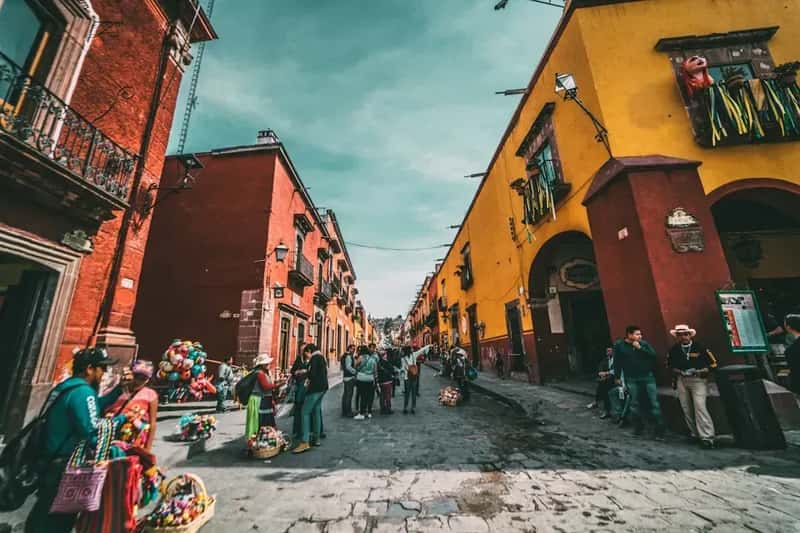
Tipping in Mexico is similar to the United States, so you’ll want to tip ten to fifteen percent at restaurants, hotels, and resorts. Workers in Mexico’s service industry genuinely rely on these extra amounts to make ends meet, especially in tourist-heavy areas where the relationship between visitors and staff is strong.
Tipping in Mexico is common in larger, medium, and higher-end restaurants. It is customary in these establishments to tip not less than ten percent but not more than fifteen percent of the bill as a voluntary offering for good service. One practical note: Mexicans accept tips in both dollars and pesos, which makes it flexible for international travelers who may not have changed all their currency yet.
Egypt: Where “Baksheesh” Is Simply Part of Daily Life

Egypt operates on a concept called baksheesh, a form of gratuity that goes well beyond restaurants. In Egypt and Morocco, tipping, or “baksheesh,” is expected almost everywhere. Carry small change. It applies to hotel staff, museum guides, taxi drivers, and even people who spontaneously help you with directions.
In Egypt and Jordan, it’s customary to tip between ten and fifteen percent of your bill. Even if you notice a service charge added to your bill, you should still tip. This surprises many visitors who assume the service charge covers everything. In Egypt, it often does not. Think of the extra tip less like a bonus and more like the standard cost of good service.
Hotel concierges, particularly in Egypt, South Africa, and Morocco, can make or break your trip. They often know everyone and everything, and they can connect you with whatever you need. Tipping them generously at the beginning of your trip can help ensure good service throughout. That is genuinely useful travel wisdom.
Canada: Polite, Generous, and Very Much a Tipping Culture

Canadians are renowned in the world for their polite manners and nice smiles, and you will usually see this reflected in their customer service. Their mindset behind tipping is very similar to America, with a standard tip range from fifteen to twenty percent being acceptable. It might be added to your bill in some locations, or you may want to simply follow the country’s mindset of offering money as a token of gratitude.
Similar to the U.S., patrons in Canada and Colombia also tip staff fifteen to twenty percent. There is a widespread assumption among some tourists that Canada is more relaxed about tipping than its southern neighbor. That is largely a myth. Pennies or a dollar or two on a hundred-dollar bill will be considered an offense that Canadians will not smile over. Their politeness, it turns out, has limits.
South Africa: Tipping Is Woven Into the Entire Economy

In South Africa, tipping is common, and is generally around ten percent the cost of the service. However, in popular tourist areas and at nicer establishments, that figure can easily push higher. In Cape Town, South Africa, tips may start at ten percent, but excellent service may be rewarded with up to twenty percent.
In South Africa, tip ten to fifteen percent in restaurants and roughly ten to twenty Rand for hotel staff. Tipping is woven into the tourism economy there and serves as a vital income supplement for many. This is not performative generosity. For countless workers in South Africa, particularly in the hospitality sector, tips are the meaningful difference between getting by and not.
Traveling the world means stepping into other people’s realities, and few things reveal a culture’s values quite like how it handles money between strangers. Whether tipping is a gift, an expectation, or an outright insult depends entirely on where you are standing. The smarter approach is to research before you travel. Not because getting it wrong is catastrophic, but because getting it right is a quiet, powerful act of respect. What country on this list surprised you the most?