Some places just cannot handle the crowds anymore. Ancient stone paths were never built for millions of footsteps a year, and fragile lagoons were never designed to host cruise ships stacked three deep at the dock. Around the world, governments are quietly rewriting the rules of who gets to visit, when, and at what cost, and the next few years look set to bring even tighter limits.
Venice, Italy
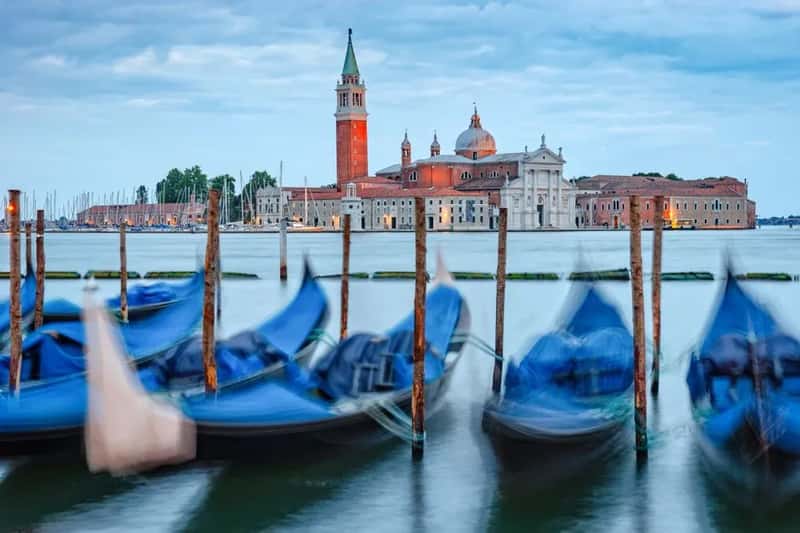
Venice has spent the past two years testing what happens when a city puts a literal price tag on a day trip. The city of Venice has expanded on its congestion-pricing tourist admission scheme, charging a €5 to €10 entry tax for daytrippers from outside the city on peak days.[1] The system runs on a sliding scale, so the payment for the Access Contribution to the city of Venice is set at €10.00, or €5.00 with advance booking, and it is mandatory for day tourists entering the city on the dates listed.[2]
What makes Venice worth watching heading toward 2030 is not the fee itself but what it revealed. During its 2024 trial period, the fee generated €2.43 million from 485,000 payments, more than tripling the initial revenue estimate of €700,000.[3] That kind of turnout suggests pricing alone has not slowed the flow of visitors, which is exactly why officials are widely expected to explore harder caps, not just softer fees, in the years ahead.
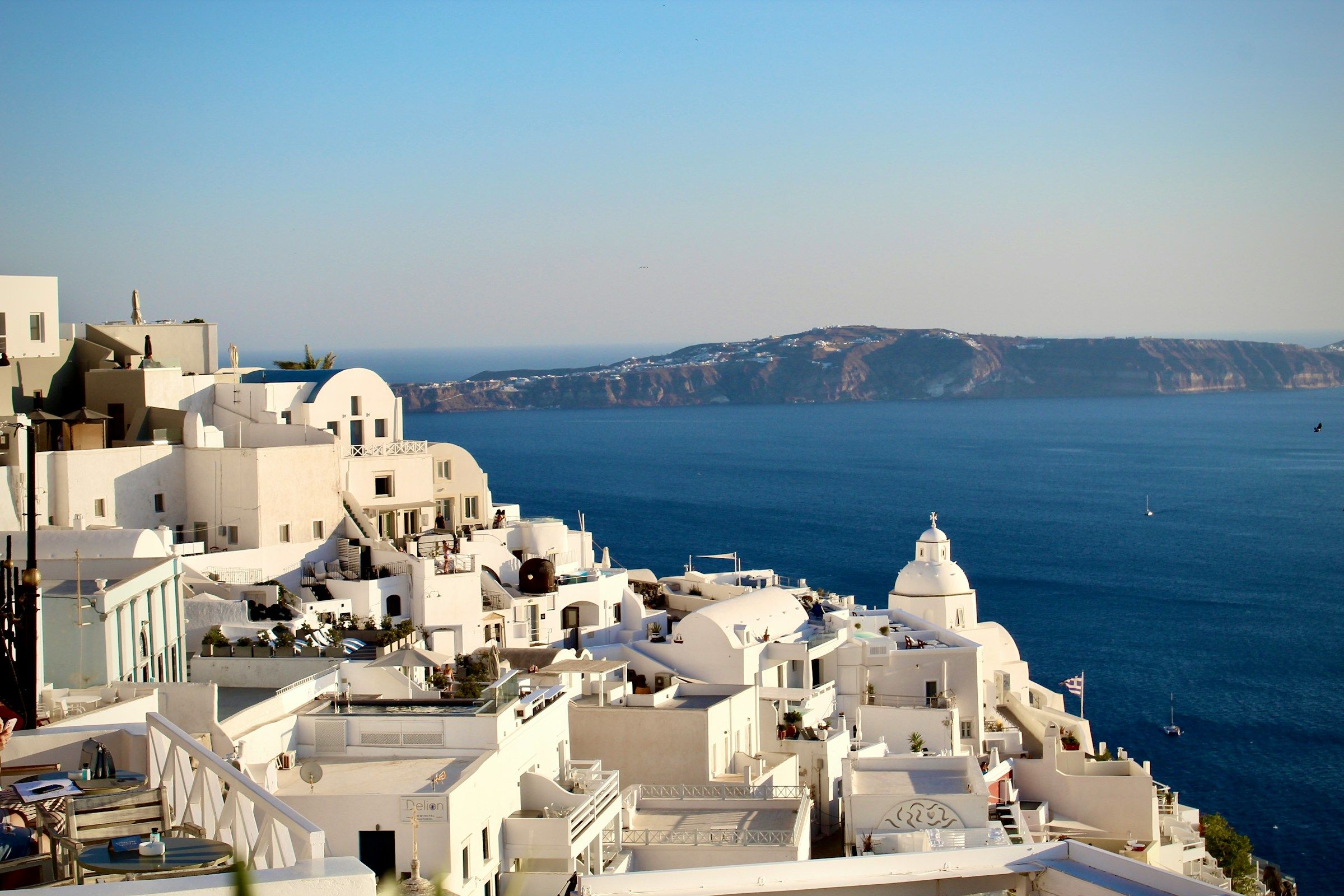
Santorini and Mykonos, Greece
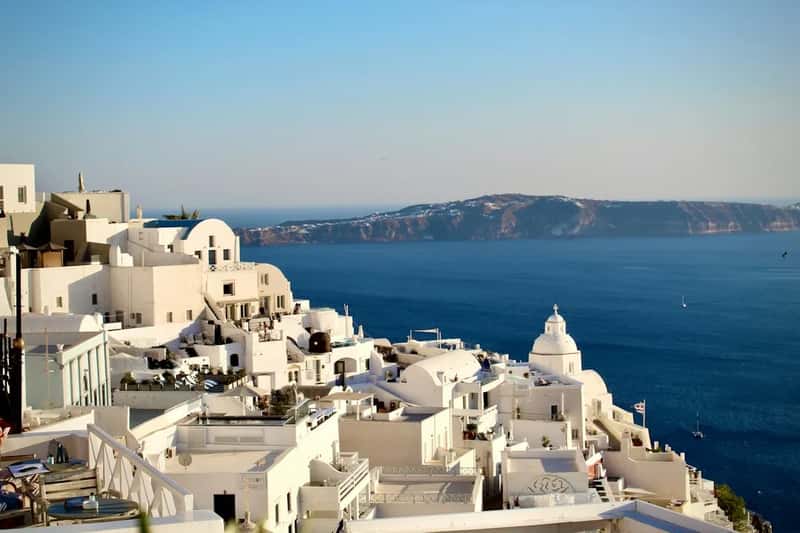
Greece’s most photographed islands have reached a point where the postcard view and the daily reality no longer match. Reuters reported that Greece would introduce a 20-euro levy on cruise passengers visiting Santorini and Mykonos during peak summer months, with officials also planning to regulate how many cruise ships arrive simultaneously at certain destinations.[4] That plan has already moved from proposal to law, since Reuters reported that parliament approved the cruise-arrival levy, confirming the policy had moved beyond talk and into law.[4]
The numbers behind the decision are hard to ignore. Santorini introduced a limit of 8,000 cruise ship passengers per day.[5] Given how compact the island is, and how steep its caldera paths remain even on a quiet morning, further tightening of that cap before the end of the decade seems like a realistic next step rather than a distant possibility.
Machu Picchu, Peru
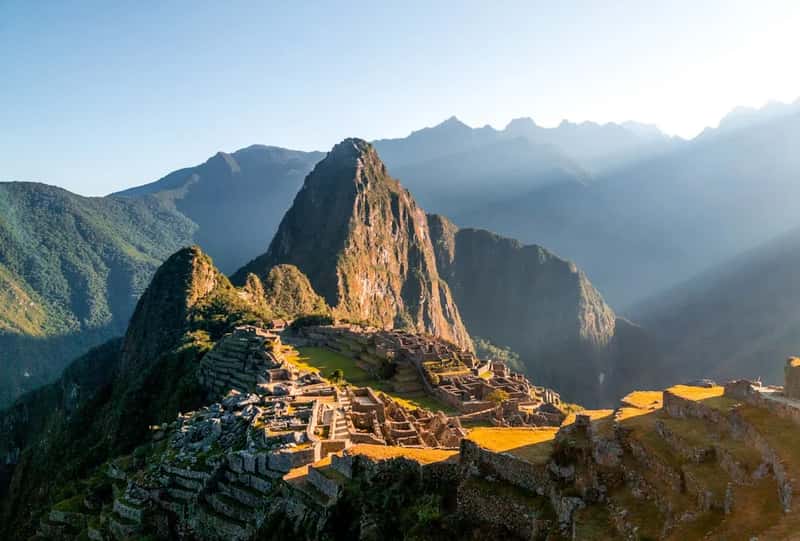
Peru has taken arguably the most structural approach of any destination on this list. The Peruvian government recently approved its master plan for Machu Picchu through 2031 to curb overtourism at the site.[5] That framework, according to reporting on the plan, lays out objectives tied to archaeological research, restoration, biodiversity protection and sustainable tourism, while also acknowledging threats that include fire risk, habitat pressure, irregular visitation and damage to pre-Hispanic pathways.[6]
On the ground, the caps are already firm rather than aspirational. The government has set a hard daily capacity of 4,500 visitors during low season and 5,600 during peak season, based on technical assessments of archaeological risk and environmental sustainability.[7] Officials have also pushed back on rumors of loosening these rules, since speculative claims that Peru might raise capacity to 27,000 daily visitors are categorically false, with the Ministry of Culture reaffirming that current limits represent the scientific maximum for sustainable use.[7]
Mount Fuji, Japan
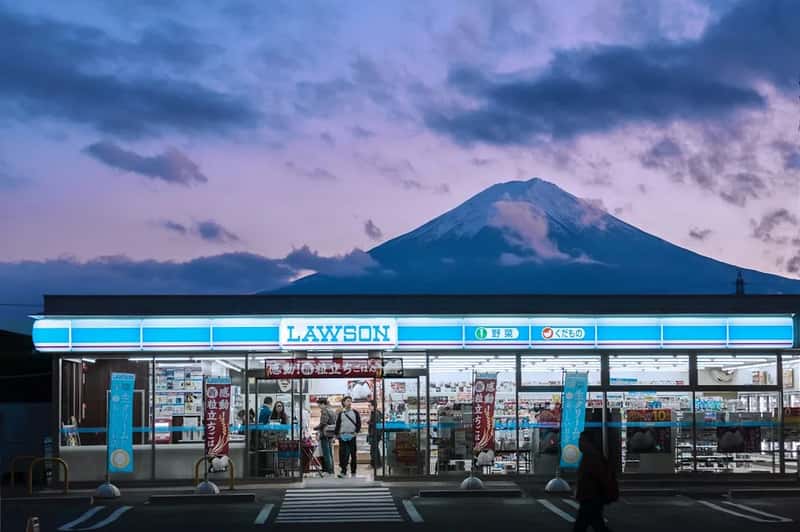
Japan’s most iconic peak has moved from informal crowd concerns to a formal, ticketed system in a remarkably short span of time. Mount Fuji, in Japan, is limiting climbers on the Yoshida Trail to 4,000 per day and has increased the charge by 4,000 yen, from 1,000 yen.[5] The gate itself now closes on a schedule, since the official Yamanashi Yoshida Trail rules page sets the climbing fee at 4,000 yen, with the entry gate restriction beginning at 2 p.m.[4]
This shift did not happen in isolation. JNTO’s statistics show that Japan welcomed a record 42.7 million international visitors in 2025.[4] With arrivals still climbing month over month, it is easy to see why authorities would rather formalize a strict daily quota now than face a much harder squeeze on the mountain later in the decade.