History books often paint famous leaders and inventors as fearless titans who shaped our world. Yet beneath the polished portraits and grand achievements lived real human beings, complete with phobias and peculiar obsessions that would rival any modern anxiety disorder. Let’s be real, it’s almost comforting to know that even the people who changed history couldn’t handle certain everyday things.
These weren’t just minor quirks either. We’re talking about full-blown terrors that sometimes dictated daily routines, influenced major decisions, and in some cases became just as legendary as the accomplishments themselves.
Nikola Tesla’s Numbers and Napkins
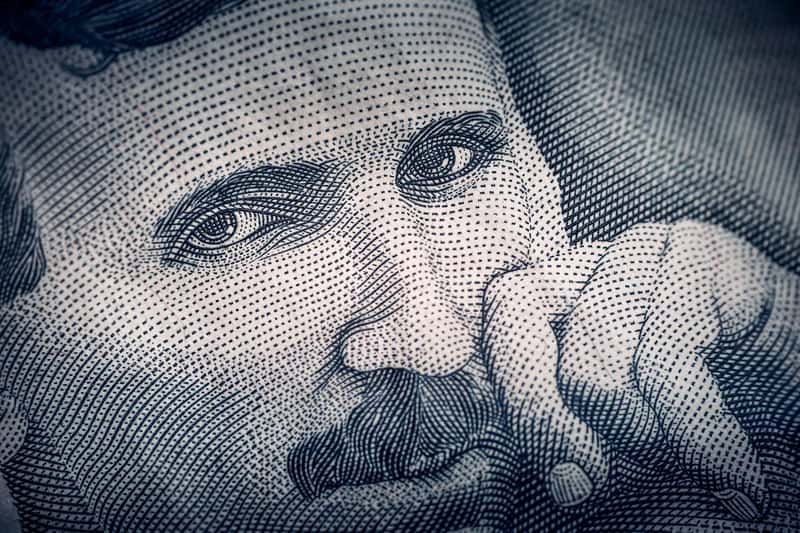
The brilliant inventor Nikola Tesla exhibited severe obsessive-compulsive tendencies that became increasingly pronounced around 1917, centering particularly on the number three. When swimming his daily laps at the public pool, Tesla had to complete exactly 33 laps, and if he lost count, he couldn’t leave until he started over from zero. He felt compelled to circle city blocks three times before entering buildings, and when leaving, he had to turn right only and walk around the entire block before feeling free to depart.
Tesla was extremely germaphobic, wearing gloves around food, meticulously cleaning each item he would use with the 18 napkins he demanded at every meal, and refusing to shake anyone’s hand. He had an irrational dislike for pearls and anything spherical, refusing to speak to women wearing them, and he was also disgusted by hair, especially loose strands. Honestly, imagine being a dinner guest at Tesla’s table and watching him wipe down silverware for minutes on end. Tesla would only occupy hotel rooms with numbers divisible by three.
Hans Christian Andersen’s Burial Terror
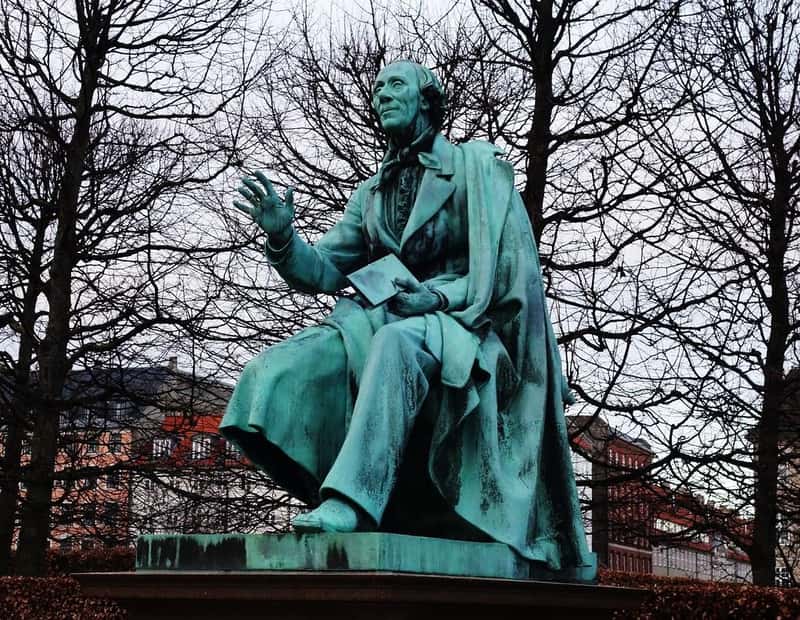
Author Hans Christian Andersen, who lived from 1805 to 1875, feared being buried alive, a condition called taphophobia that was common in the 19th century, and he carried written notes asking that his body be checked before burial and that doctors confirm he was truly gone, even leaving reminders in hotel rooms during long trips in case staff found him asleep. This wasn’t entirely irrational for the times, honestly. Medical technology was primitive, and people occasionally did wake up in coffins.
He died in Copenhagen in 1875. According to his biographer, the author kept a note on or near him at all times, which read “I only appear to be dead.” The man who gave us beloved fairy tales lived in constant fear of his own premature entombment.
Franklin D. Roosevelt and His Fire Drills
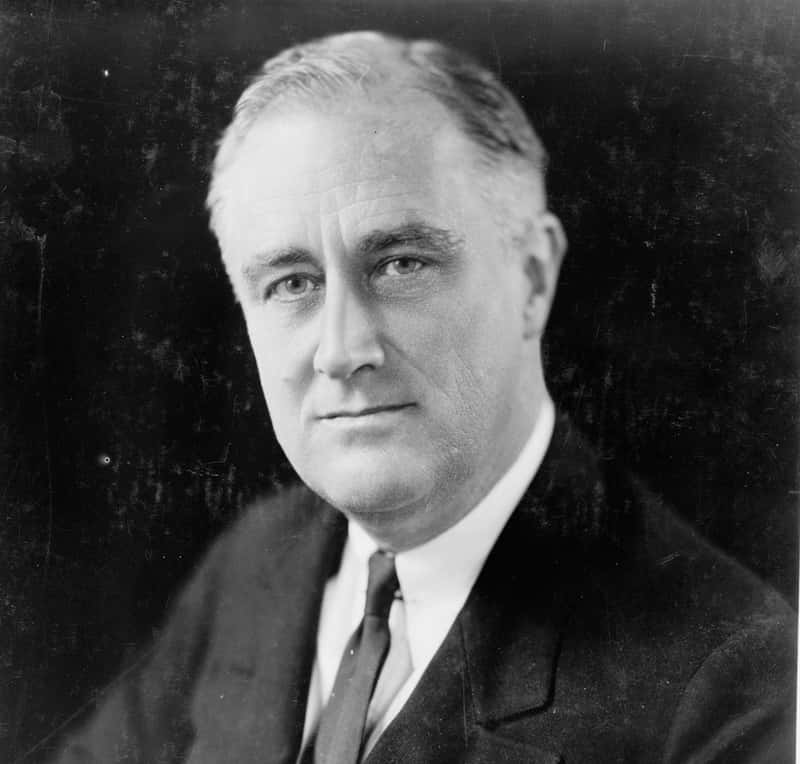
Though Franklin D. Roosevelt famously said the only thing we have to fear is fear itself, he had an intense personal fear of fire that likely stemmed from childhood when he witnessed his young aunt Laura running down the stairs with her dress ablaze from a spilled alcohol lamp. His Secret Service agents revealed that Roosevelt refused to lock his doors at night because he was fearful that a locked door would prevent him from getting out if there was a fire. Here’s the thing, though: this fear was so intense that it overrode basic security concerns.
The President would even carry out personal fire drills, and even when confined to a wheelchair when his polio worsened, he would routinely drop to the floor and practice crawling to an open door or window. This fear was intensified by his polio, which left him partially paralyzed and unable to move quickly. Picture the leader of the free world during World War II, dragging himself across the floor in the middle of the night, rehearsing his escape route.
Alfred Hitchcock’s Egg Revulsion
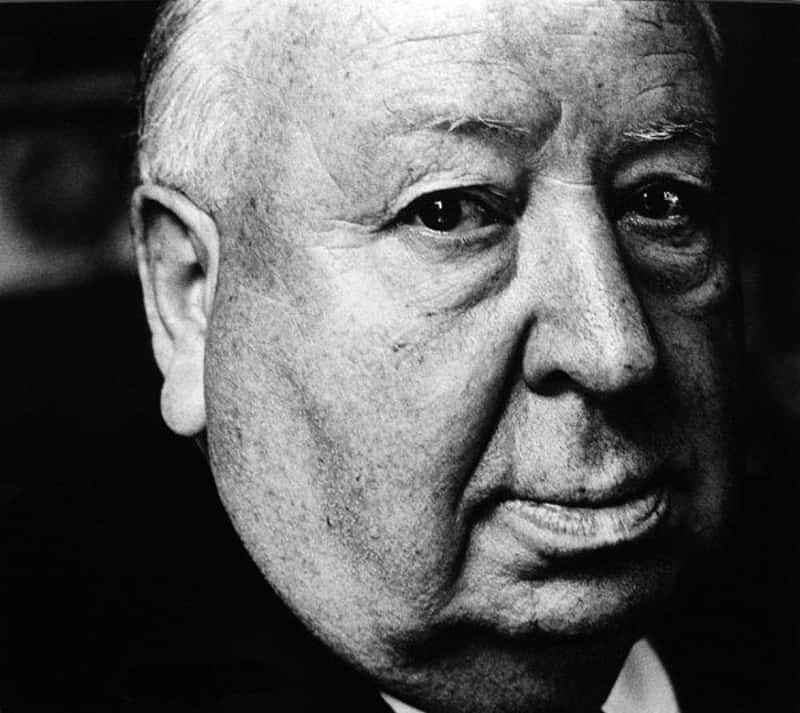
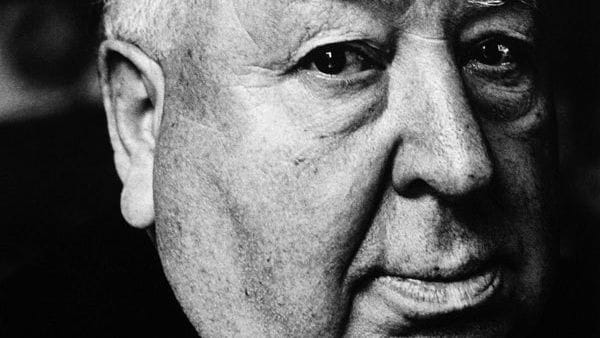
Director Alfred Hitchcock, born in 1899 in London, openly said he hated eggs in a fear called ovophobia, telling interviewers in the 1960s that a broken yolk looked revolting. Hitchcock’s description of this phobia was deeply visceral: he spoke of that white round thing without any holes and said he’d never seen anything more revolting than an egg yolk breaking and spilling its yellow liquid, adding that blood is jolly and red by comparison, and that he’d never tasted egg yolk.
The irony is delicious, if you’ll pardon the expression. This was ironic because he filmed food and birds with such control, including “The Birds” released in 1963. The master of suspense who terrified audiences with his films was himself terrified of breakfast. He even admitted he was frightened of his own movies, never going to see them, and wondering how people could bear to watch them.