Most hotel stays go off without a hitch, which is exactly why so many guests stop paying attention to the small details that actually keep them safe. A comfortable lobby and a friendly check in can create a false sense of security, masking risks that only show up when something goes wrong. Frequent travelers, the ones who have logged hundreds of nights in hotel rooms across different cities and countries, tend to notice patterns that first time visitors miss entirely.
These aren’t dramatic, movie style precautions. They’re quiet habits, built from experience, that separate a seasoned guest from someone who just got lucky. Below are four mistakes that veteran travelers have learned to sidestep, often the hard way.
1. Letting their room number become public information

One of the most common slip ups happens right at the front desk, before a guest even reaches the elevator. Hotel staff sometimes hand over a key card tucked inside a paper sleeve with the room number written on it, or say the number out loud within earshot of other guests. According to security experts, this seemingly harmless moment can expose travelers to real risk, since “when a room number is said out loud, anyone nearby can now target you, including other guests and hotel staff who shouldn’t have that information,” and knowing a room number can enable targeted theft or social engineering scams where someone calls pretending to be the front desk.[1]
Experienced travelers handle this differently. They ask staff to write the room number down quietly rather than announce it, and just as importantly, they separate that written number from the actual key card afterward. As one security consultant put it, “leaving a key card in its sleeve with the room number visible is essentially handing someone both your ‘key’ and the ‘address’ to use it.”[2] It’s a two second habit, but it closes a door that opportunistic thieves are counting on staying open.
- Ask the front desk to write down the room number instead of saying it out loud
- Keep the paper sleeve and the key card separated once you’re away from the desk
- If a room number is announced within earshot of others, consider asking to be moved to a different room
2. Skipping the fire escape walkthrough on arrival
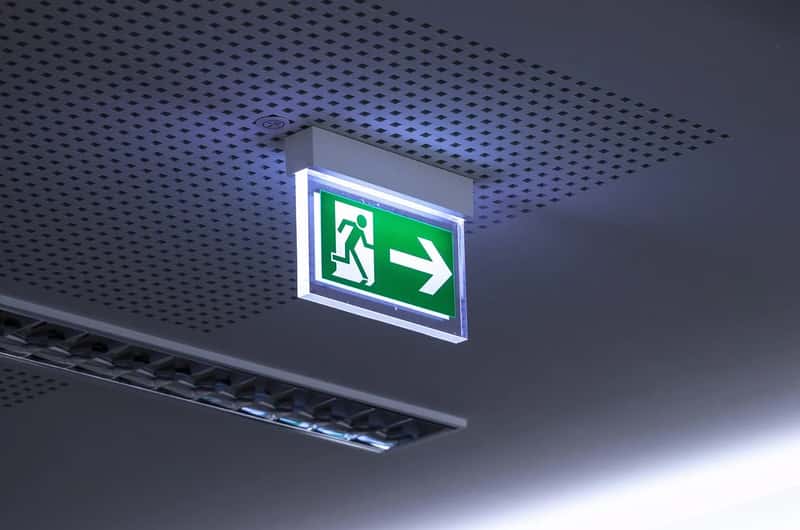
New guests tend to drop their bags, check the Wi-Fi password, and start unpacking. Frequent travelers do something less obvious first: they walk the hallway and locate the nearest exit before settling in. This isn’t paranoia so much as basic preparation, since upon arriving at a room, travelers should immediately identify a fire escape route, checking the location of the nearest stairwell or emergency exit since elevators should be avoided during a fire, and figuring out a couple of potential plans for escape in case the hallway is blocked in one direction or another.[3]
The reasoning holds up under scrutiny. Fire safety officials note that counting the number of doors from the stairwell to your room matters, because in the event of a fire you may be crawling toward an exit and need to count doors along the way.[4] Security experts add that this kind of preparation matters because “in a real emergency, you won’t want to be reading signs in the dark” or feeling confused while searching for an exit.[5] It takes less than two minutes, and it’s the difference between calm movement and panic if an alarm ever does go off.
- Annual U.S. hotel/motel fires: an estimated 3,900 are reported to fire departments every year, causing around 15 deaths and 150 injuries[6]
- Sprinkler reliability: when present and operating, sprinklers work effectively in roughly 91% of hotel or motel fires[7]
- Where fires start: bedroom-origin fires account for a disproportionate share of civilian deaths compared to fires starting elsewhere in the building[7]
3. Assuming every lock in the room actually works
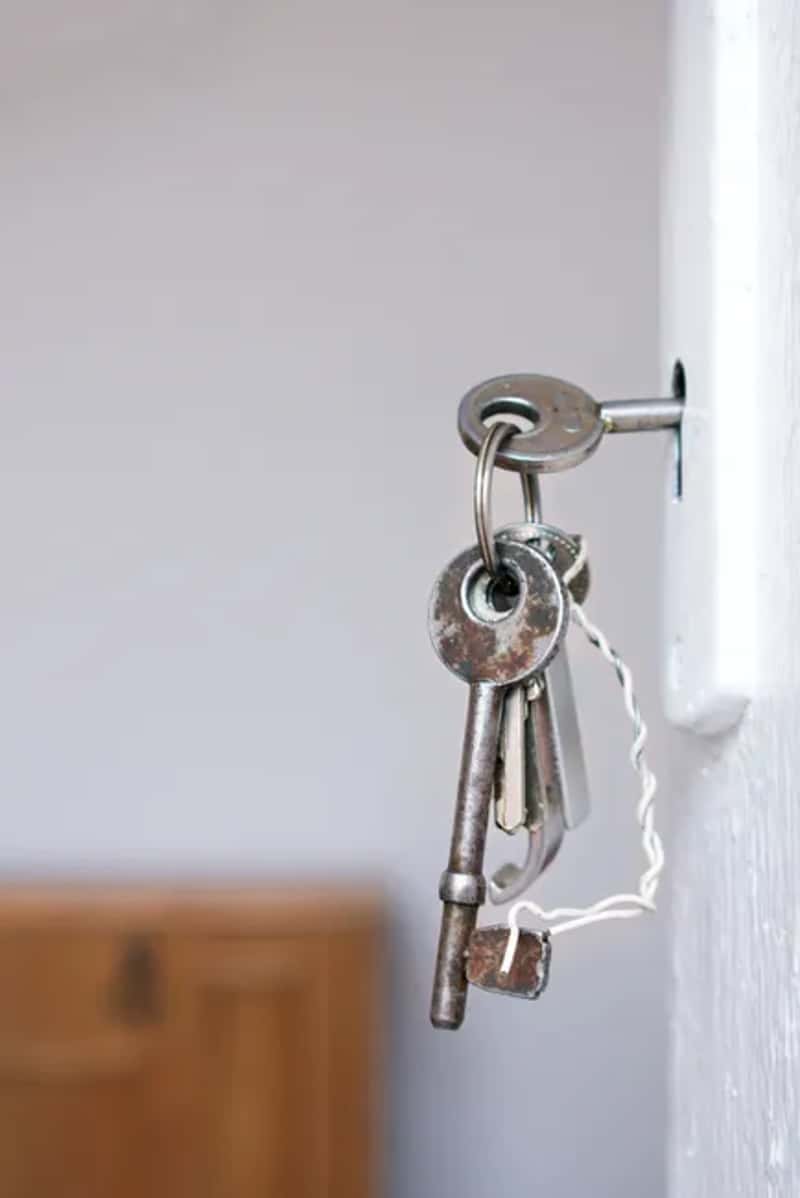
A room with a deadbolt and a chain looks secure on paper, but experienced travelers know that looks can be deceiving. Locks age, hinges loosen, and maintenance gets skipped, especially in older properties or budget chains. That’s why frequent guests physically test every lock, on doors, windows, and balconies, rather than trusting that a working mechanism is a given.
Security consultants who advise both independent hotels and major brands recommend using every available layer once inside a room, since “once you’re in the room, use every locking mechanism available,” citing “the deadbolt, chain and even a portable door lock or rubber doorstop if you carry one.”[5] If something doesn’t latch properly, the advice is straightforward: if any of the locks in a room don’t work, ask to be moved.[5] Travelers who skip this step are essentially trusting a stranger’s maintenance schedule with their own safety, which is a bet not worth making for the sake of avoiding a five minute conversation at the front desk.
- Test the deadbolt, chain, and any secondary latch before unpacking
- Check windows and connecting or balcony doors, not just the main entrance
- Pack a portable travel lock or rubber doorstop as a backup layer
- If any mechanism fails, ask to be moved rather than making do
4. Connecting to hotel Wi-Fi and leaving valuables in plain sight

Digital exposure has become just as relevant as physical risk, yet it’s the mistake most travelers make without even realizing it. Hotel networks are shared, often poorly secured, and rarely monitored the way a home or office network would be. Guidance for 2026 travelers is direct on this point: protect your devices, avoiding logging into sensitive accounts on hotel Wi-Fi and using a VPN or a travel eSIM when possible.[8]
The physical side matters just as much. Seasoned travelers use the in-room safe for anything they can’t afford to lose and keep electronics out of view rather than stacked on a desk near the window, following the general rule to use the in-room safe for passports, spare cash, jewelry, and important documents, and to check that the safe works properly before relying on it.[8] They also treat curtains as a privacy tool, not just a light control, since if you can see into a neighboring building, someone there can just as easily see into your room. None of this requires special equipment, just a habit of treating both a laptop and a passport with the same caution.
- Public Wi-Fi risk: roughly one in four travelers (25%) report being hacked while using public Wi-Fi abroad[9]
- Industry targeting: hotels rank as the third most common target of cyberattacks, accounting for about 13% of all breaches[10]
- Recent surge: 82% of North American hotels experienced a successful cyberattack during summer 2024, with more than half hit five or more times[11]
None of these habits are complicated, expensive, or time consuming. What they share is a shift in mindset, from assuming a hotel room is automatically safe to treating basic verification as part of the check in process itself. Travelers who build these four checks into muscle memory rarely think about them twice, yet they’re often the reason a trip stays uneventful in exactly the way it should.