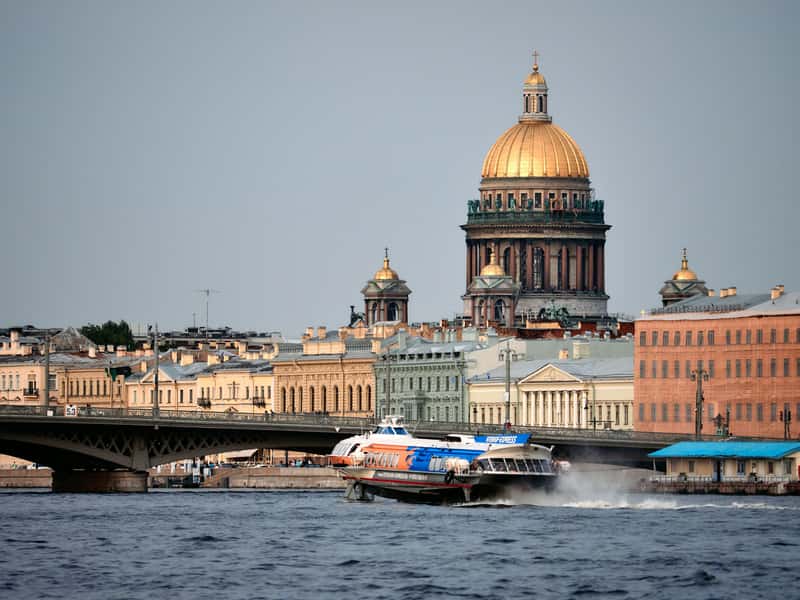
Weather shapes daily life more than most people realize, and nowhere is that contrast sharper than when you compare the world’s sunniest, warmest corners with its darkest ones. Some countries sit so close to the equator that the very idea of a “cold season” feels foreign to their residents, while others, tucked near the Arctic or buried under near-permanent cloud cover, go weeks or even months without a proper sunrise. Here is a look at four nations that live in perpetual summer, followed by six where sunlight is a genuine luxury.
1. Singapore: A City-State Stuck in Eternal Summer

Singapore sits almost directly on the equator, and that geography dictates everything about its climate. Located near the Equator, Singapore experiences a typical tropical climate with abundant rainfall averaging 2,497 mm annually and high temperatures that stay uniform throughout the year. There is no winter to plan around, no autumn chill, just a steady rhythm of heat and humidity from January through December.
What Singaporeans get instead of four seasons is a wet-versus-dry rhythm tied to monsoon winds. Throughout the year, regions close to the Equator experience a warm climate with minimal seasonal variation, and as a result, equatorial cultures recognize wet and dry seasons only. For visitors used to packing coats for December, the idea of year-round shorts and sandals in Singapore can take some adjusting to.
2. Maldives: Endless Beach Weather Above the Waves
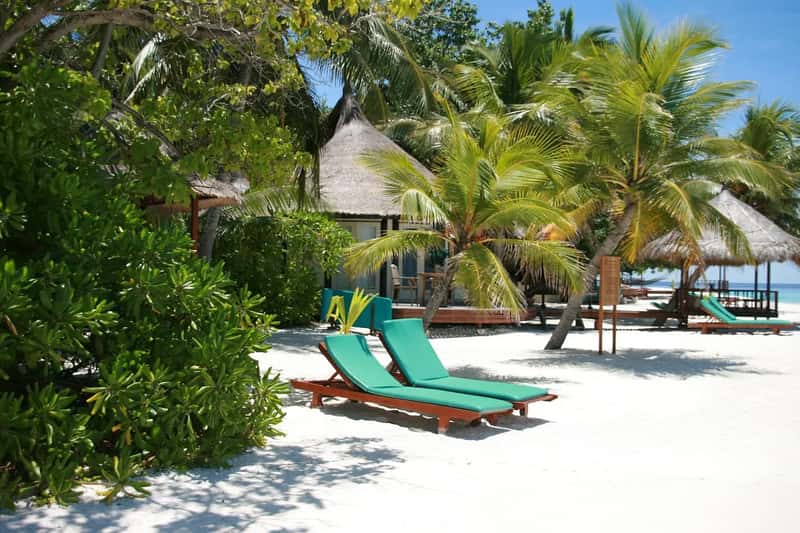
Scattered across the Indian Ocean, the Maldives is one of the lowest-lying nations on Earth, and its position near the equator keeps its lagoons and beaches warm in every month. In equatorial lowlands with an equatorial climate, average annual temperatures are about 88°F (31°C) during the afternoon and 73°F (23°C) around sunrise, with precipitation from rainfall being very high. That combination of warm air and warm water is exactly why the islands have built their entire tourism identity around sun-soaked getaways.
Despite the heavy rainfall, the Maldives still logs plenty of bright hours overall. Up to around 200 rainy days per year occur there, while the average annual sunshine hours are also impressively high at roughly 2,000 hours. Locals don’t talk about summer arriving, because in a sense it never left in the first place.
3. Kiribati: The Pacific Nation Where the Sun Rises First
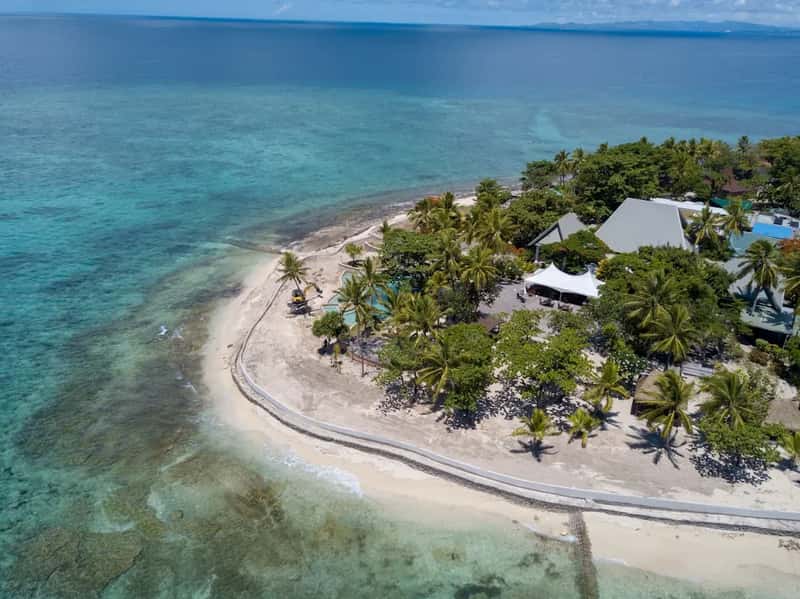
Kiribati is a scattering of coral atolls straddling the equator in the central Pacific, and its geography gives it a rare distinction tied directly to sunlight. Located just to the west of the International Date Line, the Republic of Kiribati is one of the first places on earth to see the first rays of the rising sun, with a time zone 14 hours ahead of UTC, the farthest forward time zone in the world. Being first to greet the sun each day fits neatly with a climate that rarely lets it disappear behind clouds for long.
Like other equatorial nations, Kiribati doesn’t experience the temperature swings that define life in temperate countries. The tropics stay warm year-round with daylight staying close to 12 hours all year, and at the equator, the difference between summer and winter is almost nothing, meaning residents get the same warm weather day after day, year after year. For a nation made up mostly of low-lying atolls, that consistency is as much a part of daily identity as the ocean surrounding it.
4. Seychelles: An Indian Ocean Paradise Without a Winter Clock
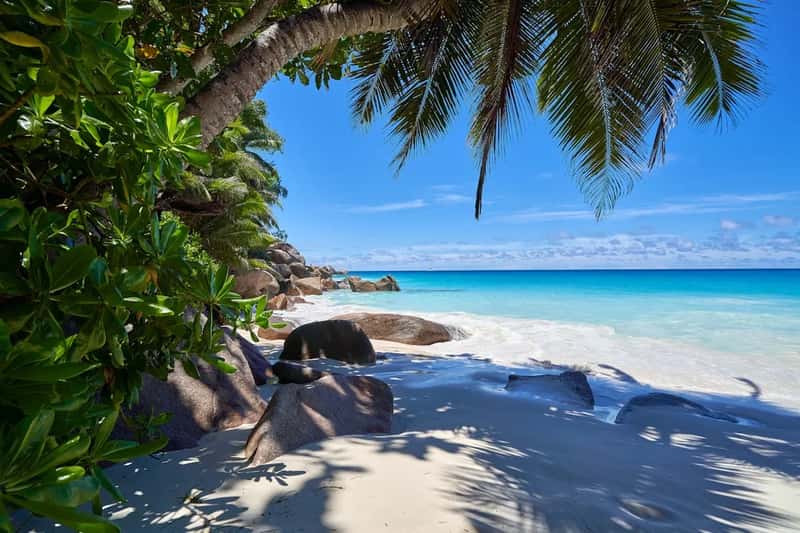
The Seychelles archipelago lies just a few degrees south of the equator in the Indian Ocean, close enough that seasonal temperature swings barely register. Its granite islands and coral cays sit squarely within the belt of equatorial nations where the sun stays high overhead for most of the year, and where the ocean itself acts as a natural thermostat. Locals speak less about “summer” and “winter” and more about the shift between the slightly wetter and slightly drier halves of the year.
That pattern mirrors what happens across nearly every equatorial nation on the planet. All countries across the Equatorial line enjoy an endless summer all year round, meaning temperatures are stable and the usual passing of seasons doesn’t apply, leaving only a wet and a dry season and a short spell of milder weather. For the Seychelles, that translates into beach days that are available in every single month of the calendar.
5. Norway: Land of the Midnight Sun and the Long Polar Night
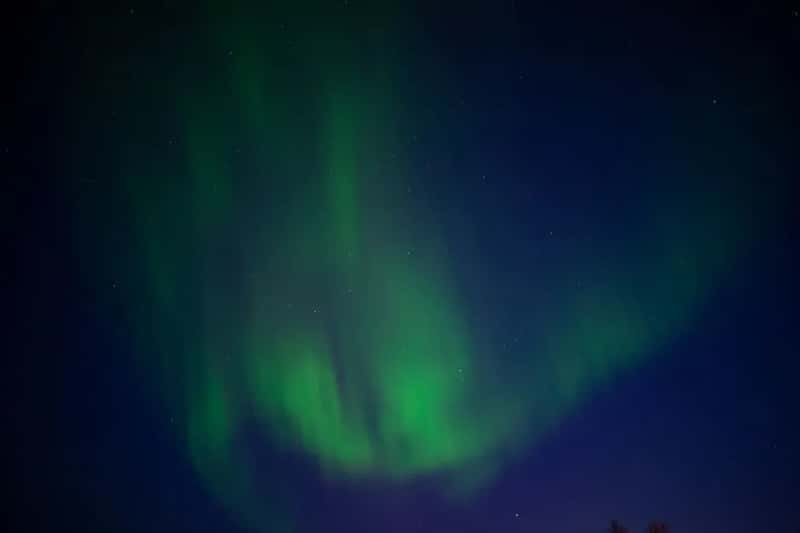
Norway’s relationship with sunlight is a study in extremes rather than absence. Norway, situated in the Arctic Circle, is called the Land of the Midnight Sun, where from May to late July, the sun actually never sets. Come winter, though, the script flips entirely, and in far northern towns the darkness becomes the defining feature of daily life for weeks on end.
Nowhere is this more extreme than in the Norwegian archipelago of Svalbard. Svalbard is famous for attracting visitors during the polar night season of mid-November to the end of January, when the island is plunged into a seemingly everlasting night, offering one of the best chances anywhere to see the aurora borealis. Even in more populated Norwegian towns like Hammerfest, the winter sun barely clears the horizon before slipping away again.
6. Iceland: A Volcanic Island Wrapped in Cloud
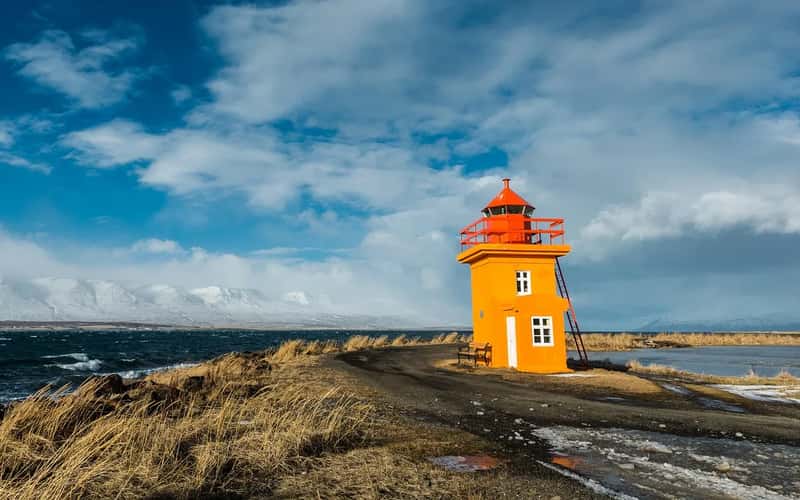
Iceland’s location just outside the Arctic Circle means it avoids true polar night, but its skies stay stubbornly grey for much of the year anyway. Reykjavík sits at the number two spot for Europe’s cloudiest cities, and its northern location means it doesn’t get much sun during the shortest days of winter, with December typically seeing only about 12 hours of sunshine for the entire month. That is barely more sunshine in an entire month than many countries get in a single clear afternoon.
Even in the depths of winter, the darkness in Iceland isn’t quite total, which is a small comfort for residents. Iceland, while geographically just outside the Arctic Circle, experiences near-polar conditions in winter, with only four to five hours of very low-angle light on the shortest December days. Locals lean on candles, cozy interiors, and the promise of the midnight sun months later to get through it.
7. Finland: Where Kaamos Swallows the Winter Sun
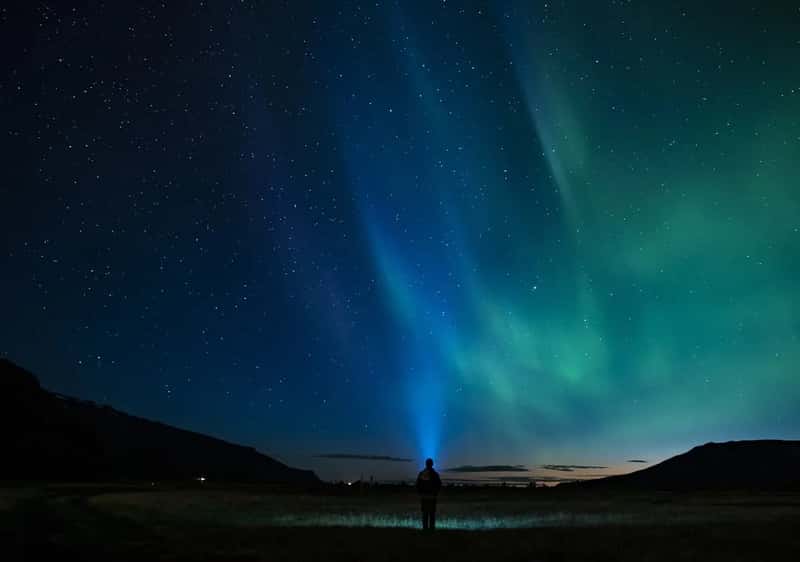
In Finnish Lapland, the phenomenon known as kaamos is not a metaphor for gloominess but a literal, measurable absence of sunrise. In Utsjoki, Finland’s northernmost municipality, the polar night lasts approximately 51 days from late November to mid-January. Even towns sitting almost exactly on the Arctic Circle, like Rovaniemi, lose the sun for weeks rather than days.
The darkness eases the farther south you travel, but daylight remains scarce across the whole country. Southern Finland does not experience true polar night, but faces severely shortened daylight hours, with Helsinki receiving only about 6 hours of daylight during the shortest winter days. Locals describe the period less as pitch darkness and more as a lingering blue twilight, but sunlight in the traditional sense is nowhere to be found for weeks at a stretch.
8. Sweden: Arctic Darkness in Kiruna and Beyond
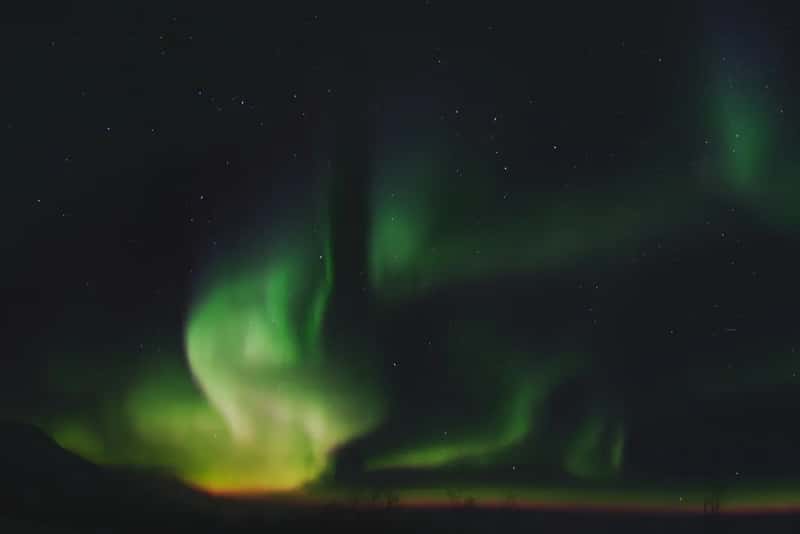
Swedish Lapland experiences the same seasonal blackout as its Nordic neighbors, and Kiruna is the textbook example. In Kiruna, the polar night lasts for about 28 days, and in the beginning of January the sun reappears. For residents, that means nearly a full month where the sun simply never climbs above the horizon, no matter the time of day.
What makes the period bearable, locals say, is that it is rarely as bleak as outsiders imagine. Kiruna and Abisko lie well within polar night territory, with Abisko in particular world-famous for Northern Lights viewing thanks to a localised microclimate of unusually clear skies. Snow reflecting moonlight and the occasional glow of the aurora borealis offer some illumination, even when the sun itself is completely absent.
9. United Kingdom: Cloud Cover as a National Pastime
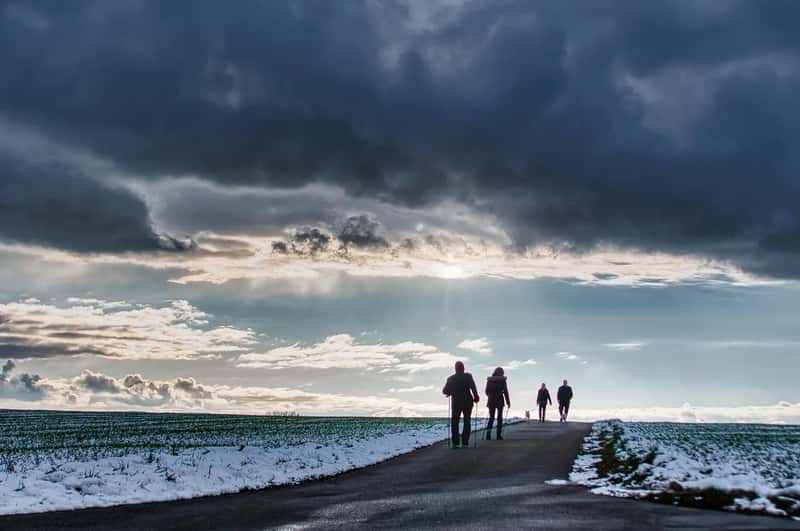
Unlike the Arctic nations on this list, the United Kingdom doesn’t experience true polar night, but its persistent cloud cover produces a similar effect on daily life. Glasgow is the least sunny of Europe’s major cities, with an average of just 1,203 hours of sunshine a year, and becomes especially cloudy during summer when it receives less sunshine per month than other European cities. That is roughly a third of what a genuinely sunny European city might see in the same twelve months.
The shortfall isn’t confined to Scotland either, since it shows up in the national averages too. The average annual number of daily sun hours in the UK has remained above 4 hours per day since 2001, but has not increased above 5, with daily sun hours highest in 2003 at 4.9 hours per day. For a country famous for its rain jackets and grey skies, that statistic tracks with everyday experience.
10. Russia: Vast Distances, Vast Stretches Without Sun
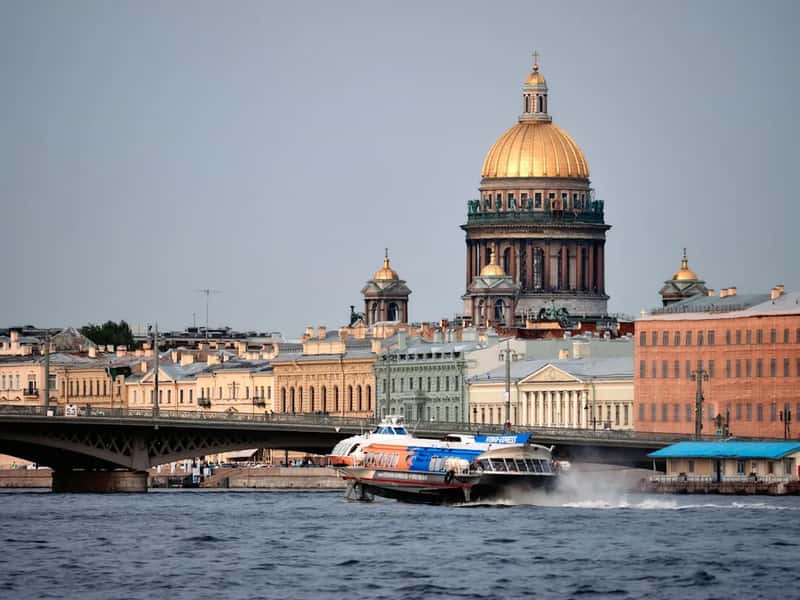
Russia’s sheer size means its sunlight problem isn’t confined to one region, it spans an entire continent’s worth of cloudy and Arctic-influenced climates. In Eastern Europe, Saint Petersburg, Russia ranks as the cloudiest at 1,636 hours of sun a year. For a city of several million people, that puts it well below the sunshine totals enjoyed by most of Western Europe.
Farther north and east, conditions grow even harsher, particularly in Russia’s Arctic settlements. Dikson is among the locations that receive extremely low annual sunshine totals, alongside places like Tórshavn, Chongqing, and Reykjavík. Combine long polar nights above the Arctic Circle with the thick cloud cover common across western Russia, and it becomes clear why sunlight is treated as a precious commodity in large parts of the country.
Put these two lists side by side and you get a genuine snapshot of how differently the sun treats different corners of the planet. Nations like Singapore, the Maldives, Kiribati, and the Seychelles never have to think about layering up or losing daylight, while Norway, Iceland, Finland, Sweden, the United Kingdom, and Russia each deal with their own version of sunlight scarcity, whether that’s true polar night or simply relentless cloud cover. Neither extreme is better or worse, just a reminder of how much geography still dictates the rhythm of everyday life, even in an age when we can fly between climates in a matter of hours.