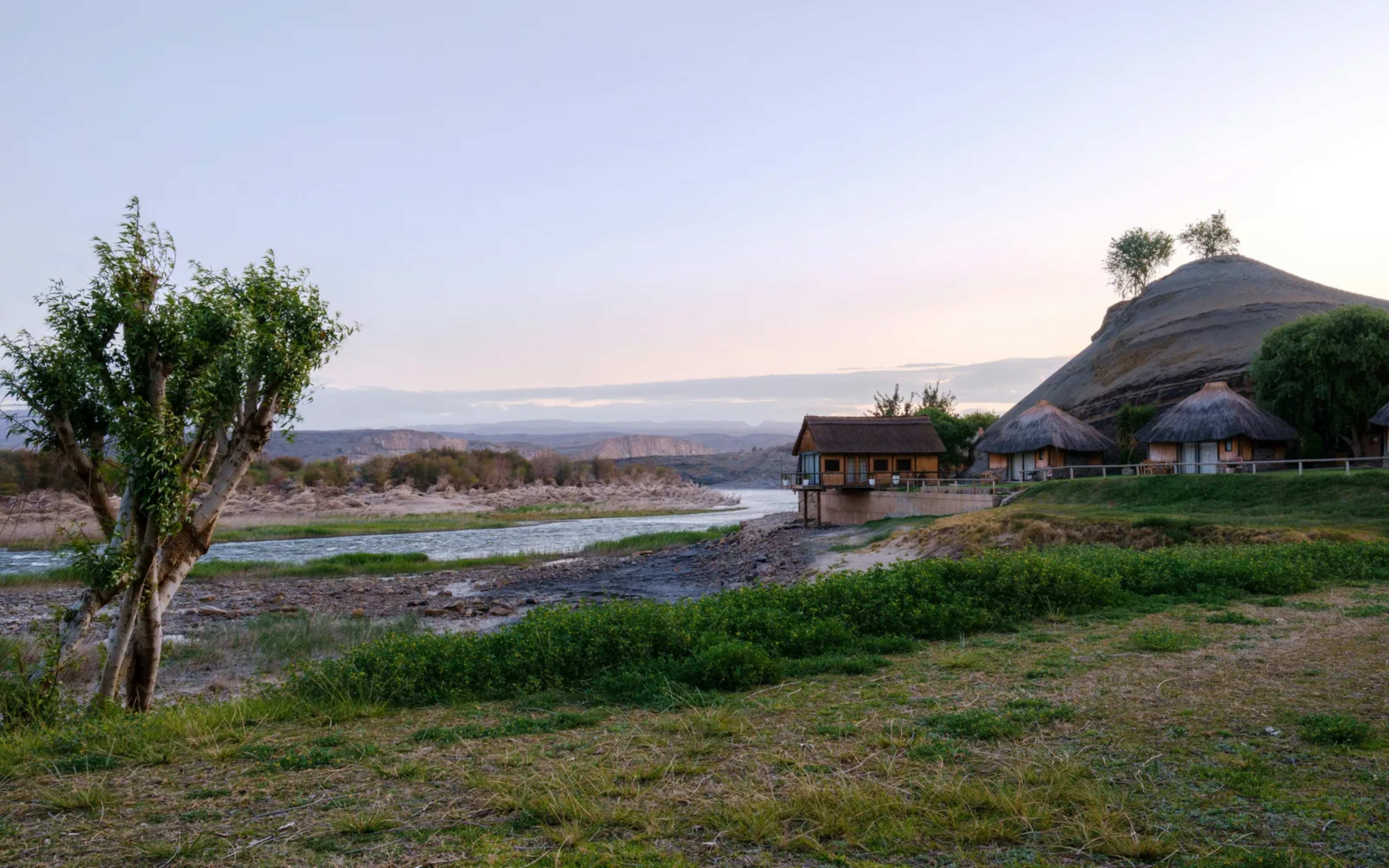
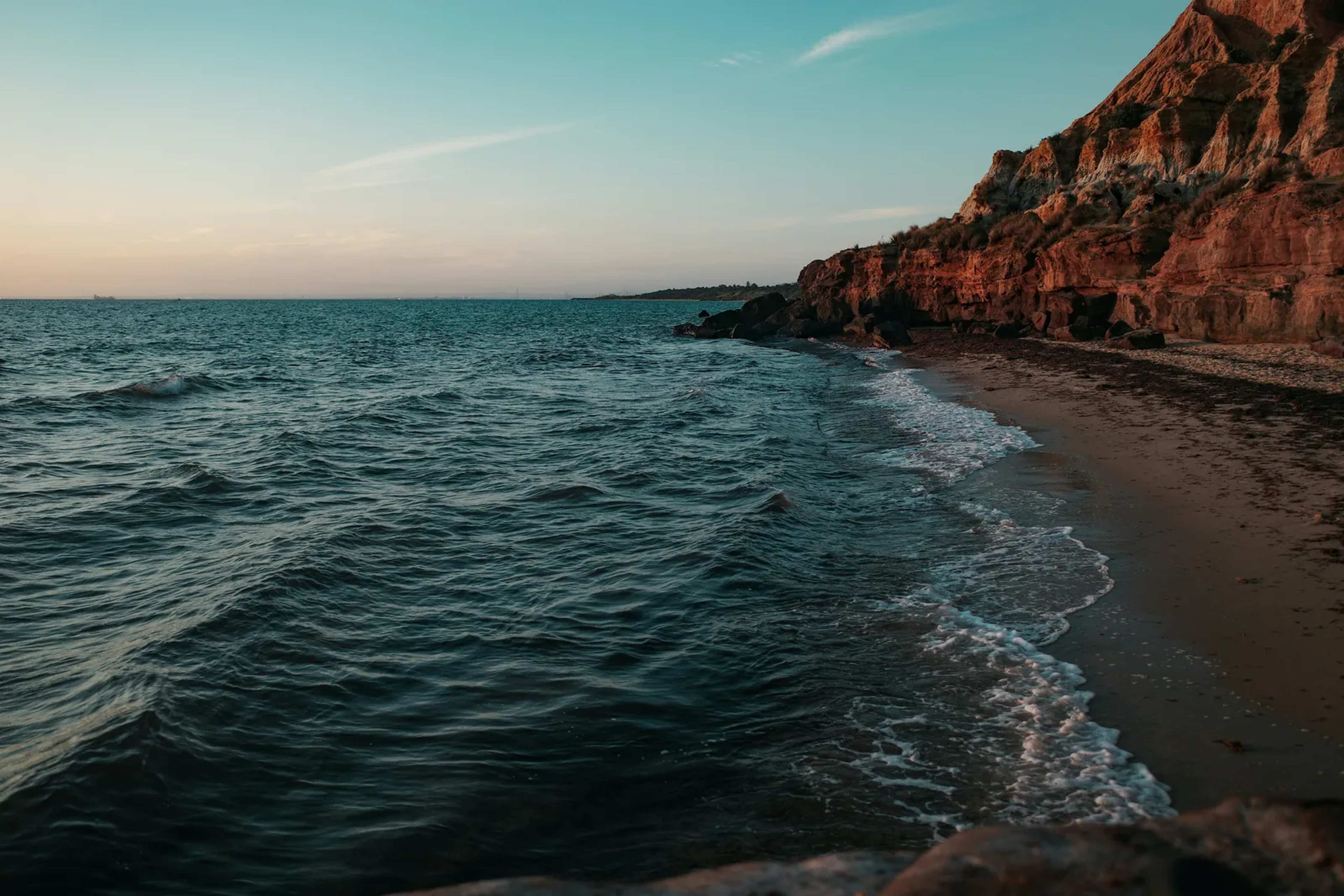
Picture yourself winding through mountain passes where glaciers cling to clifftops, or tracing coastal roads where whales breach just offshore. Canada’s vast wilderness offers road trips that feel less like vacations and more like journeys through another world entirely. These aren’t just drives from point A to point B. They’re immersive experiences where every bend in the highway reveals another reason to pull over, step out, and simply stare.
From the Rockies to the Atlantic, these five routes showcase landscapes so dramatic they’ve earned UNESCO recognition and international acclaim. Let’s dive into the drives that should be at the top of your Canadian bucket list.
The Icefields Parkway: Alberta’s Mountain Masterpiece
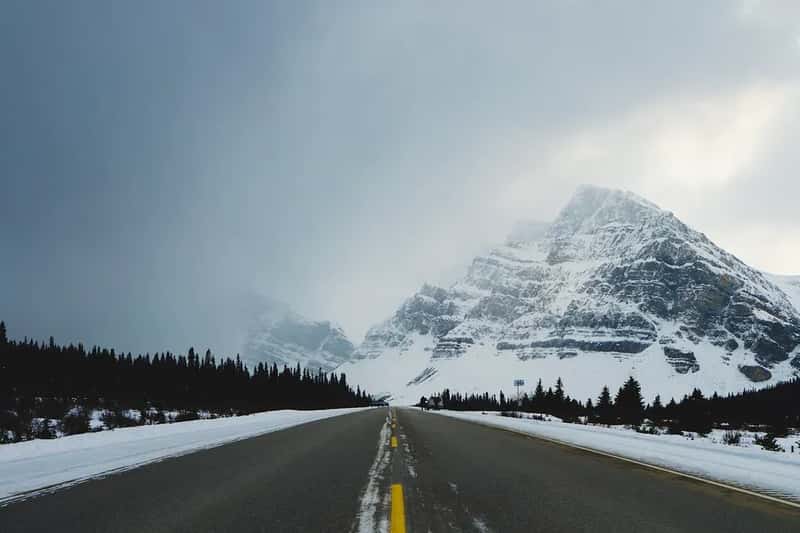
Stretching 232 kilometres between Lake Louise and Jasper, the Icefields Parkway has been named one of the top 10 drives in the world by Condé Nast Traveler. This isn’t marketing hype. National Geographic called it “the drive of a lifetime”, and honestly, that assessment feels spot on.
The route offers soaring rocky mountain peaks, icefields, wildlife, birds, and vast sweeping valleys. The Columbia Icefield, the largest in the Canadian Rockies, features the Athabasca Glacier, which ranks as North America’s most visited glacier. Roughly two million visitors travel the parkway each year, though smart timing can help you avoid the crowds.
Most visitors budget five to eight hours for the drive, though the route itself takes just over three hours without stops. The thing is, you’ll want to stop. Frequently.
The Cabot Trail: Nova Scotia’s Coastal Crown Jewel
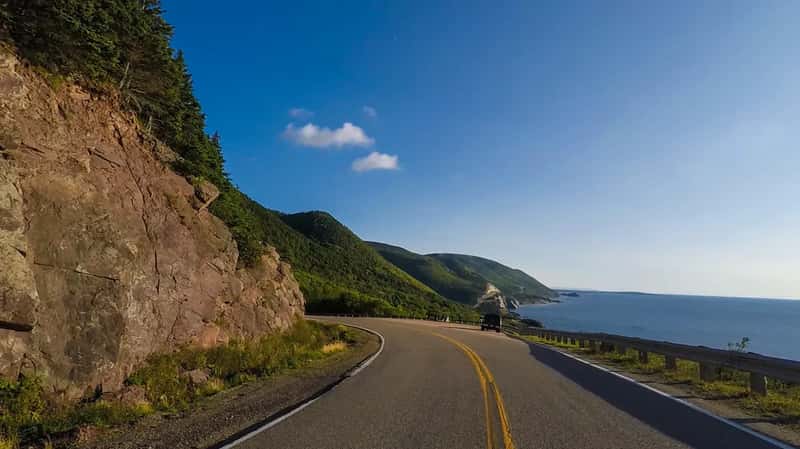
Coined one of the World’s Most Beautiful Drives, this 298 km highway weaves through Cape Breton Highlands National Park, delivering coastal drama at every turn. The Cabot Trail loops around the northern tip of Cape Breton Island, offering breathtaking coastal views, winding roads, and vibrant fall foliage.
One third of the celebrated Cabot Trail runs through the national park, making it one of the most visited regions in Canada. USA Today readers ranked the Cabot Trail one of the 10 best motorcycle trips in the world, speaking to its perfect blend of curves, scenery, and pure riding pleasure.
The route connects Acadian fishing villages, Mi’kmaw communities, and Gaelic culture in a tapestry that feels uniquely Atlantic Canadian. The Cabot Trail is said to be one of the most scenic drives on the continent, especially in fall when summer crowds dissipate, the air crisps, and tree covered mountains transform to hues of red, yellow, and orange.
Sea to Sky Highway: British Columbia’s Dramatic Ascent

British Columbia Highway 99, also known as the Sea to Sky Highway, is the top world’s scenic drive between Vancouver and Whistler in western Canada. Coined one of the most beautiful drives in the world and located within a UNESCO Biosphere Region, the scenic highway winds past hiking trails, beaches, provincial parks, stunning viewpoints and Indigenous kiosks that share stories, history and culture.
Ahead of the 2010 Winter Olympics, British Columbia spent more than $600 million to widen and straighten the highway, transforming what was once a challenging route into an accessible showcase of coastal beauty. Spanning 120 kilometers, the Sea to Sky Highway connects Vancouver and Whistler.
The highway is breathtaking, and it’s worth mentioning that it could be considered a must do activity in itself as it’s not just a highway – it’s a sea to sky destination. Waterfalls tumble from cliffsides, fjords carve into mountains, and the transition from ocean to alpine happens with stunning rapidity.
Viking Trail: Newfoundland’s Journey Through Time
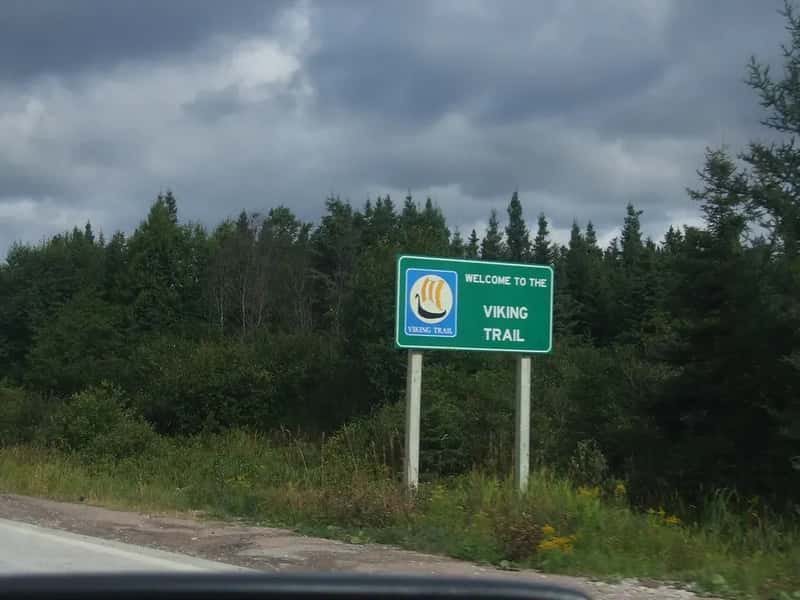
Taking you up the Great Northern Peninsula, the Viking Trail is one of the best road trips in Newfoundland, passing through Gros Morne National Park, provincial historical sites, charming fishing villages, and two UNESCO world heritage sites. The Viking Trail is a 489 km Newfoundland road trip connecting Deer Lake in the south to St Anthony in the north.
Gros Morne National Park boasts towering fjords, dramatic cliffs, and lush forest and was named a UNESCO world heritage site. It has been said “What the Galapagos are to biology, Gros Morne is to geology”, earning its United Nations designation for good reason.
The northern terminus brings you to L’Anse aux Meadows, where Vikings established North America’s first authenticated Norse settlement over a thousand years ago. This northern portion has Newfoundland’s longest iceberg watching season, offering chances to see these glacial giants drifting past rugged coastlines.
Trans Canada Highway Through the Rockies: The Classic Cross Country Route
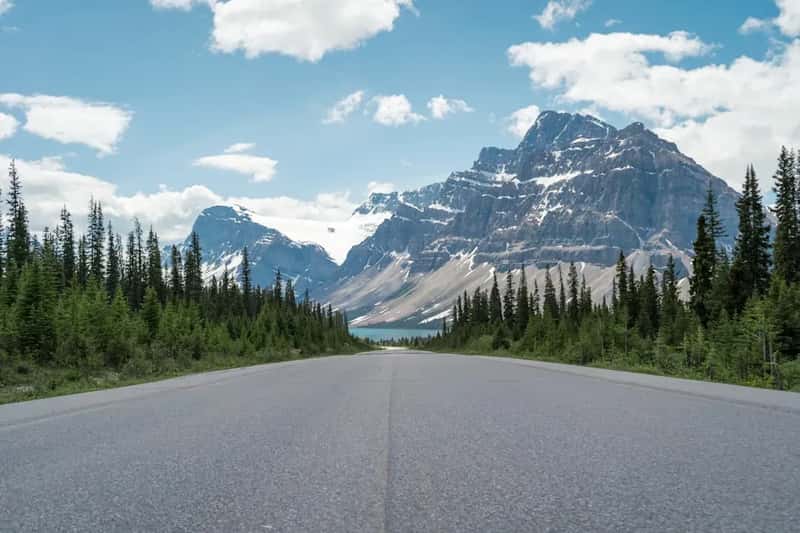
While the entire Trans Canada Highway stretches coast to coast, the section through the Canadian Rockies deserves its own spotlight. This route connects Calgary to Vancouver, threading through Banff, Lake Louise, Yoho, and Glacier National Parks in a succession of mountain scenery that feels almost excessive in its beauty.
Starting in 2023, Moraine Lake Road has been closed to personal vehicles year round, with only Parks Canada shuttles, Roam Public Transit, and commercial bus tours permitted from June to mid October. Planning ahead has become essential for experiencing the region’s most iconic spots. The summer months from mid June to mid October remain the prime window for Rocky Mountain road trips, though wildfire smoke has become an increasing concern in recent years.
The route offers everything from easy roadside viewpoints to challenging alpine hikes, hot springs to glacier walks, wildlife spotting to quaint mountain towns. It’s the Canadian road trip that appears on countless bucket lists for good reason.
Final Thoughts
Canada’s road trips aren’t just about getting somewhere. They’re about the slow reveal of landscapes so grand they humble you, the unexpected wildlife encounters, the small town cafes where locals share stories, and the moments when you pull over just to breathe it all in.
These five routes represent different facets of Canada’s natural beauty. The Icefields Parkway showcases alpine grandeur. The Cabot Trail delivers coastal drama. The Sea to Sky Highway compresses ocean and mountain into a single spectacular journey. The Viking Trail weaves together geology and human history across millennia. The Rocky Mountain section of the Trans Canada ties it all together in one epic cross country adventure.
Each route demands time. Not just hours behind the wheel, but days to explore, hike, taste, and truly experience what makes these drives special. Which one calls to you first?