Walking alone after dark remains one of humanity’s most primal fears, rooted in ancient survival instincts that persist in our modern world. While global safety perceptions have reached historic highs according to the latest data, certain cities still harbor deep-seated anxieties about nighttime safety. The stories behind these fears reveal complex webs of crime, infrastructure challenges, and social dynamics that continue to shape urban experiences.
South African Cities
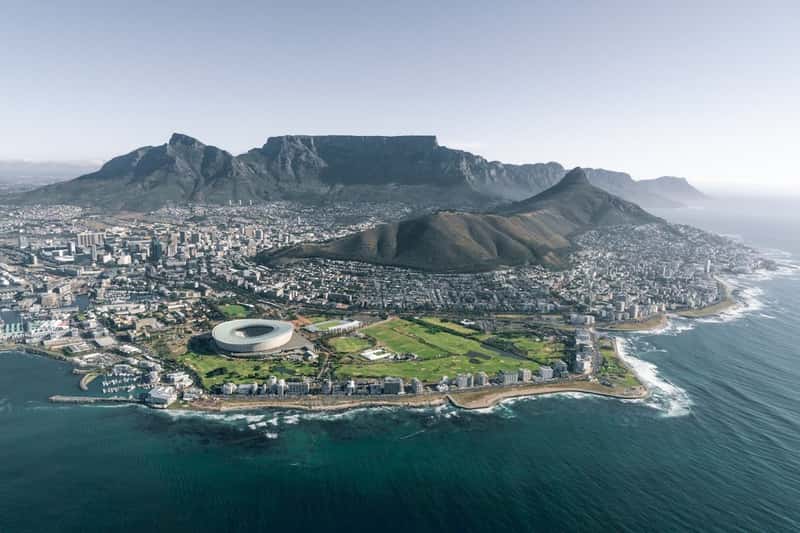
South Africa claims the dubious honor of having the lowest safety perceptions globally, with just 33% of residents saying they feel safe walking alone at night. The gender divide here is particularly stark, with only 25% of women feeling safe compared to 43% of men. This twenty-point gap represents one of the world’s most dramatic safety disparities between genders.
In many South African communities, especially under-resourced townships and informal settlements, crime including assault, robbery, and gender-based violence remains a daily concern. The situation in South African townships creates communities where darkness brings genuine fear. Cities like Johannesburg and Cape Town grapple with complex legacies of inequality that manifest in persistent safety challenges after sunset.
Memphis, Tennessee

Memphis consistently ranks among America’s most dangerous cities, with a violent crime rate significantly higher than the national average. This Tennessee city consistently ranks as one of America’s most dangerous urban areas, creating an atmosphere where nighttime safety becomes a serious concern. The city’s reputation for crime creates a psychological barrier that extends beyond actual statistics.
South Memphis, Orange Mound, Frayser, and Hickory Hill have a reputation for frequent crime, and even the downtown area can be dangerous, so always remain aware of your surroundings, keep valuables hidden, and avoid walking alone at night. Despite its rich musical heritage and cultural attractions, residents and visitors alike must navigate the reality of heightened vigilance after dark.
New York City
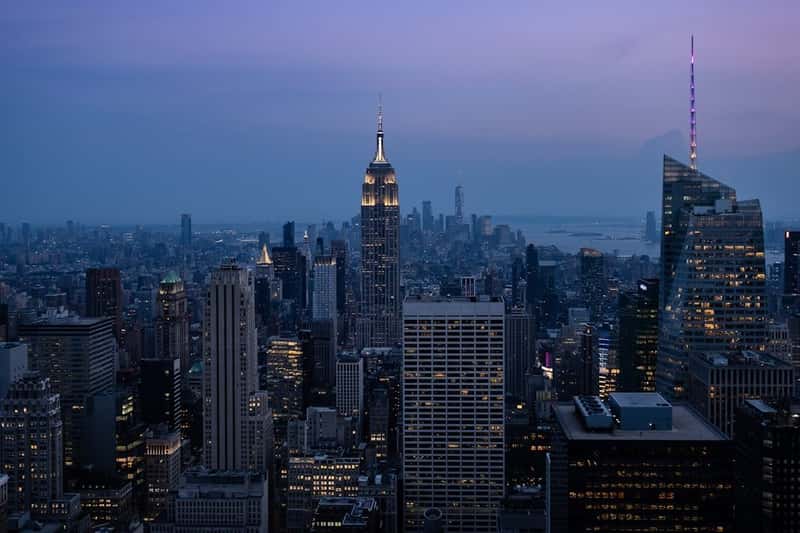
Travel advisors consistently warn that it is not a good idea to walk around alone in New York City at night. Crime can happen at any time of day, but the cover of darkness might permit more nefarious activity than daytime does. The sheer size and complexity of the city contribute to varying safety perceptions across different boroughs and neighborhoods.
Ecuador’s Major Cities

In 2023, reportedly just 27% of Ecuadorians said they felt safe walking alone at night where they live, representing one of the lowest figures globally. The situation becomes even more dramatic when examining specific regions within the country.
Reportedly, just 11% of residents in Ecuador’s most populous province, Guayas, said they feel safe walking alone in their area at night, not including active war zones. However, Ecuador recorded one of the world’s largest year-over-year gains, with the share of Ecuadorians who feel safe rising 11 points to 38% following a series of aggressive security interventions.
Italy’s Urban Centers
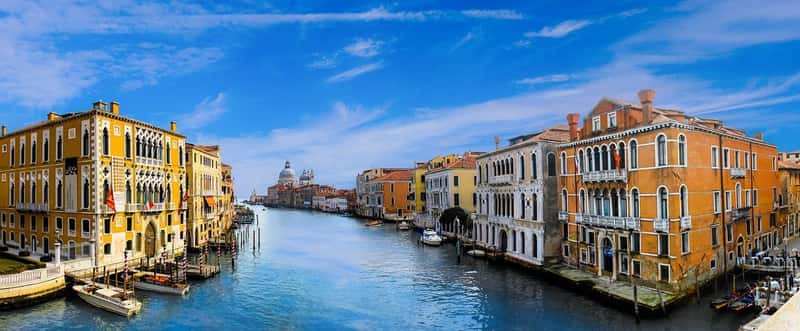
According to available data, the perception of security among Italians is among the lowest in Europe, behind war-torn Ukraine. This places Italian cities in an unexpected position among European nations, where safety perceptions typically run much higher.
Italy’s performance here is the worst in Europe, with a 32-point gap between the security perception of Italian men versus that of Italian women, with 76% of men feeling safe walking alone at night versus 44% of women. Italians seem to underestimate their safety levels, with a gap of 62 positions between perception and estimated reality according to the Global Peace Index.
Conclusion

The striking reality is that perception often diverges from statistical reality, creating complex challenges for city planners and policymakers. Women consistently report feeling less safe than men, highlighting the need for targeted interventions that address both actual security concerns and the underlying factors that fuel fear.
What do you think about these safety disparities between cities and genders? Tell us in the comments.