Planning a trip abroad this year? Let’s be honest, wandering through unfamiliar streets while pretending your phone’s GPS knows better than locals can feel nerve-racking. Safety matters, probably more than you realize, when booking those cheap flights at midnight. Some places welcome travelers like old friends. Others come with risks you shouldn’t ignore.
Here’s the thing, though. Iceland has redeemed its position as the safest destination in the world for the first time in three years, despite volcanic eruptions in 2024, while Venezuela was rated the world’s most dangerous country, with a dismal safety score of 19.3 according to Numbeo’s latest data. The contrast is jarring. We’re exploring six countries across this safety spectrum, from nations where police don’t carry guns to places where even stepping outside carries serious risk. Honestly, understanding what makes one destination peaceful and another perilous might shift your entire travel bucket list.
Iceland: Where Safety Meets Fire and Ice
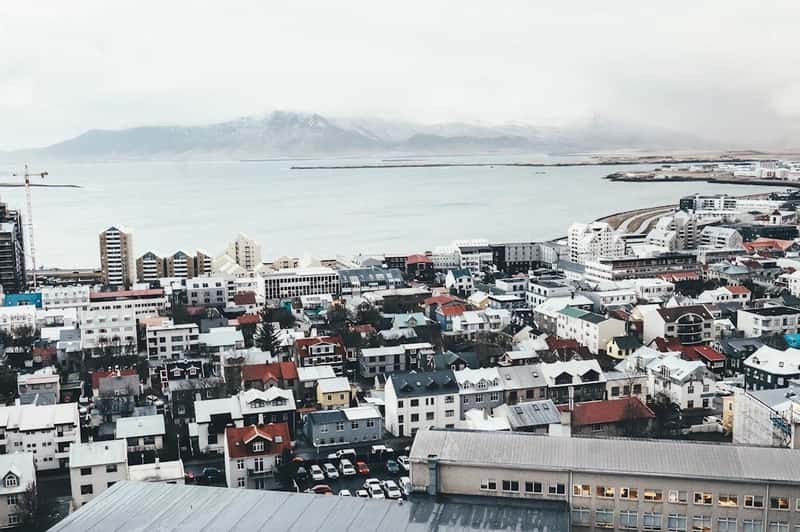
Iceland has been the safest country in the world for the 14th year in a row, according to the Global Peace Index. Think about that for a second. Fourteen consecutive years. This isn’t some fluke or random statistical blip. Iceland has a very low level of crime, which is typically attributed to its high standard of living, small population, strong social attitudes against crime, a high level of trust in its well-trained police force, and a lack of tension among social and economic classes.
Iceland has no military, and the police do not carry firearms (only extendable batons and pepper spray). Picture that if you’re from somewhere where armed law enforcement is the norm. The island nation redirects what could be defense spending into healthcare, education, and social programs. Despite the volcanic activity, Iceland received 1.8 million international tourists in the first nine months of 2025 as it eyes a potentially record-breaking year, showing visitors aren’t deterred by the occasional lava flow.
Still, nature presents its own challenges here. The de-throning was caused by multiple eruptions at the Sundhnúksgígar fissure, which belched columns of smoke into the air and saw dramatic lava flows breach protective barriers near the fishing town of Grindavik. These volcanic disruptions temporarily knocked Iceland from top rankings in some travel safety surveys, proving that even paradise has its complications.
Portugal: Europe’s Hidden Safety Gem
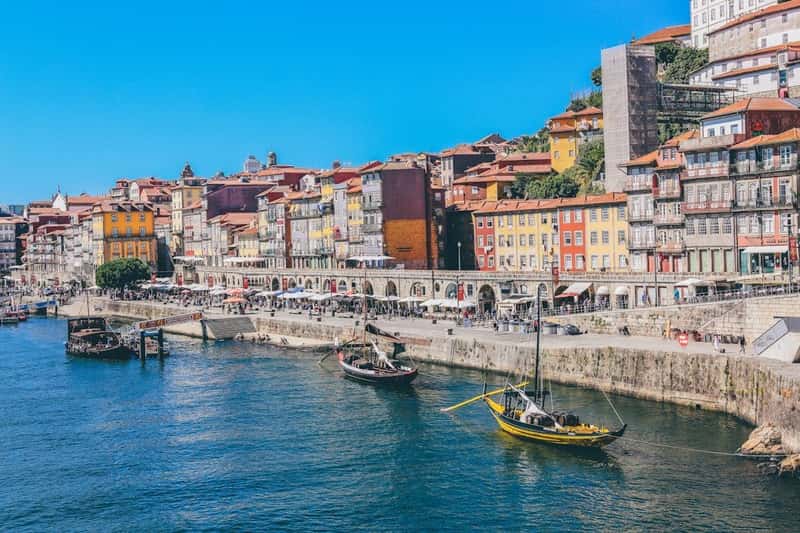
Portugal keeps surprising people who assume Western European safety comes with Scandinavian price tags. Unlike Iceland and New Zealand, Portugal has armed police; however, an increased police presence has resulted in a decreased crime rate in the country. In recent years, Portugal has experienced an economic resurgence, decreasing its unemployment rate from over 17% to under 7%.
In 2025, Portugal continues to thrive as one of the secure travel destinations with low violent crime rates and robust political stability. This stability is vital, especially as tourism contributes a significant 20% to the nation’s GDP. The country has climbed steadily in peace rankings over the past decade, which speaks to sustained improvements rather than temporary luck.
Petty theft remains an issue in major tourist zones like Lisbon. It’s hard to say for sure, but pickpocketing in crowded tram stations and popular viewpoints catches visitors off guard. Yet violent crime stays remarkably rare, making Portugal appealing for solo travelers and families alike who want European charm without constant vigilance.
New Zealand: Remote Beauty With Real Security
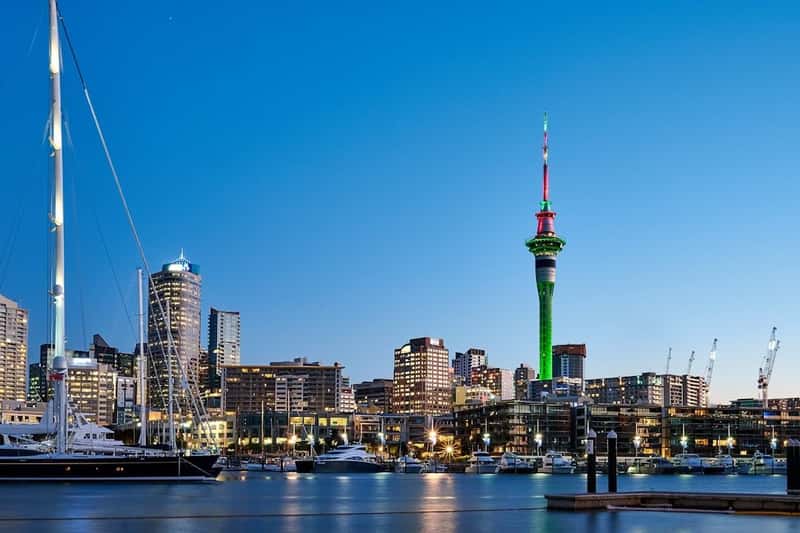
New Zealand is the fourth-safest country in the world. Like Iceland, New Zealand has a very low crime rate, and violent crime is especially rare. Theft is still worth guarding against, especially in tourist areas, but overall risk is minimal. This South Pacific nation consistently ranks among the globe’s most peaceful places, combining stunning landscapes with genuine social harmony.
What sets New Zealand apart? Police in New Zealand do not carry personal firearms, mirroring Iceland’s approach to law enforcement. The country benefits from geographic isolation, strong social services, and laws protecting freedom of expression. New Zealanders are generally open-minded and have laws in place to prevent the violation of anyone’s freedom of speech or expression.
New Zealand, the most peaceful country in the Asia-Pacific region, recorded an improvement in peacefulness over the past year of 3.1%, with just two indicators deteriorating: weapons imports and military expenditure as a percentage of GDP, which increased to stem personnel losses and revamp outdated naval and aerial capabilities. The main increases relate to military modernization rather than internal security threats, which tells you something about how safe daily life actually is.
South Africa: Stunning Landscapes, Serious Risks
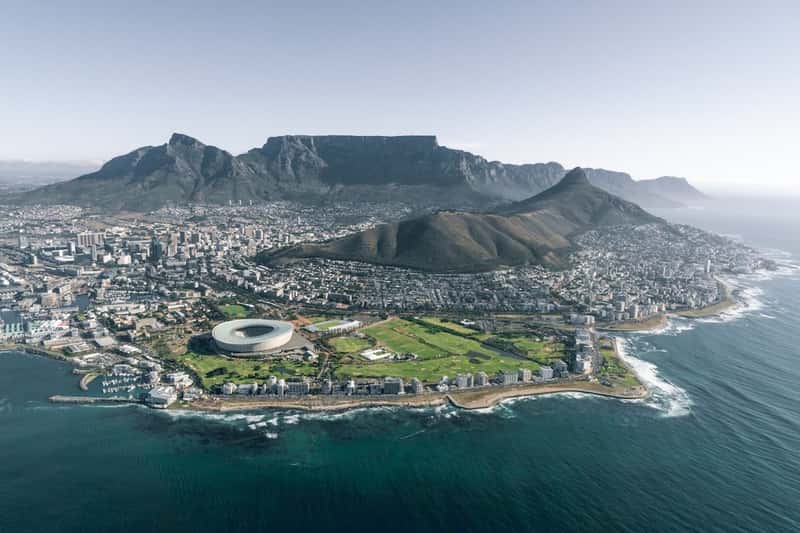
Here’s where things shift dramatically. South Africa, with an alarming Travel Danger Score of 76, is top of the list of perilous destinations. With a staggering 88.5 sexual assaults per 100,000 population and the highest crime index of 75.4 among analyzed destinations, South Africa demands extra vigilance from travelers according to Everly Life’s 2025 analysis.
Adding to these concerns is the country’s high traffic fatality rate of 24.5 deaths per 100,000 people and a subpar healthcare index of 33.2. The numbers paint a troubling picture for tourists, though millions still visit Cape Town, Kruger National Park, and Johannesburg each year. At the top of the list is South Africa, with the highest danger score by a wide margin. The country has an alarming sexual assault rate of 88.5 per 100,000, by far the highest on this list, and the highest crime index at 75.4.
Crime concentrates heavily in specific neighborhoods and townships, meaning some areas pose minimal risk while others remain genuinely dangerous. Private security, gated communities, and careful route planning become necessary precautions rather than paranoid overkill.
Venezuela: Economic Collapse and Lawlessness
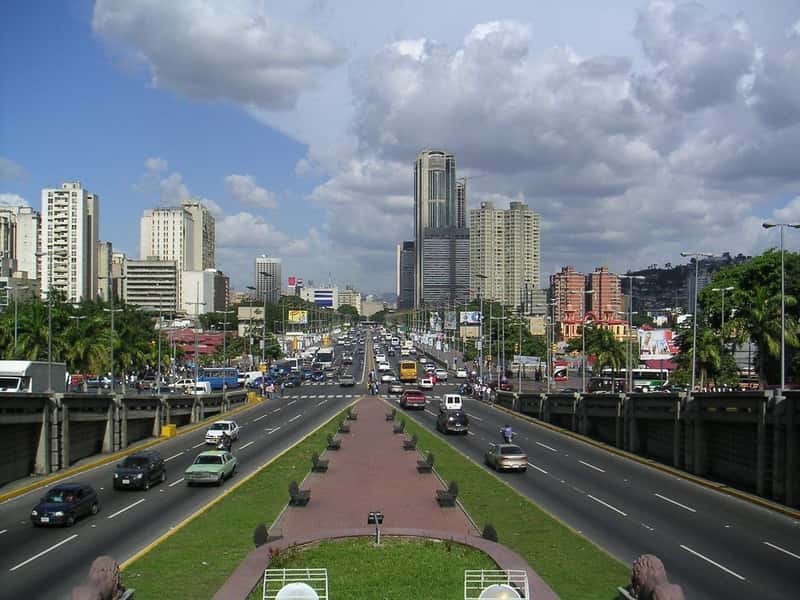
Venezuela was rated the world’s most dangerous country, with a dismal safety score of 19.3. The U.S. State Department has issued a Level 4 “Do Not Travel” advisory for Venezuela, citing risks including homicide, armed robbery, kidnapping, and civil unrest. Political demonstrations often turn violent, and law enforcement responses can be brutal and unpredictable.
There are many protests that generally turn violent in Venezuela. The economic situation in this country has caused a shortage of food and medical supplies. It is known for having one of the world’s highest crime rates, which is very dangerous for tourists. The country’s infrastructure has crumbled alongside its economy, creating cascading failures in healthcare, transportation, and basic services.
What happened here serves as a cautionary tale. Economic instability doesn’t just make life uncomfortable; it directly fuels crime and violence. Other countries at the bottom of the list face severe challenges related to gang violence, political instability, and economic hardship. Venezuela exemplifies how quickly conditions can deteriorate when governance fails and institutions collapse.
The contrast between Iceland’s unarmed police and Venezuela’s unpredictable law enforcement feels almost surreal. These six countries represent the full spectrum of what travelers encounter globally in 2025. Safety isn’t guaranteed anywhere, yet certain destinations offer overwhelmingly peaceful experiences while others present avoidable dangers. Choosing wisely means researching current conditions, checking government travel advisories, and honestly assessing whether adventure justifies risk. Where will you feel comfortable exploring this year?