When you step off a plane in a foreign country, the warmth of local hospitality can make or break your entire experience. While tourism brings economic benefits to destinations worldwide, the relationship between visitors and residents varies dramatically from place to place.
Recent research and data from 2024 and 2025 paint a fascinating picture of which countries roll out the red carpet for tourists, and which ones have grown less enthusiastic about the endless stream of visitors.
Panama: The Ultimate Welcome Mat
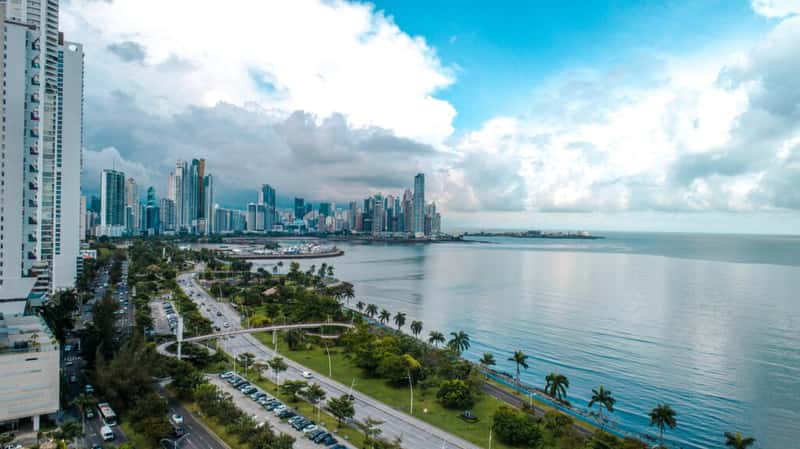
Panama topped the list as the friendliest country for expats in 2024 – and it’s easy to see why. Expats love the affordable housing, great weather, and easy visa process. Nearly 90% said their income covers a comfortable life, and over 80% are happy with their overall experience.
The InterNations survey of over 12,500 respondents found that Panama’s relaxed atmosphere and genuine local warmth make visitors feel instantly at home. It’s also a breeze to settle in, make local friends, and enjoy a balanced lifestyle. Whether for retiring or working remotely, Panama’s welcoming vibe and laid-back charm make it a favorite destination for expats from all corners of the world.
Mexico: Where Friendship Flows Like Tequila
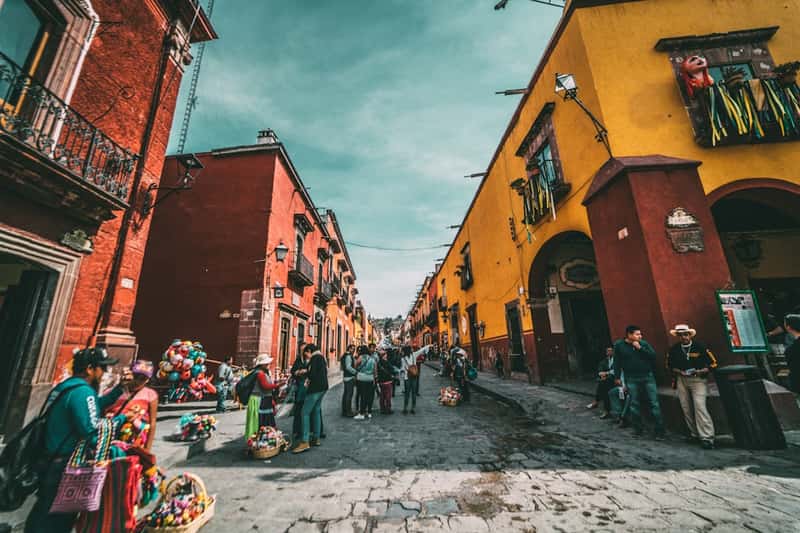
Coming in at #2 in InterNations’ 2024 rankings for friendliness toward expats, Mexico continues to win hearts with its warmth and vibrancy. Nearly 9 in 10 expats say they’re happy living there, thanks to friendly locals, a strong sense of welcome, and a culture that’s easy to adapt to. Housing is both easy to find and afford, and over 90% of expats feel genuinely welcomed by locals. Mexico’s cultural openness extends beyond just the expat community.
The country’s tourism infrastructure and genuine hospitality have made it one of the most visited destinations in the Americas, yet locals maintain their warm demeanor toward visitors. Mexico lands on the seventh spot with 45.0 million arrivals. Its vibrant culture, mouth watering food, sun-beaten beaches, and famous Mayan and Aztec ruins are a strong pull for tourists.
Iceland: Nordic Cool With Warm Hearts

But it’s the locals that really make an Icelandic holiday special. While consistently ranking among the world’s happiest countries, Iceland tops the list of friendly countries. Icelanders welcome outsiders with open arms, and will go above and beyond to make you feel at home.
Iceland is a small island nation with the happiest locals. Although they’ve been bombarded with tourism over the last 20 years, they have managed to keep their warm and welcoming personalities. They want you to enjoy their country and their culture. Despite the dramatic increase in tourist numbers, Iceland has maintained its reputation for genuine hospitality.
Australia: Laid-Back Legends

Australia tops the list as the world’s friendliest country due to locals’ laid-back attitude and willingness to help tourists. The Australian approach to tourism reflects the country’s cultural values of mateship and giving everyone a fair go.
Whether you’re backpacking through the Outback or exploring Sydney’s harbor, Australians are known for their helpful nature and genuine interest in making visitors feel welcome. This friendliness isn’t just surface-level politeness but stems from a cultural appreciation for diversity and new experiences.
The Philippines: Genuine Warmth in Paradise
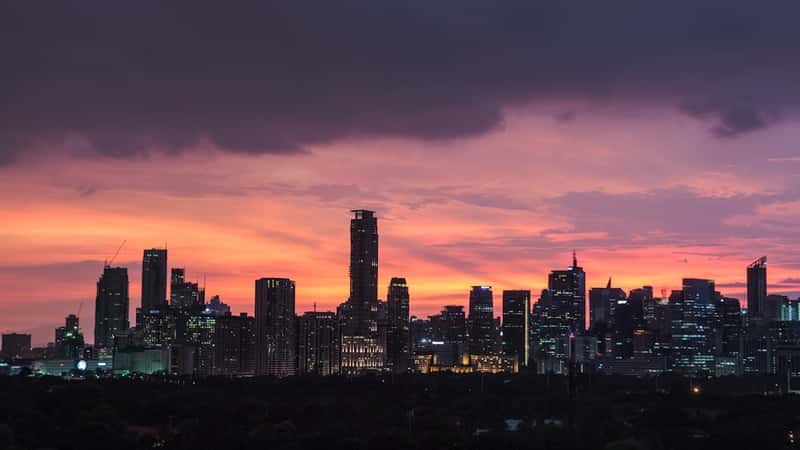
The Philippines is already known for being wallet-friendly, with many budget-friendly places to visit around the country. According to visitors, that is far from the only reason to add this island country. Regardless of which beach tourists decide to dip their toes into, they can consistently plan to interact with friendly locals eager to enhance their overall experience.
Despite not officially being an English-speaking country, over 92% of Filipinos speak English, making interactions easier and adding to the sense of friendliness and comfort throughout the country. The language barrier that often creates distance between tourists and locals simply doesn’t exist here. Filipino hospitality is legendary, with locals going out of their way to help visitors navigate their islands and experience authentic local culture.
Spain: Paradise With Growing Pains

Spain presents a complex case study in tourism dynamics. While the country remains incredibly popular, welcoming 94 million tourists in 2024, compared to its 48 million population. The international tourist expenditure in 2024 was around 126 billion euros.
However, 2024 marked a turning point with widespread anti-tourism protests. Spain, the world’s second most visited country, marked 2024 with several major anti-tourist movements: residents shooting water pistols at travelers in Barcelona, Seville weighing an entry fee and mass protests in the Canary Islands, among others. In April 2024, mass protests began in the Canary Islands, with residents calling for a temporary limit on tourism until legislation to combat the negative effects of overtourism could be introduced.
Between 20,000 and 50,000 people across the islands took part in coordinated protests against the excess tourism, which campaigners argue has damaged the welfare of the population and the islands’ environment. The protests weren’t directed at tourists personally but at government policies that prioritize tourism revenue over housing affordability for locals.
Italy: Bella Vista, Growing Frustration
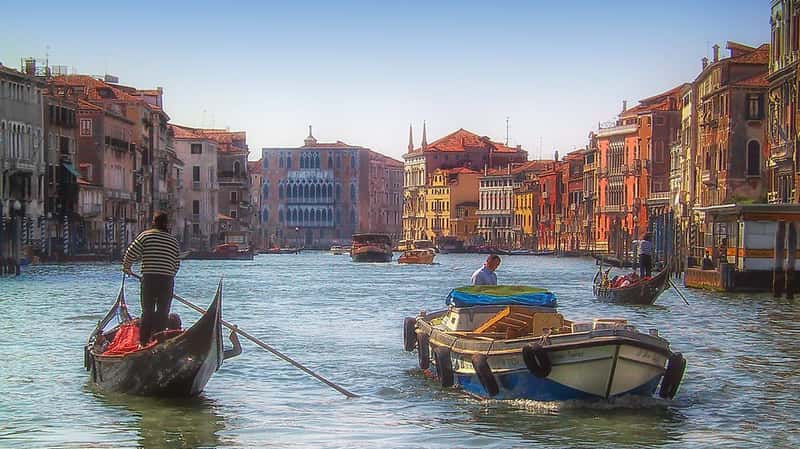
In Italy, which had 23% year-over-year growth, the popular cities of Venice and Florence have both banned large tour groups. Around the country, overtourism prevention measures took a variety of forms, including night swimming bans, “stoplights” to indicate when an area was too crowded and rules prohibiting people from reserving coveted beach spaces with umbrellas the night before.
Venice implemented the world’s first day-tripper tax in 2024, charging five euros for entry during peak periods. In Venice, Italy, one of Europe’s most visited cities, local campaigners have long decried the impacts of over-tourism.
The city, which receives nearly 30 million visitors annually, has seen an exodus of residents, skyrocketing housing costs, and worsening environmental damage, particularly from cruise ships. Italian locals haven’t lost their natural warmth, but institutional measures reflect growing concerns about sustainable tourism levels.
Thailand: Hospitality Meets Language Barriers

Thailand finds itself in an unusual position. Topping the list is Thailand, with a composite score of 98.9, ranking it as the place where visitors are most likely to feel out of their element.
While Thailand is well-known for its hospitality, the language barrier poses a significant challenge. The country’s low English proficiency index of 416 often makes basic communication difficult for English-speaking tourists, even though it ranks highly for friendliness. The famous Thai smile and genuine desire to help visitors remains strong, but practical communication challenges can make tourists feel like outsiders despite the locals’ best intentions.
Thailand welcomes the world at number eight, with 39.8 million arrivals, giving them a taste of Asia through its royal palaces, ancient ruins, ornate temples, and folk traditions, not to mention the famed beaches. The disconnect between warmth and accessibility highlights how language barriers can affect the tourist experience.
The tourism landscape continues evolving rapidly. Growth is expected to continue throughout 2025, driven by strong demand contributing to the socio-economic development of both mature and emerging destinations. Yet as the UNWTO’s panel of experts cautioned that “balancing growth and sustainability will be critical in 2025”, the relationship between visitors and locals will likely determine which destinations thrive in the coming years.
What’s your take on finding that sweet spot between being welcomed and being overwhelming?