Picture this: while workers in Denmark clock out after around 26.5 hours per week, others around the globe are putting in nearly double that time. It’s a stark reality that reveals deep economic and cultural divides across nations. The length of a workweek tells a story far beyond simple numbers. It speaks to economic necessity, cultural values, and the pursuit of prosperity in an unequal world.
Workers around the world average 43.9 hours per week, yet significant variations exist between countries. Some nations consistently push their workforce to extremes, while others have embraced shorter schedules with impressive results. Let’s explore five countries where locals work the longest hours and understand the complex forces driving these demanding schedules.
Cambodia: Nearly 47 Hours Per Week in a Growing Economy

Cambodia leads the world in working hours with approximately 2,456 hours annually, translating to just under 47 hours per week. This Southeast Asian nation’s demanding work culture stems from its position as a developing economy still heavily reliant on labor-intensive industries.
The country’s high employment rate tells an interesting story. Cambodia maintains an 80% employment rate, significantly higher than the East Asian average of 63%. However, these jobs often lack the productivity and wages found in more developed economies.
The World Bank suggests Cambodia’s economy could expand further through export diversification, better small business support, improved industry integration, and workforce skill development. These growing pains reflect a nation transitioning toward industrialization while still grappling with the demands of economic development.
Bangladesh: Fast Growth Meets Long Hours
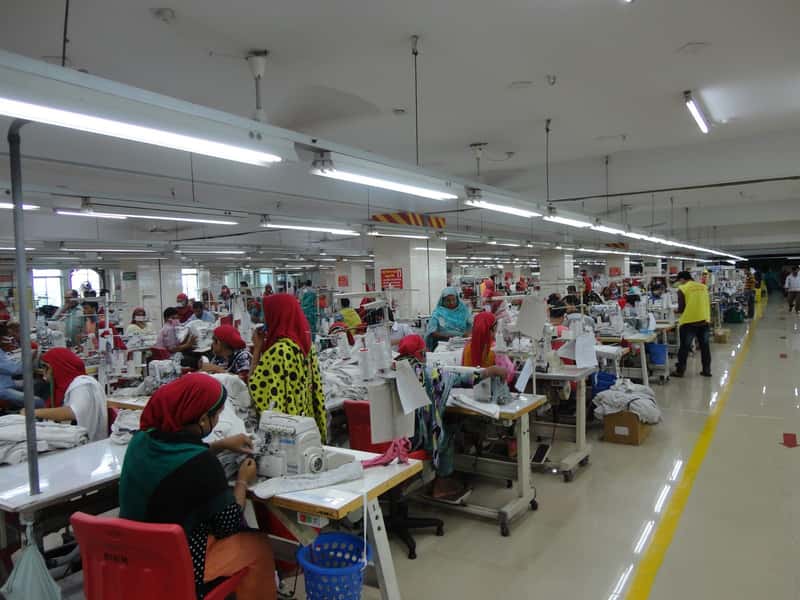
Bangladesh boasts one of the world’s fastest-growing economies and is rapidly approaching middle-income status, yet work hours remain exceptionally long. The country exemplifies the tension between economic progress and worker welfare.
The majority of Bangladeshi workers, comprising 84.9% according to the Bangladesh Bureau of Statistics, labor in the informal sector without basic rights like fair wages, fixed hours, or health insurance. This informal economy drives the extended working hours as people struggle to earn an adequate income.
The long hours reflect economic necessity rather than choice. Workers often need multiple income streams or extended shifts to meet basic living costs in an economy still building its industrial and service sectors.
Singapore: Prosperity Through Productivity

Singapore maintains long workweeks despite being one of the world’s freest and most prosperous economies, contrasting with many other countries where long hours indicate economic struggle. This city-state represents a unique model where extended working hours coexist with high development levels.
Singapore’s approach differs fundamentally from other long-hour countries. The nation has built a highly developed economy while maintaining demanding work expectations, suggesting cultural and competitive factors beyond pure economic necessity.
The country’s strategic position as a financial and business hub in Asia creates intense competitive pressures. Workers often extend their hours to match global market demands and maintain Singapore’s reputation as a premier business destination.
Mongolia: Mining Economy Demands

Mongolia has demanding work schedules, though not ranking among the very top countries for longest work hours globally, despite relatively low labor productivity levels. The country’s economy heavily depends on mining and commodity exports, creating unique workforce demands.
Mongolia faces one of the world’s highest export concentrations, primarily in mining products, making the country highly susceptible to global commodity market fluctuations. This economic vulnerability drives workers to maximize their earning potential during favorable market conditions.
As of 2025, services contribute 44.2% to GDP, industry 38.1%, and agriculture just 7.4%, with agriculture’s share declining due to severe winter conditions. The shift toward mining and industry often requires intensive labor schedules to maximize production efficiency.
Uganda: Agricultural Economy Pressures
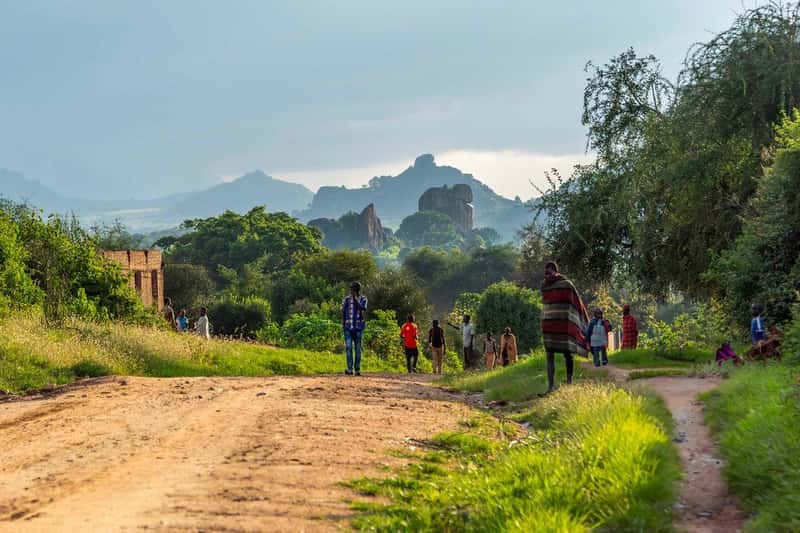
Agriculture accounts for 24% of Uganda’s GDP and employs approximately 72% of the labor force, creating conditions that demand extensive working hours throughout growing and harvest seasons. This East African nation demonstrates how agricultural economies often require longer work periods.
Job creation isn’t keeping pace with Uganda’s rising working-age population, and available positions are predominantly informal and low-skilled. This mismatch forces workers to extend their hours or take multiple jobs to earn sufficient income.
The country’s economic structure creates a cycle where low productivity necessitates longer hours. Top foreign exchange earners include gold, coffee, tourism, and remittances from Ugandans working abroad, indicating that many citizens seek better opportunities elsewhere due to local economic constraints.
The Economic Reality Behind Extended Hours

Countries like Cambodia and Myanmar demonstrate some of the lowest GDP per capita alongside the highest working hours, with Cambodian workers putting in around 2,500 hours annually compared to Switzerland’s fewer than 1,600 hours. This stark contrast reveals the harsh economic reality driving long work schedules.
Residents of poorer countries aren’t just consumption poor but also leisure poor, as low productivity forces them to work extensively just to survive, leaving little time for education or personal improvement. This creates a challenging cycle that’s difficult to break.
The difference in working hours between rich and poor countries isn’t due to work ethic variations but largely reflects differences in circumstances and opportunities available to workers. Understanding this helps explain why certain nations maintain such demanding schedules.
Technology and Productivity Gaps

Countries with lower labor productivity, such as Cambodia, at only $3 per hour, require workers to work significantly more hours to compensate, while technological innovation enables higher productivity elsewhere. This productivity gap fundamentally explains the working hour disparity.
Agricultural innovation exemplifies how technology drives productivity growth, with US farm production per labor hour increasing nearly 16-fold from 1948 to 2011. Countries lacking such technological advances must rely on extended labor hours to achieve similar output.
The relationship between working hours and national prosperity becomes clear when examining these productivity differences. Nations with limited access to advanced technology, capital, or training naturally require more human hours to generate equivalent economic value.
These five countries illustrate how extended working hours often reflect economic necessity rather than cultural preference. Whether driven by developing economies, agricultural dependence, resource extraction, or informal labor markets, long work schedules frequently indicate underlying structural challenges that require comprehensive solutions beyond simply mandating shorter hours.
What do you think drives these working hour differences between countries? Tell us in the comments.