Ask anyone who has sailed more than a handful of times, and they will tell you that cruising is full of temptations designed to separate you from your wallet. The buffet is free, the pool is free, but almost everything with real flash tends to carry a price tag that only makes sense in the moment. After enough sailings, seasoned cruisers start to notice a pattern in what actually pays off and what quietly drains the vacation budget.
The following five purchases show up again and again in traveler forums, cruise line review threads, and firsthand accounts from people who have made these mistakes so you do not have to. None of these are universally bad choices, but the math and the track record suggest most cruisers end up feeling shortchanged.
1. Unlimited Beverage Packages for Light Drinkers

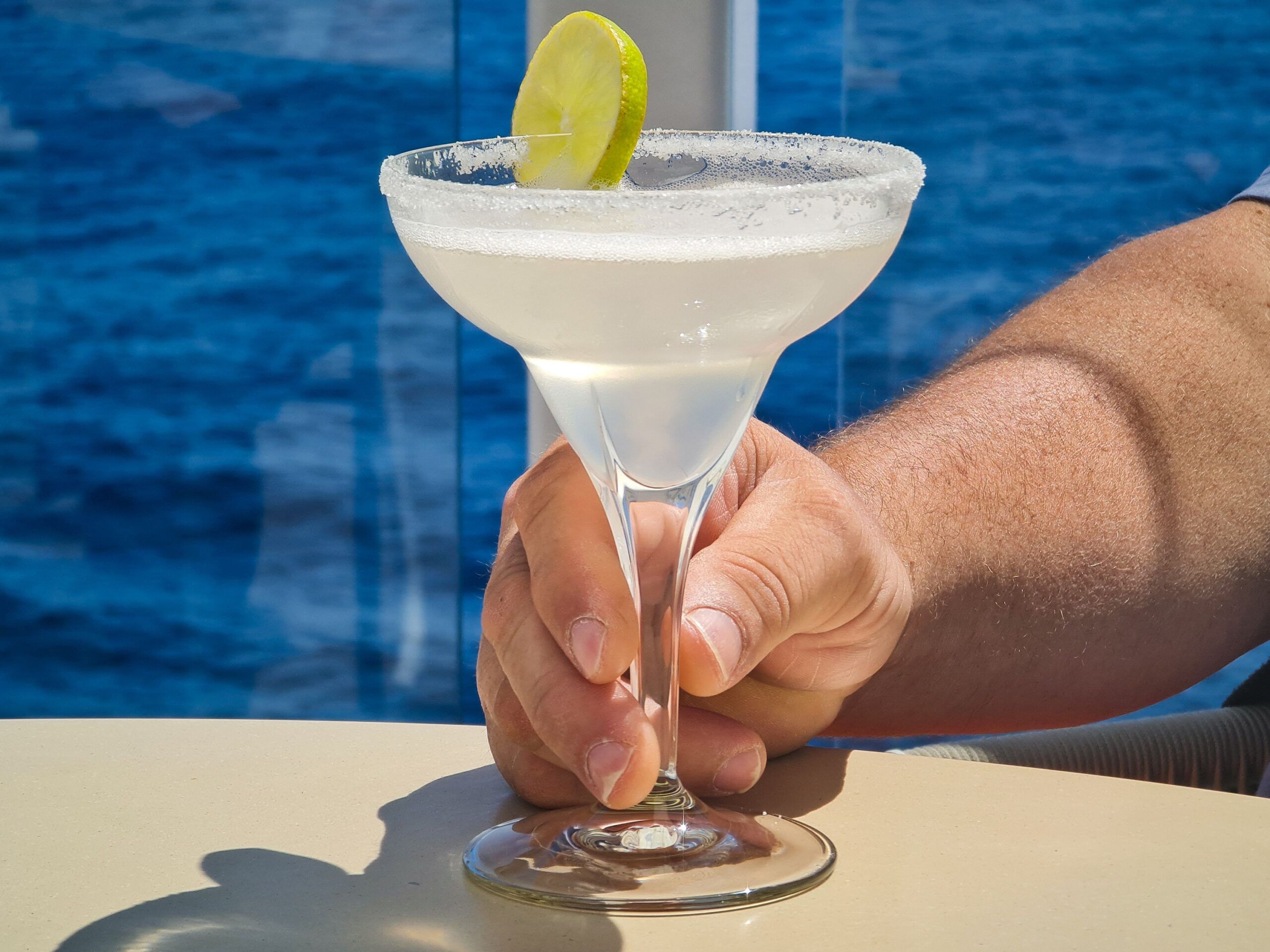
Drink packages are marketed as the ultimate stress-free upgrade, but the pricing only works in your favor if you actually drink a lot. Across the major lines in 2026, Royal Caribbean’s Deluxe Beverage Package runs $79 to 109 per day before an 18% automatic gratuity, while Celebrity’s Premium Beverage Package runs $89 to 115 per day plus gratuity[1]. Once the service charge is added, a couple sailing seven nights can easily see this single add-on top a thousand dollars.
The break-even math is unforgiving for casual sippers. Industry pricing guides note that cruise drink packages cost $60 to 100 per person per day and are only worth it if you drink five or more alcoholic beverages daily[2], with most lines pegging the actual break-even point at five to six drinks per day[2]. If your real vacation pattern is a glass of wine at dinner and a cocktail by the pool, you are likely looking at only two to three drinks a day, which means overpaying by tens of dollars daily and wasting as much as $230 to $600 over a weeklong cruise[2]. Experienced cruisers increasingly recommend running your own numbers before buying rather than trusting the sales pitch at check-in.
2. Peak-Hour Spa Treatments

Few onboard experiences generate more buyer’s remorse than the spa. In a widely shared Royal Caribbean Blog survey of past cruisers, a relaxing or therapeutic spa service topped the list of things past cruisers regretted spending their money on, with over 20 people citing the spa as being a bad buy[3]. One frustrated cruiser summed up the letdown bluntly, writing that “the cost of services are similar in price to the nice hotel day spa close to the my house. And the pushy sales pitch on board is awful.”[3]
Pricing tends to spike hardest exactly when demand is highest. On sea days, when there is nowhere else to relax outdoors, sea day pricing and automatic service charges push common massages into triple digits on many ships, making the relaxation premium hard to justify when thermal areas, quiet decks, and beach time can deliver similar bliss[4]. Veteran cruisers who still want a treatment typically book on port days instead, since discounts are common but not guaranteed on all sailings[4] when the ship empties out and the spa staff have open appointment slots to fill.
3. Art Auction Purchases
Shipboard art auctions have built a reputation that experienced cruisers now actively warn each other about, and the history behind that reputation runs deep. Since 2008, the controversies have left a mark on the industry with some cruise ships dropping art auctions altogether[5], largely because of complaints against the dominant auction operator, Park West Gallery, which faced at least 21 lawsuits since 2008[6] alleging inflated appraisals and misrepresented values.
The core problem, according to reporting on the disputes, involves how appraisal values were presented to buyers. One documented case saw a passenger paying close to $73,000 for three Dali prints that he was told were valued at more than $100,000[7], while prints from the same series that generated the most complaints were simultaneously available on eBay for around $1,500 each while being pitched on ships as premium collectibles worth multiples of that[6]. A cruiser who bought several pieces later reflected that the art “are pretty and look nice. But as other people have said could have gotten same on line for a lot less money.”[3] Even guests who enjoy the auction atmosphere, complete with the free champagne, tend to treat any bid as pure entertainment spending rather than an investment.
4. Onboard Jewelry and Watches

The glittering jewelry cases lining the shopping promenade are another repeat offender on the regret list. Cruisers who have made this purchase mistake describe a familiar letdown once they get home and start comparison shopping. As one traveler put it after twenty-plus cruises, that tanzanite ring pushed for $500 could be found for half that back home, with one commenter noting the jewelry onboard is high quality and high price, but would cost fifty percent less at a store like Jared[8].
Watches carry the same markup problem, since duty-free pricing on a ship is not automatically a bargain simply because it sounds tax-free. Royal Caribbean cruisers surveyed about their biggest onboard regrets specifically called out watch purchases, with one summing up her husband’s impulse buy simply: “My husband bought a stupid Invicta watch. I told him not to.”[3] The lesson experienced cruisers pass along is straightforward: treat any onboard jewelry counter the same way you would treat an airport kiosk, and price-check anything before the ship pulls away from port for good.
5. Elaborate Photo Packages and Photoshoots
Professional cruise photographers are everywhere from the gangway to the dining room, and their portraits genuinely look sharp under the ship’s studio lighting. The trouble is the pricing structure, which can range from reasonable to jaw-dropping depending on the package. On Carnival, a modest fifteen-photo portrait package runs $299.99[9], but the upsell can escalate dramatically, as one couple discovered when a photographer told them a photobook of professional pictures would cost over $12,000[10] before eventually offering a reduced option starting around $400.
Even the more modestly priced packages only pay off under specific conditions. Disney’s photo packages, often cited as the gold standard in the industry, typically run $195 to 250 for a four-night cruise[11], and cruise bloggers who track the value consistently note that the package is only worth it if you actually make the effort to stop at the photographers throughout the sailing[11]. Families who breeze past the backdrops end up paying full price for a handful of shots that a smartphone could have captured for free, which is exactly why many repeat cruisers now skip the package entirely and rely on their own cameras, saving the photo budget for one or two standout portraits instead.
None of these five purchases are outright scams, and each one has satisfied customers who would happily buy again. Still, the pattern among people who cruise often is consistent: know your own habits, do the math before you swipe the room key card, and treat anything sold under time pressure with a healthy dose of skepticism. The ship will always be there tomorrow with the same offer, usually at the same price, giving you plenty of room to think it over rather than decide on the spot.