
America’s coastal paradises have become victims of their own success. What once promised serene escapes from city life now face an unexpected crisis that threatens their very charm. These beloved beach destinations are drowning under waves of visitors, creating a perfect storm of overcrowded streets, overwhelmed infrastructure, and frustrated locals who can barely recognize their own neighborhoods.
Outer Banks, North Carolina

The legendary barrier islands of North Carolina have transformed into a tourist magnet that’s testing every limit. Recent data shows travelers spent billions in the state, a clear indication of its growing popularity as a tourist destination. While this influx of tourists has had positive economic effects, it has also led to increased strain on local infrastructure and resources.
Popular tourist areas like the Outer Banks and the Great Smoky Mountains National Park are seeing more visitors than ever before. As more people flock to these areas, the local communities are feeling the pressure. Traffic congestion, overcrowded attractions, and a rise in the cost of living are just some of the challenges residents are facing.
Key West, Florida
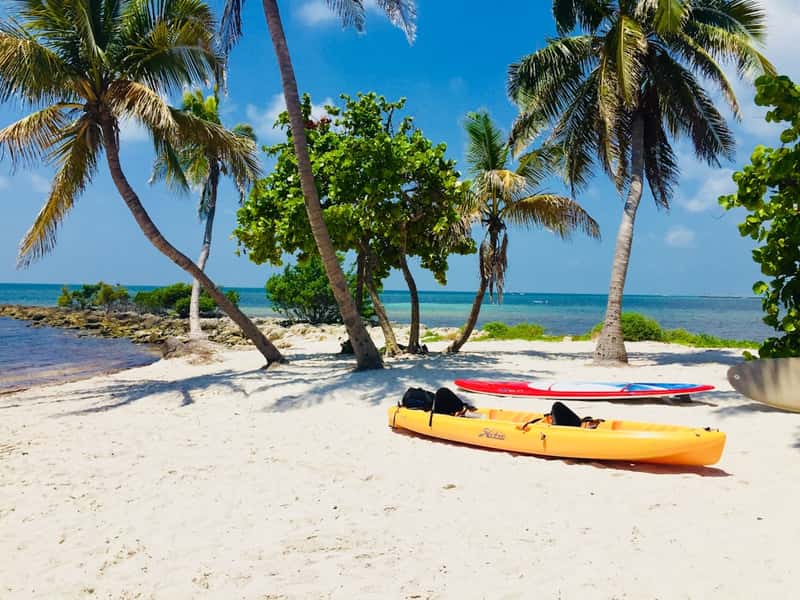
The southernmost tip of America is experiencing a tourism reality check that locals have been anticipating for years. Tourist occupancy rates, which are tougher for me to track through online sources, appear to trend down beginning in 2023 and into 2024. My guess is that when the final 2025 numbers are in, we’ll see measurably lower totals. While Key West remains one of Florida’s most popular tourist destinations and there’s no such thing as budget-friendly rates, it’s probably safe for me to say we have way more rooms than we have visitors to fill them.
Still, we’ve got too many vehicles vying for free parking and I’d giddily forgo the battalions of unsteady tourists on bikes, scooters, golf carts and assorted e-transports clogging the streets. The island’s infrastructure simply wasn’t designed to handle the volume of visitors who arrive daily, creating chaos on narrow streets that were never meant for modern tourism levels.
Similarly, Miami, Tampa, and Key West are witnessing higher accommodation rates, exacerbating the strain on family vacations. Florida’s tourist traps, like inflated food costs at popular spots, and hidden charges at theme parks are eroding the once-affordable vacation experience.
Virginia Beach, Virginia
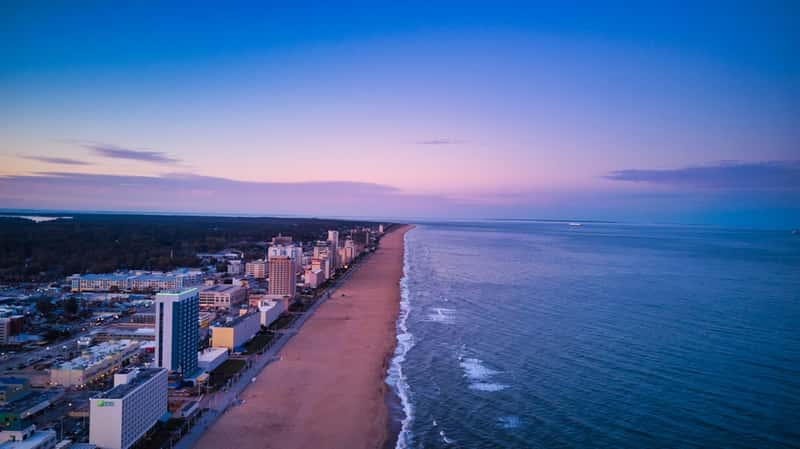
City officials expect millions of visitors this summer, the same as last year. This massive influx creates a scenario where the main beach in the oceanfront was crowded, but this would obviously be typical for the summer. Lots of restaurants, and tourist things, but typically bad traffic. It’s a rather congested area, but the area is a tourist Mecca, so no surprises there.
Visitors describe the challenges firsthand, noting that finding peaceful spots has become increasingly difficult. Sand dunes, volleyball, perfect spot for lying in the sun without the crowds from the oceanfront. Locals are not real keen on the public being there, and parking is a hassle but free. This tension between tourists seeking space and locals protecting their community areas highlights the growing strain.
In 2023, Virginia Beach recorded USD 3.8 billion in tourism impact. The economic benefits are undeniable, yet they come at a cost that residents feel daily through traffic congestion and overcrowded public spaces.
Myrtle Beach, South Carolina

Though specific 2024 data for Myrtle Beach wasn’t available in current searches, this Grand Strand destination exemplifies the broader crisis facing southeastern beach towns. The area has long struggled with seasonal population explosions that transform quiet coastal communities into chaotic tourist hubs. Local infrastructure groans under the weight of millions of annual visitors who converge on beaches designed for much smaller crowds.
The ripple effects extend beyond busy beaches to include overwhelmed emergency services, strained water systems, and local residents who find themselves priced out of their own communities. Restaurant wait times stretch for hours, traffic moves at a crawl, and finding parking becomes a competitive sport that few locals want to play.
Panama City Beach, Florida
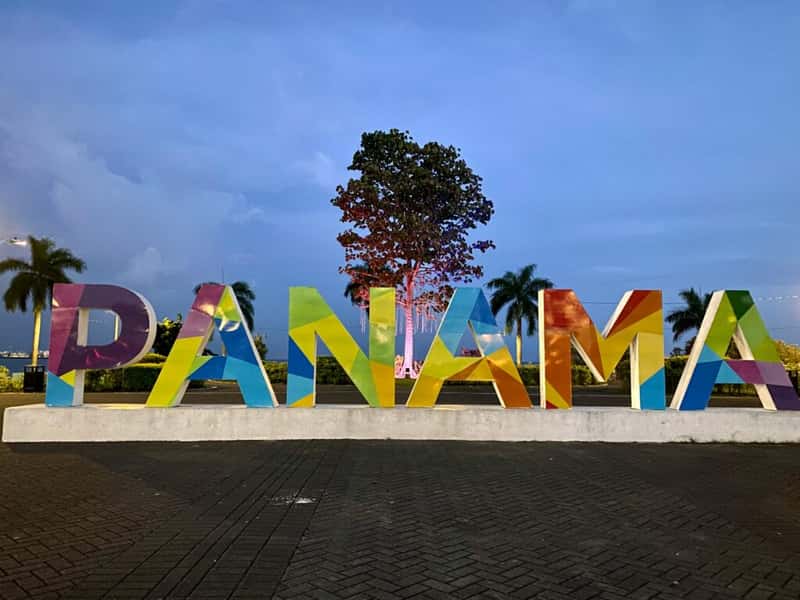
Florida’s Emerald Coast destination faces similar challenges to its beach town neighbors, though current specific data wasn’t readily available in recent searches. However, as part of Florida’s tourism sector in 2024‑2025 has been marked by record-breaking visitor numbers – record-breaking visitor numbers in recent years.
The destination struggles with the classic beach town dilemma where spring break crowds and summer family vacations create population surges that local infrastructure simply cannot accommodate. Hotels book solid months in advance, rental prices skyrocket during peak seasons, and locals often avoid their own downtown areas during tourist season.
Emergency services face particular strain during peak periods, and environmental concerns mount as pristine beaches show wear from constant foot traffic and increased waste generation.
These five beach towns represent a microcosm of America’s overtourism challenge. Overtourism happens when too many visitors flock to a place, overwhelming local services, the environment, and residents. However, as the number of visitors increases, it leads to overcrowded attractions, clogged roads, overworked staff, and significant environmental damage. The solution isn’t simple, requiring a delicate balance between economic benefits and community preservation.
What’s your take on this growing crisis? Have you witnessed the transformation of your favorite beach destination from a hidden gem to an overcrowded hotspot?