Canada sells itself on open space, so it can feel odd to hear that some of its best known places are struggling with crowds. Visitor numbers have climbed fast in the past couple of years, and not every community has the roads, housing or parking to keep up.
The places below are a mix of mountain towns, coastal escapes and historic districts. Some are cities in the strict sense, others are small municipalities that behave like cities in July. What they share is a gap between the number of people who arrive and the number of people who actually live there.
Banff, Alberta
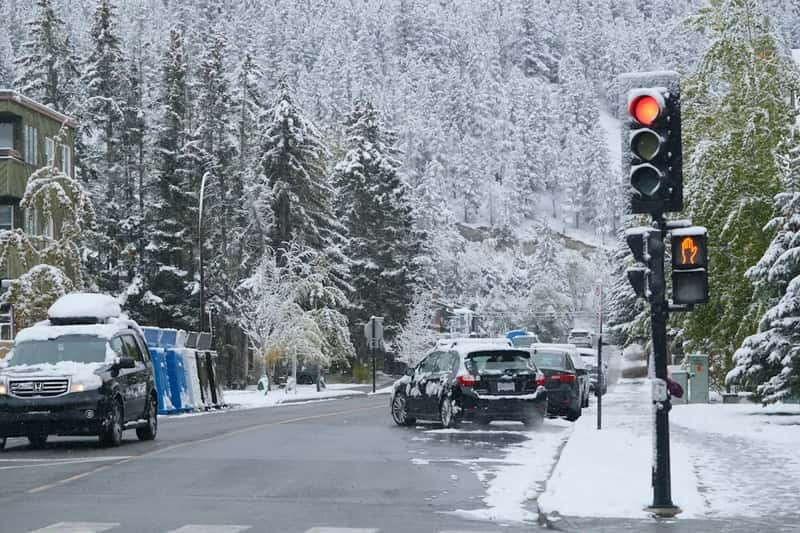
Banff National Park saw 4.5 million visitors in the 2025 to 2026 fiscal year, passing the previous high of 4.28 million in 2023 to 2024.[1] In July 2025 alone there were 729,000 visitors, compared with 684,000 the July before.[2] The town sits at the center of all that traffic, and it shows on the roads.
Banff’s road network can handle about 24,000 vehicles a day, and the town exceeded that mark every day in June and July.[3] A resident survey from May 2025 found that roughly one in three people felt their quality of life had declined over three years, citing the cost of living, tourism and overcrowding.[4] Locals also noted that free park entry returned through the Canada Strong Pass for summer 2026[4], which they feared would push numbers higher still.
Tofino, British Columbia
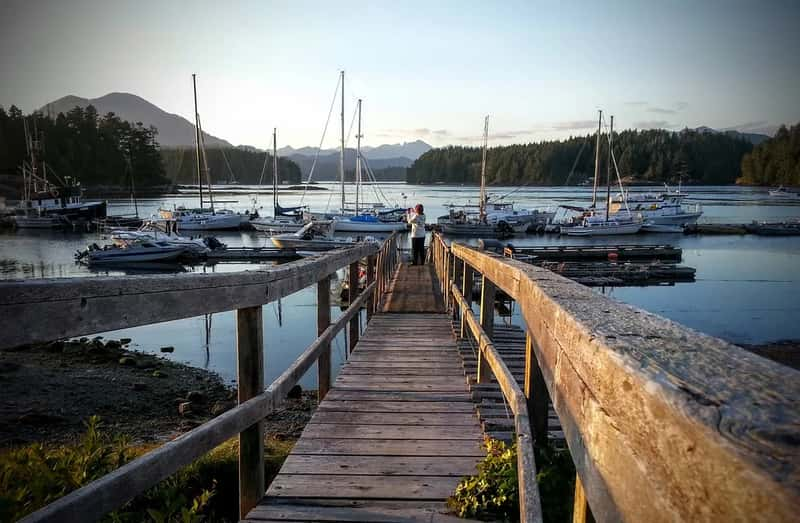
Tofino sits at the end of a winding road on Vancouver Island, and that remoteness is part of its appeal. A 2024 municipal estimate counted 2,767 residents, while the same year brought 711,200 visitors, with 632,400 of them staying overnight.[5] Estimates vary, though. One recent analysis used a lower figure of around 500,000 annual visitors and still arrived at roughly 110 tourists per resident at the summer peak.[6]
Housing is where residents feel it most. Many service workers can’t afford to live in town, and the average home price has more than doubled in five years, with many properties turned into vacation rentals.[7] Traffic on the single road into town and strain on water and sewage systems add to the pressure.[7] Visitor growth of a little over four percent year over year suggests demand hasn’t cooled.[6]
Niagara Falls, Ontario
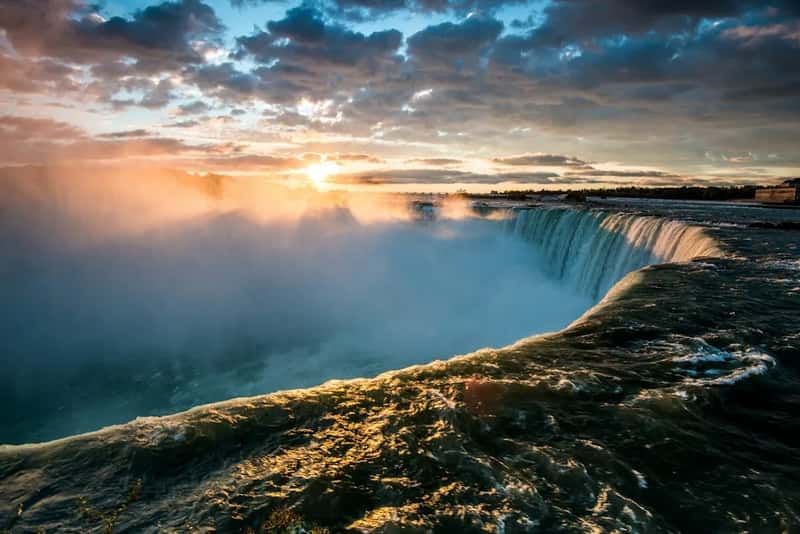
Few places pull in visitors the way the falls do. Regional tourism research puts the broader Niagara area at nearly 14 million visitors a year.[4] Niagara Falls also landed in the top ten of a 2026 overcrowding ranking, alongside Muskoka, the Laurentians and Jasper.[6] That ranking was produced by a data platform using modelled estimates, so treat it as a rough indicator, not an official count.
Crowds aren’t the only complaint. Many visitors describe the Clifton Hill area as overly expensive and inauthentic[8], which says something about how the tourist strip feels even to the people it’s built for. Growth is also the stated policy direction, since Premier Doug Ford has talked about doubling both the number of visitors and the time they spend in Niagara.[9] Residents who already navigate summer congestion may have mixed feelings about that.
Quebec City, Quebec
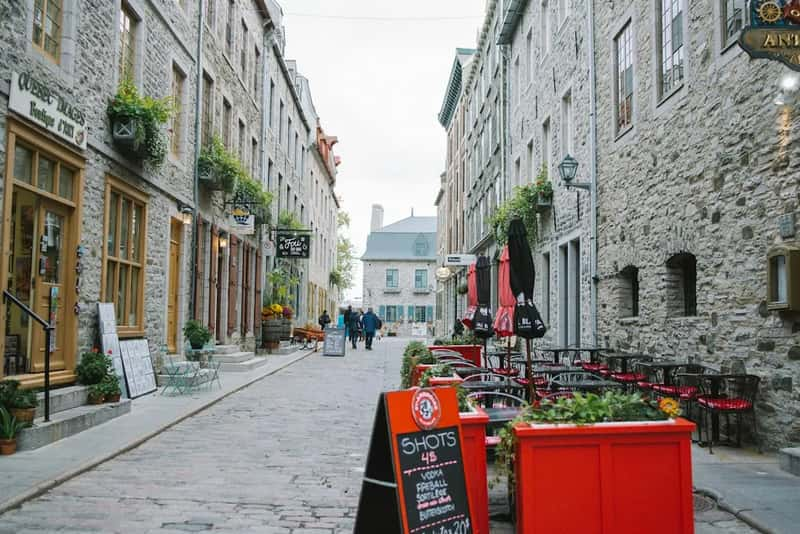
Old Quebec is a UNESCO World Heritage Site with narrow streets that were laid out long before tour buses existed. Concern among residents isn’t brand new. In 2019, an urban planner who works in the district said Vieux Quebec had lost about 500 people in ten years, roughly a tenth of its roughly 5,000 residents.[10] He tied the shift to traffic jams, noise and too many people in one place at the same time.[10]
Cruise traffic remains a big part of the picture. The Port of Québec estimates international cruises generated C$172 million in economic benefits for the Capitale-Nationale region in 2024.[11] In 2026, the port allowed a ship to extend guests’ stay for the first time, with an overnight call in September.[11] That’s good for business, though it also means more people on the same cobblestones after dark.
Whistler, British Columbia
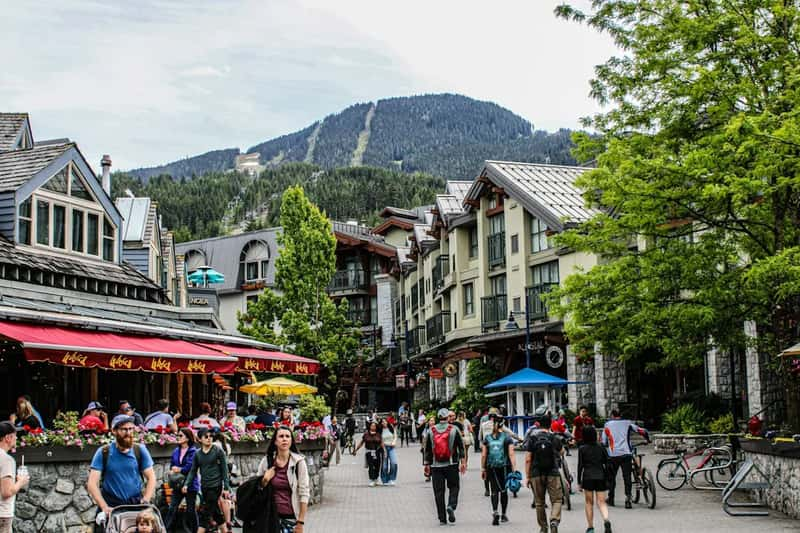
Whistler is a resort municipality rather than a big city, but it handles crowds on a scale few cities do. A 2026 analysis of 25 Canadian destinations ranked it fifth, with an overcrowding probability score of just under half.[6] Researchers estimated about 112 tourists per resident during peak summer.[6]
What stands out is that Whistler has already tried a policy response. The estimate came despite the municipality introducing a visitor tax in 2024.[6] A tax raises money and may nudge behavior, though it doesn’t cap how many people show up. For residents, the question is whether the revenue translates into housing, transit and services that keep pace with the crowds.
Vancouver, British Columbia
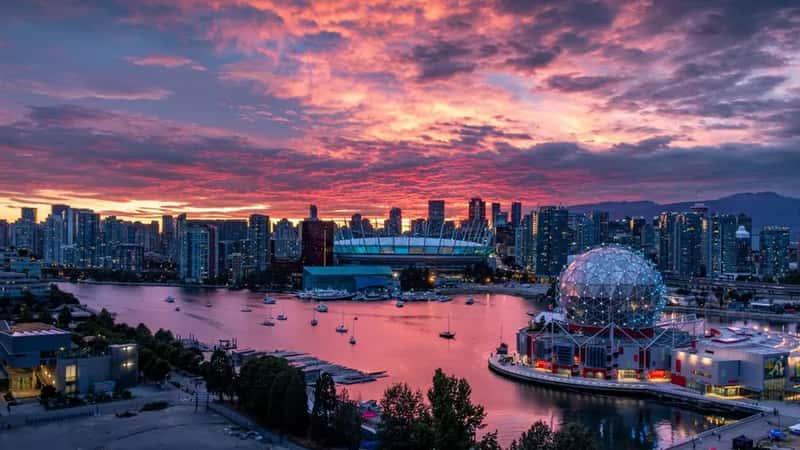
Vancouver is the least clear cut entry here, and it’s worth being upfront about that. Recent coverage has grouped it with Toronto, Montreal, Banff and Niagara Falls as destinations facing overtourism, rising travel costs and infrastructure limits.[3] The visible effects for travelers include longer queues and higher accommodation prices.[3]
The city has also joined the list of places using a formal tool. Vancouver is named alongside Banff, Whistler, Tofino and Mont-Tremblant as a place with a visitor tax[7], a sign that voluntary restraint wasn’t considered enough. City officials describe their approach as balancing growth with environmental protection[3], though resident sentiment here is less documented than in the smaller towns above.