The days of unlimited access to the world’s most beautiful destinations may be numbered. Popular tourist hotspots around the globe are reaching breaking points, with overwhelming visitor numbers threatening the very landscapes and cultures that make these places special. What was once simply economic prosperity through tourism has transformed into a crisis that demands urgent action.
Spain: From Paradise to Protest Zones
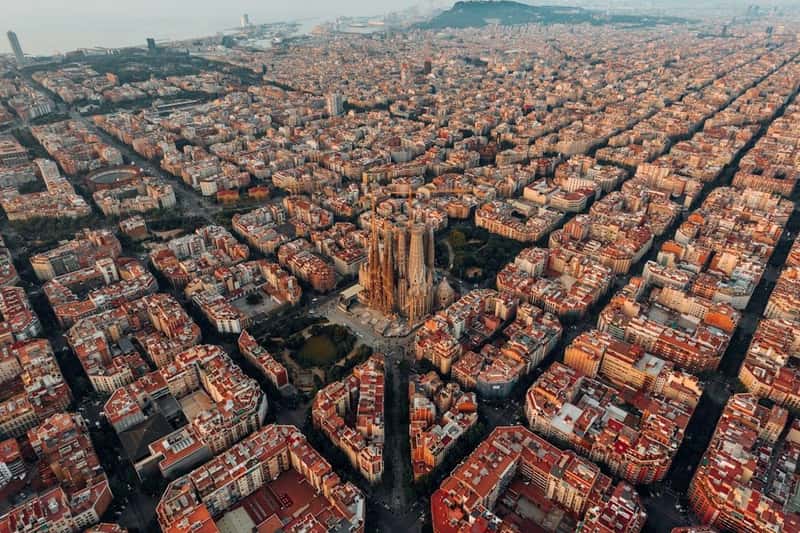
Spain has emerged as ground zero for the anti-tourism movement, with one-third of Spaniards believing their local area has too many international visitors, rising to nearly half in Catalonia, where Barcelona’s 1.6 million residents host approximately 32 million tourists annually. The situation became so severe that residents in Barcelona took to the streets in July 2024, spraying water pistols at innocent visitors during protests attended by thousands of locals.
Barcelona has announced plans to eliminate all tourist rentals by 2028 while Valencia increased inspections of tourist apartments by 454 percent this year alone. The city has proposed a new tourist tax that would double the existing fee to €15 per night, while the government has removed bus route 116 from maps, effectively reducing the number of visitors to the famous Antoni Gaudí-designed Parc Güell. The city of Málaga has banned new rental properties in 43 neighborhoods where short-term rentals have exceeded eight percent of the residential stock.
Italy: Venice Leads the Charge Against Mass Tourism
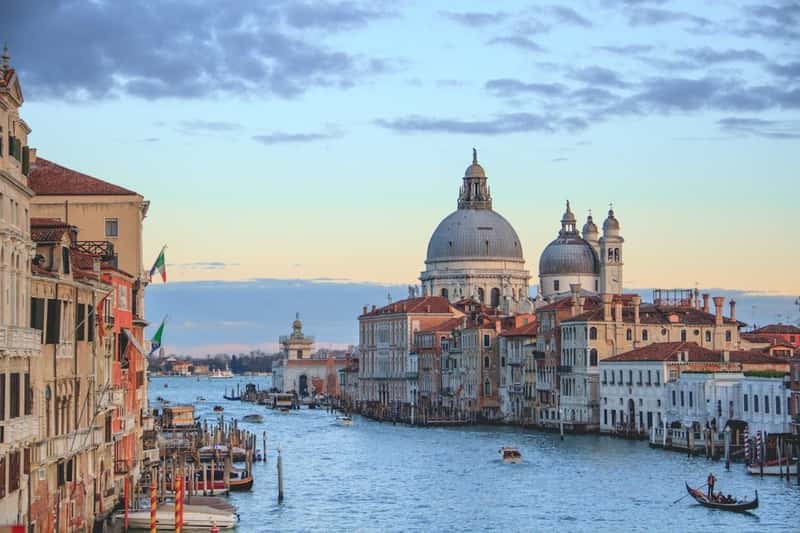
Venice has expanded its controversial entry fee program from 29 applicable days in 2024 to 54 days in 2025, with over 20 million annual visitors crowding into a city of just 50,000 residents. Starting in 2024, tourists are required to pay a €5 fee to visit the city, with the price set to double to €10 in 2025 for those who book less than four days in advance.
The lagoon city represents one of the most dramatic examples of overtourism’s impact. The local government has responded by enacting a variety of restrictions, such as prohibiting the mooring of large cruise ships in the historic center and imposing an entry charge for day visitors. The city may consider implementing seasonal restrictions, severely restricting daily visitor numbers, or temporarily closing specific areas to non-residents if overcrowding persists despite current measures.
Greece: Island Paradise Under Siege
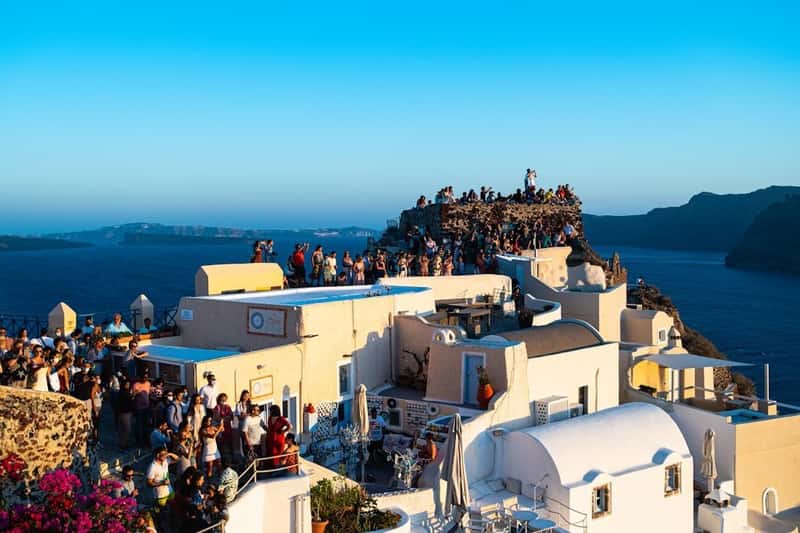
Santorini attracted over 2 million visitors in 2024, making it the busiest summer yet, with tourism revenues nationally rising by 16% in the first five months of 2024. The Greek government has made it clear that some of its most famous islands, including Santorini, can no longer support the massive influx of cruise visitors, with Santorini already experiencing severe water shortages and local wine production halved due to the unsustainable consumption of water by tourists.
Reports indicate up to 18,000 cruise passengers overwhelming the island daily, straining resources for its 15,000 residents. Residents in Athens and Paros have protested against overtourism, accusing tourists of displacing locals and diluting the city’s character on islands like Santorini and Mykonos. The government is now implementing new restrictions on cruise ships visiting popular islands to prevent further environmental and social damage.
Netherlands: Amsterdam’s Direct Approach
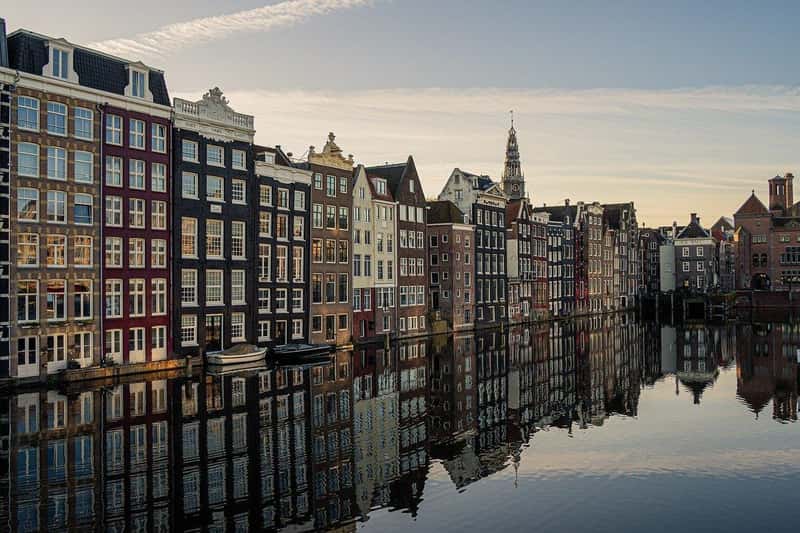
Amsterdam launched its most aggressive anti-tourism campaign in spring 2023, a “stay away” online campaign aimed directly at “wild,” hard-partying British males coming to the city in search of sex and drugs. The city plans to slash cruise ship stops from 190 today to just 100 annually starting in 2026, while cruise ships will be banned from entering the city center entirely from 2035, and will cap river cruise calls at 1,150 ships annually.
Amsterdam has banned the construction of new hotels and introduced a unique limit of 20 million visitors annually to ensure the city remains livable for residents. According to research bureau CE Delft, a single cruise ship spending one day in dock emits nitrogen-based pollution equivalent to 31,000 lorries circling the capital’s A10 ring road. The Dutch capital’s measures represent some of Europe’s most dramatic restrictions on tourism growth.
Japan: Cultural Heritage Protection Takes Priority
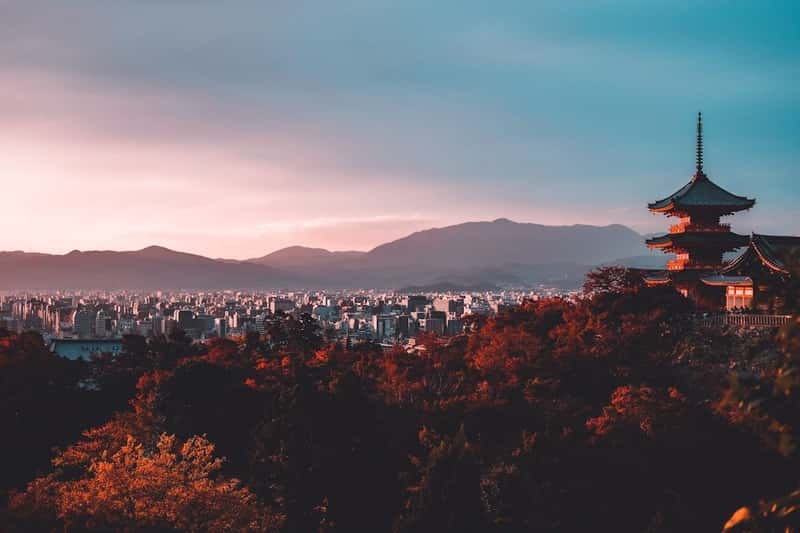
Japanese officials introduced a mandatory ¥2,000 climbing fee in 2024 on Mount Fuji’s popular Yoshida Trail and capped daily access to 4,000 hikers to prevent unsafe “bullet climbs” and reduce waste. In Okinawa, UNESCO-protected Iriomote Island now limits daily tourists to 1,200, while Kyoto has banned tourists from entering private alleys in the Geisha district due to overtourism protests from residents.
A popular view of Mt. Fuji was blocked in May 2024 to prevent tourists from taking selfies and inconveniencing locals, with a temporary barrier erected near a convenience store in the town of Fujikawaguchiko. Approximately 73% of overnight stays are concentrated in just five prefectures, with 59.7% of respondents in a survey reporting that living in traditional neighborhoods has become unbearable for locals dealing with constant crowds seeking the perfect Instagram shot.
Indonesia: Bali’s Cultural Preservation Measures
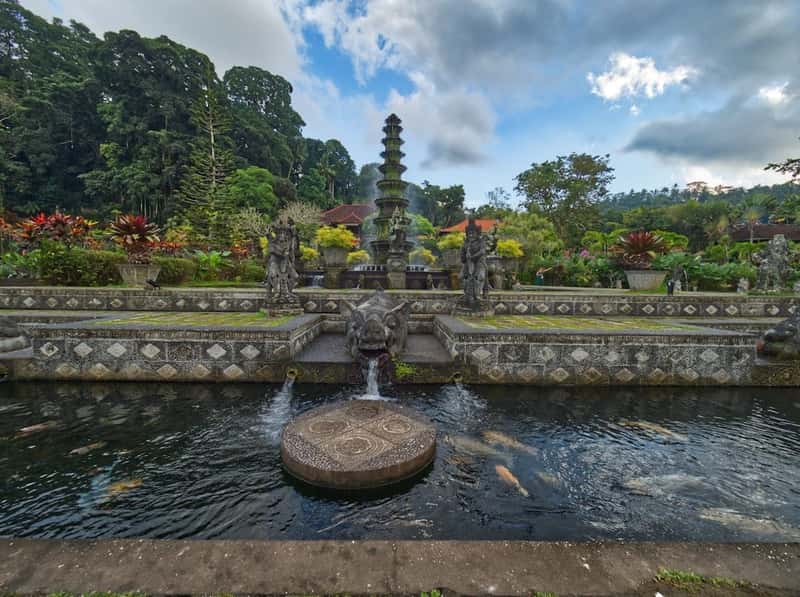
Bali saw approximately 6 million international visitors in 2024, sparking heavy backlash from locals and grassroots activists protesting the disappearance of sacred paddy fields, illegal construction of resorts, and untreated plastic pollution on beaches. The Balinese government proposed banning foreign tourists from renting motorbikes after a surge in violations, instead encouraging visitors to hire local drivers or use licensed taxis, while introducing a tourist tax of 150,000 IDR (roughly $10 USD) per visitor in early 2024.
Authorities have also banned tourist activities on all 22 of Bali’s sacred mountains, which have been subjected to inappropriate behavior and environmental damage, with the government issuing fines and deportations for tourists who violate local customs and norms. The tourist tax scheme raised 2.4 million euros from nearly half a million visitors in 2024, with funds going directly toward environmental restoration and cultural preservation.
These drastic measures reflect a global shift toward prioritizing sustainability over mass tourism. This trend toward intentional travel reflects a broader industry pivot – one that looks to balance tourism’s economic benefits with the urgent need to protect iconic sites at risk of being permanently damaged by overtourism. The message is clear: the golden age of unrestricted travel is ending, and future visitors will need to adapt to a new reality of limited access, higher costs, and greater responsibility. What do you think about these changes? Are they necessary steps to preserve our world’s treasures, or have we gone too far in restricting travel freedom?