Two travelers can book flights on the same afternoon and land in very different moods. In some cities, residents are marching with banners about rent and crowded streets. In others, tourism ministries are building airports and printing campaign slogans.
The gap says a lot about how a place weighs visitor income against daily life. Here are six destinations where protests have been loud in recent years, followed by four countries working hard to bring more visitors in.
Barcelona, Spain
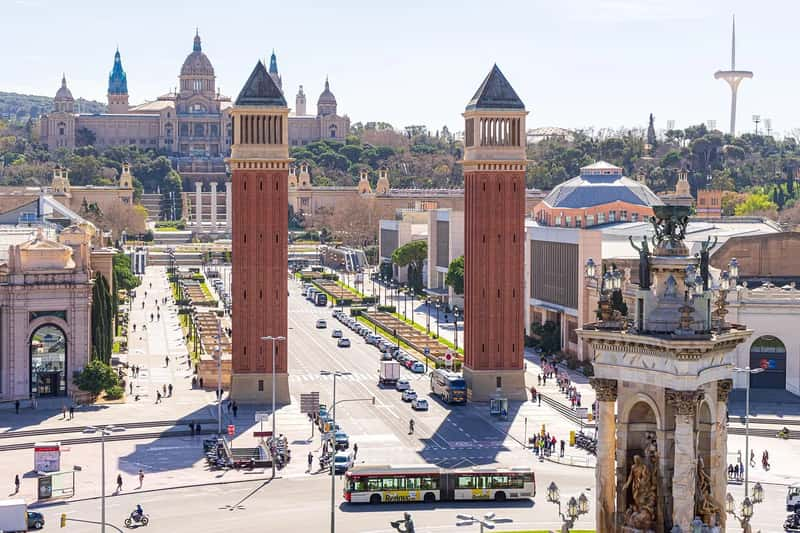
Barcelona has become the best known face of the backlash. Over 100,000 residents have demanded action on a housing crisis fueled by short term vacation rentals and mass tourism.[1] The city absorbs more than 12 million overnight visitors a year and sits at the center of the housing debate.[2]
Protest tactics have ranged from marches to the water pistol attacks on tourists that made international headlines in Barcelona in 2024.[3] September protests also targeted the airport’s expansion over environmental and overtourism fears.[1] On the policy side, Spain removed 65,000 Airbnb listings, introduced a tax on foreign buyers, and intends to phase out short term rentals in Barcelona by 2028.[4]
The Canary Islands, Spain
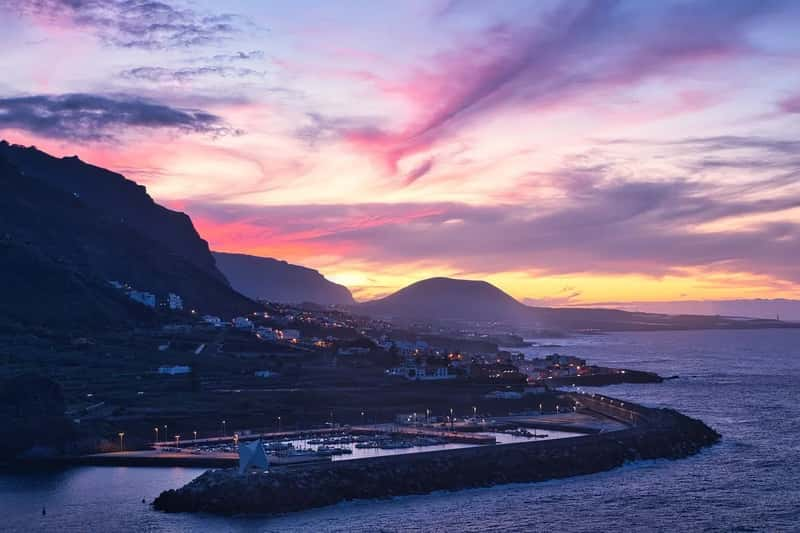
The Canaries are small, and the numbers show why tension builds. The archipelago received 7.8 million visitors in the first half of 2025 alone, while the islands are home to just 2.2 million residents.[3] One report describes the islands as ground zero for the movement.[3]
Protesters used a slogan saying the islands have a limit, and thousands marched across all seven islands.[3] The wider Spanish wave began in earnest in April 2024, with protests in the Balearics and Canaries and in several mainland cities.[5] The core complaint is less about visitors themselves than about what housing costs do to people who live there year round.
Palma de Mallorca and Ibiza, Spain
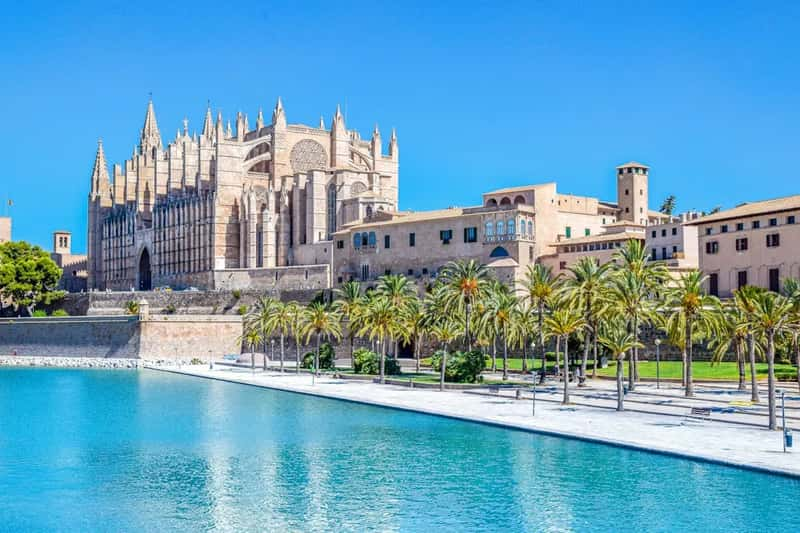
The Balearic Islands joined the list early and haven’t left it. Demonstrators voiced their anger against tourism at rallies in Barcelona, Palma de Mallorca, Ibiza and Alicante over a September 2026 weekend.[6] Those protests came after Spain recorded its busiest ever month for international visitors in July.[6]
Not every message was measured. One report noted that some attendees even linked holidaymakers to terrorists[6] in their chants, which drew criticism. Still, the demonstrations are organized largely by neighborhood associations, unions, and housing and sustainability groups.[2] Organizers stress that the aim isn’t to ban visitors but to build a more sustainable model.[2]
Venice, Italy
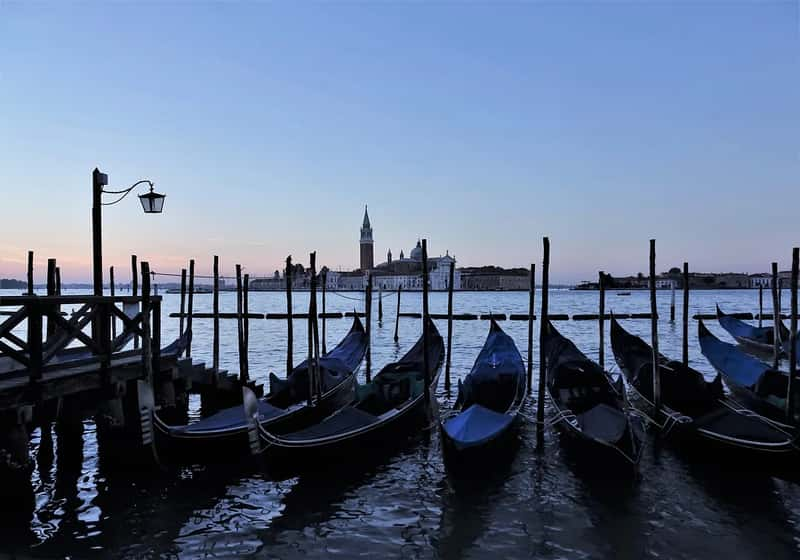
Venice tried charging people at the door. It introduced a day tripper access fee in 2024 for visitors who enter the historic centre without staying overnight.[7] In 2026 the fee covered 60 peak days between April 3 and July 26,[8] and it cost five euros when booked more than four days ahead and ten euros closer to the visit.[8]
Locals haven’t all cheered. At the 2024 launch, hundreds of Venetians marched with banners reading “No to Tickets, Yes to Services and Housing.”[9] The results are mixed. About 680,000 tickets sold in 2026 brought just over five million euros into the city budget,[10] and officials are now considering raising the fee to as much as 30 euros from 2027.[7]
Mexico City, Mexico
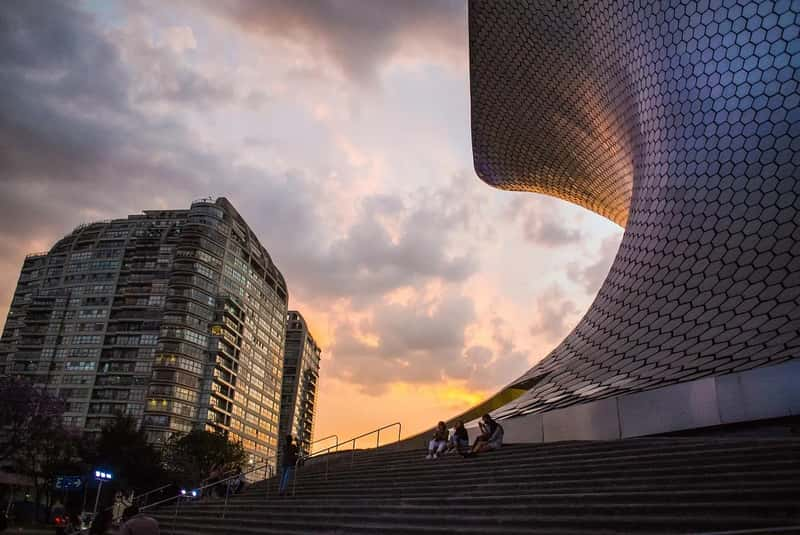
Mexico City’s protest was less about crowds and more about rent. Hundreds of people marched through the Condesa and Roma neighborhoods,[11] two areas popular with visitors, in July 2025. Tension had been building since U.S. digital nomads flocked to the city in 2020.[12]
The march turned ugly when a small number of people began smashing storefronts and harassing foreigners.[12] President Claudia Sheinbaum condemned the xenophobic displays, while acknowledging gentrification is a legitimate problem.[13] The city later announced a preliminary plan including regulation so landlords can’t raise rents above inflation.[13]
Alicante and the Costa Blanca, Spain
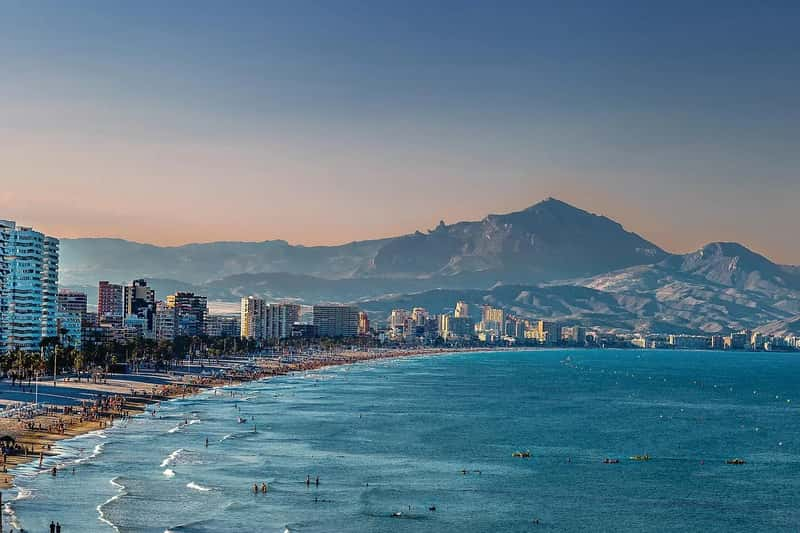
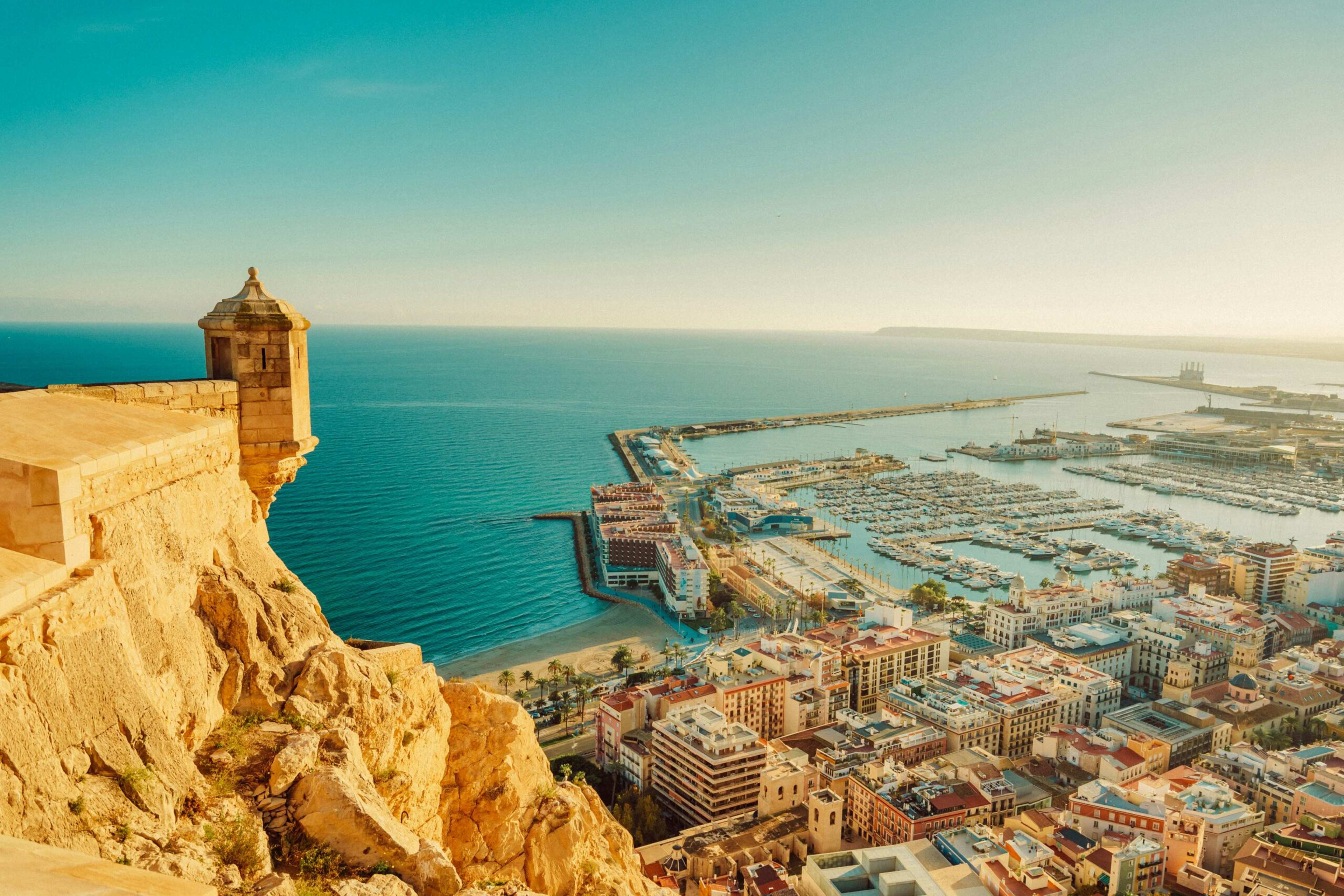
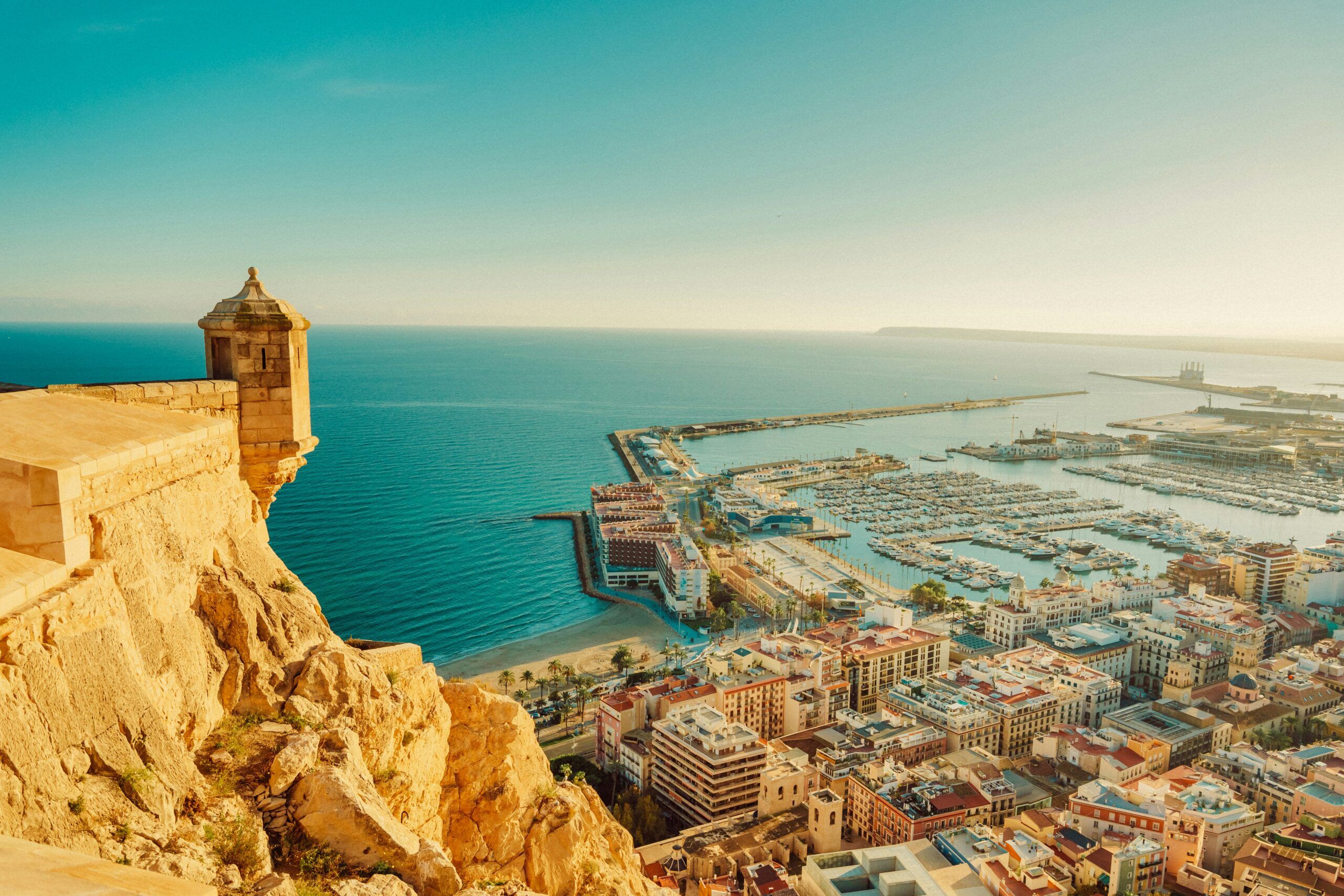
The Costa Blanca is a newer name in the protest story. Thousands marched in Barcelona, Palma, Ibiza and the Costa Blanca against the effects of mass tourism[6] in September 2026. The coast is one piece of a national movement rather than a stand alone case.
That movement is increasingly about housing. A wave of Spanish housing protests that began on 23 September 2026 lists gentrification and overtourism among its causes.[14] Government responses include a ban on evictions of vulnerable tenants until 2030 and bans on so called vulture funds buying property until 2028.[14]
Now the other side of the ledger. Some countries are working to attract more visitors, not fewer.
Vietnam is one. After seeing over 20 million visitors in 2025, it hopes to reach 25 million in 2026.[15]
Morocco is also pushing. It is expanding major airports in Marrakesh and Fez and seeking investors to build hotels, theme parks, and conference centers in big cities like Casablanca.[15]
Ireland has its own reason. It saw a drop in visitors in 2025, and the government is allocating millions of dollars to the tourism industry.[15]
Malaysia is running a full national push. It launched Visit Malaysia 2026 as a flagship campaign aimed at dramatically boosting international arrival numbers and industry revenue.[16]