Flying business class is a dream for many, but with tickets often exceeding $1,000, it seems like an impossible luxury. Here’s the thing, though: savvy travelers have figured out how to access those lie-flat seats, gourmet meals, and exclusive lounges without emptying their bank accounts.
The secret isn’t just about finding cheap flights. It’s about understanding the hidden pathways airlines create to fill premium cabin seats. Whether it’s through strategic use of credit card points, last-minute upgrade bidding, or catching those rare pricing glitches, there’s a whole ecosystem of opportunities most people never discover. Let’s dive into the strategies that could transform your next international flight from cramped to comfortable.
Master the Art of Upgrade Bidding
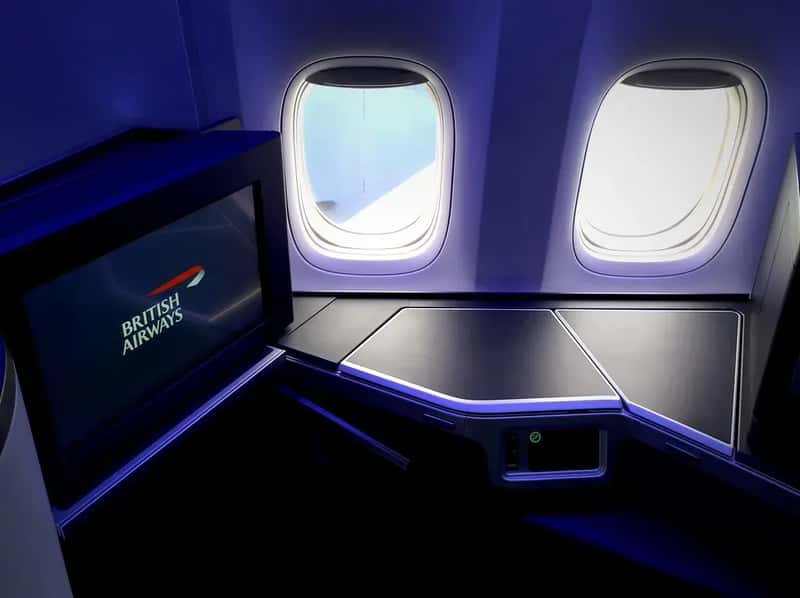
Airlines now offer bidding services in addition to traditional upgrade methods, allowing travelers to name their price for premium seats. Think of it like an auction where you’re competing for those unsoldbusiness-classs seats. The global upgrade bidding market was valued at roughly one point two billion dollars in 2024 and is forecasted to reach nearly five billion by 2033, showing just how mainstream this option has become.
Most airlines require all online bids to be placed at least 72 hours before departure. The smart move? Bidding somewhere between 20% to 40% of the difference between your economy ticket and the full business class price provides a competitive bid without overpaying. EVA Air’s bidding platform processes around fifteen thousand bids per day with a successful upgrade rate of approximately 18%, which means competition is real but achievable. Just remember that you must enter payment information when bidding, but you won’t be charged unless your bid is accepted, and accepted bids are nonrefundable unless your flight is canceled.
Leverage Credit Card Points Like Currency
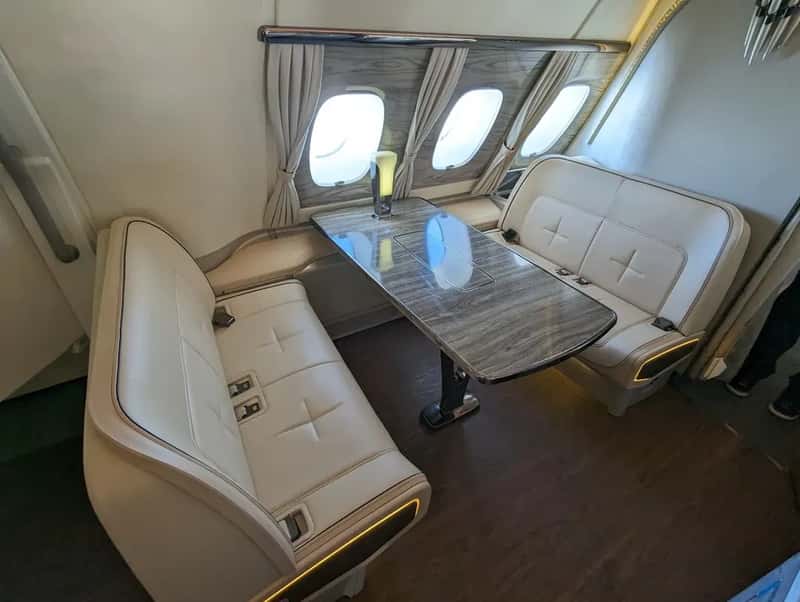
This is where things get genuinely exciting. One-way flights to Europe can be booked for as few as 60,000 Flying Blue miles in business class, meaning a round-trip would cost around 120,000 miles. Compare that to paying with cash or regular credit card points through a travel portal. A business class ticket from New York to Paris that would cost you over four thousand dollars out of pocket could require roughly 410,000 points if booked through Capital One’s portal.
The most famous sweet spot is Iberia business class to Madrid, with off-peak awards pricing at around 40,500 Avios each way, and frequent transfer bonuses that can reduce the effective cost even further. That’s honestly incredible value. Japan’s All Nippon Airways charges just 100,000 miles round-trip for business class, which is still one of the cheapest ways to reach Japan using miles. Meanwhile, Turkish Airlines charges 80,000 miles round-trip for business class to Hawaii on United flights, whichoffers lie-flat seats on some routes.
Catch Mistake Fares Before They Vanish
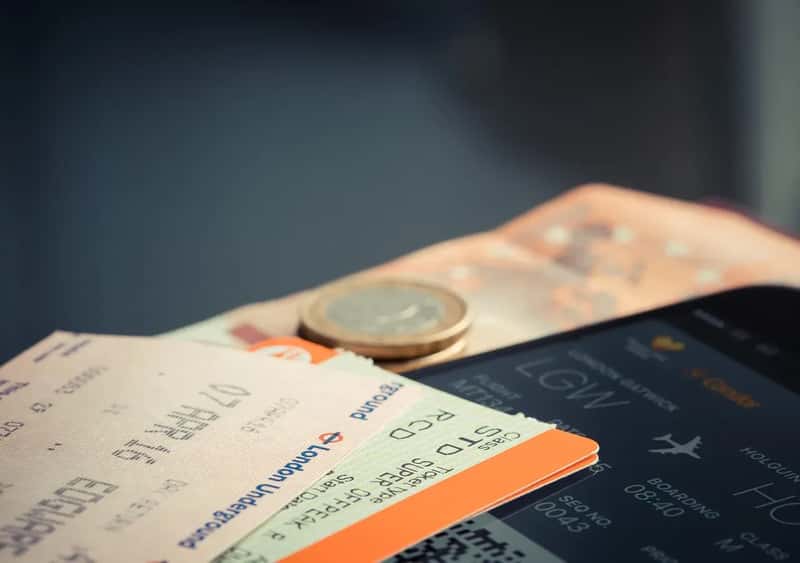
Travel-deal site Going tracked 15 mistake fares in 2025, more than double the number seen in 2024, and the highest number since the company began keeping records. These aren’t just small discounts. We’re talking about round-trip fares to Dublin that typically sell for over eight hundred dollars, rs briefly available for under one hundred fifty dollars.
Several factors drove the surge: more airlines relying on automated systems that glitch, new airline partnerships causing miscommunication, and about half of the year’s mistake fares stemming from new partnerships. At least four of the 15 mistake fares involved business-class seats, including a business-class round-trip fare from Miami to Europe for as low as one thousand eighty-three dollars. The catch? These fares disappear within hours, so there’s no telling how long a mistakenly discounted fare will be available.
Hunt for Last-Minute Airport Upgrades
It is generally cheaper to upgrade to business class at the airportthano booking a business class ticket from the outset, typically several hundred dollars cheaper. Airlines would rather get something for those empty seats than let them fly vacant. I know it sounds crazy, but timing is everything here.
Flights on Tuesdays, Wednesdays, and Saturdays are often less crowded, and red-eye and midday flights tend to have more availability compared to popular morning and evening routes. Check your reservation just days or even hours before departure on the airline’s site or app to see if there are empty seats at a discount, and you can even approach the gate before boarding and try your luck. When you check in online within 24 hours of your flight, premium economy and extra legroom seats sometimes open up because airlines realize they likely won’t sell those upgrades at this point.
Time Your Bookings During Promotional Periods
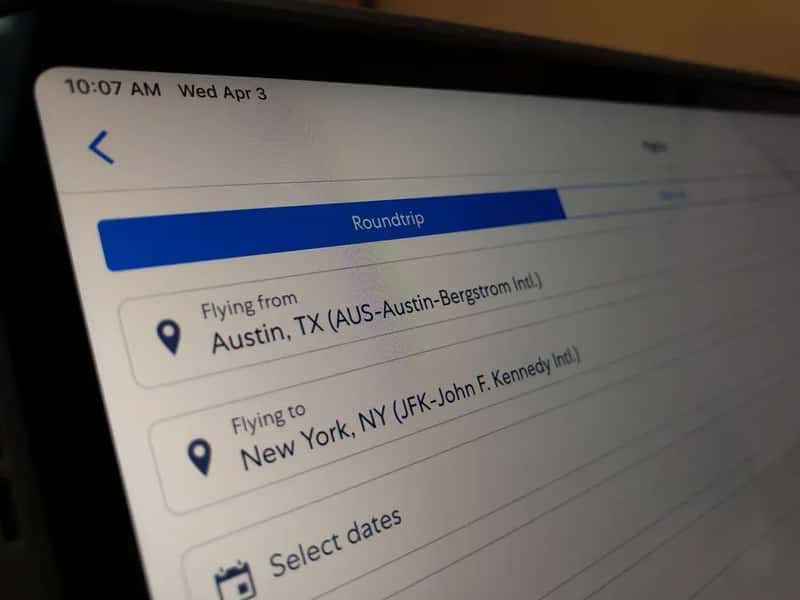
Airlines don’t advertise it loudly, but they run sales cycles just like retailers. Keep an eye out for airline sales during promotional holidays like Black Friday, Cyber Monday, and Travel Tuesday, when you can book business class tickets for reduced prices, though they can come with restrictions like blackout dates.
Flying Blue regularly offers rates like 50,000 miles nonstop to Paris or Amsterdam, and timing it right with monthly Promo Rewards discounts can drop the cost closer to 30,000 miles each way. Transfer bonuses matter too. When analyzing transfer bonuses offered by major banks over the past year, American Express Membership Rewards and Chase Ultimate Rewards offered the most transfer bonuses, nearly double the amount of Capital One and Citi. These promotions typically last four to eight weeks, so staying alert pays off.
Book Through Alternative Routing and Partners
Travelers have upgraded to lie-flat seats from Minneapolis to Dublin for just 175 dollars per person, and both Air France and KLM sell upgrades to business class on long-haul flights to Europe for as low as 400 dollars each way. Sometimes the route matters as much as the destination.
British Airways allows you to upgrade using Avios by one cabin at a time, so upgrading from premium economy to business class requires another 24,000 Avios if award availability exists. Focusing on higher cabin classes offered by newly formed airline partnerships may increase your chances, as a chunk of mistake fares involve miscoding of fare classes that allow access to business class fares for premium economy prices, especially when airlines sell partners’ flights. Let’s be real: airlines are still figuring out how to integrate their systems, and that creates windows of opportunity for those paying attention.
Conclusion

Scoring business class for economy prices isn’t about luck. It’s about knowing where to look and when to act. From strategic bidding to leveraging credit card points, catching mistake fares to timing airport upgrades perfectly, these six strategies open doors most travelers never knew existed. The difference between paying four thousand dollars and redeeming sixty thousand points for the same seat can define whether business class remains a distant fantasy or becomes your new travel standard.
The aviation industry is constantly evolving, with airlines testing new revenue models and partnerships creating pricing gaps. Those who stay informed and flexible reap the rewards. What’s your move for your next flight?