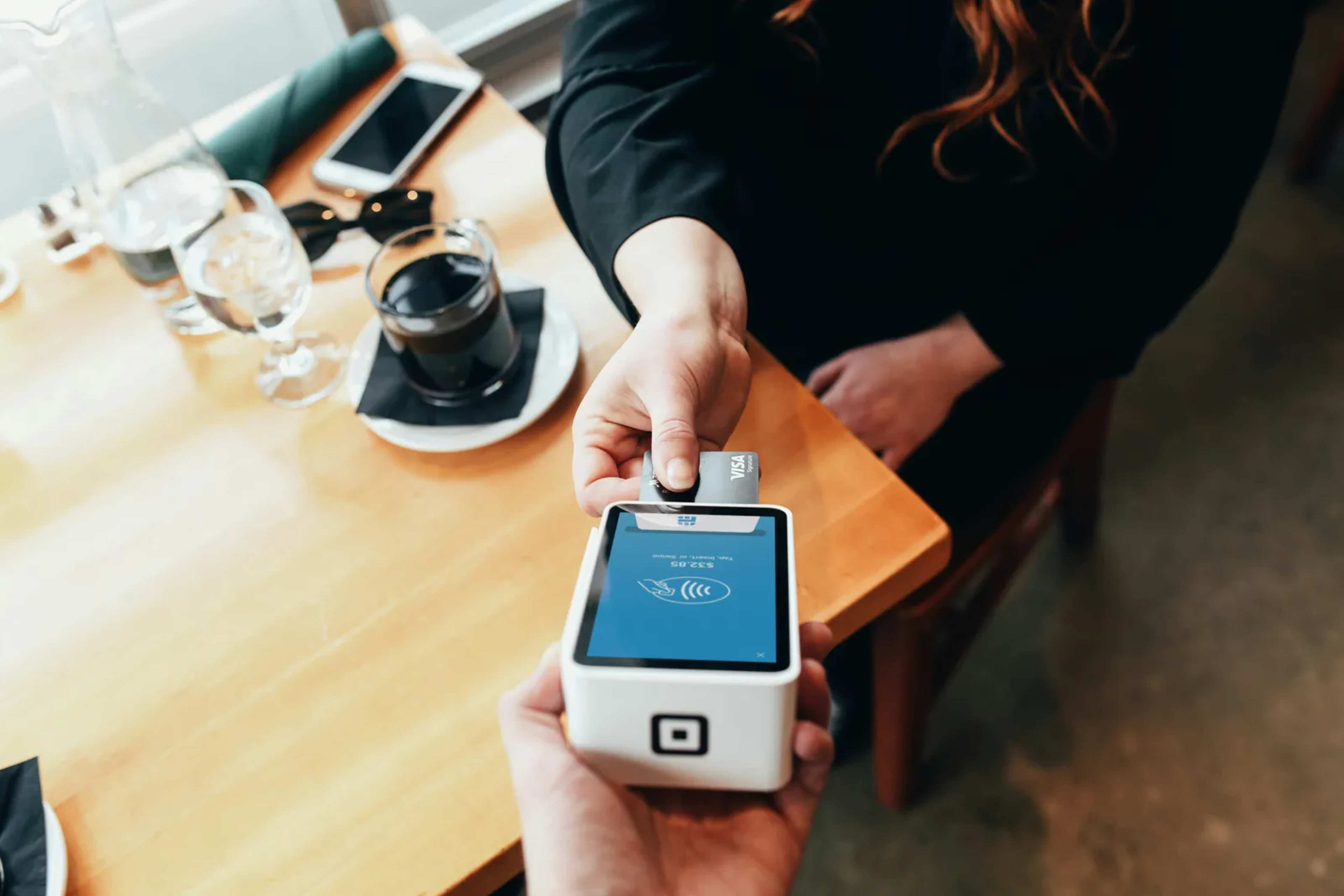
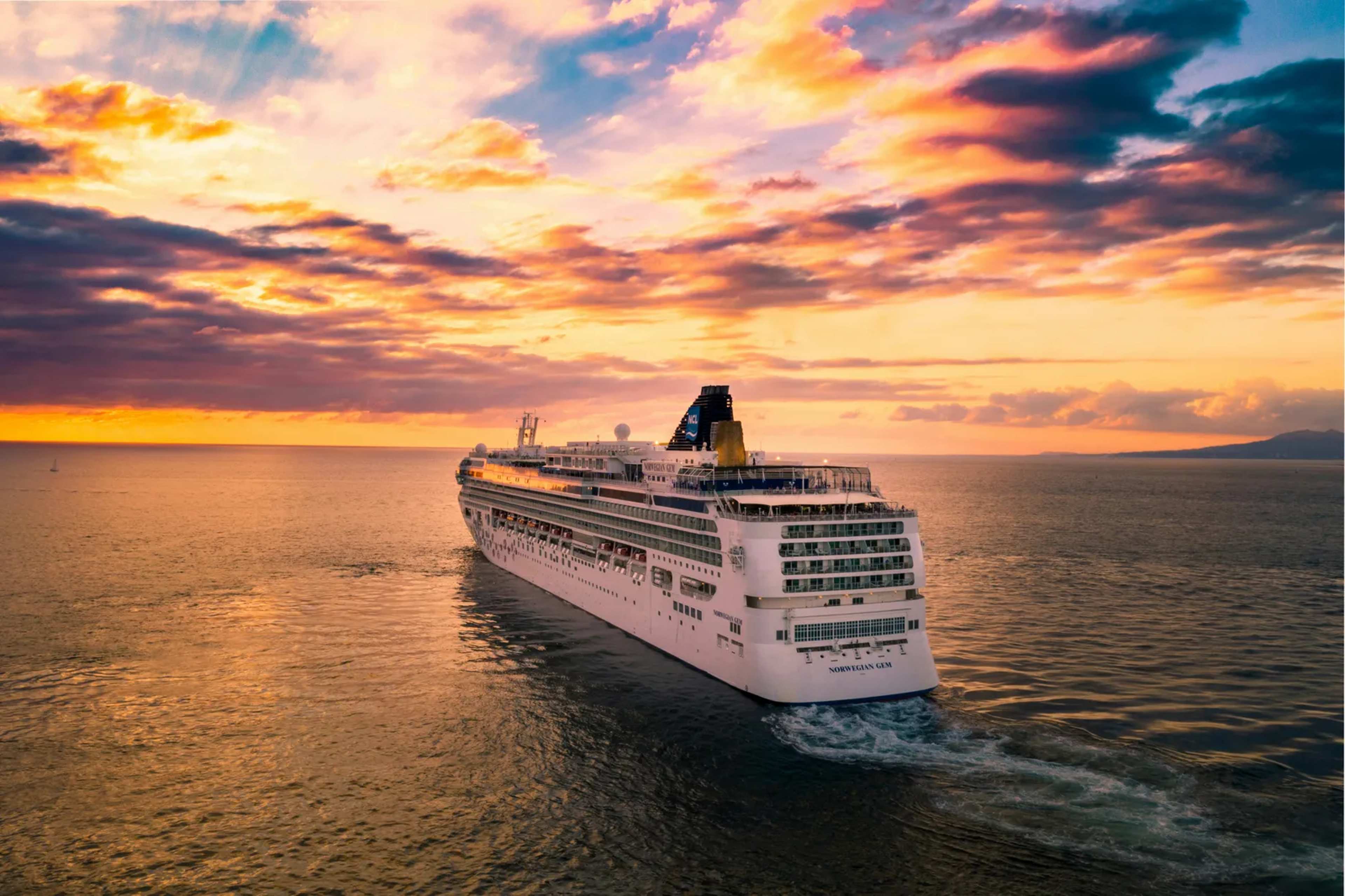
There was a time when flashing your boarding pass, dropping the words “priority lane,” or casually mentioning your seventeenth country felt like currency at a dinner party. That currency has been quietly devalued. Between algorithm fatigue, airline loyalty programs rewriting their own rulebooks, and a broader cultural shift toward privacy over performance, the travel flexes that used to earn admiring nods now mostly earn a shrug.
The shift isn’t just vibes. It shows up in loyalty program terms and conditions, in survey data about what travelers actually want in 2026, and in the way social feeds have quietly moved from loud humble-brags to curated, low-key posting. Here are six once-untouchable travel status symbols that have lost their shine.
1. Elite Airline Status Tiers
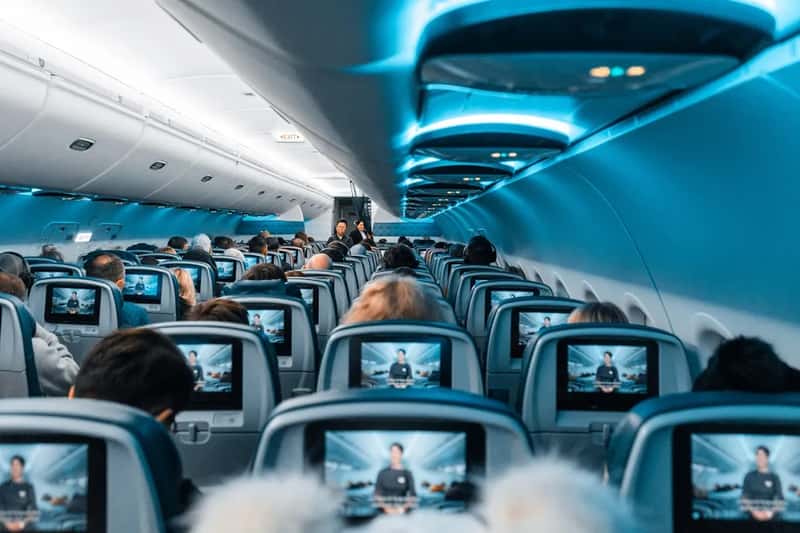
For years, saying you were “Platinum” or “Diamond” on your preferred airline implied you were important enough to fly constantly, and important enough that the airline noticed. That implication has mostly evaporated. Airlines have spent 2025 and 2026 rewriting the math behind elite tiers, and the change has been dramatic. The result is a loyalty landscape where frequent flying alone is no longer enough, and for many travelers, reaching or maintaining elite status now means spending more on fares, choosing higher-priced tickets, or putting significant spending on an airline’s credit card.[1]
The credibility problem runs deeper than higher thresholds. Frequent flyer miles were once the ultimate currency for travelers looking to see the world for less, but the rules of the game shifted dramatically in 2026, with carriers moving away from rewarding distance flown and instead prioritizing the highest spenders through revenue-based status models, meaning a loyal history of flying no longer guarantees the perks it once did.[2] When status is essentially something you buy with a credit card rather than earn by actually traveling, bragging about your tier just sounds like you’re advertising your spending habits, not your adventurousness.
2. Business and First Class Selfies

The lie-flat seat selfie, the champagne flute against the window, the caption about “how I fly now” used to guarantee engagement. These days, that kind of loud posting reads as try-hard rather than aspirational. The once ubiquitous practice of being “chronically online” is now considered “low status,” and posting your every waking moment has become passé.[3] Even travel and lifestyle editors have noticed themselves pulling back from broadcasting every trip detail.
It’s not just about privacy fatigue either, it’s about what luxury is even supposed to signal now. Luxury has made a subtle shift in how it communicates with the world, and in 2026 the most coveted signs of status are not flashy, costly, or immediately recognizable, which is precisely the goal, since status used to be really easy to identify through a logo, a list, a price tag, and a sense of inaccessibility.[4] A cabin photo used to say “I made it.” Now it mostly says you’re still trying to prove something, and that’s the opposite of the quiet, understated cool everyone is chasing.
3. Passport Stamp Counts and Country Tallies
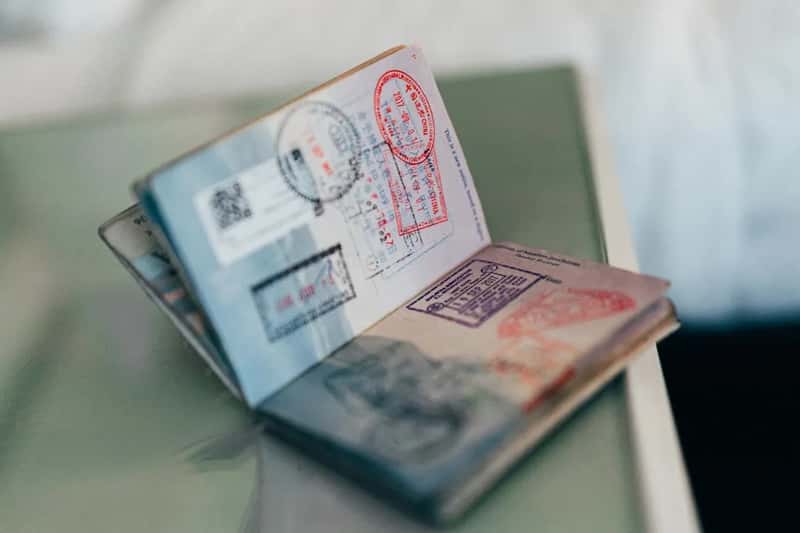
“I’ve been to forty countries” once functioned as an unofficial scoreboard, a way to rank yourself against other travelers without saying so directly. That scoreboard has stopped mattering to a lot of people. As chronic burnout and digital fatigue hit a fever pitch, travelers are no longer booking flights for the views, they’re booking them for the silence, and the ultimate status symbol isn’t a stamp in your passport, but a consistent eight hours of REM.[5] That’s a genuine reordering of priorities, not just a slogan.
The broader travel mood backs this up. The global traveler is tired of performance tourism, the pressure to collect photos, milestones, and bragging rights, and travel is shifting toward what feels manageable, meaningful, and emotionally efficient rather than optimized for sheer spectacle.[6] Racking up stamps for the sake of a bigger number now looks a little exhausting rather than impressive, especially next to someone who spent two unhurried weeks actually getting to know one place.
4. Airport Lounge Access

Flashing a lounge pass used to feel like a backstage badge, proof you’d escaped the chaos of the main terminal. The problem is that everyone else figured out how to get in too. Loyalty programs let so many members accumulate elite status over recent years that lounges became genuinely overcrowded, and issuers had to respond. Delta Air Lines had to implement new policies to reduce crowds at its Sky Club lounges, including raising membership dues for elites.[7] When the “exclusive” room is packed shoulder to shoulder with strangers hunting for an outlet, the exclusivity argument falls apart.
Beyond overcrowding, there’s a deeper skepticism about what lounge access even represents anymore, given how status itself has been reshuffled. Travelers now face fiercer competition for seat or hotel room upgrades, and benefits that purportedly offer express service, like VIP check-in lanes, get bogged down if too many elites use them.[7] A lounge stamp on your boarding pass just doesn’t carry the same weight when the room is standing-room only and the “elite” designation behind it has been diluted by revenue-based qualification rules rather than genuine loyalty.
5. Logo-Covered Luggage and Travel Gear
The hard-shell suitcase plastered in a recognizable monogram, the tote with the brand’s initials stamped across it, the sunglasses case that doubled as a billboard, these used to be shorthand for “I can afford nice things.” That shorthand has curdled into something closer to try-hard. Culturally, loud branding is losing its currency across categories, not just travel gear. Status has been relegated to the margins due to brand fatigue, and it’s no longer obvious or loud; instead, it’s understated.[4]
What’s replaced it is a kind of taste that can’t be bought off a shelf or recognized instantly by a stranger walking past your carry-on. In 2026, one of the most obvious status symbols is taste that cannot be reverse-engineered by algorithms, evident in interests that predate the discovery of algorithms, a type of taste often rooted in depth rather than discovery feeds.[4] A suitcase covered in a logo just tells people what brand you trust. It doesn’t tell them anything interesting about where you’ve actually been or how you actually travel, and that’s exactly the gap people are trying to close now.
6. Bucket-List Destination Check-Ins
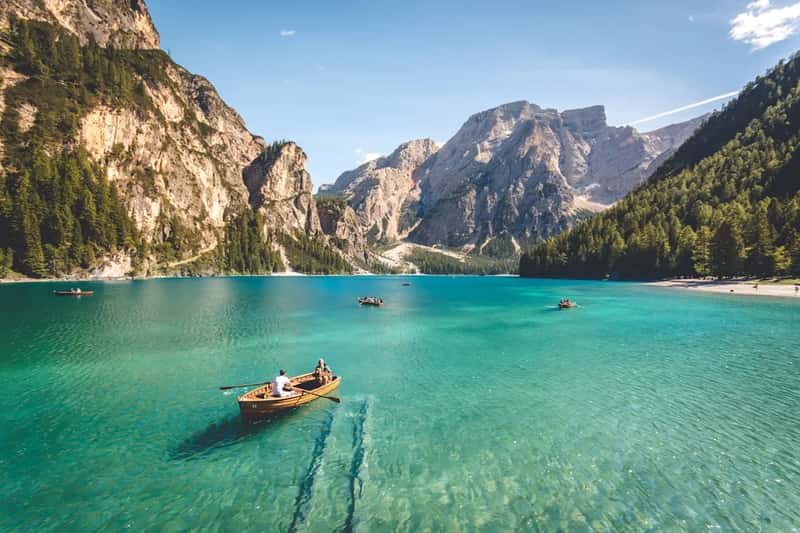
Geotagging yourself at the same overwater bungalow or the same cliffside infinity pool that everyone else has already posted used to feel like proof you’d arrived, literally and socially. That impulse is fading fast, and overtourism backlash is a big reason why. Overtourism fatigue is real, and by 2026 travelers are actively avoiding crowds and planning around them, with sixteen percent of Americans planning to focus their 2026 travels on visiting less-crowded destinations.[8] Checking into the most photographed spot on earth now reads less like an achievement and more like you followed the crowd.
Quiet, uncrowded experiences have become the actual flex, which flips the whole check-in logic on its head. Slow travel replaces algorithmic efficiency with human pacing, choosing feeling over speed, and crowd-avoidance is the new status symbol, as luxury in 2026 is quiet, with travelers wanting exclusive experiences defined by privacy rather than price.[6] Even the luxury end of the market is leaning into this. Slow travel has emerged as the latest ultimate status symbol because it represents a deliberate choice to step off the hyper-efficient grid, with high-end vacationers increasingly prioritizing how they get to their destinations as a core piece of the memory-making experience.[9] Bragging about the postcard shot everyone already has just doesn’t land the way it used to.
None of this means people have stopped traveling, or stopped caring about how their trips look to others. If anything, the bar has just moved somewhere less obvious. The new flex isn’t a loud logo or a lounge selfie, it’s something closer to restraint: fewer stamps but deeper ones, quieter destinations, unhurried mornings, and stories that can’t be summed up in a single boastful caption. That’s a harder status symbol to fake, which might be exactly the point.