Let’s be honest. You’re exhausted from a long flight, dragging your luggage through an unfamiliar airport, and you just want to get to your hotel. That’s precisely when scammers strike. Airports have become hunting grounds for thieves who know exactly how to exploit tired, distracted travelers. From fake taxi drivers waiting at arrivals to WiFi networks that harvest your passwords, these cons are happening right now, at terminals across the world.
The thing is, these aren’t isolated incidents anymore. Between April 2024 and April 2025, Americans lost a whopping $2.6 million to reported travel scams, and many cases go unreported because victims never realize they’ve been conned until it’s too late. What makes it worse? Scammers have gotten smarter, using everything from counterfeit badges to AI-generated phishing texts to separate you from your money.
So what are the most common airport scams you need to watch out for? Let’s dive into the tactics that catch people every single day.
The Fake Taxi Driver Waiting to Overcharge You
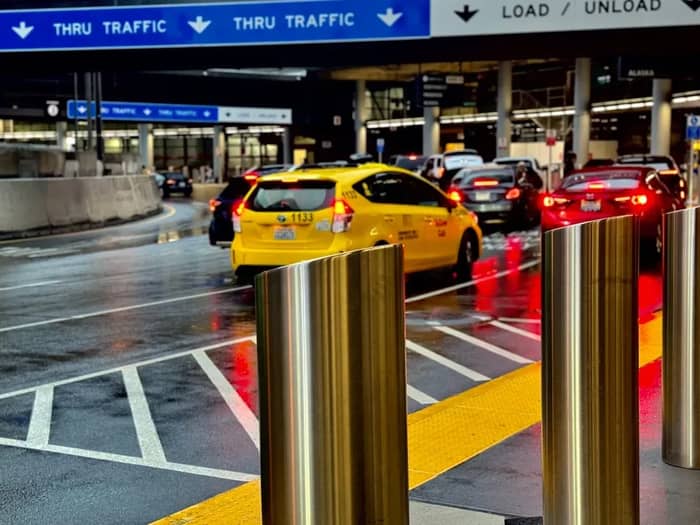
Picture this: you walk out of baggage claim, and a friendly driver approaches with a sign or simply asks if you need a ride. Seems normal, right? Wrong. Unlicensed drivers approach travelers in the airport and often cost victims far more than legitimate services. These scammers prey on jet-lagged passengers who don’t know local taxi rates or haven’t researched transportation options.
In some cases, it gets even more sophisticated. Fake drivers at airports like Caracas obtain passenger names from airport staff who handle immigration cards, then create placards to appear legitimate. What happens next ranges from grossly inflated fares to something far more dangerous. At Paris Charles de Gaulle Airport, one traveler was charged 360 euros for a ride that should have cost only 55 to 60 euros flat rate.
Fake taxi drivers at airports and train stations often have convincing IDs or uniforms and either demand inflated fares mid-ride or take deliberately long routes. I know someone who fell for this exact scam after a red-eye flight, too tired to argue when the meter mysteriously “broke” and the fare doubled. Always use official taxi stands, verify the driver’s credentials, and better yet, book through reputable ride-hailing apps before you even land.
Evil Twin WiFi Networks That Steal Everything
You sit down at your gate, pull out your phone, and connect to what looks like the airport’s free WiFi. Except it’s not. Evil twin attacks are on the rise, targeting public WiFi in airports, with the miniaturization of digital twinning technology making this cyberattack more appealing to hackers for less than $500. These fake networks mimic the real airport WiFi perfectly, right down to the name.
Here’s what’s terrifying: When people tried to connect to fake WiFi networks, they were taken to a fake webpage requiring them to sign in using email or social media logins, and those details were then saved to the attacker’s devices. Once they have your credentials, scammers can access bank accounts, social media, and even book fraudulent flights using your loyalty points. An Australian man was sentenced to over seven years in prison after operating evil twin WiFi networks on domestic flights and in major airports to steal travelers’ social media credentials.
Last year, authorities in Australia charged a man with creating rogue networks that stole passengers’ information across several national airports. The worst part? Most victims never know they’ve been hacked until weeks later, when mysterious charges appear. Turn off WiFi auto-connect, use your mobile hotspot instead, or at a minimum, use a VPN if you absolutely must connect to public networks.
Currency Exchange Booths Ripping You Off in Plain Sight
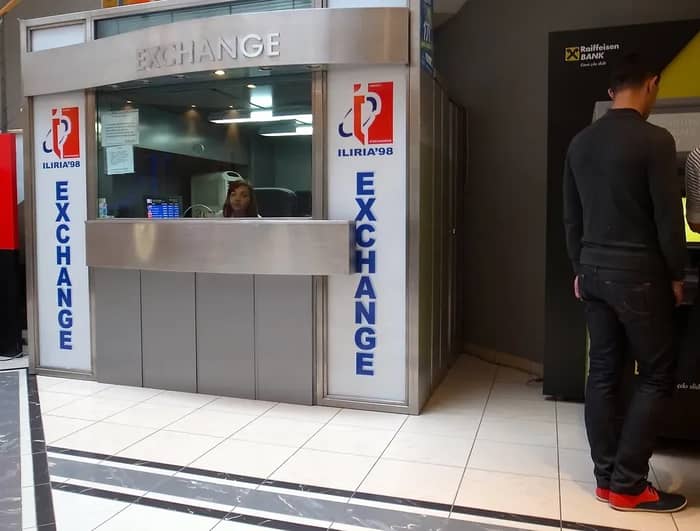
You need local cash immediately after landing, so you head to the currency exchange booth in the terminal. Huge mistake. At Washington Dulles Airport, a traveler was offered only 724 Euros for $1,000 USD when the actual rate was 904 Euros, essentially charging $180 just to convert money. That’s not a service fee. That’s highway robbery.
Currency exchange kiosks in airports advertise “no commission” but offer terrible exchange rates, sometimes 10 to 15 percent worse than the market. It gets shadier. Some cashiers tell customers that the posted rate is a ‘day rate’ and the ‘night rate’ is different and less favorable, or count change painfully slow, so travelers become impatient and don’t count properly.
Even worse? Some currency exchanges use calculators that have been manipulated to give a favorable rate by skimming 5 percent off the total, particularly in Southeast Asia and South America. The best strategy? Exchange only a small amount at the airport for immediate needs, then use bank ATMs in the city for better rates. Or better yet, use a credit card with no foreign transaction fees whenever possible.
Distraction Thieves Working in Teams at Security

You’re focused on getting your laptop out of your bag and your shoes off before walking through the metal detector. Meanwhile, someone’s stealing your belongings right off the conveyor belt. Criminals typically work in teams at security checkpoints, with one person deliberately holding up the line while another grabs items from the conveyor belt.
Distraction tactics are used by thieves at airports, with crowded security check areas being particularly risky spots as distractions and congestion play to a thief’s advantage. One traveler in Barcelona described watching helplessly as her phone disappeared from the X-ray tray while she was held up by a “confused” passenger who couldn’t figure out how to empty his pockets. By the time she got through, her phone was gone.
The most common type of airport crime in 2022 was theft, with 2,891 of these offenses recorded across international airports. The trick? Don’t place your valuables in the bins until you’re next in line to walk through the scanner. Keep your eyes on your items at all times, even if it means waiting an extra minute before the security agent waves you forward. Those extra seconds can save you hundreds of dollars and hours of frustration.
Baggage Handlers and Insider Theft You Never See Coming
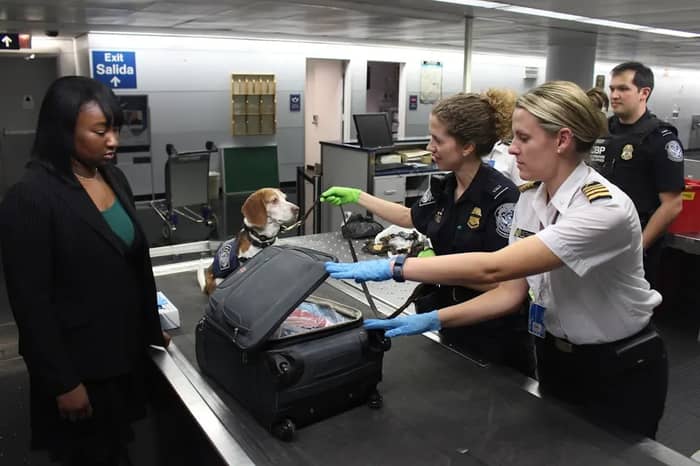
This one’s particularly unsettling because there’s not much you can do to stop it. In 2009, a total of 7,898 items were reported missing from checked luggage at US airports. Some of these disappearances aren’t accidents. They’re deliberate thefts by people with access behind the scenes.
Airports worldwide have reported insider thefts where baggage handlers quietly remove valuables or entire suitcases, including a case where a traveler at Fort Lauderdale-Hollywood used an AirTag to trace his “missing” bag straight to an airport employee’s home. Similar incidents have been reported in Spain and the Philippines. In a sophisticated scam, baggage handlers swap drug-filled luggage for checked bags, even switching luggage tags, and two tourists in Germany were victims in 2023 and spent 24 hours in prison.
At Sea-Tac Airport, reported incidents of bag theft soared from a low of 97 in 2011 to a record high of 477 cases in 2022. The solution isn’t foolproof, but it helps: never pack valuables, electronics, or jewelry in checked luggage. Always carry those items on your person. Consider using luggage wrap services or TSA-approved locks. And honestly? Slip an AirTag or similar tracker into your suitcase. It won’t prevent theft, but at least you’ll know exactly where your stuff went.
QR Code Scams and Malicious Charging Stations
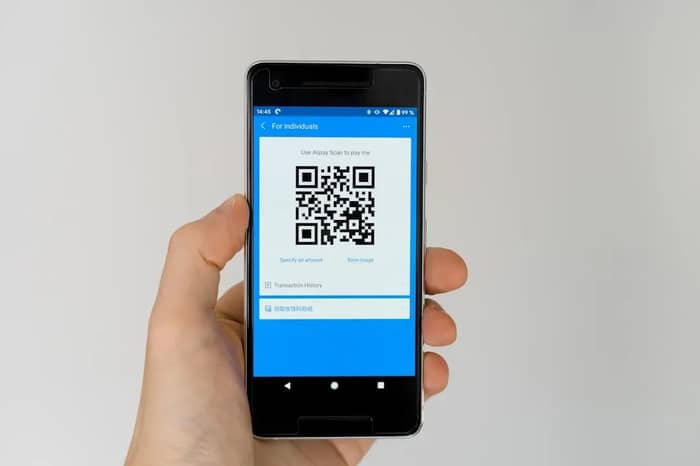
You scan a QR code to access the restaurant menu or parking payment at the terminal. Convenient, right? Except scammers have figured out they can place fake QR codes over legitimate ones. Thieves place malicious QR codes in public places, and when scanned, these fake codes direct travelers to fraudulent websites that can steal personal information, install malware, or redirect payments.
Scammers often cover legitimate QR codes with fake stickers, which can be detected by touch; if the code feels raised or out of place, it might be a scam. Meanwhile, those USB charging stations scattered throughout the terminal? Public USB ports compromised with malware can lead to “juice jacking” attacks, which can result in undetected data breaches, and USB cables fitted with spyware are sold online.
The FBI has actually issued warnings about this. Though honestly, reports of actual juice jacking incidents remain rare, the potential threat is real enough. Always bring your own charger and plug it into a power outlet instead of a USB port. Use a portable battery pack. And before you scan any QR code, run your finger over it to check for stickers. These small habits take seconds but could save you from identity theft.
Fake Airline Customer Service and Phishing Texts

Your flight gets canceled, and you’re stressed. You Google the airline’s customer service number and call. Except the number you found isn’t real. Travelers at airports dealing with canceled flights sometimes search online for phone numbers and end up with fake customer service agents who want credit card information. These scammers know you’re desperate to rebook, and they exploit that urgency.
It gets worse with texts and emails. In 2023, some travelers who made hotel reservations through Booking.com reportedly got emails from the hotel saying their payment had not gone through and they needed to click a link within hours or lose their reservation. Those emails were fake, designed to steal payment information. Scammers scan luggage barcodes or boarding pass QR codes to pull names, itineraries, or frequent flyer info, then send fake “lost bag” texts that lead to phishing links.
The most common travel scam category is airline and flights, occurring 580 times in the last 12 months, and airline and flight scams cost Americans $1.1 million. Never click links in unsolicited texts or emails about your flight or luggage. Always go directly to the airline’s official website or app to verify information. And keep that phone number on your frequent flier card handy so you don’t have to search online when problems arise.
Look, nobody wants to think they’ll fall for a scam. We all believe we’re too smart, too careful, too aware. The truth is, scammers count on that overconfidence. They know you’re tired, distracted, and in a rush. They know airports are chaotic and that most people just want to get where they’re going without drama.
The good news? Most of these scams are completely avoidable with a little preparation and awareness. Book transportation before you land. Turn off auto-connect for WiFi. Use bank ATMs instead of airport currency booths. Keep your eyes on your belongings at security. Don’t pack valuables in checked bags. And always verify before you click or call.
Have you encountered any of these scams during your travels? What’s your best tip for staying safe at airports?