The psychology of travel safety creates fascinating paradoxes. When we visit new places, our awareness shifts dramatically. Sometimes, this change produces an unexpected result – tourists feeling more secure than the very people who live there year-round.
This phenomenon isn’t just about rose-colored vacation glasses. Research from tourism safety studies reveals genuine differences in how temporary visitors and permanent residents perceive urban risks. Let’s explore seven cities where this striking contrast appears most pronounced.
Dubai, United Arab Emirates

Levels of crime in Dubai, especially those such as theft and break-ins, are so low that a social media influencer was inspired to demonstrate the city’s safety with the keys to his Rolls-Royce. This confidence reflects a genuine reality – Dubai ranks among the top 10 cities globally for safety, with a crime index score of just 15.5, showing significantly lower crime rates than cities like New York, London, or Paris.
According to Gallup’s Global Law and Order Report, 96% of UAE residents feel safe walking alone at night – higher than in most Western nations. Yet tourists consistently report feeling even more secure than this already impressive local sentiment. While it may be a gimmick pulled by influencers, it still goes a long way in proving why the city has consistently featured among the safest destinations in the world, with the UAE implementing strict laws backed by the city’s strong police surveillance.
Singapore

The Economist ranks Singapore as the third-safest city in the world, and Numbeo confirms that it’s safer than Tokyo. The city-state’s comprehensive safety infrastructure creates an environment where visitors often feel more protected than local residents who’ve grown accustomed to urban realities.
Singapore’s location protects it from natural disasters, making tourists feel safer while exploring the city, with advanced monitoring and alert systems ready to provide timely warnings about any potential threats. While locals understand Singapore’s exceptional safety record, tourists experience it with a fresh perspective. A hub of cleanliness, efficiency, and safety, Singapore offers a secure environment for exploring its futuristic cityscape, vibrant neighborhoods, and delicious street food scene.
Tokyo, Japan
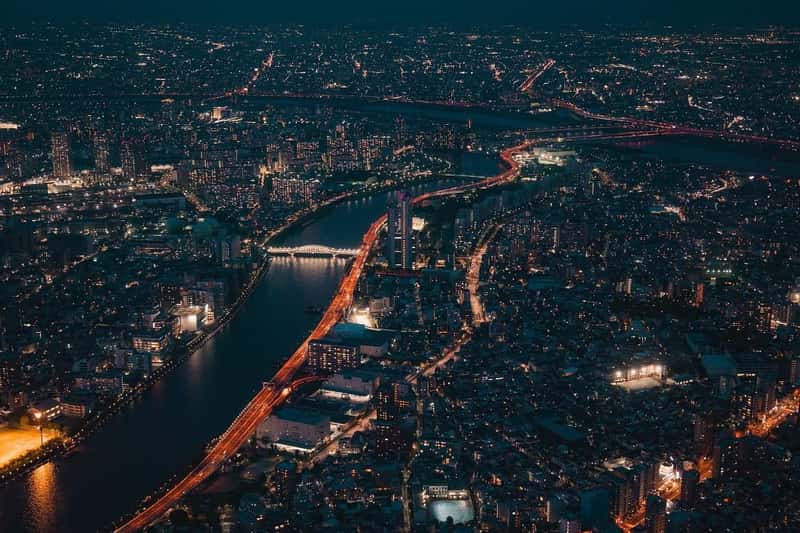
Known for its clean cities and meticulous order, Japan is extremely safe for tourists. From Tokyo’s vibrant energy to the serene temples in Kyoto, you’ll feel at ease exploring the country’s culture-rich cities. The capital consistently appears on global safety rankings, yet tourists frequently report feeling more secure than Tokyo residents who navigate daily urban concerns.
Tokyo, home to one of the world’s safest metros and super-safe train service. Visitors benefit from this infrastructure without the local awareness of rare but persistent issues. The contrast becomes apparent when tourists praise Tokyo’s safety while residents remain cautious about specific neighborhoods or late-night travel patterns they know intimately.
Montreal, Canada
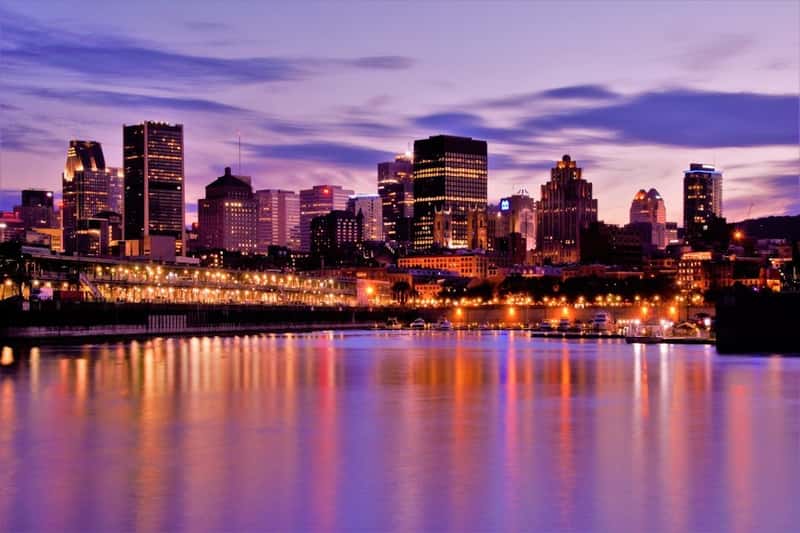
Montreal locals revealed having low worries of being robbed, attacked, insulted, or having their cars stolen. Whether you are a traveler or looking to relocate to Montreal, it is generally safer than many other major American cities, and even with the already excellent ratings, violent and property crime rates have been on a downward trend in the past few years.
Tourists consistently report feeling exceptionally safe, often more so than residents who remain aware of neighborhood variations and seasonal crime fluctuations. The tourism experience in Montreal’s well-traveled areas creates a safety bubble that visitors find remarkably reassuring.
Sydney, Australia
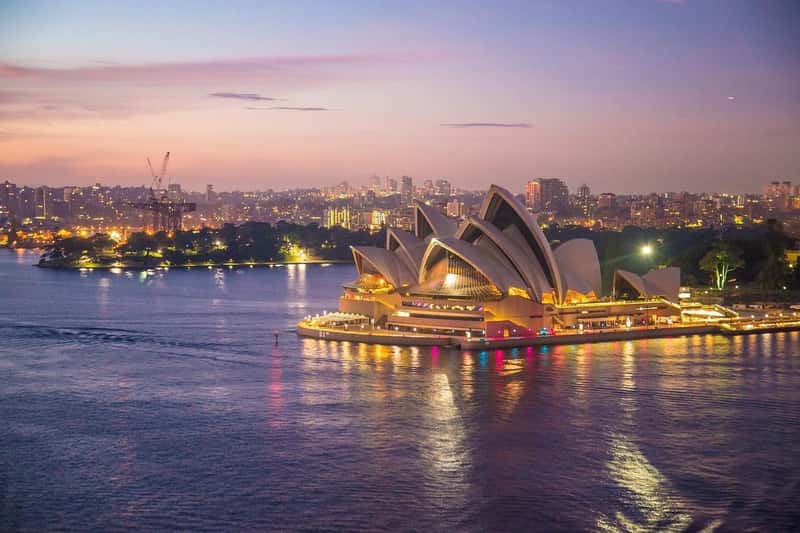
One Sydney local remarks that the only “insecurity” they have had to worry about is having their hot dogs grabbed by seagulls at the beach, while the chances of you getting mugged are lower compared to many other major cities and tourist hotspots. This lighthearted local observation reveals an interesting dynamic – even in extremely safe Sydney, residents maintain awareness that tourists often lack.
Sydney, the most populous city in Australia, is one of the safest cities in the world. Compared with other cities, it has low crime rates, as well as few violent crimes, and its thorough policing system contributes to a stable living environment and a safe public transport system. Tourists frequently express surprise at how safe they feel compared to their expectations, while locals understand the nuanced geography of different areas.
Amsterdam, Netherlands
Amsterdam ranks excellently for being safe for minority groups like LGBTQ+, people of color, and women, with the risk for violent attacks and assault found to be almost non-existent, making it safe even for solo female travelers. The city’s progressive reputation and tourist-friendly infrastructure create an environment where visitors often feel remarkably secure.
However, locals navigate different realities. Bikes have long been a reason to look both ways in Amsterdam; the advent of the fat-tired, high-speed e-bike (often piloted by a non-helmet-wearing 11-year-old) has even the locals scared. Tourists typically explore central tourist areas where safety measures are most visible, while residents deal with everyday urban challenges throughout the broader metropolitan area.
Reykjavik, Iceland
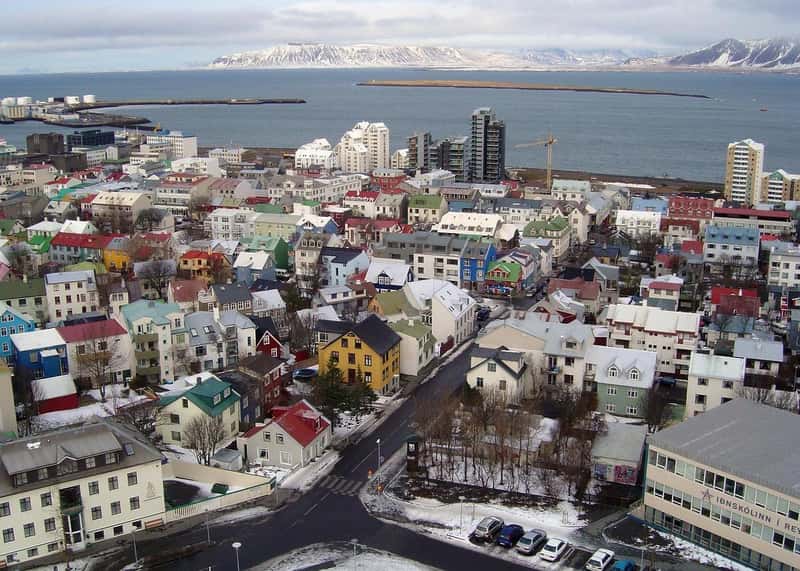
According to GeoSure Global, there’s not a single neighborhood in Reykjavik that’s not exceptionally safe. Iceland’s capital represents perhaps the most dramatic example of tourist-local safety perception differences, not because of crime concerns, but due to natural hazards.
While Reykjavik is known for its safety, natural disasters can occur. For example, November and December 2024 saw an uptick in seismic and volcanic activity in and near Reykjavik. Iceland has historically been ranked among the world’s safest destinations, despite volcanic eruptions in 2024. Tourists experience Iceland’s remarkable social safety while locals live with constant awareness of geological realities that visitors rarely consider during short stays.
The phenomenon of tourists feeling safer than locals reflects complex psychological and practical factors. Visitors experience cities through curated tourist zones with enhanced security measures, while residents navigate the full urban spectrum. According to McKinsey research, approximately 78-82% of travelers cite safety and security as a major factor influencing their travel choices. This heightened awareness paradoxically creates situations where well-informed tourists in genuinely safe destinations feel more secure than locals who understand every nuance of their urban environment. What do you think creates this interesting psychological divide?